
How Many Wheelbarrows in a Ton? Weight Decides, Not Volume
A barrow's rated capacity is not what you can lift. Realistic loads for soil, gravel, sand and mulch — and the sum that works for any material.
 By
On this page
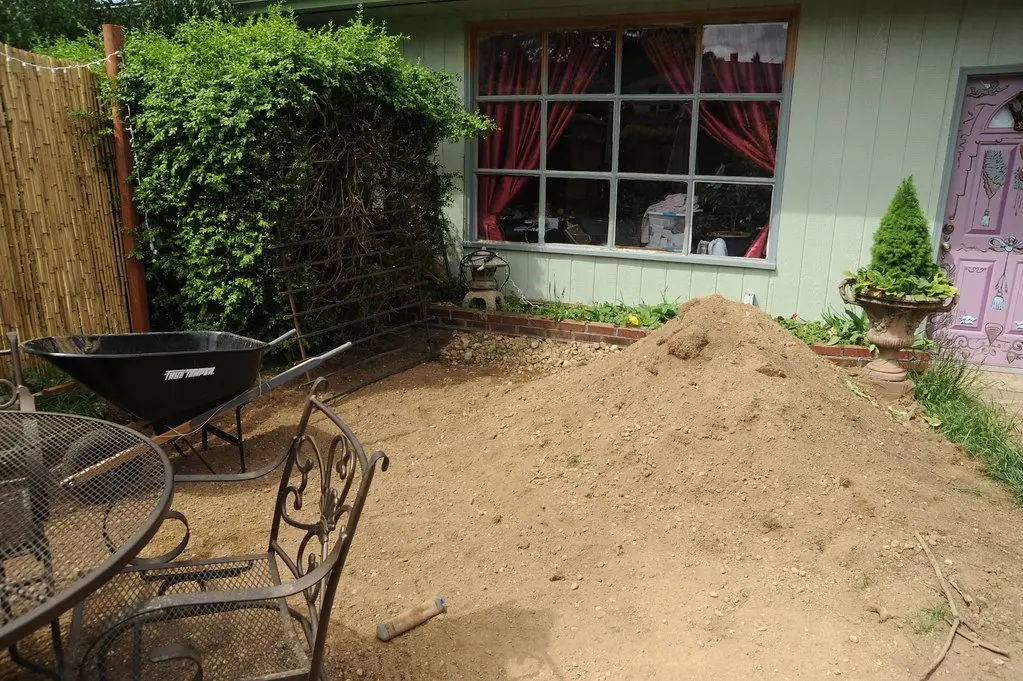
Ten to fifteen loads for soil, gravel or sand. Twenty-five to forty for bark mulch. The barrow’s rated capacity is not the answer — weight runs out long before the tub is full.
Why the rated capacity misleads
A standard builder’s barrow is rated six cubic feet. Six cubic feet of wet topsoil weighs well over 400 pounds.
Nobody lifts that, and nobody steers it. So the real constraint is what you can move, which for dense material is two to three cubic feet — comfortably under half the tub.
This is where most estimates go wrong
People divide a delivery volume by the barrow’s rated capacity and get a number of trips that bears no relation to the afternoon they are about to have.
The tub’s capacity and a person’s capacity are different numbers, and for soil they differ by a factor of two or three.
By material
| Material | lb per cu ft | Practical load | Loads per ton |
|---|---|---|---|
| Topsoil | 75–100 | 2–3 cu ft | ~10–13 |
| Gravel | 95–105 | 2 cu ft | ~10–12 |
| Sand | ~100 | 2 cu ft | ~10 |
| Concrete (mixed) | ~145 | ~2 cu ft | ~7 |
| Bark mulch | 20–30 | 3–4 cu ft | ~25–40 |
The sum, for anything not on the list
Loads = total weight ÷ (your practical volume × density per cubic foot)
So for a ton of gravel at 100 lb/cu ft, moving 2 cu ft a trip:
2,000 ÷ (2 × 100) = 10 loads.
Why mulch is so different
Worth spelling out because it surprises people every time.
A ton is a ton. But mulch weighs about a quarter of what soil does per cubic foot, so a ton of it takes up roughly four times the space.
The constraint flips
With soil, the barrow gets heavy before it gets full.
With mulch, it gets full before it gets heavy.
Which means with mulch you genuinely can use the barrow’s capacity — and the limiting factor becomes how many trips you are willing to make, not how much you can lift.
Concrete
About two cubic feet, and that is already near 290 pounds.
Many people mix in the barrow, and a six cubic foot builder’s barrow is a sensible mixing vessel precisely because it is never filled — the spare volume is what stops it slopping over the sides while you turn it.
Ton or tonne
A US short ton is 2,000 lb. A metric tonne is about 2,205 — roughly 10% more.
That is usually less than the variation in the material’s own density depending on how wet it is, so it rarely changes the number of trips. It does matter when ordering and paying.
Common questions
How many wheelbarrows are in a ton?
How much can you actually put in a wheelbarrow?
How do I calculate it for my material?
How much concrete can a wheelbarrow hold?
Why is a ton of mulch so many more loads than a ton of soil?
Does a US ton and a metric tonne make much difference?
Backyard Weekly
Know what to plant, week by week
Join the weekly email for seasonal jobs, fixes for what is going wrong, and gear worth buying.
Not ready to subscribe? The planting calendar is free and needs no email.
By subscribing you agree to our privacy policy. Grow In Backyard will never sell your address.
Keep reading
How to Clean Garden Tools — 4 Items, One Autumn Hour
How to clean garden tools at season's end: scrape, sharpen, then oil. 4 items cover the whole routine in about an hour. See what each one does.

How to Fill a Raised Garden Bed (Without Spending a Fortune)
What to put in the bottom, the soil mix that actually works, and why hugelkultur layering is a good idea in a deep bed and a bad one in a shallow bed.
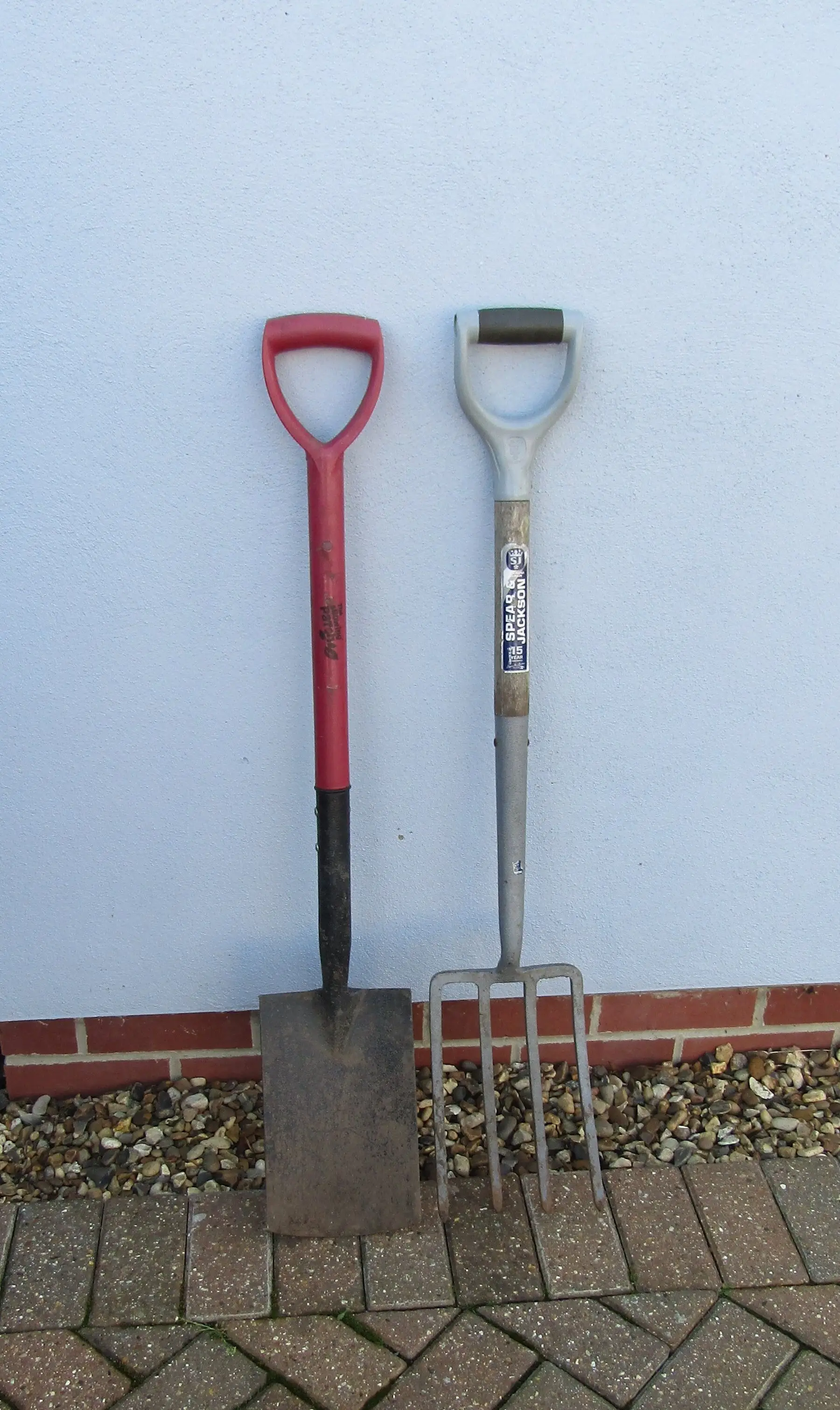
Spade vs Shovel: Which One You Actually Need
A spade cuts, a shovel scoops — and most people are digging with the wrong one. The difference, the handle types, and what to check before buying.

What Does CFM Mean on a Leaf Blower? Volume, Not Speed
CFM is how much air moves, MPH is how fast. One shifts piles, the other unsticks wet leaves — and the numbers are not comparable between brands.