
What Size Post for a Pergola? 6x6 Unless It Is Small
4x4 works for a small low pergola in a sheltered spot. Everything else wants 6x6 — posts fail by leverage at the base, not by crushing.
 By
On this page
6x6 unless the pergola is small, low and sheltered. The reason is not weight — a 4x4 carries the load easily. Pergola posts fail by bending and racking under wind leverage at the base, and that is a stiffness problem, not a strength one.
Sizing the post
| Situation | Post | Why |
|---|---|---|
| Under 8 ft, spans under 8 ft, sheltered | 4x4 | Adequate, and cheaper |
| 8–10 ft, normal garden | 6x6 | Stiffness against racking |
| Over 10 ft, or exposed site | 6x6 + bracing | Leverage grows fast with height |
| Heavy climbers planned | 6x6 | Mature wisteria is a serious load |
| Attached on one side | 6x6 free side | House carries the other |
Notching eats a 4x4
Cut the beam notches into a 4x4 and there is very little section left at precisely the most stressed point. A 6x6 takes the same joint and still has material around it. This is where a lot of undersized posts actually fail.
Why leverage, not weight
A pergola roof is open. It carries almost no vertical load — no snow lying on it, no tiles, no ceiling.
What it does catch is wind, pushing sideways at the top of the posts. A post is a lever fixed at the base, so doubling the height roughly doubles the turning force at the footing for the same push. That is why:
- Height matters more than span when sizing posts
- Footing width matters as much as depth for resisting overturning
- Bracing at the top joints is worth more than extra post section
Spacing and beams are one decision
Posts at 8 to 10 feet is the normal range; 12 feet is about the practical limit before the beams need to be noticeably deeper to avoid sagging.
Stretching the spacing to use fewer posts usually costs more in beam timber than it saves in posts. Keep the bays even — an odd short bay at one end reads as a mistake.
Footings
- Below the local frost line where ground freezes — this is the governing rule, and it is local
- Roughly a third of the above-ground height, or 2 feet, whichever is greater, as a general guide
- Wider rather than just deeper, to resist overturning
- Check local codes rather than estimating
Set in concrete, or on brackets?
| Buried in concrete | Galvanised standoff bracket | |
|---|---|---|
| Rigidity | Highest | Good, with a substantial bracket |
| Rot risk | Highest — water collects there | Low — post sits clear |
| Replaceable later | No | Yes |
| Cost | Lower | Higher |
For a structure meant to last, standoff brackets with a decent standoff height are usually the better trade: the post never sits in standing water, and it can be replaced without demolishing the footing.
Timber
Pressure-treated softwood rated for ground contact is the normal and sensible choice. Cedar and redwood look better and cost considerably more, and are not as resistant in direct ground contact as treated timber is.
Whatever you use: treat every cut end with preservative before installation. The factory treatment does not reach the middle of the timber, and a fresh cut sitting in a bracket is an open door.
Common questions
What size post should I use for a pergola?
Is a 4x4 strong enough for a pergola?
How far apart should pergola posts be?
How deep should pergola post footings be?
Should pergola posts be set in concrete or on brackets?
What timber should pergola posts be?
Backyard Weekly
Know what to plant, week by week
Join the weekly email for seasonal jobs, fixes for what is going wrong, and gear worth buying.
Not ready to subscribe? The planting calendar is free and needs no email.
By subscribing you agree to our privacy policy. Grow In Backyard will never sell your address.
Keep reading
How Tall Should a Pergola Be? 8 to 10 Feet Works
Eight feet is the practical minimum and ten suits most gardens. Height changes shade, proportion and wind load, and each pulls in a different direction.
Is It Cheaper to Build or Buy a Pergola? Build, If Able
Building saves roughly a third to a half on materials against a comparable kit. The saving is real, and it is entirely a function of your own labour.
How Much Shade Does a Pergola Provide? Less Than You Think
Bare rafters give roughly 30 to 50 percent at midday and almost none when the sun is low. Orientation and rafter spacing matter more than adding timber.
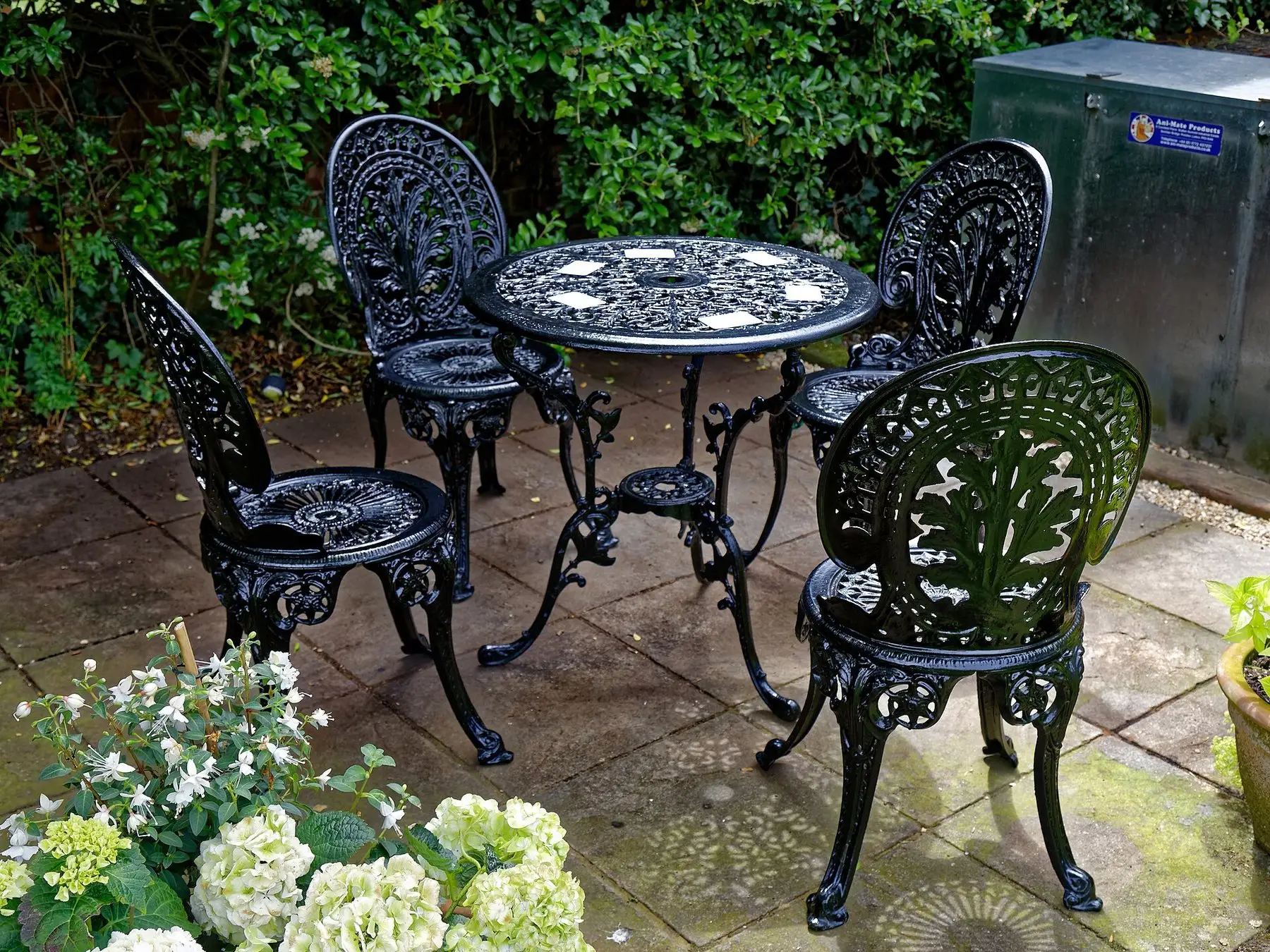
Backyard Table and Chairs: Sizing, Materials, and Wind
Most outdoor dining sets are bought too small and blow over. The clearances a table actually needs, what each material costs you in upkeep, and how to weight it.