Patio Umbrellas: Size It to the Table, Weight It to the Wind
Two numbers decide whether an outdoor umbrella works: the span against your table, and the base weight. Plus which fabrics actually survive a season.

On this page
Patio umbrellas fail in two ways, and both are decided before you buy. They are too small, so the shade slides off the table by mid-afternoon. Or they are underweighted, so the first real gust puts them across the garden.
Everything else — the crank, the tilt, the finish — matters less than those two numbers.
Getting the size right
The umbrella has to shade the table at four o’clock, not just at noon. That is why the canopy needs to be meaningfully bigger than the table: as the sun drops, the shade slides sideways, and the overhang is what keeps people covered.
| Table | Canopy | Shade area |
|---|---|---|
| Bistro, 30–36 in | 6–7 ft | 2 seats |
| Round, 40–48 in | 9 ft | 4 seats |
| Round, 54–60 in | 10–11 ft | 6 seats |
| Rectangular, 6 ft | 10–11 ft, or rectangular canopy | 6 seats |
| Seating group, no table | 11 ft+ or cantilever | Lounge set |
A rectangular table is better served by a rectangular canopy than by a round one large enough to cover its corners.
Base weight is a safety spec
This is the number people under-buy, usually because bases are heavy and awkward to carry home.
Through a table: the table itself does much of the work, so 30 to 50 pounds is generally sufficient — the base is stopping the pole lifting, not resisting the whole load.
Freestanding market umbrella: budget roughly 10 pounds of base per foot of canopy. A 9-foot umbrella wants about 90 pounds.
Cantilever / offset: the mast is beside the canopy rather than under it, so the whole thing is a lever. These need very heavy bases — commonly 150 pounds and up, often as weight plates or filled with sand or paving slabs. Follow the manufacturer’s figure, and treat it as a minimum.
An open umbrella is a sail
The single most common way a patio umbrella is destroyed is being left open when nobody is there. A gust lifts it, and it takes the base, the table, or the glass tabletop with it — and it can hurt someone. Close it every time you go inside, and take it down if real wind is forecast. A vented canopy lets some pressure escape and helps; it does not make an open umbrella safe in wind.
Fabric is what ages
Everything else on an umbrella can look fine while the canopy has gone chalky and pale.
Solution-dyed acrylic has the pigment added to the fibre before it is spun, so the colour goes all the way through. It is the most fade-resistant and the most expensive, and it is what the long-lived umbrellas use.
Solution-dyed polyester uses the same principle in a cheaper fibre — a sensible middle option.
Printed or piece-dyed polyester has colour applied to the surface of finished cloth. It is the cheapest and it fades fastest, often visibly within a season or two of strong sun.
Look for a stated UV rating and a canopy that can be removed for washing or winter storage.
Frame and mechanism
Aluminium is the sensible default: light, rustproof, usually powder-coated. Wood looks better and needs oiling, and can be more prone to splitting at the joints. Steel is strong and will eventually rust where the coating is chipped.
For opening, a crank is easiest and the mechanism most likely to be the first thing to break; pulley and pin is simpler and lasts longer. Tilt matters more than it sounds, because it is what recovers the late-afternoon sun — a collar tilt or auto-tilt is more usable than the push-button kind.
Count the ribs: more ribs hold the canopy shape better and resist inverting. Fibreglass ribs flex in gusts and spring back where aluminium ones bend permanently.
Buy the base and the umbrella together
Poles vary in diameter, and bases come with sleeves or reducers for specific sizes. Buying them separately, months apart, is the standard route to an umbrella that rattles around in a hole that is half an inch too big — which then wears the pole and eventually snaps it.
Making it last
Close it after every use. Wash the canopy occasionally with mild soap and let it dry fully before closing, since a canopy put away damp grows mildew in the folds.
Take the canopy off, or the whole umbrella down, for winter. Bring the base under cover too if it is the kind that holds water, which will freeze and crack it.
Done consistently, a mid-range umbrella lasts many seasons. Left open in the wind, an expensive one lasts until the first storm.
Common questions
What size patio umbrella do I need?
How heavy should a patio umbrella base be?
What is the best patio umbrella fabric?
Are cantilever umbrellas worth it?
Can you leave a patio umbrella open in wind?
Backyard Weekly
Know what to plant, week by week
Free planting calendar. Join the weekly email for seasonal jobs, fixes for what is going wrong, and gear worth buying.
Set MONETIZATION.email.endpoint in src/config/site.ts to enable this form.
By subscribing you agree to our privacy policy. Grow In Backyard will never sell your address.
Keep reading
How to Choose a Hammock Stand (Size It First)
Most hammock stand complaints are sizing mistakes. How to match stand length to your hammock, what each style suits, and the specs that actually matter.
Garden Decor Ideas That Don't Look Cluttered in a Year
Most backyard decor gets added piece by piece until the yard looks like a garden center. A short list of what earns its place, and what to skip.
Front Yard Landscaping Ideas That Last Past Year Three
Most front yard makeovers look best the week they are finished. These nine ideas are chosen for what they look like after three seasons of real maintenance.
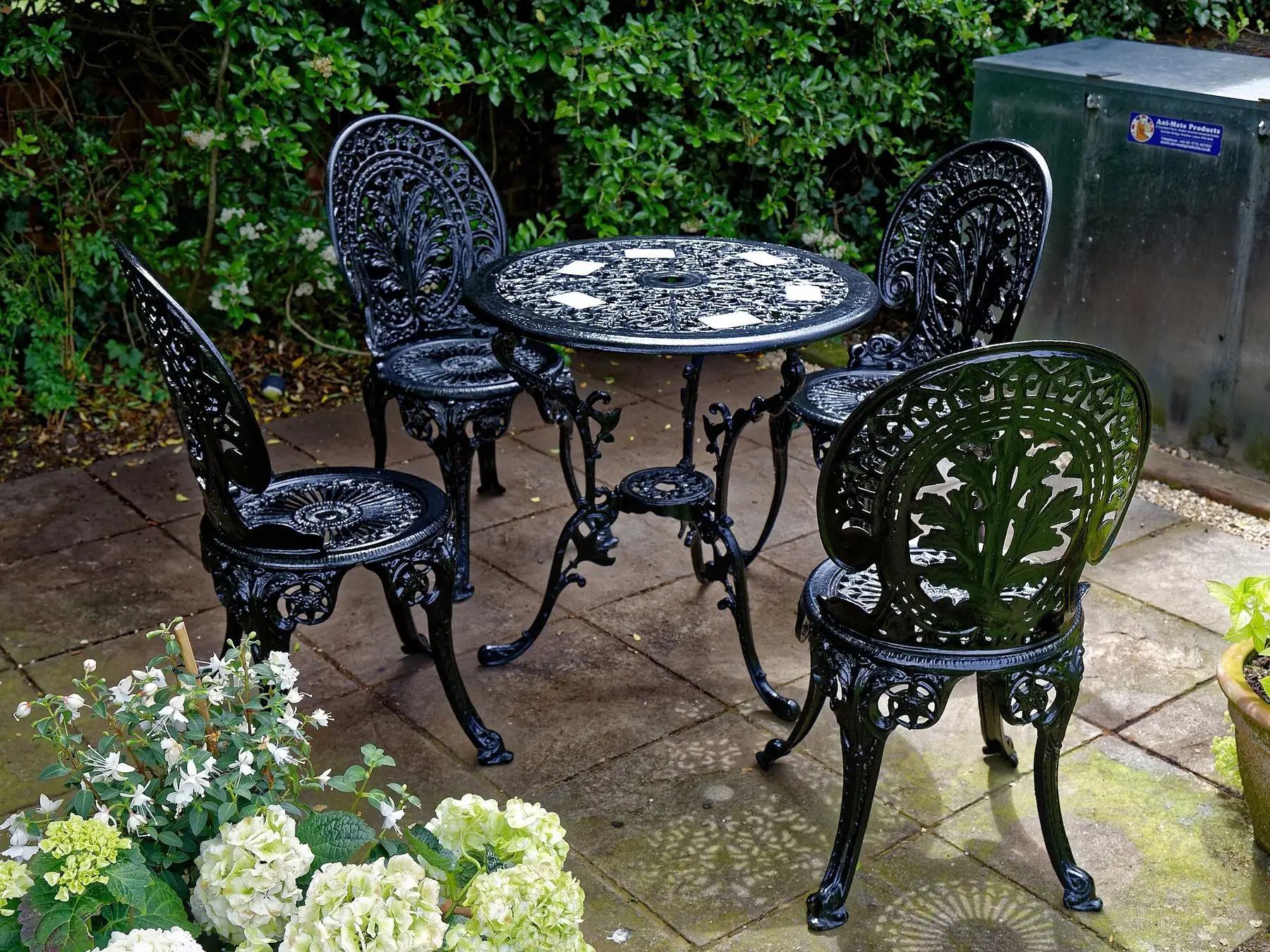
Backyard Table and Chairs: Sizing, Materials, and Wind
Most outdoor dining sets are bought too small and blow over. The clearances a table actually needs, what each material costs you in upkeep, and how to weight it.