How to Choose a Hammock Stand (Size It First)
Most hammock stand complaints are sizing mistakes. How to match stand length to your hammock, what each style suits, and the specs that actually matter.

On this page
Hammock stands generate a lot of disappointed reviews, and most of them describe the same two problems: the hammock hangs too tight to be comfortable, or the whole thing feels unstable. Both are usually sizing, and both are decided before you buy anything.
Get the length right first
This is the decision that determines whether you enjoy the thing.
Measure your hammock from one hanging loop to the other, including any chains, carabiners, or S-hooks that will be in the line. That total is what has to fit between the stand’s hanging points. Then pick a stand roughly one to two feet longer than that measurement.
The reason is the curve. A hammock is comfortable because it hangs in a deep catenary — the loose banana shape — which lets the fabric wrap and support you. Pull it taut between two points that are barely far enough apart and you get a flat, tight surface with pressure points at your shoulders and calves. It also puts far more tension through the fabric and the frame than a slack hang does.
| Hammock type | Typical total length | Stand length to buy |
|---|---|---|
| Single gathered-end | 9–10 ft | 11–12 ft |
| Double gathered-end | 10–11 ft | 12–13 ft |
| Spreader-bar (quilted, rope) | 13 ft | 15 ft |
| Brazilian / Mayan | 11–13 ft | 13–15 ft |
| Chair / pod hammock | — | Single-point stand |
If the stand is slightly too long
That is the fixable direction. Add chain, extension straps, or larger S-hooks to take up the slack and raise the hanging points. A stand that is too short cannot be fixed at all — the hammock simply will not hang properly, whatever hardware you add.
The styles, and what each is for
Arc stands (curved wood or steel). The most attractive and generally the most comfortable, with a wide footprint and a low centre of gravity. Wooden ones look excellent and need weather protection; steel ones are lighter to move and usually cheaper. They take up the most floor space.
C-frame / space-saving steel stands. The frame comes up from one side, so the hammock hangs over a base that occupies less room. Good on a patio or deck where an arc stand would dominate. Check the rated capacity carefully, since the cantilever puts asymmetric load through the frame.
Portable / folding stands. Break down into a bag for camping, festivals, or storing over winter. The trade-off is real: they are usually narrower, lighter, and rated lower, and they flex more in use. Excellent for their purpose, disappointing as a permanent garden hammock.
Single-point stands. For chair or pod hammocks, hanging from one overhead point. The smallest footprint of all and the obvious answer for a balcony or a corner. Stability depends entirely on a heavy, wide base.
Specs worth checking
Weight rating. Most stands are rated 300 to 450 pounds. Read it as a ceiling for the entire load, including two people if that is the plan, and note that swinging or dropping into a hammock generates a peak force well above static body weight. Leaving real headroom is sensible rather than cautious.
Steel gauge and finish. Thicker-walled tube resists bending; powder coating over galvanised or treated steel resists rust. On any stand that lives outdoors year-round, the finish is what fails first — look at whether the feet and the joints are coated, since those are where water sits.
How the sections join. Most stands ship in pieces. Bolted joints with proper hardware stay tight; push-fit pins are quicker to assemble and tend to develop a rattle. Either is fine, but check that the hardware is stainless or coated, not bare steel that will rust into place.
Adjustability. Multiple hanging holes let you tune the height and tension for different hammocks and different people, which meaningfully extends what one stand can do.
Where the stand sits matters as much as the stand
On grass, feet sink and the stand rocks — put a paver or a board under each foot. On decking, the load is concentrated at a few points, so check the boards and joists can take it. On smooth concrete or tile, look for rubber feet, because a steel foot on a hard smooth surface will walk across the patio as you swing.
Where a stand beats trees
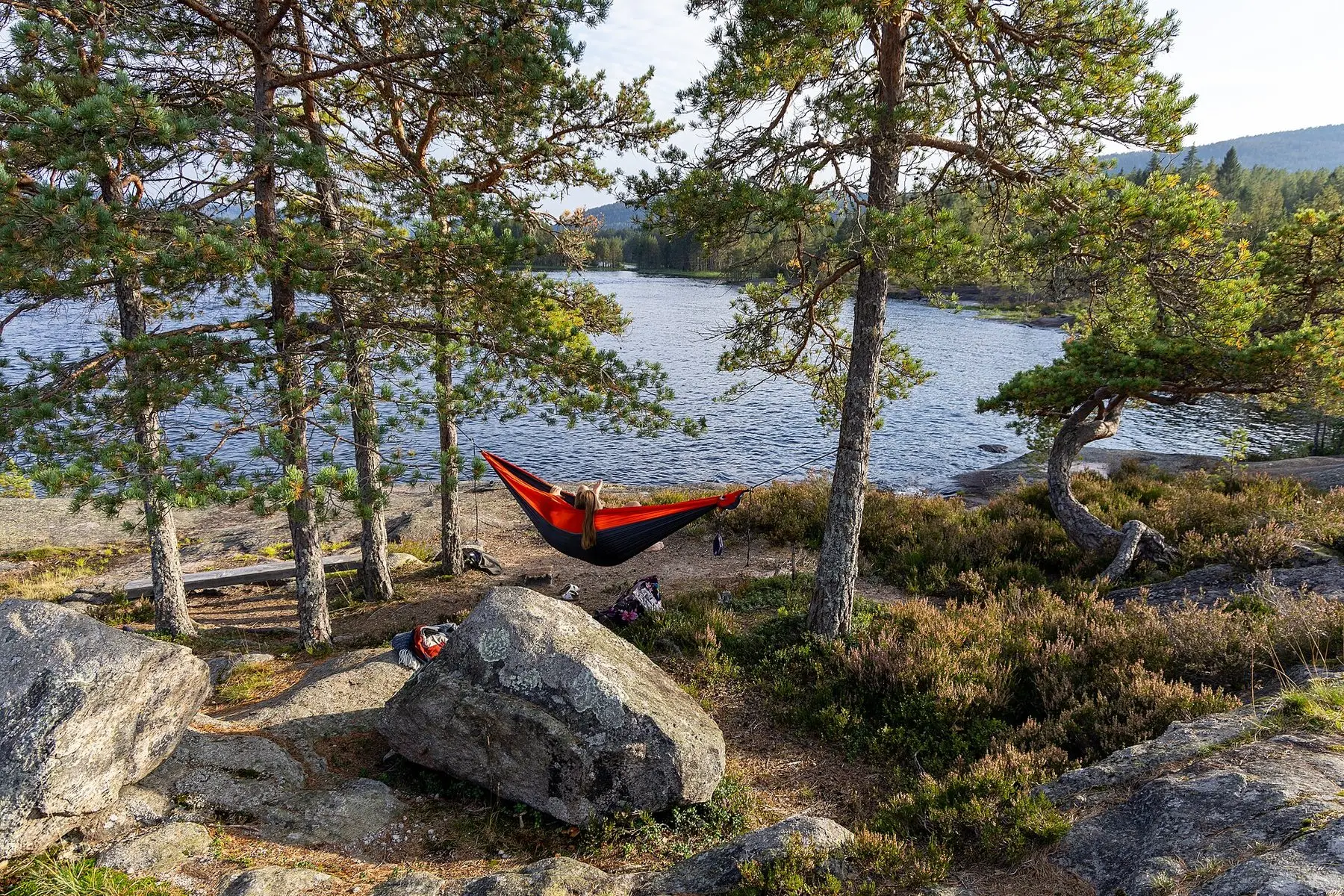
Two well-spaced healthy trees are lovely and free, and they are also fixed in place, often the wrong distance apart, and vulnerable to strap damage. A stand goes where you want shade or a view, moves when the sun does, works on a deck or a patio, and stores over winter.
If you do hang from trees, use wide webbing straps rather than rope or wire — narrow lines cut into bark and can girdle and kill a tree over a season.
The comfort adjustment nobody mentions
Once it is up, lie in it diagonally rather than straight along the centreline. A gathered-end hammock lain in on the diagonal flattens out remarkably and supports the back properly; lain in straight it folds you into a banana and squeezes your shoulders.
This single change converts a lot of “hammocks are uncomfortable” verdicts. Spreader-bar hammocks are the exception — they are already held flat, at the cost of being much easier to tip out of.
Common questions
What size hammock stand do I need?
Can you use any hammock on any stand?
What is the best type of hammock stand?
How much weight can a hammock stand hold?
Do hammock stands work on grass?
Backyard Weekly
Know what to plant, week by week
Free planting calendar. Join the weekly email for seasonal jobs, fixes for what is going wrong, and gear worth buying.
Set MONETIZATION.email.endpoint in src/config/site.ts to enable this form.
By subscribing you agree to our privacy policy. Grow In Backyard will never sell your address.
Keep reading
Garden Decor Ideas That Don't Look Cluttered in a Year
Most backyard decor gets added piece by piece until the yard looks like a garden center. A short list of what earns its place, and what to skip.
Front Yard Landscaping Ideas That Last Past Year Three
Most front yard makeovers look best the week they are finished. These nine ideas are chosen for what they look like after three seasons of real maintenance.
Best Raised Garden Beds: 5 Kits Worth the Money
Metal, cedar, or plastic — the material decides how long a raised bed lasts and what it costs to fill. Five kits compared, plus how to pick the right depth.
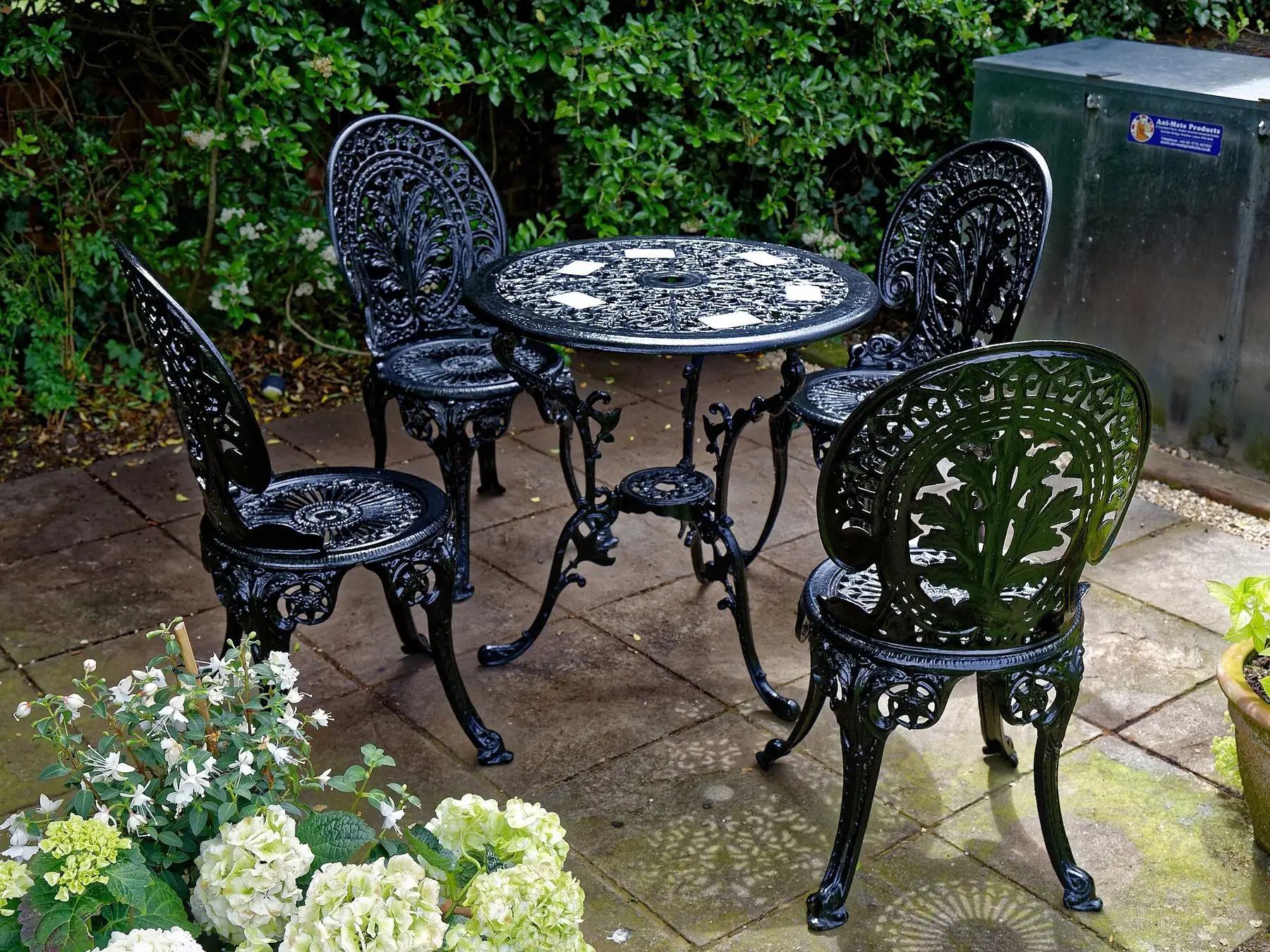
Backyard Table and Chairs: Sizing, Materials, and Wind
Most outdoor dining sets are bought too small and blow over. The clearances a table actually needs, what each material costs you in upkeep, and how to weight it.