
How to Use a Soaker Hose — 4 Parts, Even Watering
How to use a soaker hose comes down to pressure and layout. 4 parts make the run water evenly from end to end. See which your line is missing.
 By
We may earn a commission when you buy through links on this page, at no extra cost to you.

On this page
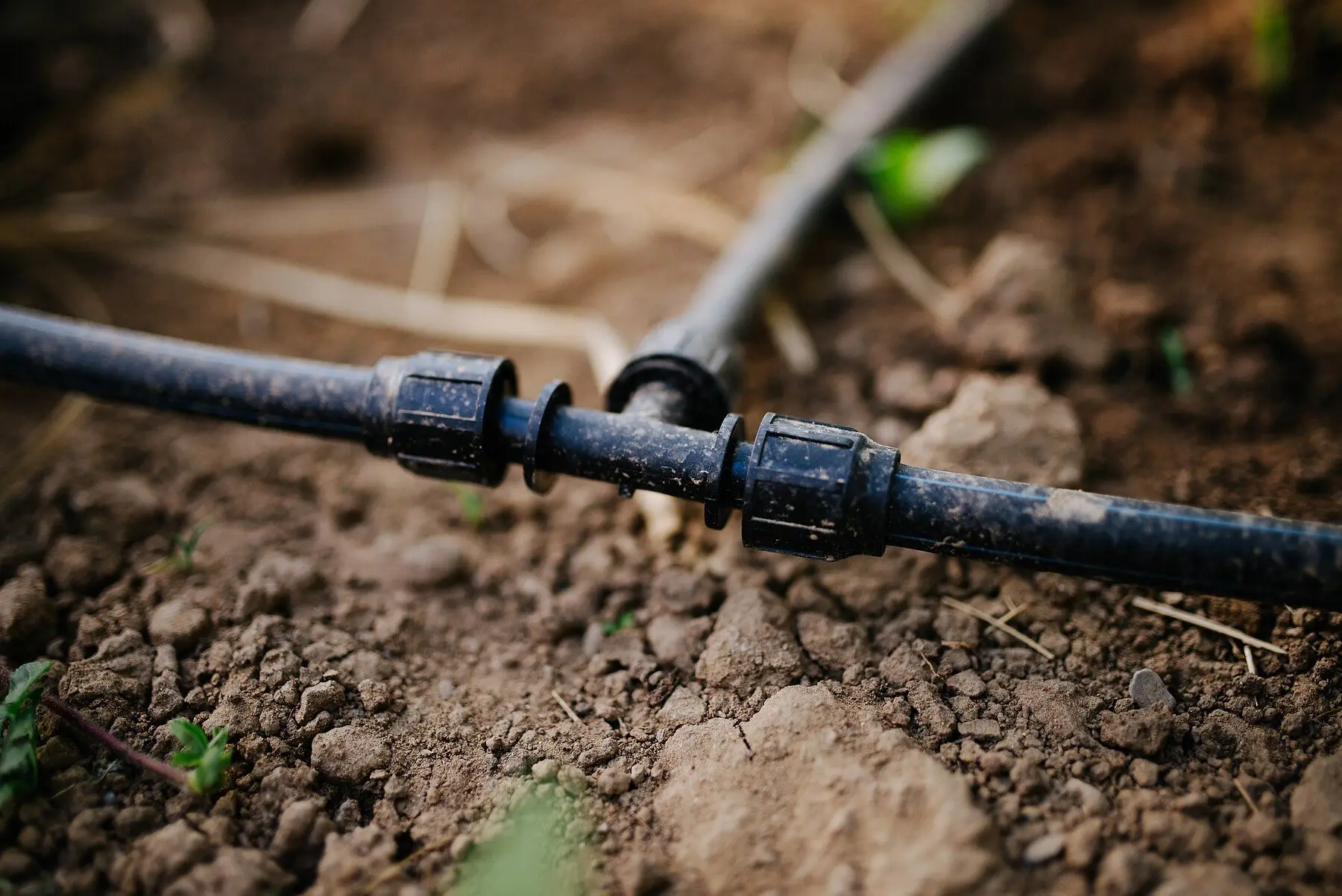
A soaker hose is a porous rubber tube that weeps water along its whole length. It is the cheapest efficient watering there is — most of the benefit of drip irrigation for a fraction of the cost and planning.
It also fails in three predictable ways, all avoidable: too much pressure, runs that are too long, and no mulch on top.
Pressure is the thing people get wrong
Household supply runs 40–60 psi. Soaker hose is built for 10–25.
At full pressure it sprays rather than seeps near the tap, delivers wildly unevenly, wears out fast, and occasionally bursts at a fitting.
A pressure regulator costs a few dollars and screws onto the tap. Fit one. Alternatively, open the tap only a quarter turn — cruder, but better than nothing.
Why long runs water unevenly
Pressure falls with distance. On a 100-foot run, the first 20 feet get generously soaked while the last 20 barely darken.
Keep runs to 25–50 feet. For a bigger area, split into several short runs from a manifold at the tap, or loop a single line so both ends are fed.
On a slope, run the hose along the contour rather than up and down it — gravity otherwise compounds the pressure difference.
Laying it out
Soaker hose wets a band roughly 1–2 feet wide — narrower on sandy soil, wider on clay. So the line has to be close to the plants.
- Weave it between plants, within a few inches of stems.
- Rows: one line per row for narrow beds, two lines a foot apart for wide ones.
- Shrubs and trees: loop it around the plant at the drip line — the edge of the canopy — not against the trunk.
- Pin it with landscape staples every few feet.
- Leave it in place all season. Dragging it in and out kinks it and shortens its life.
Mulch over it, never soil
Two to three inches of mulch over the line cuts evaporation and — more importantly — shields the rubber from UV, which is what makes soaker hose go brittle and split. Buried in soil, the pores clog from the outside in and you cannot see the fault when output drops.
Run time
Start at 30–60 minutes, then check with a trowel: dig beside the line and look for moisture 6–8 inches down.
That check is worth more than any published figure, because soil type changes the answer entirely. Sandy soil takes water fast and loses it fast — shorter, more frequent. Clay takes it slowly and holds it — longer, less frequent.
Deep and infrequent beats shallow and daily. Once or twice a week, thoroughly, drives roots down. Fifteen minutes every evening keeps roots at the surface where they are most vulnerable.
A hose timer is worth the small cost — soaker hoses are easy to forget about, and an overnight run wastes a lot of water quietly.
Maintenance
Flush it a couple of times a season: open the far end and let it run clear. Minerals and grit gradually block the pores, and flushing keeps output even.
Expect two to five seasons. Under mulch, behind a regulator, at the longer end of that. Uncovered in full sun, the shorter.
In freezing climates, drain and store it indoors over winter.
Soaker hose or drip?
| Soaker hose | Drip irrigation | |
|---|---|---|
| Cost | Low | Moderate |
| Setup | Unroll and pin | Plan, cut, fit emitters |
| Best for | Dense rows, hedges, borders | Spaced plants, containers, precision |
| Evenness over distance | Falls off past ~50 ft | Good, with pressure-compensating emitters |
| Lifespan | 2–5 seasons | 5–10 years |
For a typical backyard vegetable bed, soaker hose is the right answer. Drip earns its extra cost where plants are widely spaced, where runs are long, or where containers are involved.
Our picks
| # | Pick | Best for | Where to buy |
|---|---|---|---|
| 1 | Pressure regulator, 10–25 psi | The one essential accessory | Check price for Pressure regulator, 10–25 psi → |
| 2 | Hose manifold or splitter | For runs that water evenly | Check price for Hose manifold or splitter → |
| 3 | Mechanical hose timer | Makes the run time consistent | Check price for Mechanical hose timer → |
| 4 | Filter washer set | Keeps the pores clear | Check price for Filter washer set → |
The one essential accessory
Pressure regulator, 10–25 psi
The page calls this the one essential accessory and that is right. A soaker hose on unregulated mains pressure is a sprinkler with a short life.
- Reduces
- Mains pressure to 10–25 psi
- Why
- Full mains pressure makes a soaker spray, split and water unevenly
- Fits
- Between tap and hose
- Pair with
- A filter washer
What we liked
- Soaker hose is designed for low pressure and fails without it
- Stops the near end soaking while the far end stays dry
- Dramatically extends the hose's life
- Costs a fraction of the hose it protects
Worth knowing
- One more fitting at the tap
- Fixed-rate regulators are not adjustable
For runs that water evenly
Hose manifold or splitter
The fix for the far end of the bed staying dry. Several short runs beat one long one, every time.
- Lets you
- Feed several 25–50 ft runs rather than one long line
- Why
- Pressure drops along the length; a long line waters unevenly
- Outlets
- 2–4, each with its own valve
- Fit
- At the tap, after the regulator
What we liked
- Short runs fed separately give even output along each one
- Individual valves let you water beds on different schedules
- Simple, with nothing to go wrong
Worth knowing
- More hose and fittings to lay out
- Cheap plastic manifolds crack at the threads
Makes the run time consistent
Mechanical hose timer
Worth it mainly for consistency. The watering pattern a soaker rewards is the one people forget to keep up.
- Sets
- Run duration, and often a daily schedule
- Why
- Soakers need long, infrequent runs rather than short daily ones
- Power
- Mechanical or battery
- Fit
- At the tap, before the regulator
What we liked
- Long infrequent soaks drive roots down; short daily ones keep them shallow
- Removes the forgotten-tap flooding incident
- Mechanical versions need no battery at all
- Cheap
Worth knowing
- Battery models fail in cold and leave the tap off or on
- Mechanical ones do not schedule, only limit duration
Keeps the pores clear
Filter washer set
A few cents of insurance on the hose. Once the pores clog there is no practical way to clear them again.
- Catches
- Grit and sediment from the supply
- Why
- Soaker pores clog, and a clogged hose waters unevenly forever
- Fit
- At the tap connection
- Replace
- Annually
What we liked
- Clogging is the main thing that ends a soaker hose's useful life
- Costs almost nothing and fits in seconds
- Particularly worth it on well water or old pipework
Worth knowing
- Needs occasional rinsing or it restricts flow itself
Step by step
- Time
- PT1H
- Cost
- $40
- You need
- Soaker hose, 25 to 50 ft lengths, Pressure regulator, 10 to 25 psi, Hose timer, Landscape staples, Mulch
- Tools
- Scissors or a hose cutter, A trowel, for checking soil moisture
Fit a pressure regulator at the tap
House pressure of 40 to 60 psi is far above what soaker hose is designed for. Too much pressure makes it spray from the near end, wear out early, and sometimes burst. A 10 to 25 psi regulator costs a few dollars and is the difference between working and not.
Keep runs to 25 to 50 feet
Water pressure falls along the hose, so a long run soaks generously at the tap end and barely weeps at the far end. Use several short runs fed from a manifold rather than one long line.
Lay it out along the plants, not across the bed
Run the hose within a few inches of stems, weaving between plants. Soaker hose wets a band roughly 1 to 2 feet wide on most soils — narrower on sand, wider on clay — so the line has to be where the roots are.
Pin it down and leave it in place
Landscape staples every few feet stop it shifting and lifting. Leave the line in the bed all season rather than dragging it in and out, which kinks it and shortens its life.
Cover with mulch, not soil
Two to three inches of mulch over the hose cuts evaporation and protects the rubber from UV, which is what makes soaker hose brittle. Do not bury it in soil — buried hose clogs from the outside in and you cannot see faults.
Run it long and check with a trowel
Start with 30 to 60 minutes, then dig down beside the line. You want moisture 6 to 8 inches deep. Adjust the time from what you find rather than from a rule of thumb, since soil type changes the answer completely.
Flush it a couple of times a season
Open the far end and let it run to clear sediment. Soaker hose clogs gradually from minerals and grit, and flushing is what keeps output even across its life.
Common questions
How long should you run a soaker hose?
Do soaker hoses need a pressure regulator?
Can you bury a soaker hose?
Why is one end of my soaker hose wetter than the other?
Is a soaker hose better than drip irrigation?
How long does a soaker hose last?
Backyard Weekly
Know what to plant, week by week
Join the weekly email for seasonal jobs, fixes for what is going wrong, and gear worth buying.
Not ready to subscribe? The planting calendar is free and needs no email.
By subscribing you agree to our privacy policy. Grow In Backyard will never sell your address.
Keep reading
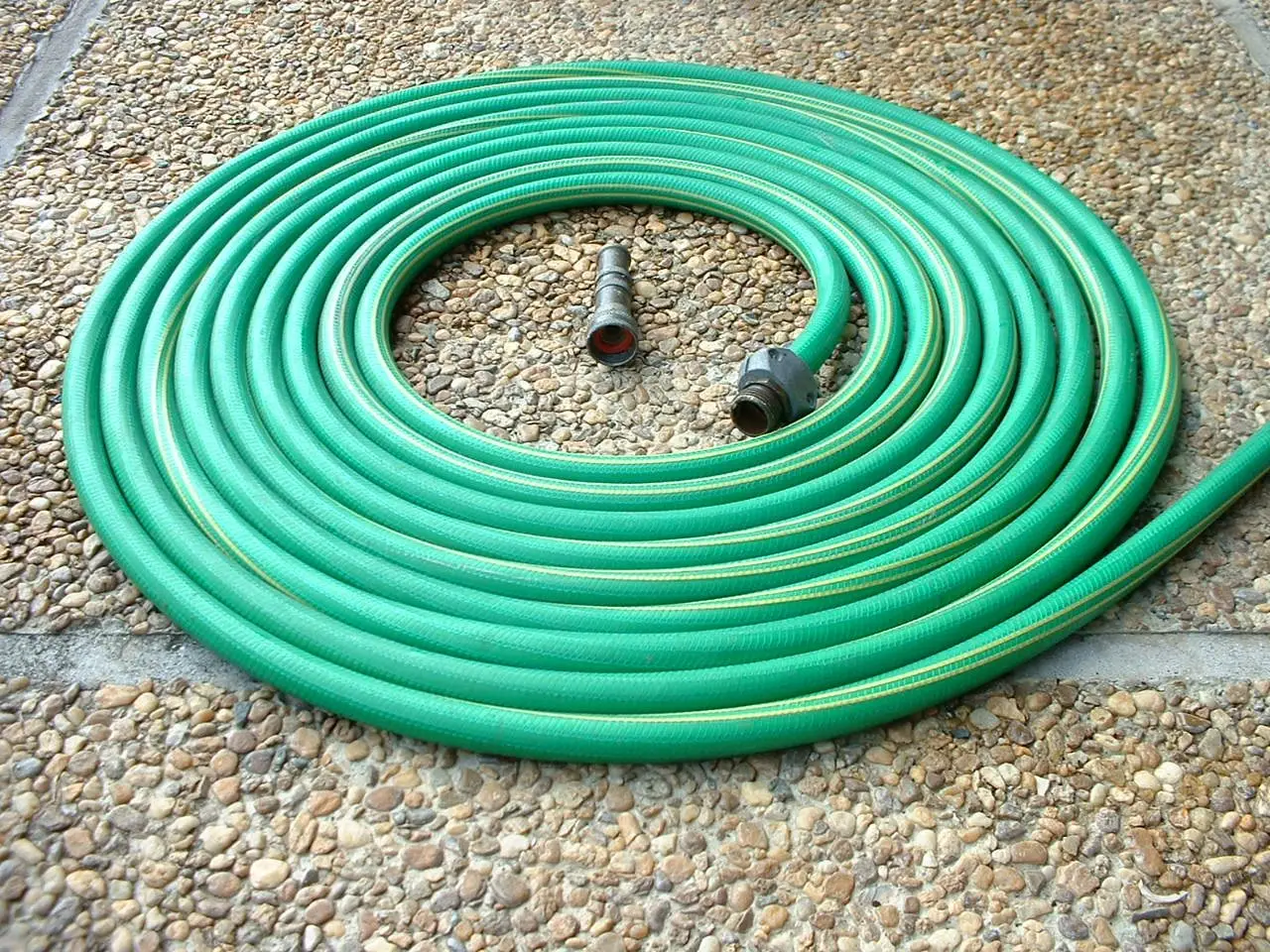
Best Garden Hose — 4 Picks and the Spec That Decides
The best garden hose is decided by burst pressure and fittings. 4 picks compared on weight, kinking and repair. See which suits your tap.
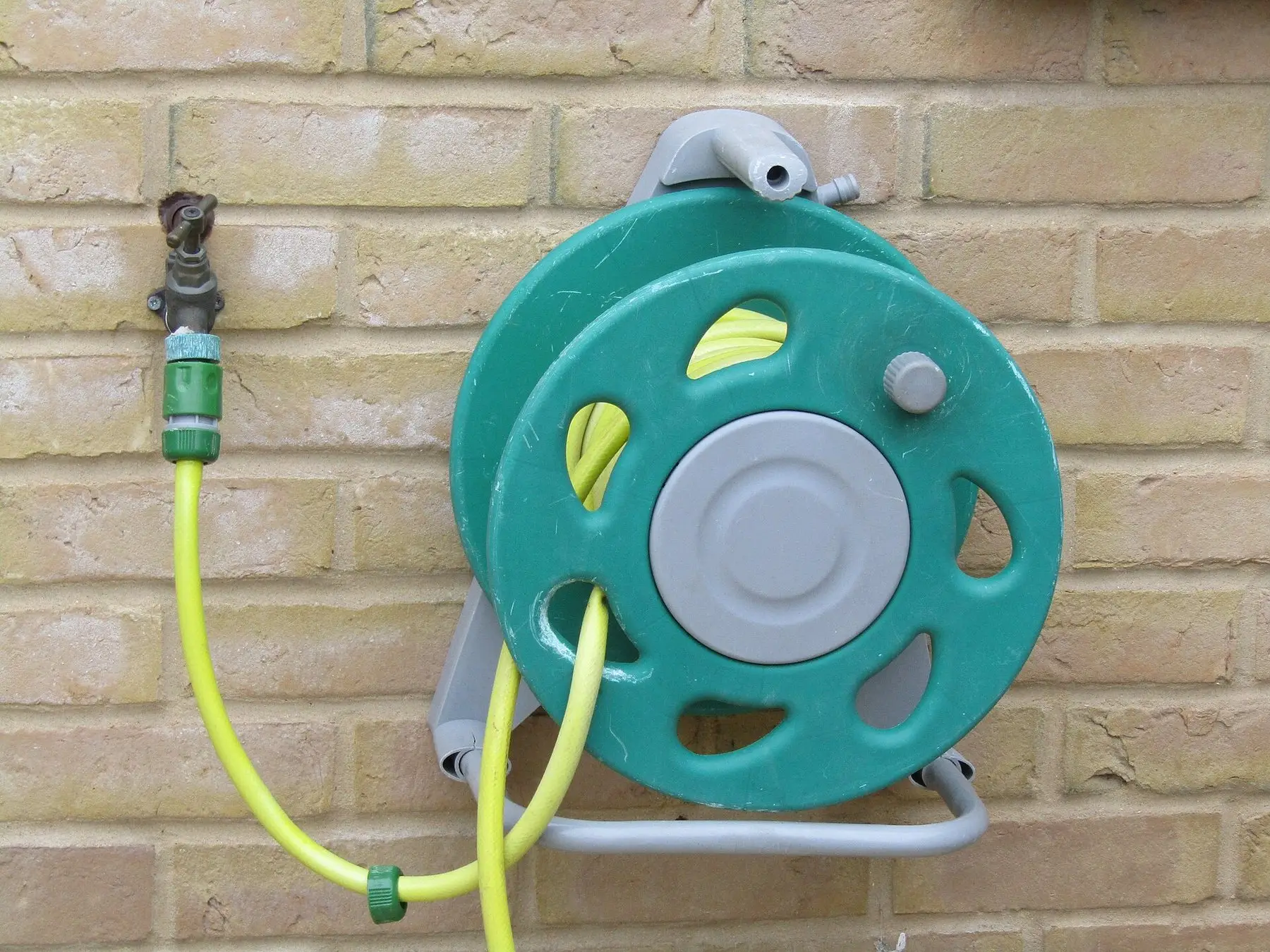
Garden Hose Reel — 4 Types and the Mount That Holds
A garden hose reel fails at the wall fixing, not the reel. 4 types compared on capacity, mounting and awkward gardens. See which suits your run.
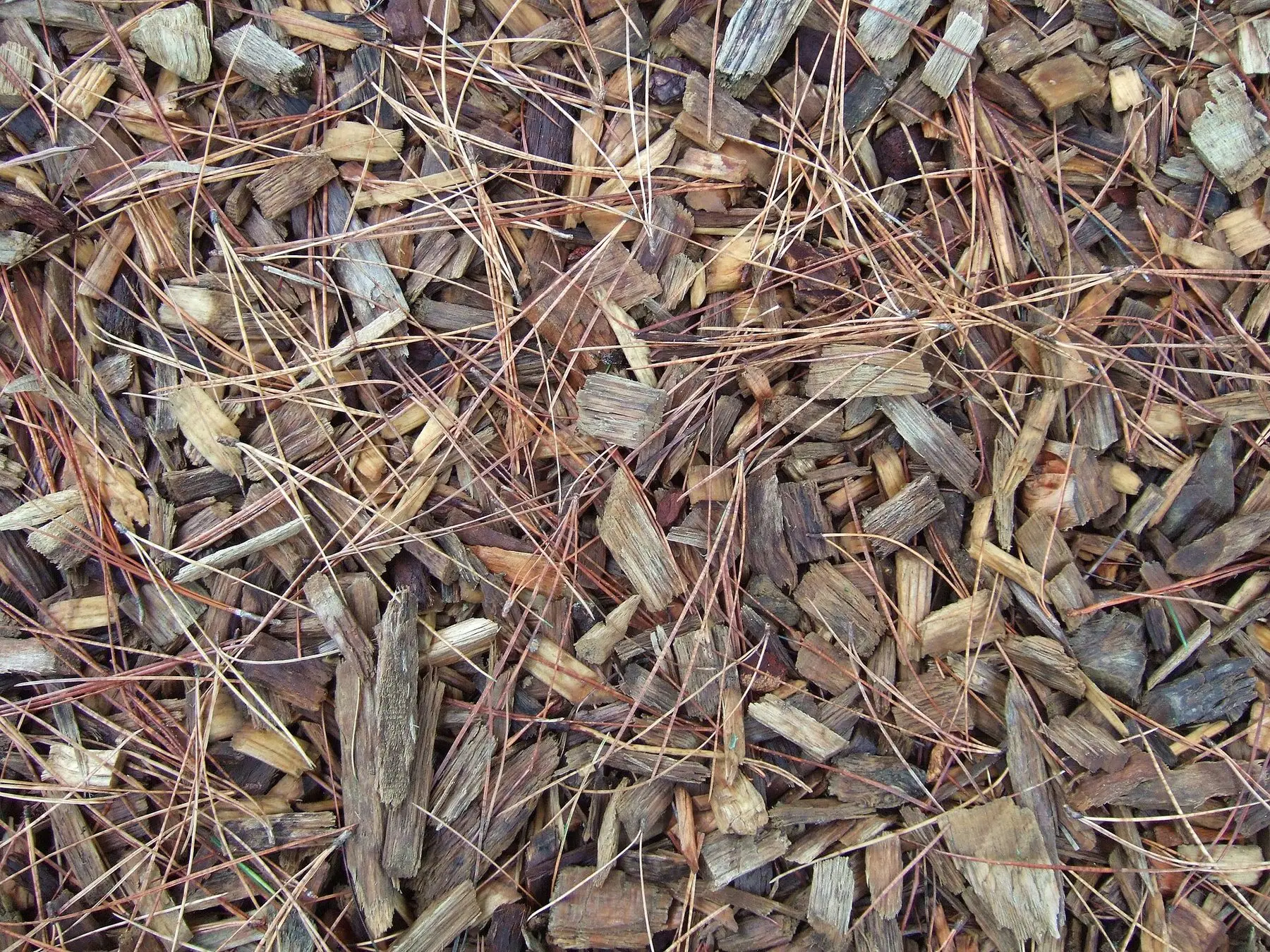
Wood Chips in the Garden: The Nitrogen Myth, Explained
Wood chips only rob nitrogen where they meet soil, so they are excellent as a surface mulch and a bad idea dug in. Where to use them, and which chips to avoid.
5 Types of Sprinkler Systems, and Which Suits Your Yard
Spray, rotor, rotary nozzle, drip and impact each water a different shape and rate. How to pick, and why mixing two types on one zone wastes water.