
What Grass Is Most Resistant to Dog Urine? Fescue and Rye
Tall fescue and perennial ryegrass tolerate urine better than Kentucky bluegrass or Bermuda. But watering the spot within hours beats any variety.
 By
On this page
Tall fescue and perennial ryegrass. Fescue roots deeply, which dilutes the dose; ryegrass is tough and germinates fast enough to fill damage. But watering the spot within a few hours beats any variety — the damage is a nitrogen overdose, not acidity.
Grass by tolerance
| Grass | Tolerance | Why |
|---|---|---|
| Tall fescue | Best | Deep roots dilute the dose; recovers fast |
| Perennial ryegrass | Very good | Tough, germinates quickly, fills damage |
| Kentucky bluegrass | Moderate | Spreads to repair, but burns readily |
| Bermuda | Moderate | Recovers well in heat; sensitive to the dose |
| Fine fescues | Worst | Shallow, fine, slow to recover |
The dark green ring tells you the mechanism
A burnt patch is usually surrounded by unusually lush, dark green grass. At the centre the urea dose scorches; a few centimetres out the same nitrogen is diluted enough to act as a feed. That ring is why acidity is the wrong explanation — and why urine-acidifying supplements miss the point.
What actually works
- Water the spot thoroughly within a few hours. This dilutes the urea below the burn threshold and is more effective than anything else available.
- Encourage the dog to drink more — weaker urine, smaller dose. Water added to food, bowl kept topped up.
- Train to one designated area of gravel or bark.
- Keep the lawn watered generally. Drought-stressed grass burns far more easily.
- Mow slightly higher. Deeper roots tolerate the dose better.
Be careful with urine-altering supplements
The ones that acidify urine do not address the cause, since the damage is nitrogen rather than pH, and some carry health concerns. Products that help mostly work by making the dog drink more — which you can do yourself for nothing. Discuss anything given regularly with a vet, not as a lawn product.
Male and female dogs
The composition is the same; the delivery differs. Females typically squat and put the whole volume in one place, concentrating the dose into a distinct burn. Males often mark smaller amounts in several spots, where it acts more like a feed.
That is why the usual advice about female dogs being harder on lawns has a real basis — it is about volume per spot, not chemistry.
Repairing a patch
- Rake out the dead material.
- Flush the area with plenty of water to leach the remaining salts.
- Topdress thinly with compost or topsoil.
- Reseed with the same grass type, keep damp until established.
- Keep the dog off it — usually the hardest part.
Patches smaller than a few centimetres often fill in on their own from the surrounding turf, if it is a spreading grass.
Common questions
What type of grass is most resistant to dog urine?
Why does dog urine kill grass?
How do you stop dog urine killing the grass?
Do dietary supplements for dog urine work?
Is female dog urine worse than male?
How do you repair a urine patch?
Backyard Weekly
Know what to plant, week by week
Join the weekly email for seasonal jobs, fixes for what is going wrong, and gear worth buying.
Not ready to subscribe? The planting calendar is free and needs no email.
By subscribing you agree to our privacy policy. Grow In Backyard will never sell your address.
Keep reading
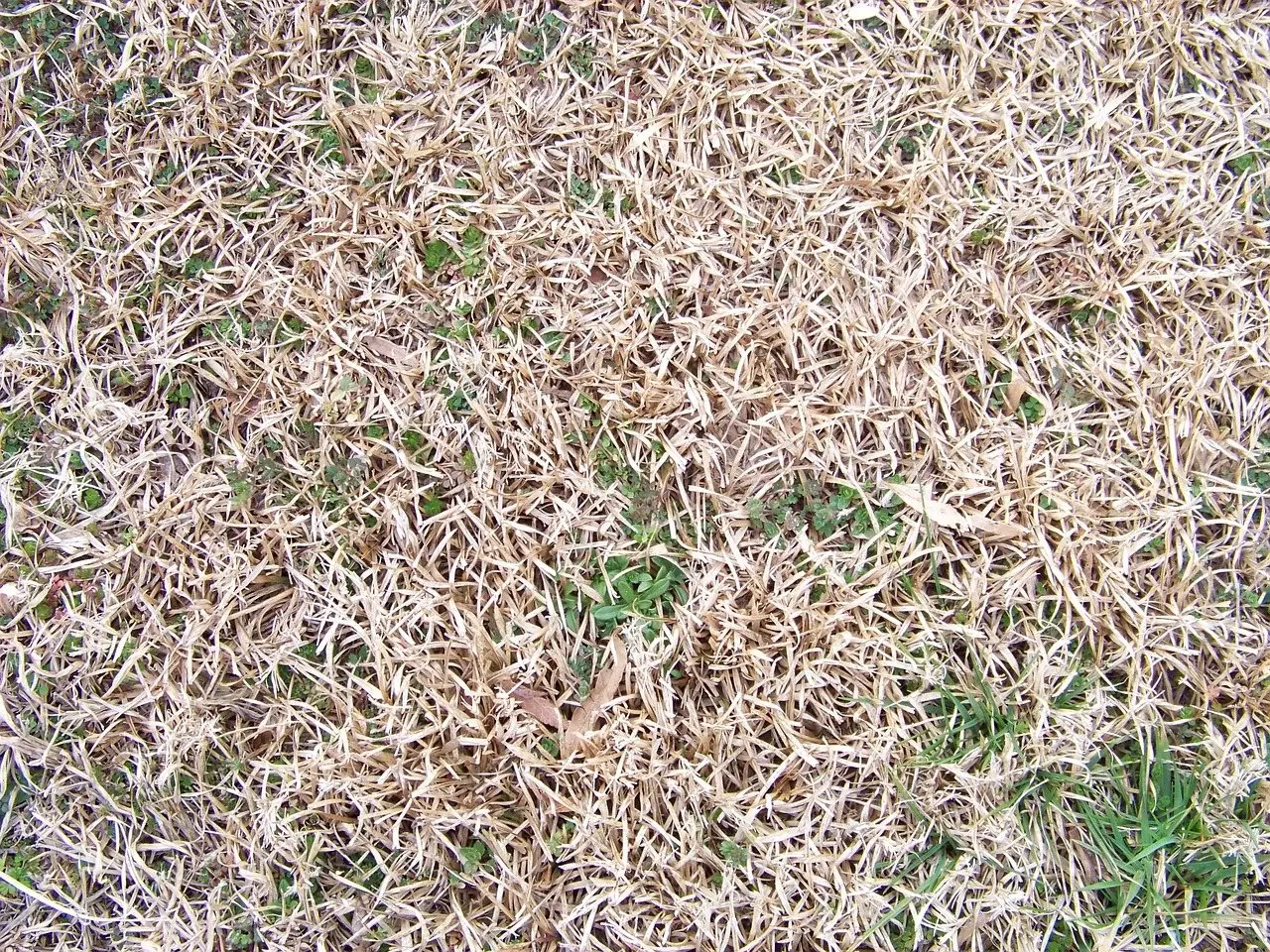
How Long Does It Take Burnt Grass to Grow Back?
Two to four weeks if the crowns survived, never if they did not. One tug on the dead grass tells you which situation you are in before you spend anything.
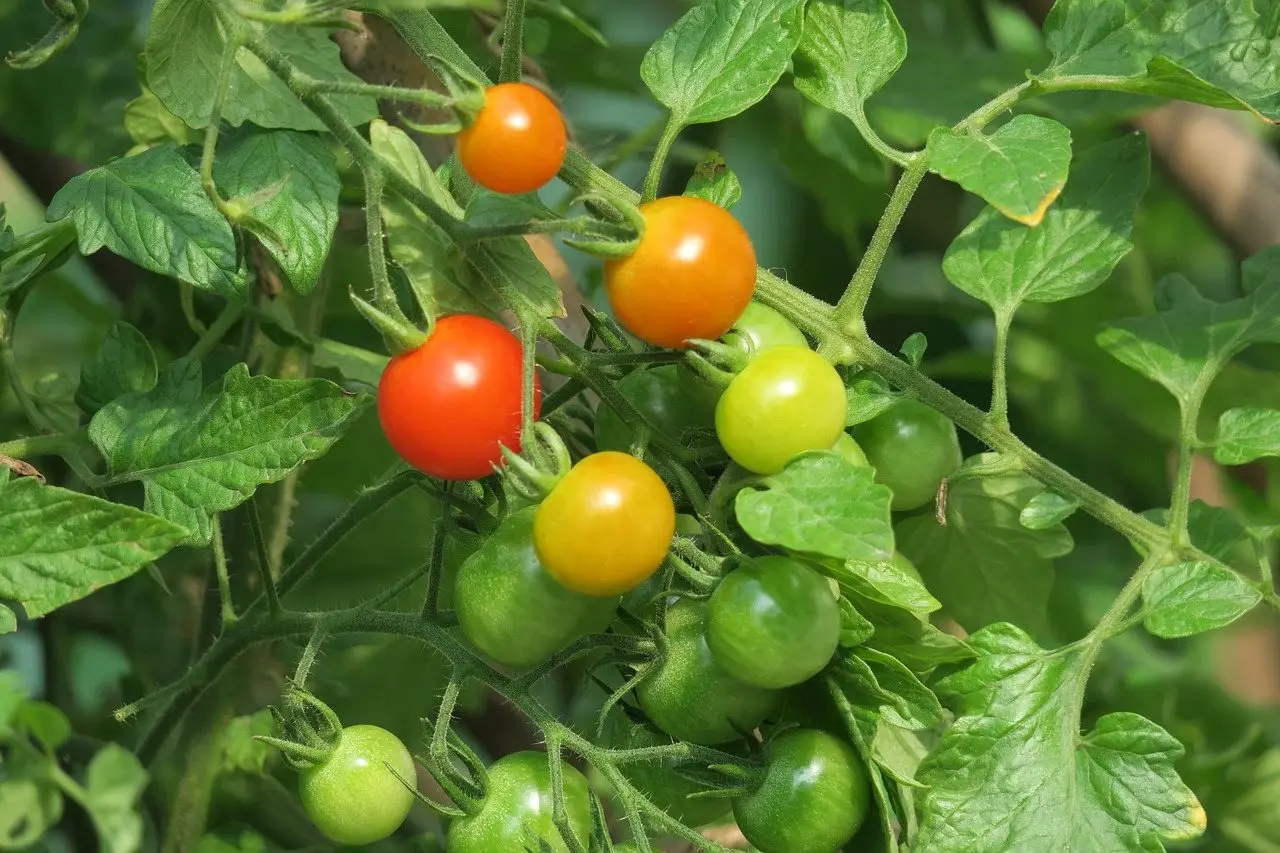
What Does Fertilizer Burn Look Like on Plants? Brown Tips
Scorched leaf tips and margins while the veins stay green, worst on the oldest leaves, days after feeding. Here is how to confirm it and what to do next.
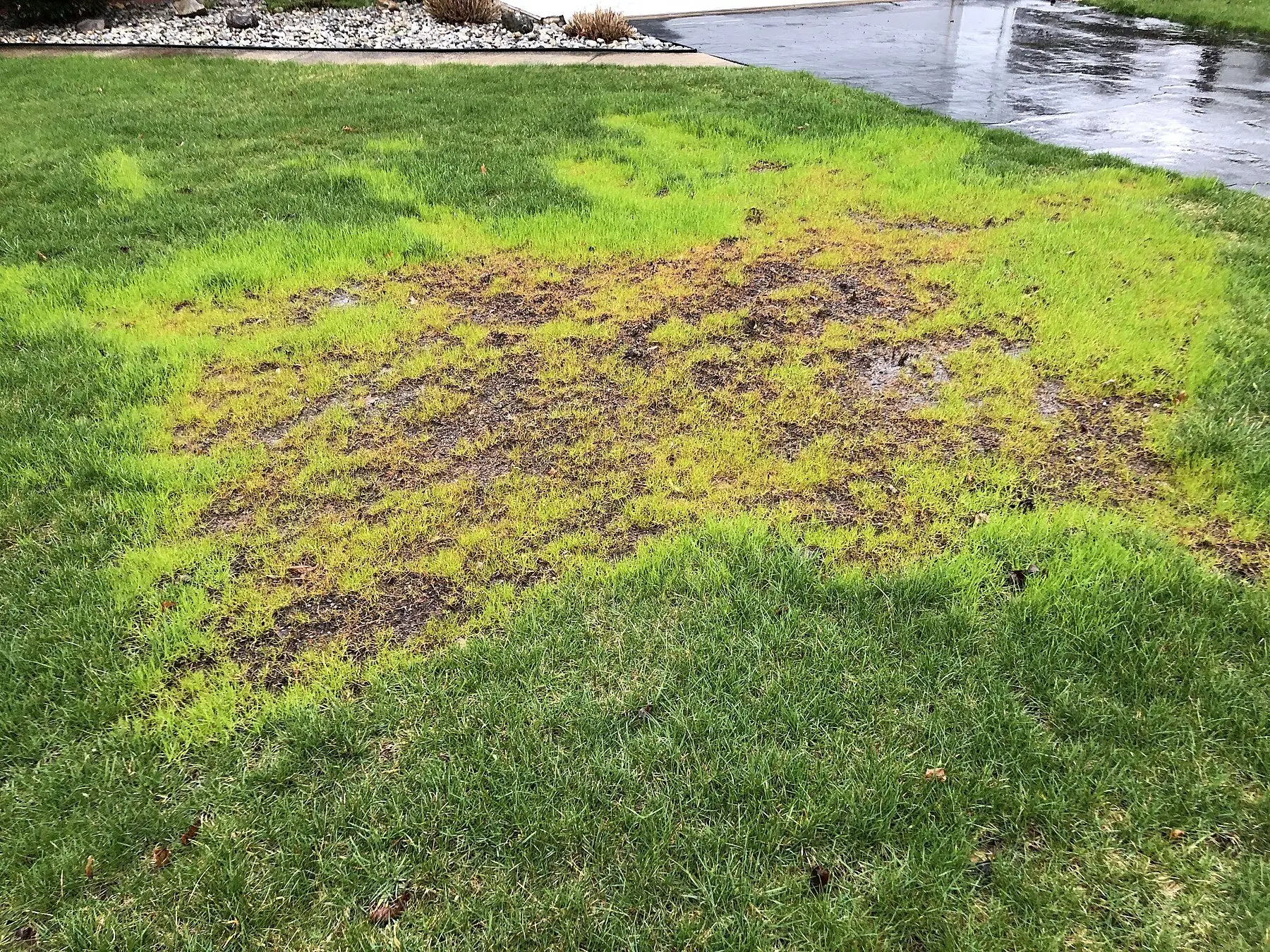
Can You Just Throw Grass Seed Down on an Existing Lawn?
You can, and most of it dies. What seed needs to actually germinate, and the twenty extra minutes that takes overseeding from 10% success to 70%.
Where Can I Dump Grass Clippings? Six Legal Options
Green waste collection, a compost heap, mulch or grasscycling. Dumping them in woods or a watercourse is illegal fly-tipping in most places.