
Where Can I Dump Grass Clippings? Six Legal Options
Green waste collection, a compost heap, mulch or grasscycling. Dumping them in woods or a watercourse is illegal fly-tipping in most places.
 By
On this page
Six legal options — and one genuinely illegal one that people do constantly without realising. Tipping clippings in woodland, on a verge or over a back fence is fly-tipping, not composting.
The six options
| Option | Notes |
|---|---|
| Leave on the lawn | No effort. Returns ~25% of annual nitrogen |
| Council / municipal green bin | Check what your scheme accepts |
| Own compost heap | Must be mixed with browns |
| Thin mulch on beds | Dry them first, go thin |
| Recycling centre | For a big one-off clearance |
| A neighbour with a heap | They are usually glad of it |
Why tipping them is an offence
Garden waste is controlled waste, natural or not
Tipping it on land you do not own — woodland, a verge, common ground, a field — is fly-tipping. UK penalties run from fixed penalty notices to prosecution; US municipalities typically cite under dumping or stormwater ordinances.
“It is only grass” is not a defence anywhere.
And the ecological case is stronger than people expect:
- A pile smothers woodland flora outright
- As it rots it enriches low-fertility soil, so nettles and brambles replace what was there
- Near water it is worse — nitrogen and phosphorus run off and feed algal blooms, which strip oxygen and kill fish
- Lawn herbicide residues travel with them into both
Grasscycling, and the myth about thatch
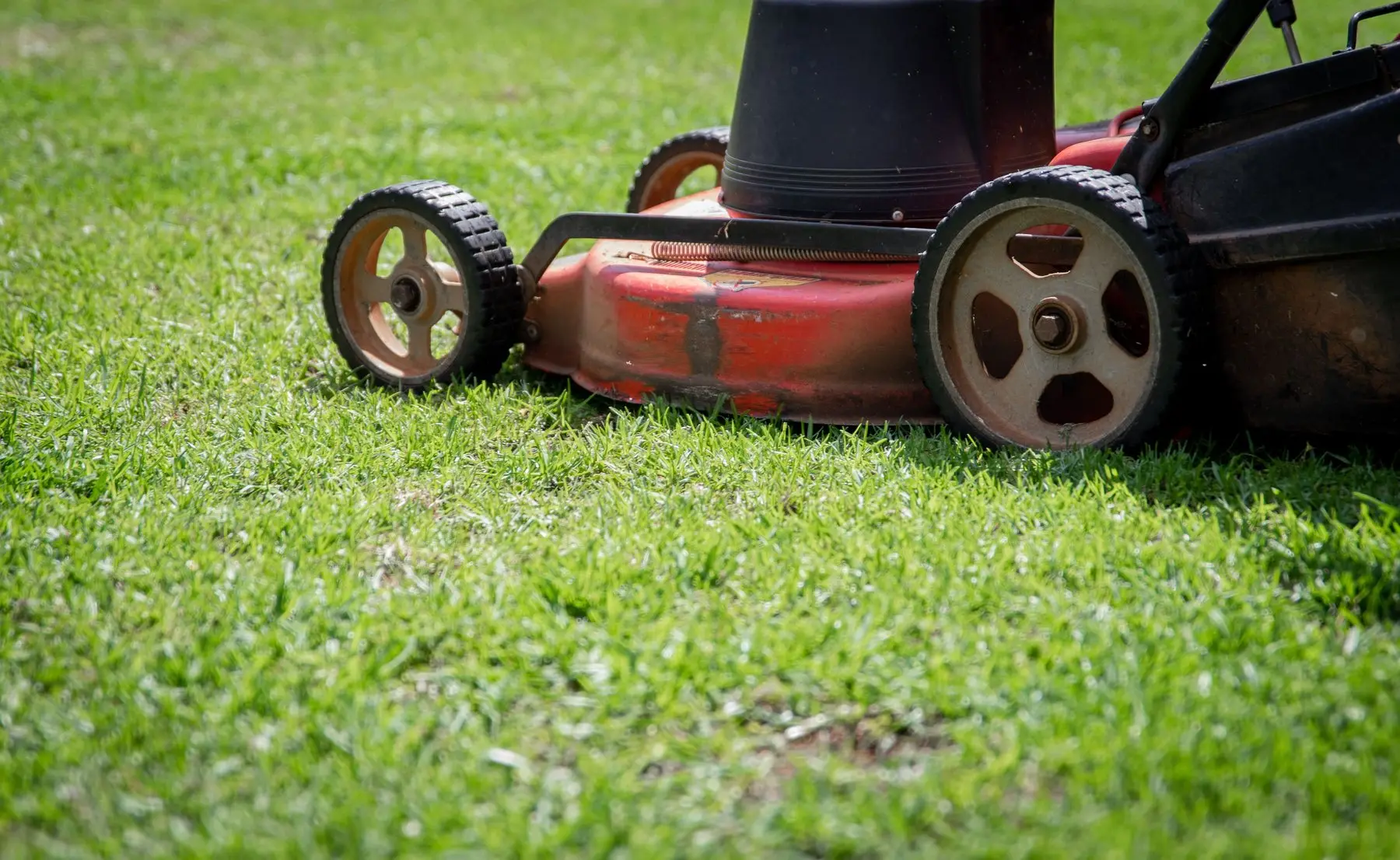
Leaving clippings where they fall returns roughly a quarter of the lawn’s annual nitrogen for no work at all.
Clippings do not cause thatch
This is the standard objection and it is wrong. Thatch is built from roots and stems, which are slow to break down. Clippings are mostly water and rot away in days.
It works as long as you cut often enough to remove no more than a third of the blade, so the clippings are short and fall through to soil level instead of lying in mats.
Composting them
Never a heap of pure clippings — it compacts into a wet anaerobic mat, smells of ammonia, and takes months.
- Roughly equal volumes with a brown — dry leaves, shredded cardboard, straw
- Add in layers, not one dump after mowing
- Balanced, they are an excellent nitrogen source and heat a heap fast
The herbicide problem
Some lawn weed killers survive composting intact
The aminopyralid and clopyralid group passes through a compost heap unchanged and will damage tomatoes, beans and potatoes grown in that compost a year later.
Keep treated clippings out of compost and off vegetable beds for at least three or four mowings, and follow the interval on the product label.
Grasscycling or the green bin is the safe route in the meantime.
Common questions
Where can I dump grass clippings?
Is it illegal to dump grass clippings in the woods?
Why are grass clippings bad for woodland and waterways?
What is the easiest thing to do with grass clippings?
Can you put grass clippings in a compost heap?
What if the lawn has been treated with weed killer?
Backyard Weekly
Know what to plant, week by week
Join the weekly email for seasonal jobs, fixes for what is going wrong, and gear worth buying.
Not ready to subscribe? The planting calendar is free and needs no email.
By subscribing you agree to our privacy policy. Grow In Backyard will never sell your address.
Keep reading
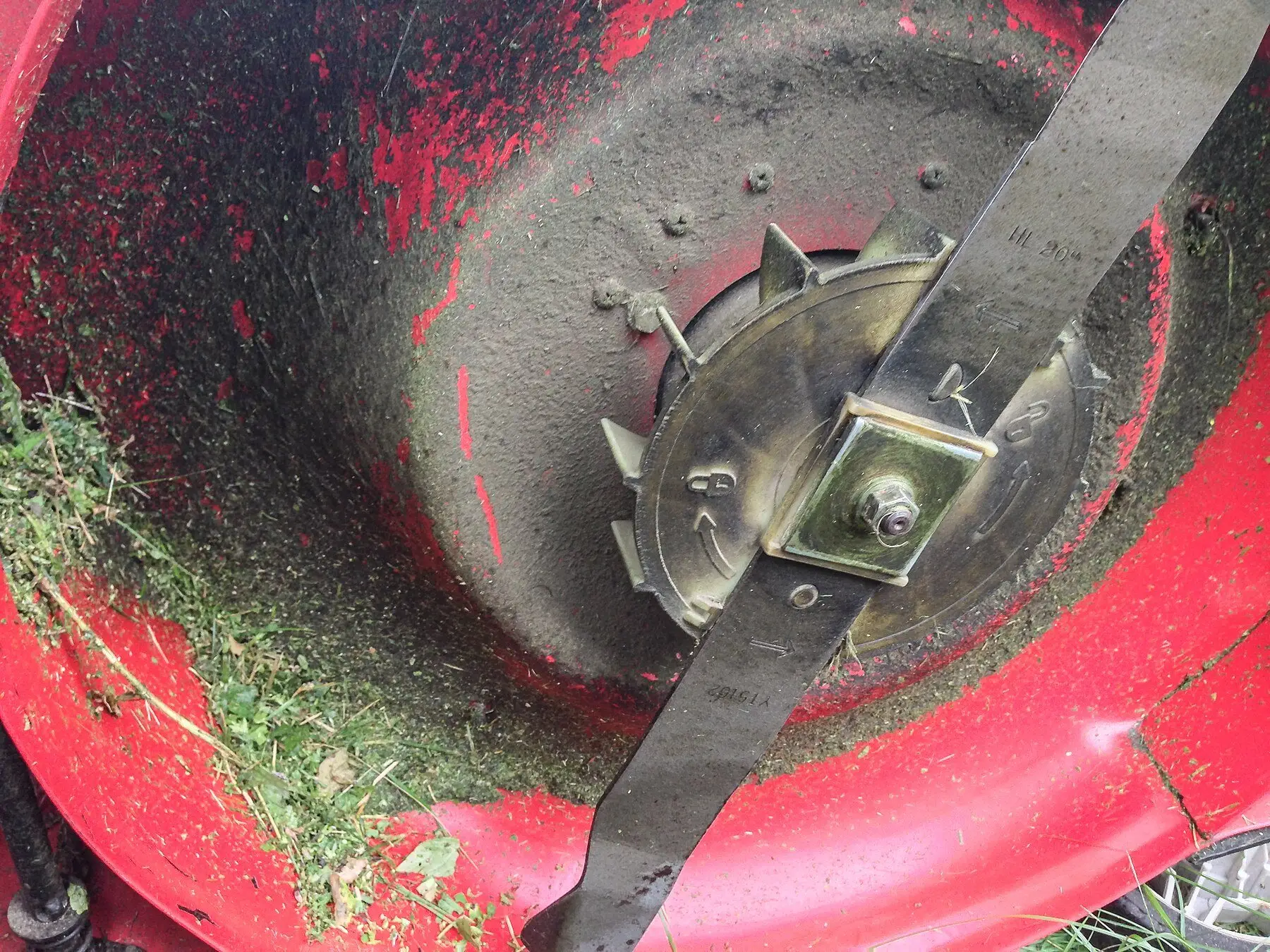
Grass Clippings as Mulch — 3 Rules for a Thin Layer
Grass clippings as mulch mat and sour unless dried and spread thin. 3 items make that easy. See how to use what the mower already produces.
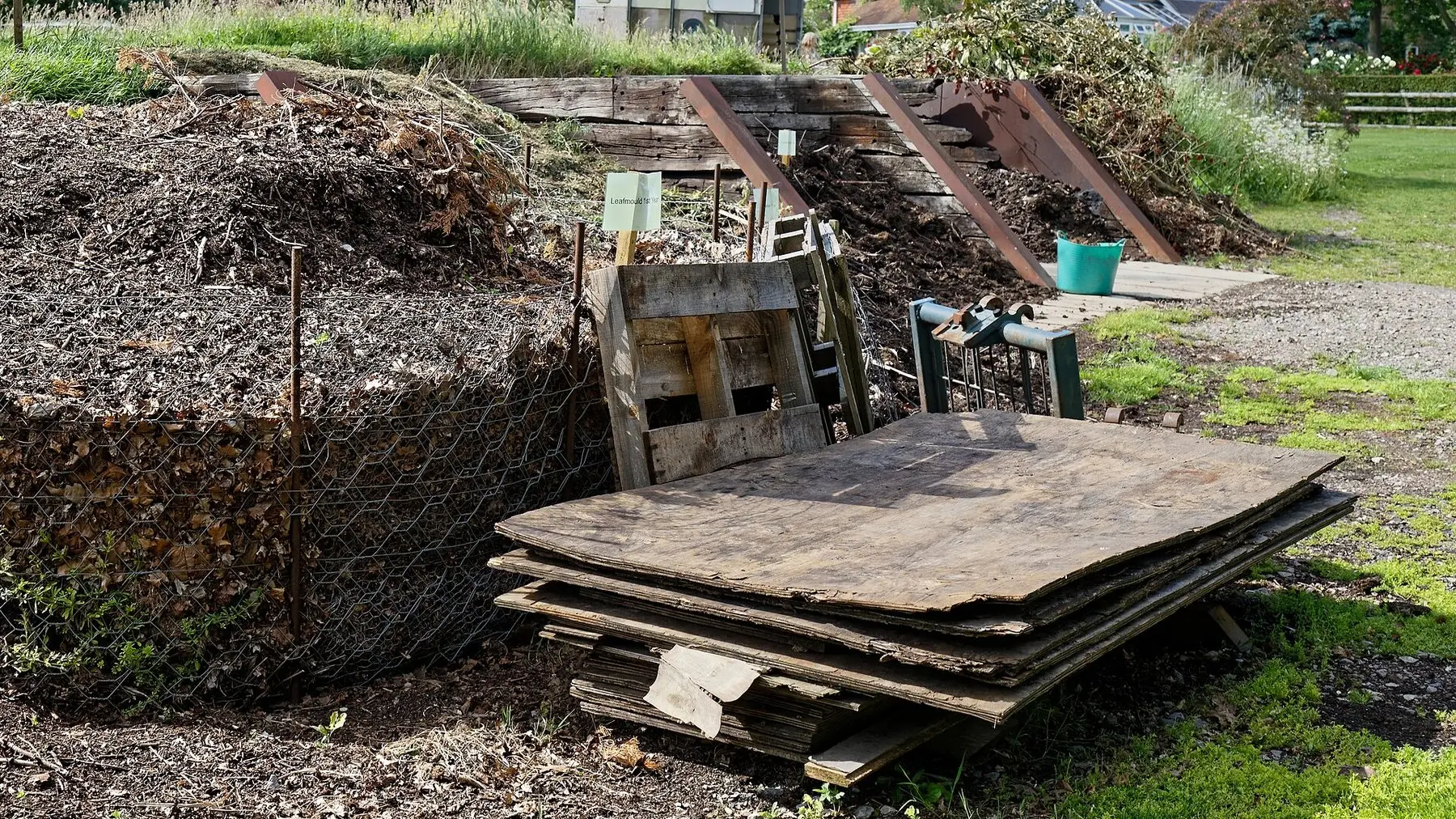
How to Make a Compost Bin — 4 Parts, 3 Designs
How to make a compost bin: pick the design, then size it for the heat. 4 parts cover all 3 builds. See which suits the space you have.
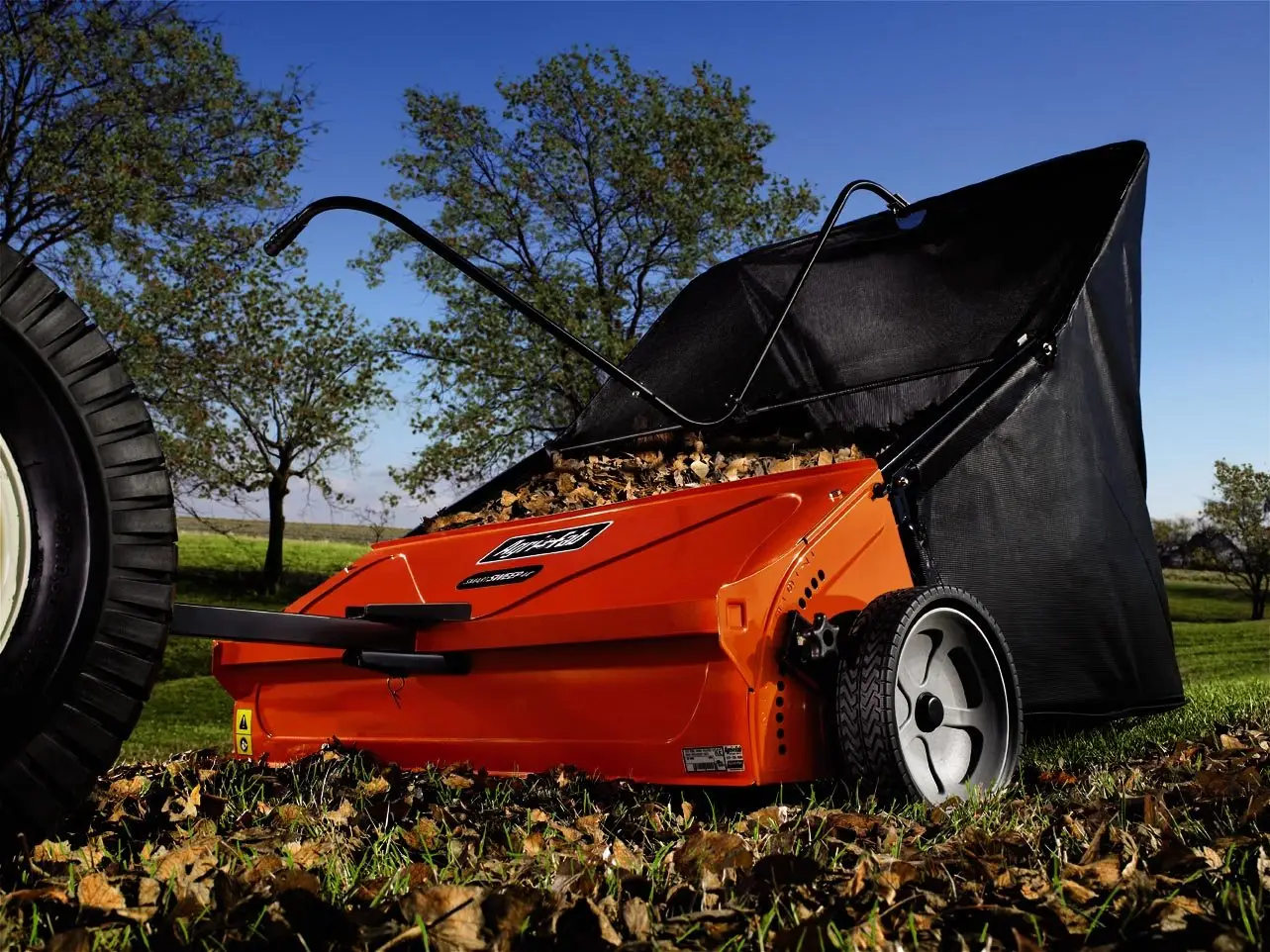
Lawn Sweeper: What It Does That a Rake and Mower Can't
A sweeper brushes debris into a hopper as you tow or push it. Where it beats bagging leaves, where it fails, and the brush height that decides whether it works.
Why Is Artificial Grass Bad? Heat, Drainage and Dead Soil
Plastic turf gets dangerously hot, kills the soil life beneath it, sheds microplastics and has no realistic recycling route at end of life.