
Why Is Artificial Grass Bad? Heat, Drainage and Dead Soil
Plastic turf gets dangerously hot, kills the soil life beneath it, sheds microplastics and has no realistic recycling route at end of life.
 By
On this page
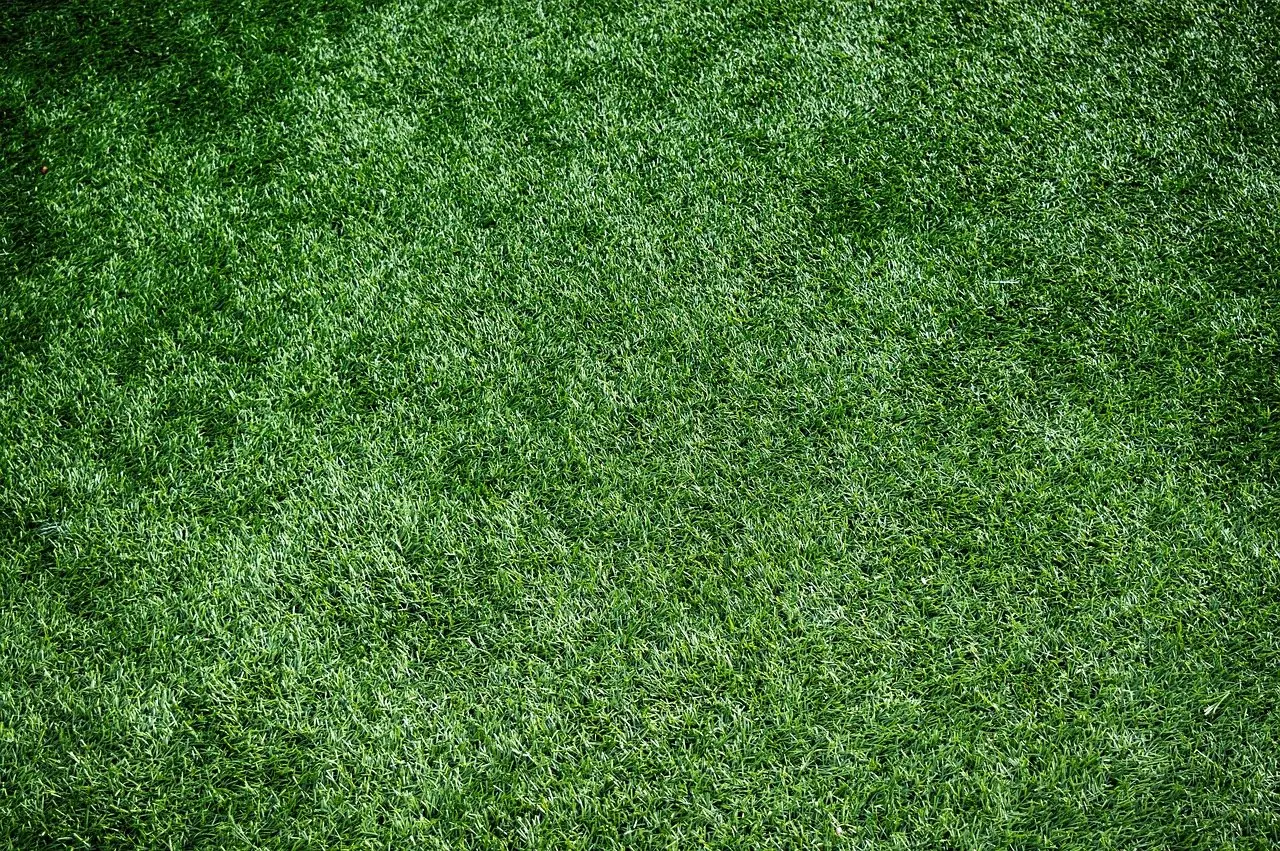
Four consistent problems: heat, dead soil, microplastics and disposal. It runs 20–40°C hotter than real grass in sun, excludes air, water and life from the soil beneath, sheds fibres as it degrades, and has no realistic recycling route.
The four problems
| Real grass | Artificial | |
|---|---|---|
| Surface temp in full sun | Cooled by transpiration | +20–40°C, often 60°C+ |
| Soil beneath | Living — worms, fungi, roots | Excluded by membrane |
| Water | Absorbs and stores | Drains if installed well; clogs over years |
| Carbon | Stores it | None |
| Wildlife | Worms, insects, feeding birds | None |
| End of life | — | Landfill or incineration |
| Maintenance | Mowing, feeding | Brushing, rinsing, pet waste |
The heat is the one people underestimate
Real grass cools itself by transpiring water. Plastic cannot, so the gap widens exactly when it matters most — on the hottest days. Surface temperatures above 60°C are common, which burns bare feet and dogs’ paws, and it radiates heat into the surrounding space rather than cooling it.
Drainage, honestly
A correctly installed system drains well through perforations into a compacted aggregate base. The problem is that installation quality varies a great deal, and:
- A poorly laid base pools water or sheds it somewhere unwanted
- Over several years the perforations clog with dust, moss, pet waste and organic debris
- Cleaning a clogged system is awkward, and a waterlogged plastic lawn smells
What happens underneath
Nothing photosynthesises, and the membrane excludes air, water and organisms. There is no light, no plant growth and no food chain — so that area stops contributing worms, insects, soil fungi or the birds that feed on them, and stops storing carbon and absorbing rainfall.
In a garden where plastic covers most of the ground, the change in what visits is immediate.
Disposal
Why it is almost never recycled
It is a bonded combination of polyethylene or polypropylene fibres, a backing, adhesive and often rubber or sand infill. Separating those economically is difficult, so the great majority of lifted turf is landfilled or incinerated. A handful of specialist recyclers exist; they are not widely accessible.
With a typical life of 8–15 years, that bill arrives sooner than most buyers expect.
Better answers to the actual problem
Match the alternative to why the real lawn was failing:
- Heavy shade → shade-tolerant seed mix, ground cover such as ajuga or vinca, or bark with stepping stones
- Heavy wear → tall fescue or a rye-dominant mix, plus reinforcement at the worst points
- Low maintenance → clover or microclover, which stays green in drought and needs little mowing
- Small courtyard → gravel with planted pockets
Each of these keeps the soil alive
Which is the thing plastic cannot do, and the thing that is hardest to get back once it has been membraned over for a decade.
Common questions
Why is artificial grass bad?
How hot does artificial grass get?
Does artificial grass drain properly?
Is artificial grass bad for wildlife?
Can artificial grass be recycled?
What are the alternatives?
Backyard Weekly
Know what to plant, week by week
Join the weekly email for seasonal jobs, fixes for what is going wrong, and gear worth buying.
Not ready to subscribe? The planting calendar is free and needs no email.
By subscribing you agree to our privacy policy. Grow In Backyard will never sell your address.
Keep reading
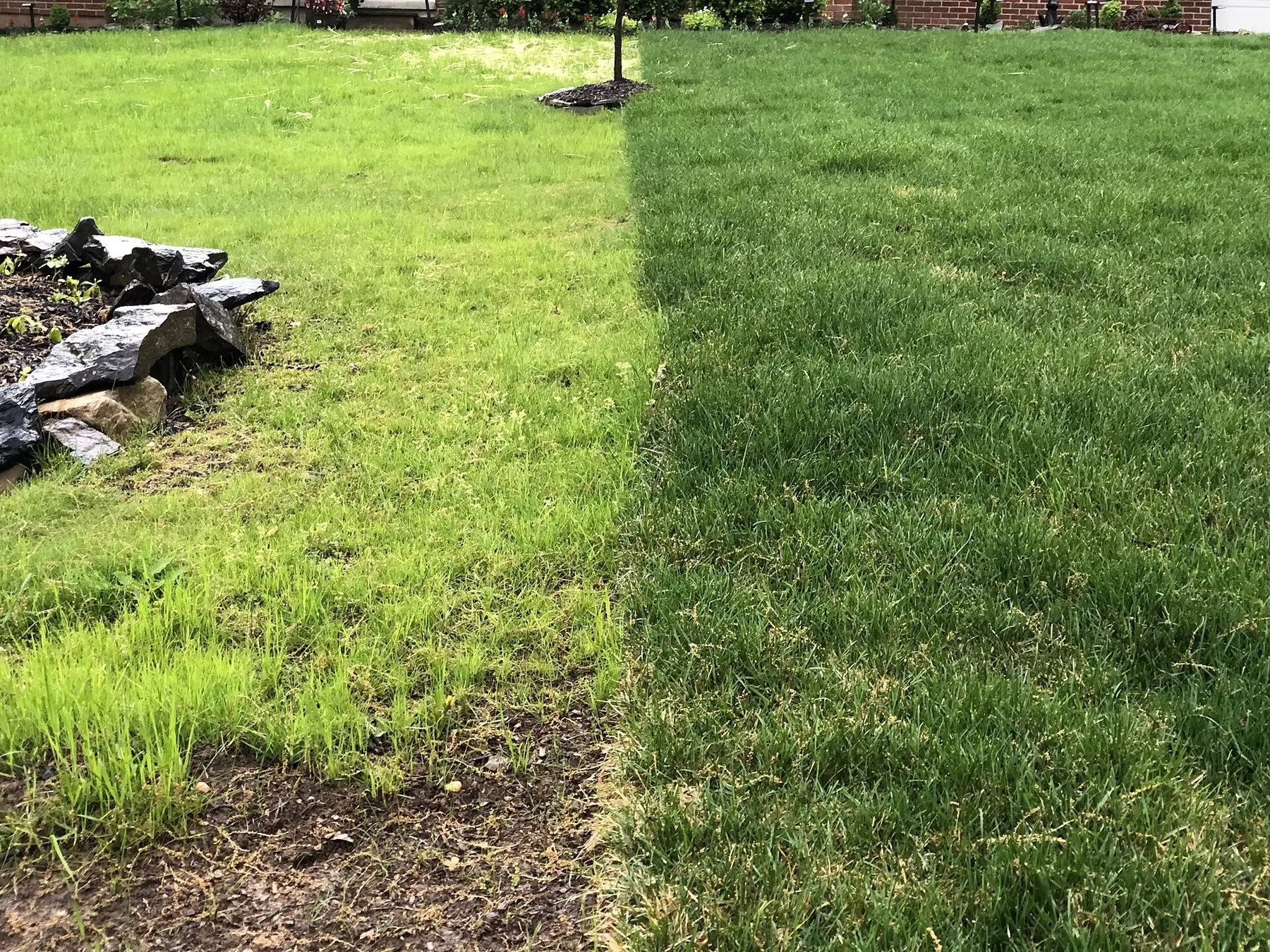
How to Plant Grass Seed So It Actually Comes Up
Seed fails from poor contact and a surface that dried out once, not from bad seed. Soil prep, sowing rates, and the watering routine that carries it to germination.
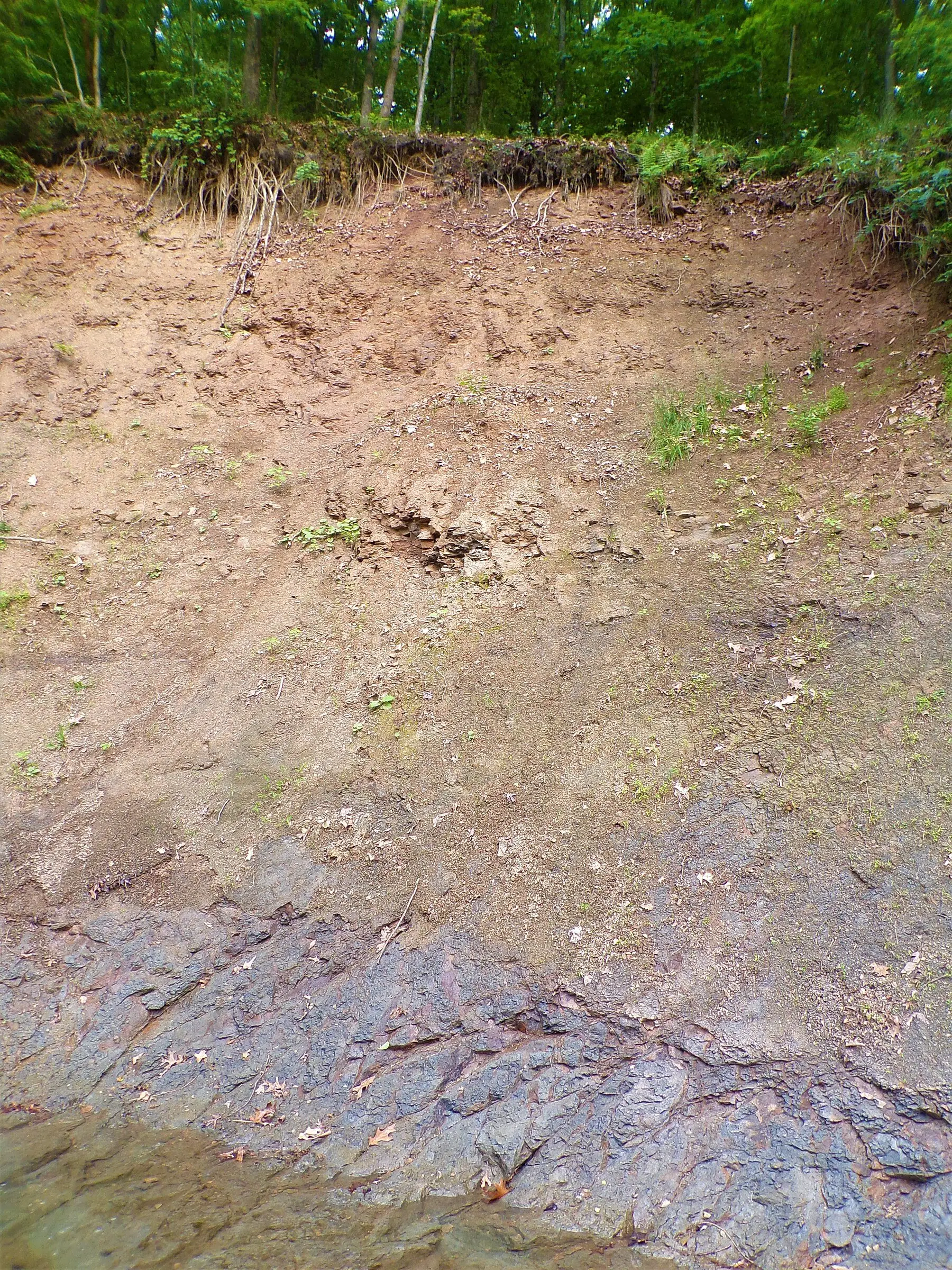
What Is Silt Soil? The One That Grows Well and Compacts
Silt holds water and nutrients like clay but drains better, and turns to concrete underfoot. How to identify it by feel and work it without ruining it.
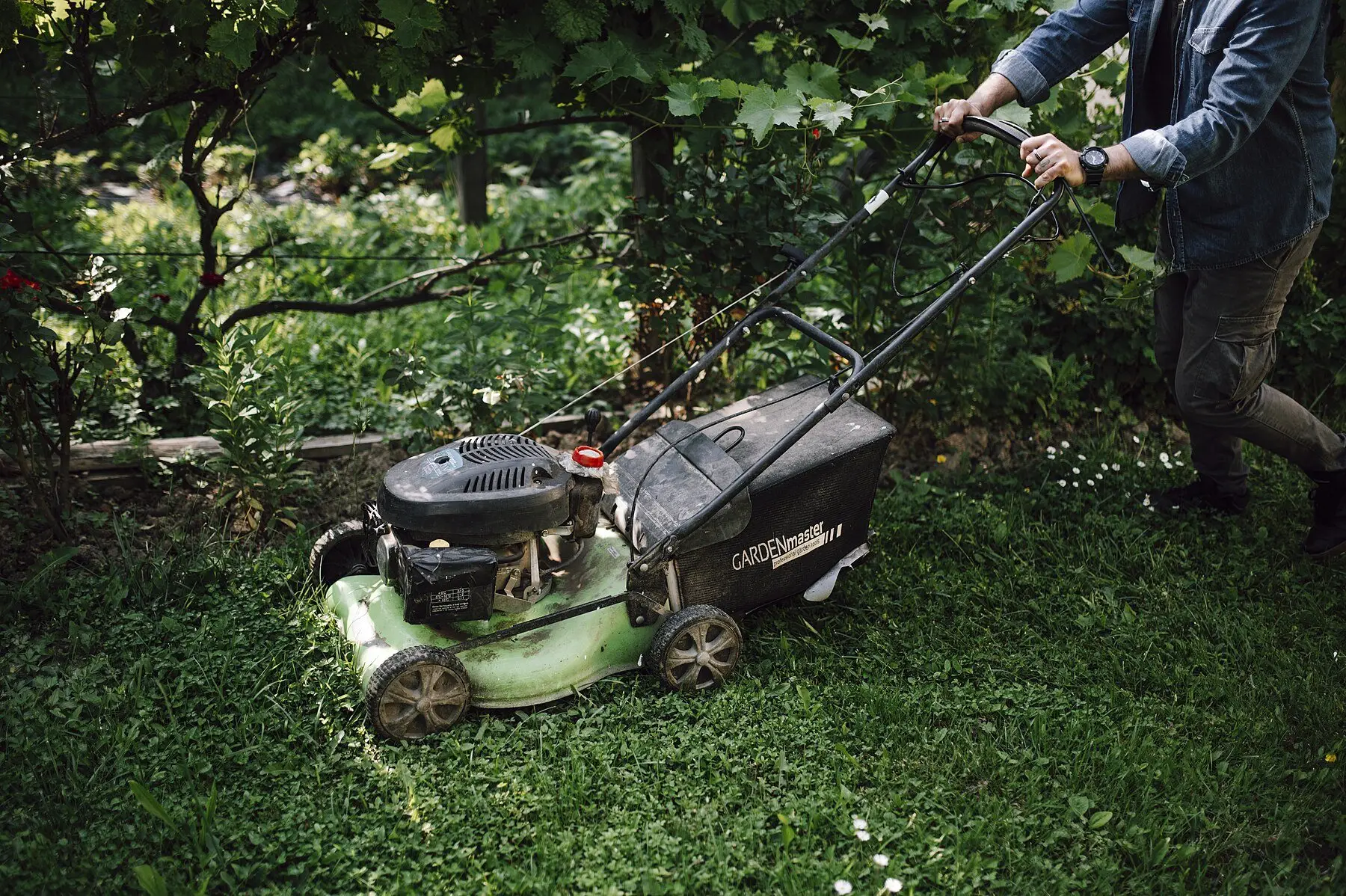
How to Level a Yard: Topdressing, and When to Regrade
Most bumps are fixed with half an inch of topdressing at a time. The soil mix, why you cannot bury grass, and the drainage question to ask first.
Will Epsom Salt Kill Grass? Not Really — and That's the Problem
Epsom salt is magnesium sulfate, not a herbicide. It won't reliably kill grass, and the vinegar-and-Epsom recipes work through the vinegar.