
Can You Just Throw Grass Seed Down on an Existing Lawn?
You can, and most of it dies. What seed needs to actually germinate, and the twenty extra minutes that takes overseeding from 10% success to 70%.
 By

On this page
You can. It is just a poor use of a bag of seed — perhaps one seed in ten will make it.
The reason is simple and fixable: a grass seed needs to touch soil. Thrown onto an existing lawn, most of it lands on thatch and leaf blades, sits there drying out between waterings, and gets eaten.
Why bare broadcasting fails
A seed needs three things: contact with soil, consistent moisture, and light for some species.
Scattered on an established lawn it gets none of them reliably:
- It lands on thatch — the dense layer of stems and roots at the base of the grass — and never reaches soil.
- It sits exposed, drying out within hours between waterings.
- Birds eat it. Visibly and quickly.
- Even if it germinates, the seedling has to push a root through thatch before it finds anything to live on.
The twenty minutes that changes it
| Preparation | Effort | Rough establishment |
|---|---|---|
| Throw and hope | 5 min | ~10% |
| Mow short, rake vigorously | 30 min | ~40–50% |
| Scarify / dethatch | 1 hr | ~60% |
| Core aerate | 1–2 hrs | ~70%+ |
Core aeration is the best of these for a lawn that gets walked on. It pulls plugs of soil out, which relieves compaction, and each hole is an ideal seed pocket — moist, shaded and in direct contact with soil.
If you are renting a machine anyway, aerate and overseed on the same day.
Doing it properly
1. Mow short — about 1.5 inches — and bag the clippings. Light needs to reach the soil.
2. Rake hard, scarify, or aerate. You are looking to see soil between the grass plants. If you cannot see any, you have not done enough.
3. Spread seed at about half the new-lawn rate — typically 3–5 lb per 1,000 sq ft for tall fescue. Two passes at right angles to each other gives even coverage; one heavy pass gives you stripes.
4. Topdress lightly with ¼ inch of compost if you want to improve the soil at the same time. Do not bury the seed deeper than that.
5. Water little and often until germination — usually once or twice a day to keep the surface damp. Then switch to deeper, less frequent watering to drive roots down.
6. Stay off it, and delay the first mow until the new grass is about 3 inches.
Weed-and-feed and new seed cannot coexist
The pre-emergent herbicide in weed-and-feed products works by preventing seeds germinating. It cannot distinguish a crabgrass seed from the grass seed you just paid for. Leave at least 6–8 weeks between a pre-emergent application and overseeding, in either direction — and read the label, since some are longer.
Timing
Early autumn is the best window of the year for cool-season grasses — fescue, ryegrass, bluegrass. Soil is still warm enough for fast germination, air temperatures are dropping, autumn rain is arriving, and the summer weeds that would compete are finishing.
Spring works but is second-best: seedlings go into summer with a root system a few months old.
Warm-season grasses — bermuda, zoysia, St Augustine — invert this. Late spring into early summer, as soil temperatures climb.
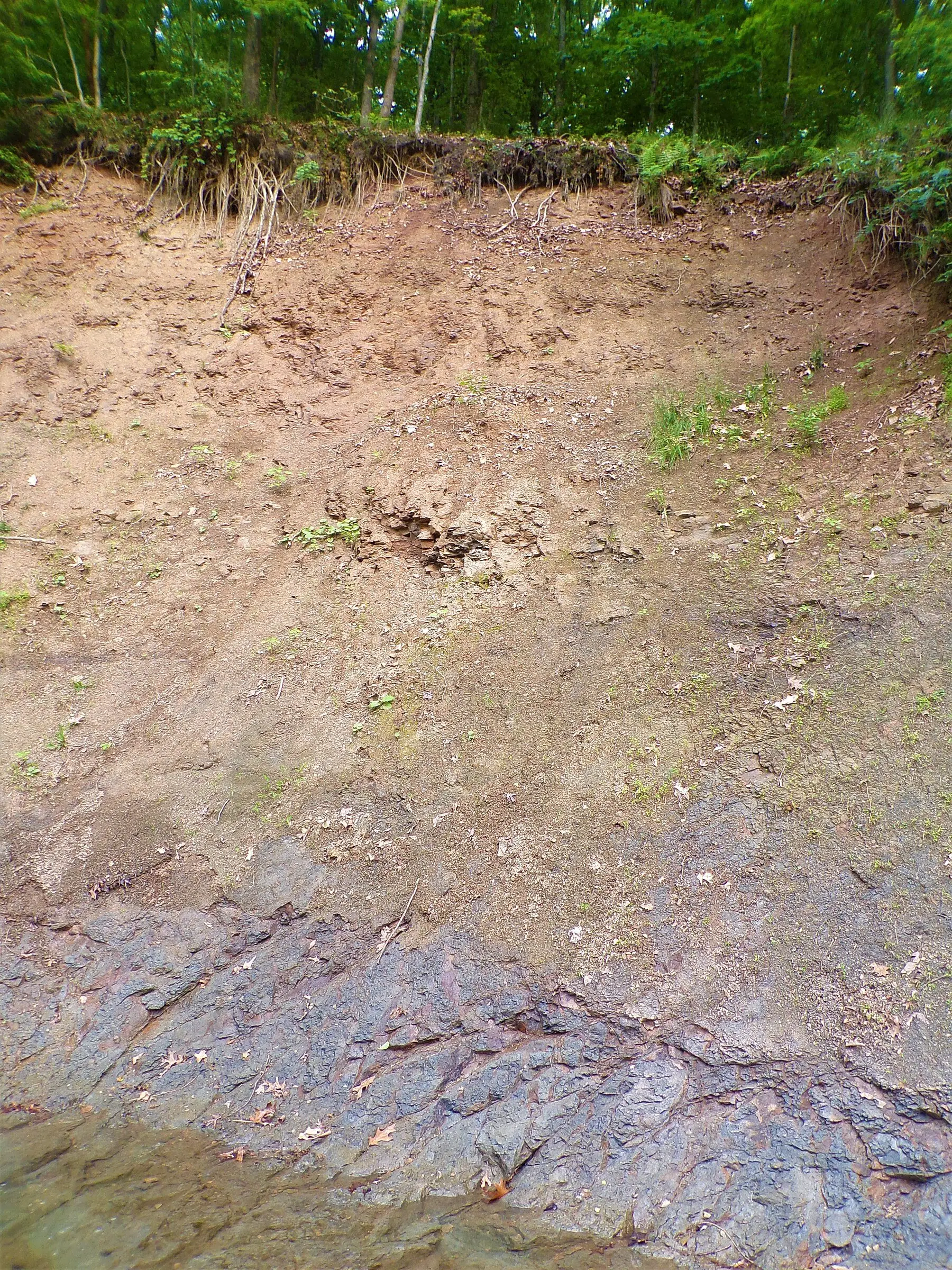
Soil type is often the reason, and silt behaves differently from clay or sand for seeding — see what is silt soil.
If the lawn is thin for a reason
Overseeding fixes thin grass. It does not fix why the grass is thin.
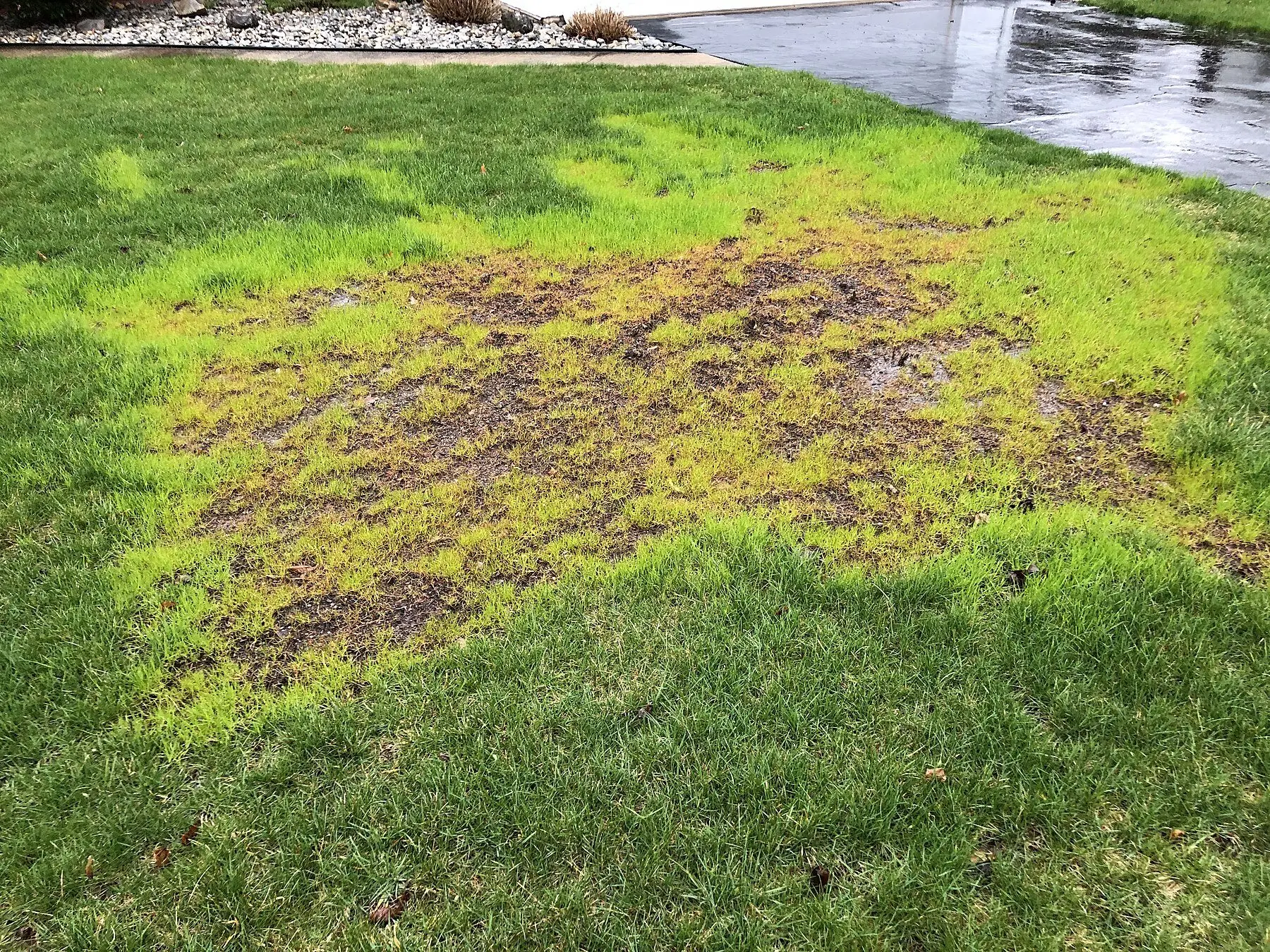
If the cause is compaction, shade, poor drainage, a pH problem, or grubs, the new seedlings will struggle exactly as the old grass did. Worth a few minutes’ diagnosis before you spend on seed — and a soil test, if it has been a few years.
Common questions
Can you just throw grass seed on an existing lawn?
What is the best time to overseed a lawn?
Do I need to rake before overseeding?
How long does overseeded grass take to come up?
Should I fertilize when I overseed?
How much seed do I need for overseeding?
Backyard Weekly
Know what to plant, week by week
Join the weekly email for seasonal jobs, fixes for what is going wrong, and gear worth buying.
Not ready to subscribe? The planting calendar is free and needs no email.
By subscribing you agree to our privacy policy. Grow In Backyard will never sell your address.
Keep reading
What Is Silt Soil? The One That Grows Well and Compacts
Silt holds water and nutrients like clay but drains better, and turns to concrete underfoot. How to identify it by feel and work it without ruining it.
How to Plant Grass Seed So It Actually Comes Up
Seed fails from poor contact and a surface that dried out once, not from bad seed. Soil prep, sowing rates, and the watering routine that carries it to germination.
How Long Does Grass Seed Take to Grow? (5–30 Days)
Germination runs 5–30 days depending on the grass type — ryegrass in under a week, bluegrass up to a month. Here is the timeline and what actually delays it.
Grass Clippings as Mulch — 3 Rules for a Thin Layer
Grass clippings as mulch mat and sour unless dried and spread thin. 3 items make that easy. See how to use what the mower already produces.