How Long Does Grass Seed Take to Grow? (5–30 Days)
Germination runs 5–30 days depending on the grass type — ryegrass in under a week, bluegrass up to a month. Here is the timeline and what actually delays it.
On this page
Grass seed germination is not one number — it ranges from five days to a month depending entirely on which grass is in the bag. Most “my seed did not come up” problems are actually people checking a bluegrass lawn at day ten.
Germination time by grass type
| Grass | Germination | Sow when soil is | Notes |
|---|---|---|---|
| Perennial ryegrass | 5–10 days | 50–65°F | Fastest; often the “nurse grass” in mixes |
| Tall fescue | 7–14 days | 55–65°F | Deep-rooted, best drought tolerance |
| Fine fescue | 7–14 days | 50–65°F | The shade option |
| Kentucky bluegrass | 14–30 days | 55–65°F | Slowest, but self-repairing once established |
| Bermuda (warm season) | 7–21 days | 65–70°F | Sow late spring, not fall |
| Zoysia (warm season) | 14–21 days | 70°F+ | Slowest to establish overall |
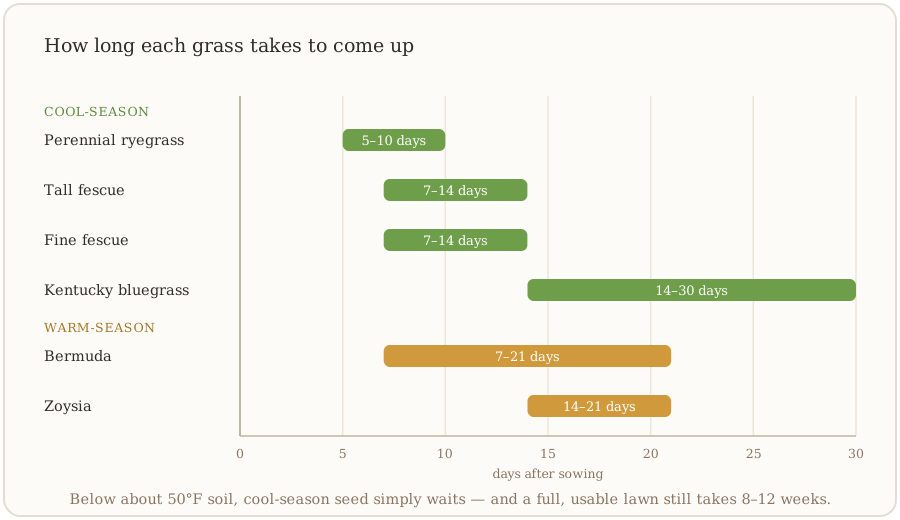
Most bags are a blend, so you will see ryegrass appear in a week and assume the job is done, then a second wave of bluegrass arrives a fortnight later. That staggering is deliberate and normal.
The timeline after sowing
- Days 1–3 — nothing visible. The seed is taking up water.
- Days 5–10 — first ryegrass blades, thin and pale.
- Days 14–21 — the stand thickens; slower species emerge.
- Days 21–30 — bluegrass fills in. Reaches 3 inches.
- Weeks 4–6 — first mow, at 3–4 inches.
- Weeks 8–12 — usable lawn. Light traffic is fine.
- Season 2 — full density and colour.
One dry-out is fatal
A germinating seed has broken its coat and pushed out a root a few millimetres long. If the surface dries even once at that stage, the seedling dies and will not restart. This is the single most common reason a sowing fails, and it is why frequency matters more than volume — two or three light waterings a day beat one heavy soak.
What actually delays germination
Soil temperature, not air temperature. Cool-season grasses need soil consistently above 50°F. Early spring air can feel warm while the soil is still at 45°F, and seed will simply sit there. Late summer to early fall is the best window in most of the US: warm soil, cooler air, and autumn rain.
Seed-to-soil contact. Seed sitting on thatch or leaves germinates poorly. Rake the surface to expose soil before sowing, then rake lightly again or top-dress with a quarter inch of compost.
Depth. Grass seed needs light. Buried deeper than about a quarter inch, much of it never emerges.
Old seed. Germination drops noticeably after two years and falls off a cliff after three. Check the date on the bag.
Pre-emergent herbicide. Crabgrass preventer stops grass seed germinating just as effectively as it stops weeds — for 8–12 weeks. Do not use one in the same season you are seeding.
Sow in late summer, not spring
For cool-season lawns, mid-August to mid-September beats spring in almost every respect: the soil is warm so germination is fast, nights are cooling, autumn rain does the watering, and the new grass faces no summer heat stress and far less weed competition in its first months.
After it comes up
Once seedlings reach an inch, change how you water: less often, but deeper. Frequent shallow watering keeps roots at the surface, which is exactly what makes a lawn fail in its first summer.
Wait for the first mow until the grass is 3–4 inches, use a sharp blade, and take off no more than a third of the height. A dull mower rips young grass out by the roots rather than cutting it.
Hold off on feeding for about six weeks unless you used a starter fertiliser at sowing — nitrogen on seedlings that have not rooted properly pushes soft top growth the plant cannot support.
If you are reseeding as part of a wider tidy-up, it is worth deciding how much lawn you actually want first. Cutting a clean edge and widening the beds — covered in our front yard landscaping guide — often means reseeding a smaller area to a higher standard, which is both cheaper and easier to keep. And if the area you are giving up is destined for vegetables, a raised bed over smothered turf saves you removing the grass at all.
Common questions
Why has my grass seed not germinated after 2 weeks?
Can you put down too much grass seed?
Should I water grass seed every day?
Will grass seed grow if you just throw it on the ground?
How long before I can walk on new grass?
Backyard Weekly
Know what to plant, week by week
Free planting calendar. Join the weekly email for seasonal jobs, fixes for what is going wrong, and gear worth buying.
Set MONETIZATION.email.endpoint in src/config/site.ts to enable this form.
By subscribing you agree to our privacy policy. Grow In Backyard will never sell your address.
Keep reading
Lawn Sweeper: What It Does That a Rake and Mower Can't
A sweeper brushes debris into a hopper as you tow or push it. Where it beats bagging leaves, where it fails, and the brush height that decides whether it works.
Push Mower vs Self-Propelled vs Reel: Which to Buy
Lawn size and slope decide this, not budget. What each type actually costs you in effort, and why a reel mower cuts better but suits almost nobody's lawn.
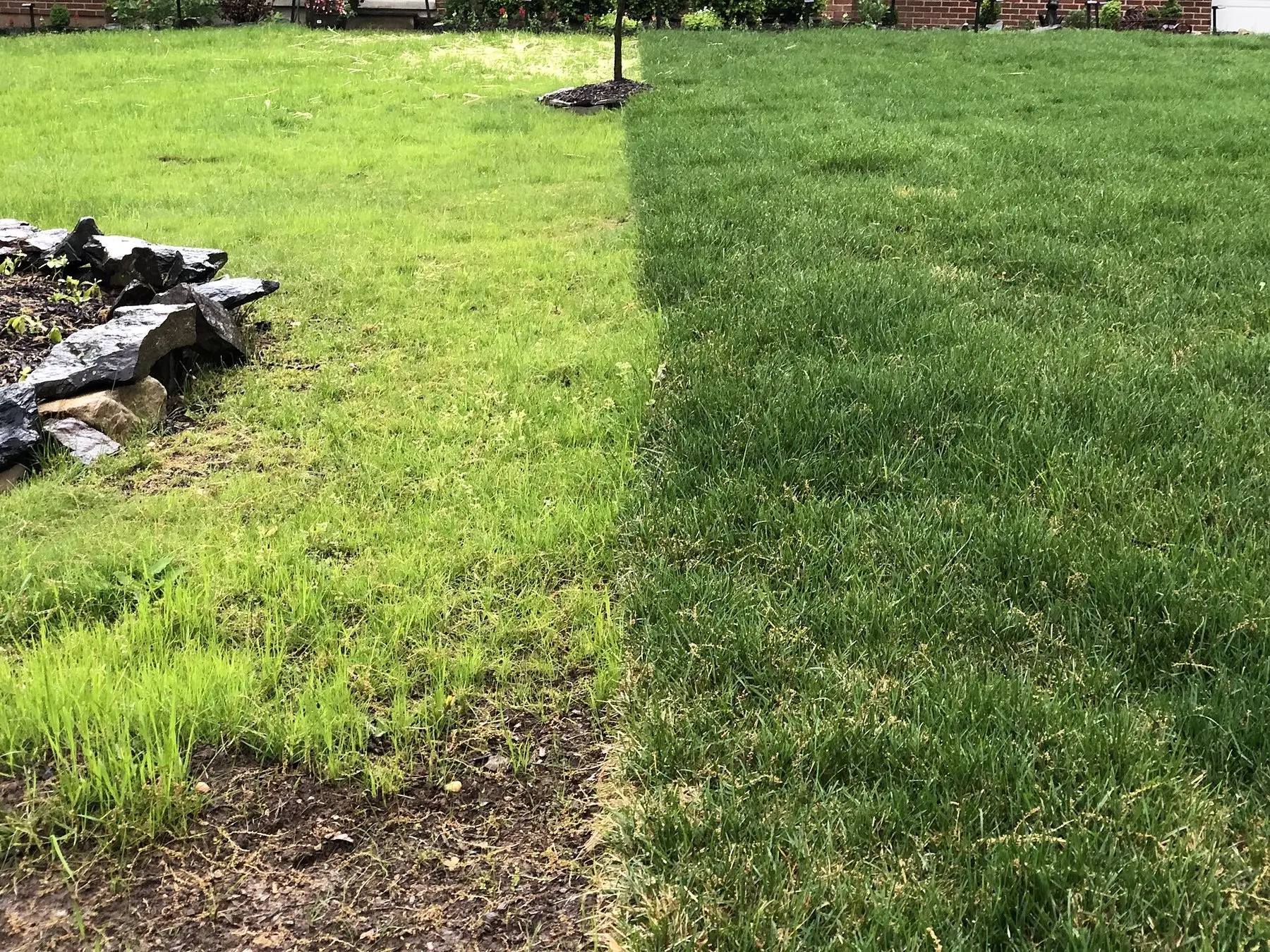
How to Plant Grass Seed So It Actually Comes Up
Seed fails from poor contact and a surface that dried out once, not from bad seed. Soil prep, sowing rates, and the watering routine that carries it to germination.
Is Epsom Salt Good for Plants? Mostly No, and Here Is Why
Epsom salt is magnesium sulphate. It helps the small number of plants actually short of magnesium, and does nothing at all for the rest — sometimes real harm.