
Does Mowing the Lawn Kill Ticks? It Dries Them Out Instead
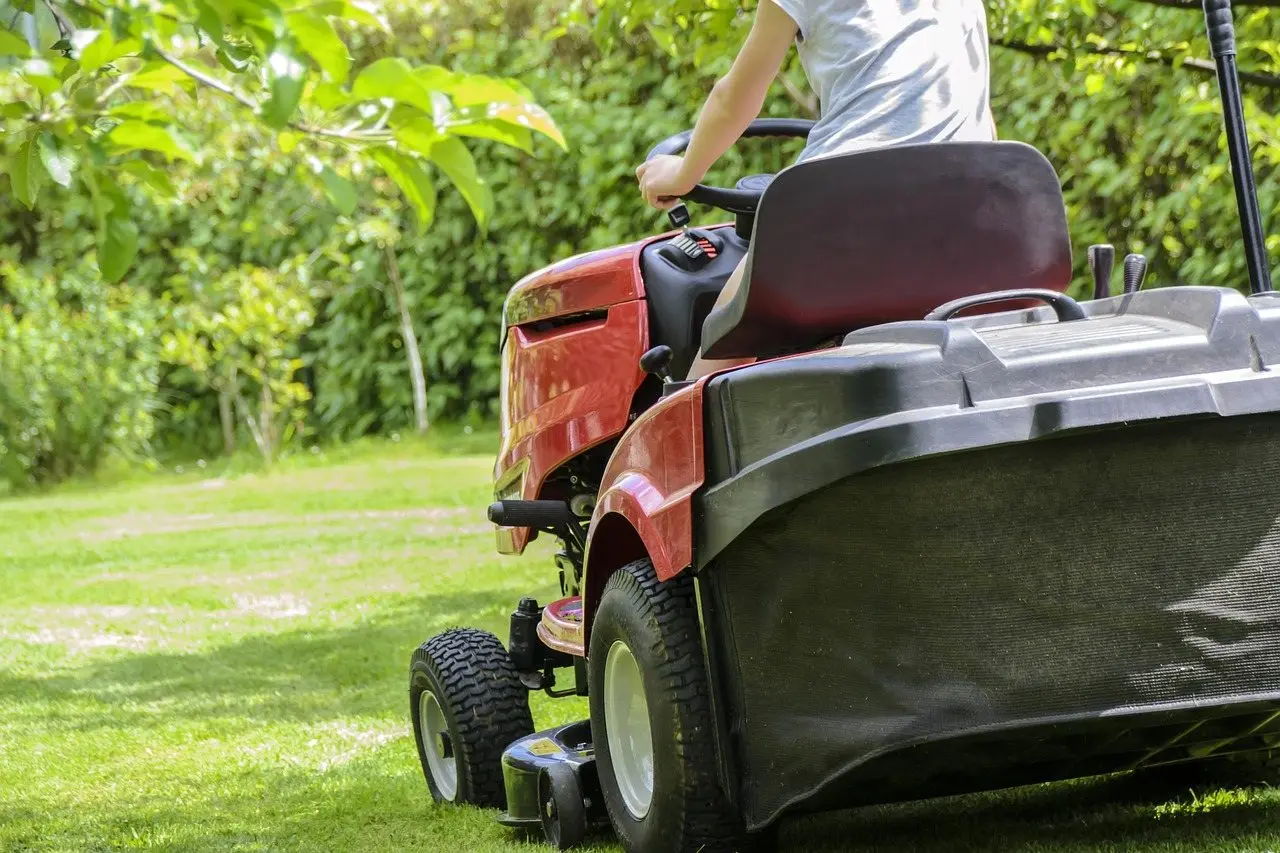
Mowing kills almost no ticks directly. What it does is remove the humid shade they need, which is a slower but far more effective control.
 By
On this page
Almost none die under the blades. What mowing does is remove the humid shade ticks need — short grass dries and warms, and ticks lose water through the cuticle and die within days. Slower than it sounds, and far more effective.
Why short grass works
Ticks cannot regulate water loss well. They need high humidity at ground level and sit in it between hosts. Mowing opens the sward to sun and air movement, the surface dries, and the microclimate stops supporting them.
| Place | Tick habitat? |
|---|---|
| Open mown lawn, kept short | Hostile |
| Long grass | Yes |
| Leaf litter | Yes — the worst |
| Dense ground cover (ivy, pachysandra) | Yes |
| Lawn–woodland edge | Yes — where most bites start |
| Shrub bases, brush piles | Yes |
| Dry gravel or mulch strip | Hostile — they will not cross it |
Height, and why consistency beats severity
Three inches is a compromise, not a minimum. Shorter dries faster and is more hostile, but scalping weakens the grass, invites weeds and leaves bare soil — which costs you a lawn to gain very little.
The lawn kept at three inches all season beats the one cut very short twice
Ticks recolonise from the edges continuously. What matters is that the open lawn is never a usable habitat, not how short it got on one particular Saturday.
Where the effort actually pays
- Clear leaf litter — the single best habitat they have.
- Cut back long grass and brush along fences and woodland boundaries.
- Thin ivy and pachysandra near paths where people brush past.
- Lay a dry mulch or gravel strip between lawn and wild edge. Ticks will not readily cross dry open ground.
- Stack wood off the ground, away from the house — that removes rodent shelter too.
Do not leave heavy rows of clippings
A thin scatter feeds the lawn. A thick mat holds moisture at soil level and recreates exactly the humid layer the mowing removed. When cutting long grass, rake or collect — especially along the lawn edges.
What does more
Hosts and habitat, not the lawn. Discouraging deer, controlling rodents, and tick tubes that get permethrin-treated nesting material into mouse burrows all cut the population arriving. A single targeted perimeter spray of the lawn–woodland edge in late spring removes a large share of nymphs — the stage behind most bites. Mowing supports all of that. It does not replace it.
Common questions
Does mowing the lawn kill ticks?
How short should grass be to discourage ticks?
Do ticks live in short grass?
Where should I focus if not the lawn itself?
Do grass clippings matter?
What actually reduces ticks the most?
Backyard Weekly
Know what to plant, week by week
Join the weekly email for seasonal jobs, fixes for what is going wrong, and gear worth buying.
Not ready to subscribe? The planting calendar is free and needs no email.
By subscribing you agree to our privacy policy. Grow In Backyard will never sell your address.
Keep reading
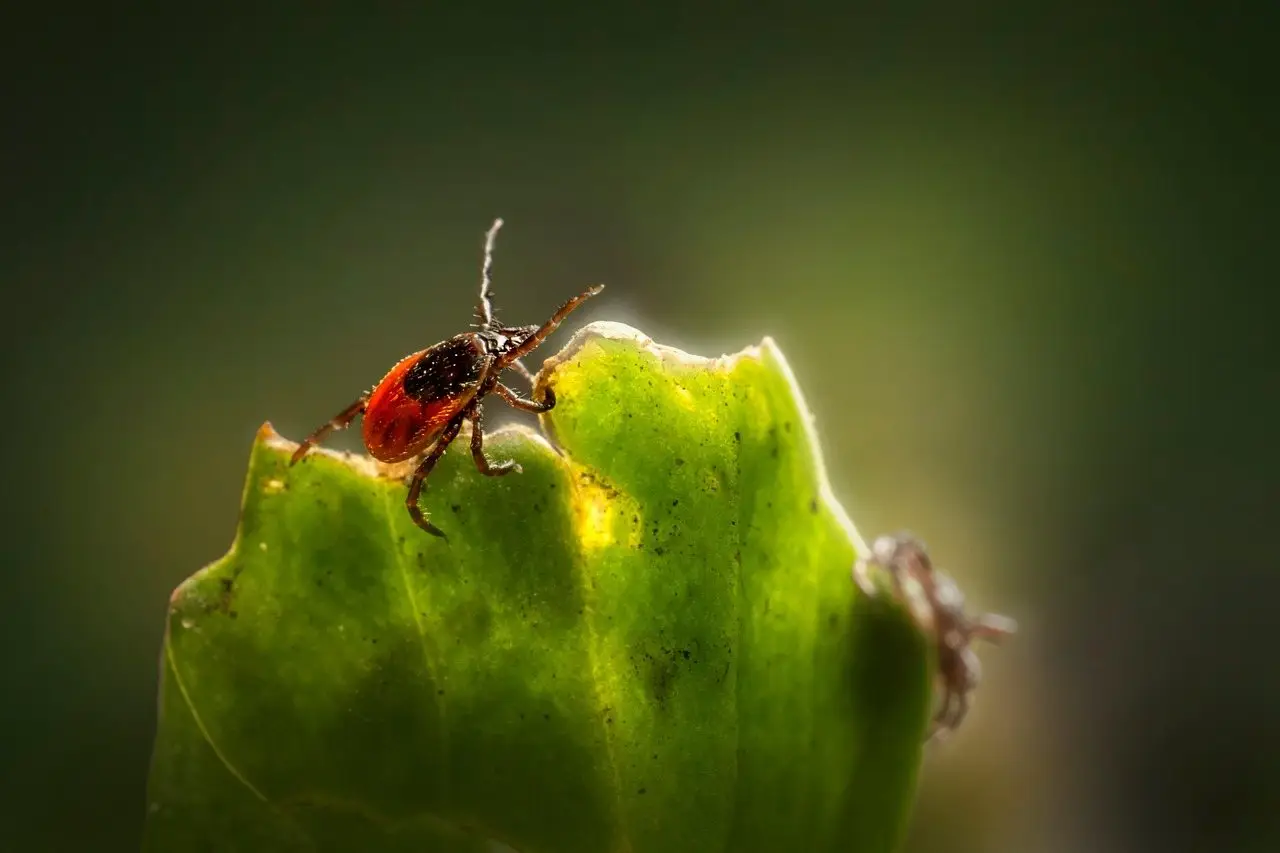
What Plants Repel Ticks? The Honest Answer Is Almost None
A handful of plants contain compounds that deter ticks in a lab, but planted in a garden they do nothing. What works is habitat, not planting.
Can You Mow a Wet Lawn? You Can — It Just Costs You
Mowing wet grass tears rather than cuts, clumps, compacts soil and spreads disease. If you have no choice, five adjustments limit the damage.
Grass Clippings as Mulch — 3 Rules for a Thin Layer
Grass clippings as mulch mat and sour unless dried and spread thin. 3 items make that easy. See how to use what the mower already produces.

How Big Is a 5,000 Square Foot Lawn? With Real Comparisons
About an eighth of an acre, or a 70 by 71 foot square. Here is what that means for seed, fertiliser, water and how long it takes to mow.