
Do Acorns Kill Grass? Not Directly — Shade and Smothering Do
Acorns are mildly acidic but not enough to harm turf. The damage comes from a thick layer blocking light, plus the oak's shade and root competition.
 By
On this page
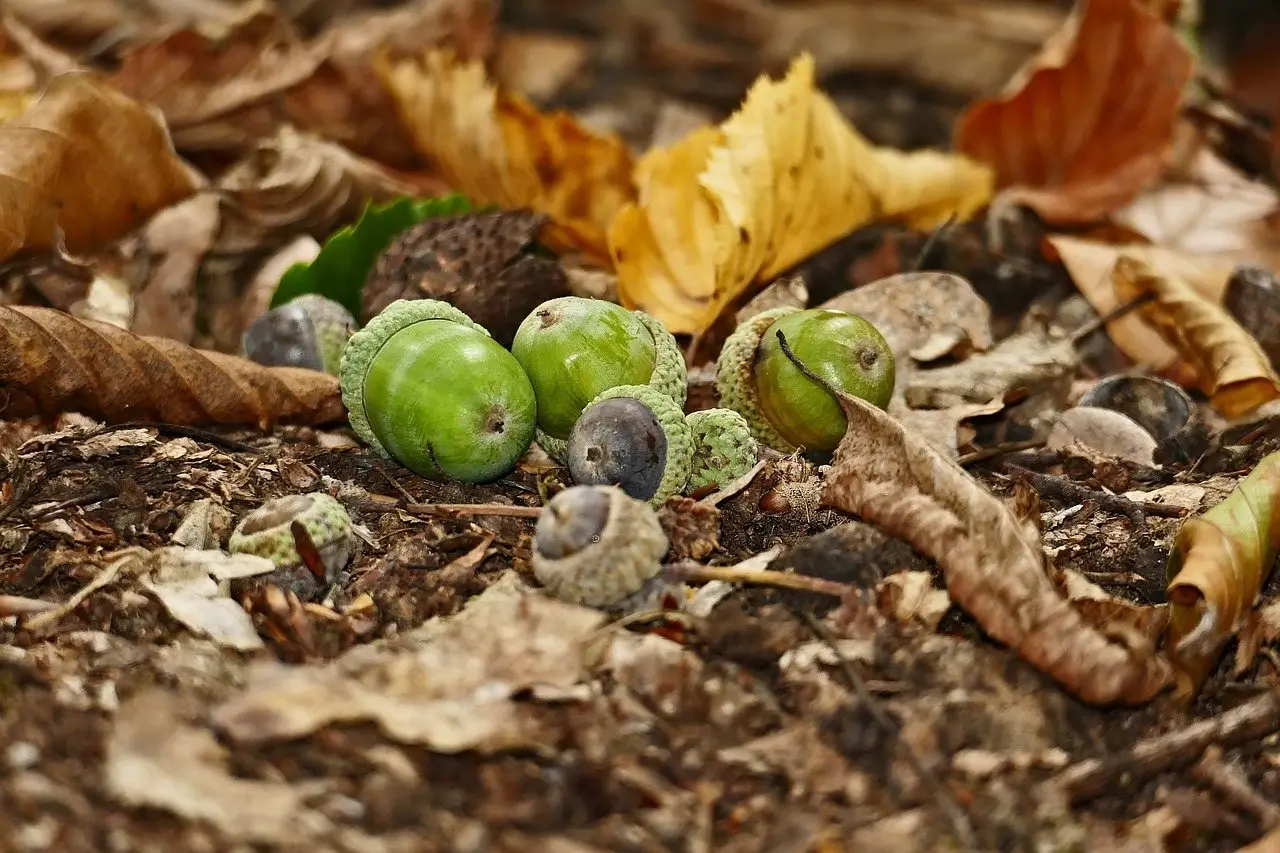
Not directly. Acorns are mildly acidic but nowhere near enough to kill turf. The damage is mechanical and environmental — a thick layer blocking light and trapping moisture, plus the oak’s shade and surface root competition.
What is actually happening under an oak
| Factor | Effect on grass |
|---|---|
| Shade | Major — not enough light to sustain turf |
| Surface roots | Major — take water and nutrients from the top few cm |
| Canopy intercepting rain | Significant — ground stays drier than open lawn |
| Acorn and leaf layer | Significant — smothers, traps moisture at the crown |
| Acorn acidity | Minor — slow, small, correctable |
The acorns are the one factor you can fully control, which is why they get the blame.
Clearing them
- Lawn sweeper — quickest for a large drop
- Rolling nut gatherer — works well on short grass
- Stiff rake, or mowing with a collection box — fine for smaller quantities
- Mulch-mowing — chops the remainder small enough to break down
Two or three passes beats one big one
Clearing through the drop season is far less work than waiting for the whole lot to fall and tackling a thick carpet — and the grass is never smothered long enough to thin out.
Mowing over them
A light scatter: fine. Chopped acorns break down harmlessly into the sward.
A heavy drop is harder on the machine and on you
Acorns blunt blades, bounce off the deck and are occasionally thrown. Wear eye protection and keep others clear. On a thick layer the mower also rides up and scalps the grass, so sweep or rake the bulk first.
The soil myth
Acorns break down into organic matter like any other plant material, and the tannins degrade quickly in soil rather than accumulating. The idea that oak leaf fall acidifies soil badly enough to matter does not hold up at garden scale — any shift over a few years is small, slow, and easily corrected with lime if a test shows it.
What to do instead
- One attempt with a shade-tolerant mix heavy in fine fescues. It will do better than ordinary lawn seed.
- If that thins out, stop fighting it. A mulched bed with woodland planting — hostas, ferns, epimedium, hardy geraniums — suits the conditions, hides the leaf fall rather than being smothered by it, and removes the mowing problem.
- Keep the mulch pulled back from the trunk.
Common questions
Do acorns kill grass?
Why won't grass grow under my oak tree?
How do you get acorns off a lawn?
Can you mow over acorns?
Are acorns bad for the soil?
What should I grow under an oak instead?
Backyard Weekly
Know what to plant, week by week
Join the weekly email for seasonal jobs, fixes for what is going wrong, and gear worth buying.
Not ready to subscribe? The planting calendar is free and needs no email.
By subscribing you agree to our privacy policy. Grow In Backyard will never sell your address.
Keep reading
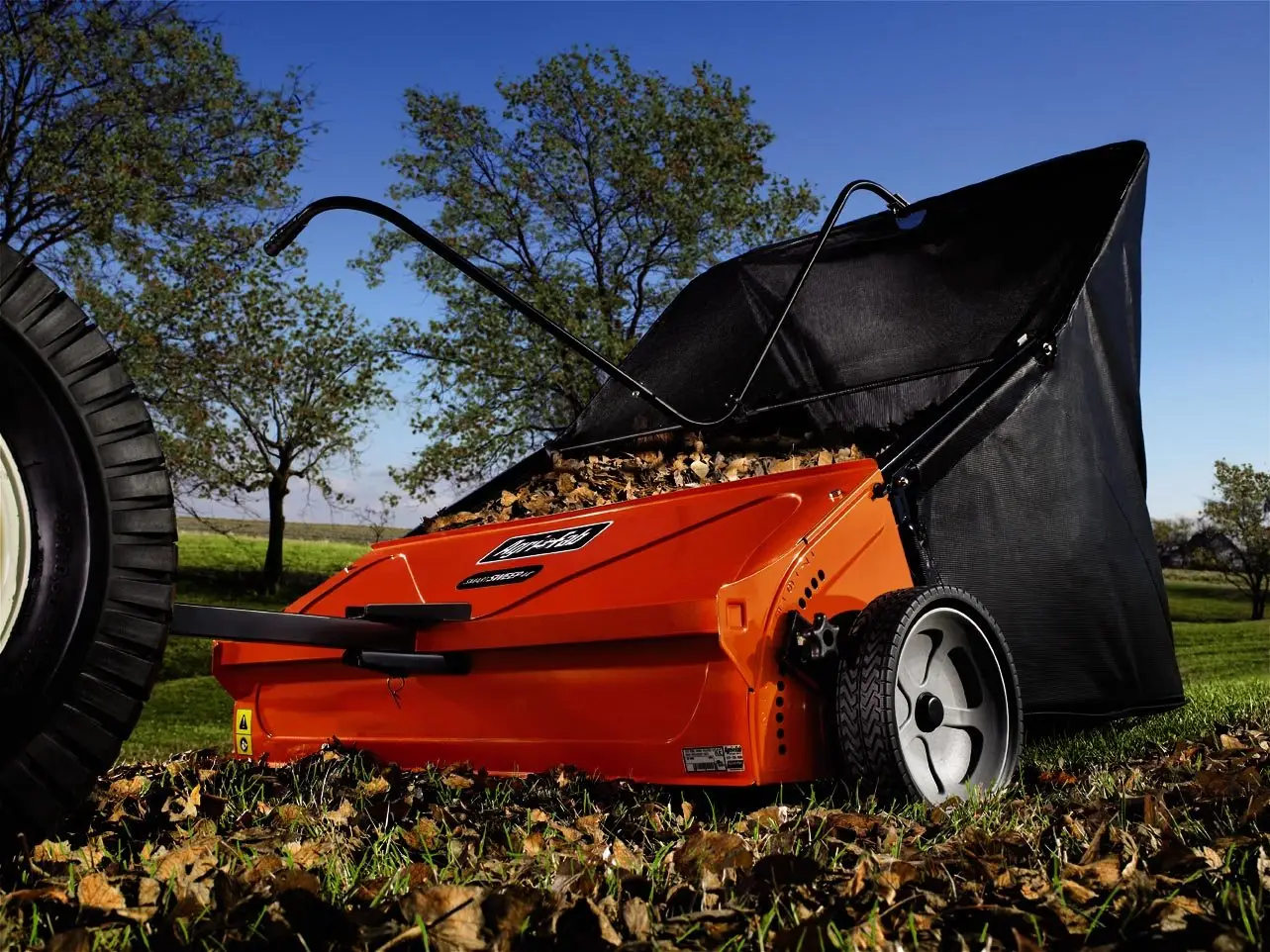
Lawn Sweeper: What It Does That a Rake and Mower Can't
A sweeper brushes debris into a hopper as you tow or push it. Where it beats bagging leaves, where it fails, and the brush height that decides whether it works.
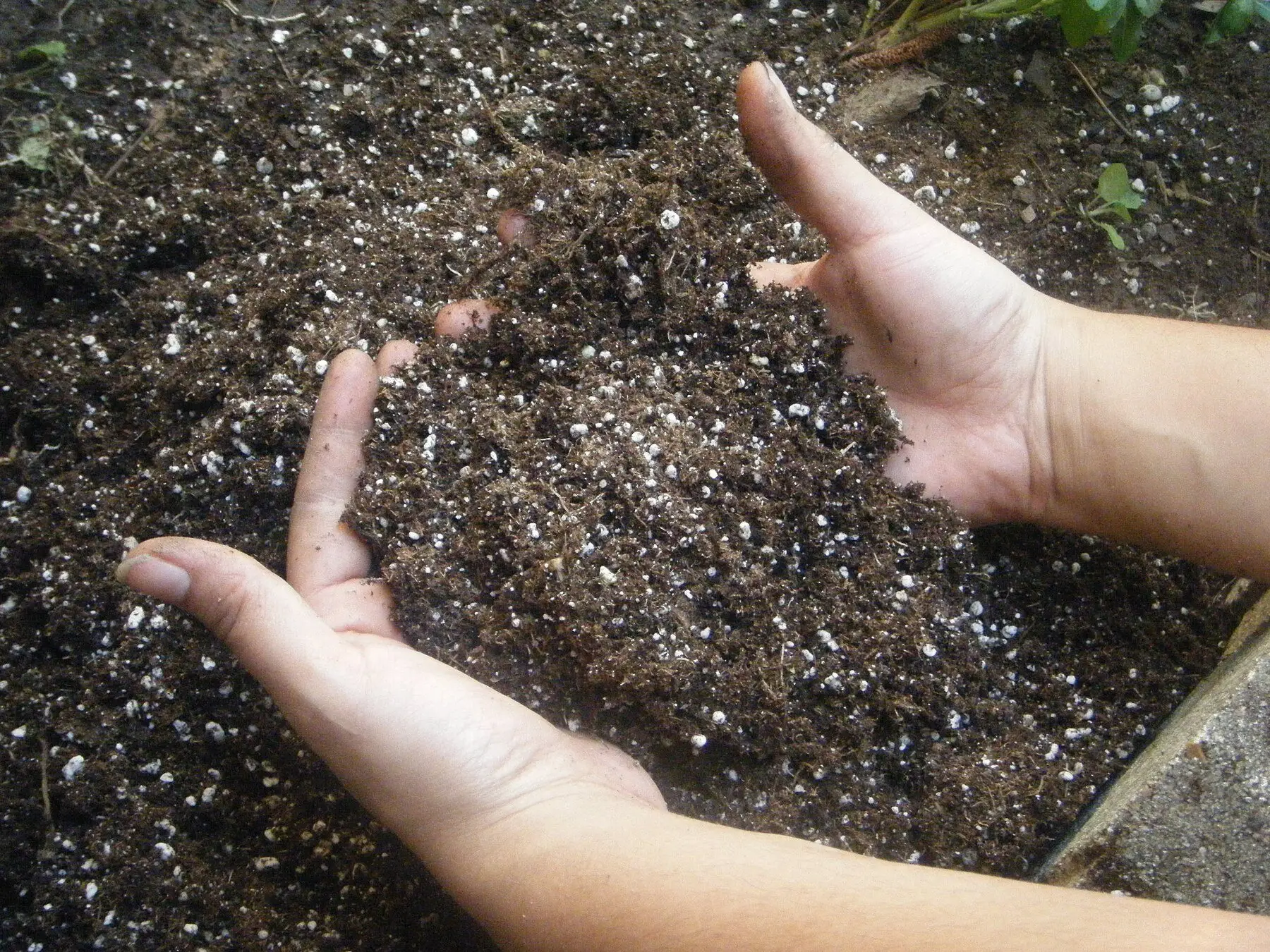
How to Raise Soil pH: Lime, Rates and Timing
Test first, then apply the right lime at the right rate for your soil texture. Why wood ash is not a substitute, and why nothing changes for months.
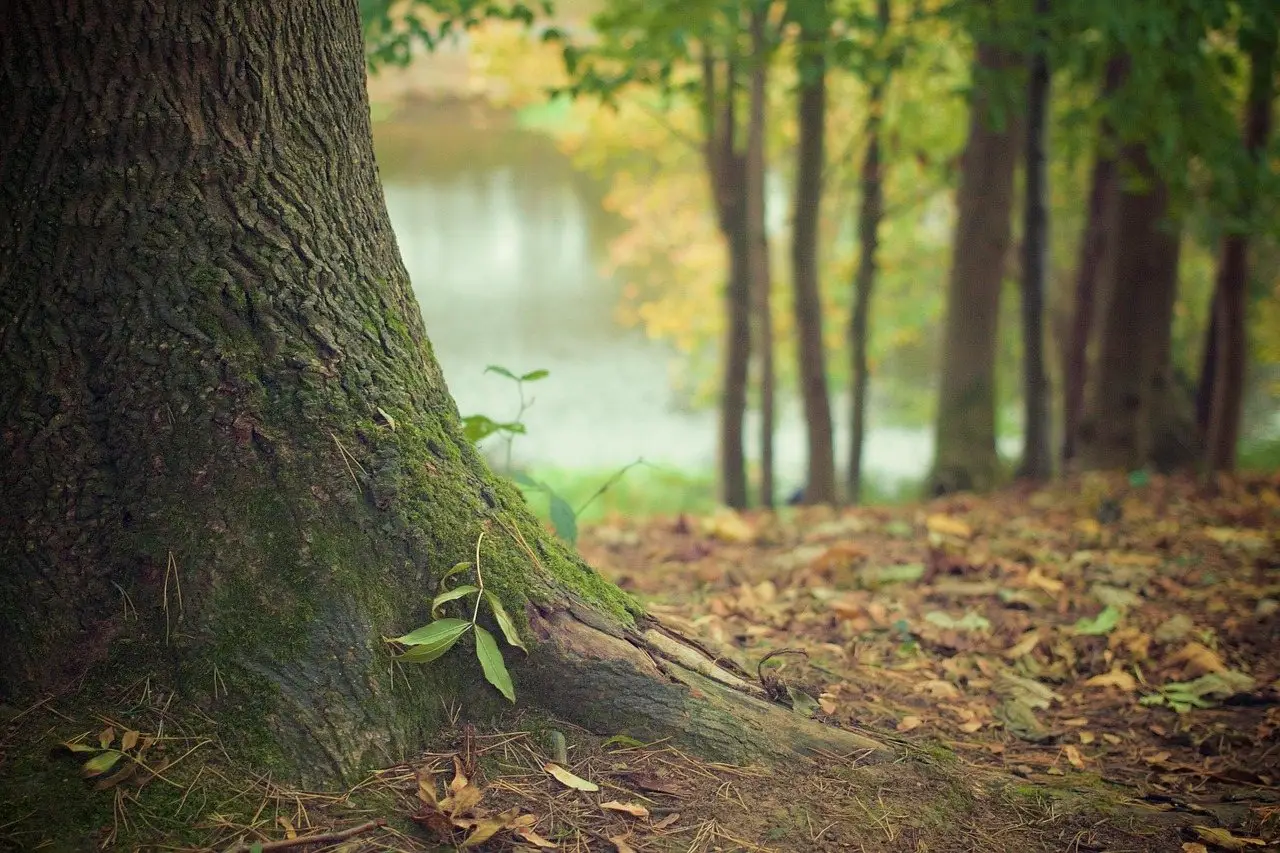
Should You Mulch Around Trees? Yes — But Never Against the Trunk
A wide, shallow ring of mulch is one of the best things you can do for a tree. Piling it against the bark is one of the worst, and it is common.
Do Weeds Die in the Winter? Annuals Yes, the Rest No
Summer annuals die at the first frost, but winter annuals and perennials carry straight through. Which is which, and why autumn is the best time to act.