
Will Vinegar Kill Grass — Yes, and 4 Reasons to Pause
Will vinegar kill grass and stop there? No — 4 cautions cover reach, roots and soil. See where it is safe to use.
 By
We may earn a commission when you buy through links on this page, at no extra cost to you.

On this page
Yes, vinegar kills grass. It is a non-selective contact herbicide — it damages whatever it lands on, and grass has no special resistance to it.
That is usually the wrong answer to the question people are actually asking, which is “can I use vinegar to get weeds out of my lawn?” No. It will kill the weed and a hand-sized patch of lawn around it, and in two weeks the weed will be back.
What it actually does
Acetic acid strips the waxy cuticle off leaves and destroys cell membranes underneath. The tissue dries out and dies within hours in sun.
It stops there. There is no systemic movement — nothing carries the acid down into the root system the way glyphosate moves through phloem. So a plant that stores energy below ground simply pushes up new leaves.
| Plant | Outcome |
|---|---|
| Seedlings, annual weeds | Often killed outright |
| Lawn grass | Burns brown, regrows from the crown |
| Bermudagrass, couch | Regrows from rhizomes, unaffected |
| Dandelion, dock, bindweed | Top growth dies, taproot resprouts |
| Established shrubs | Leaf damage only |
Strength, and the safety line
Household vinegar, 5%. Scorches seedlings on a hot day. Barely touches established turf.
Horticultural vinegar, 20–30%. Kills top growth reliably — and is a genuinely dangerous substance, not a stronger kitchen product.
20% vinegar causes permanent eye damage
At horticultural strength acetic acid causes chemical burns on skin and can blind you. It needs sealed goggles, gloves, long sleeves, and care about drift. “Natural” describes its origin, not its hazard — this is one of the few garden products where the concentrate deserves more respect than the synthetic alternative.
Adding salt and dish soap — the recipe that circulates endlessly — makes it worse, not better. The soap helps it stick, which is fine. The salt genuinely does persist in soil, and it damages structure and harms anything you plant there later. Do not put salt on ground you intend to use.
Conditions that decide whether it works at all
- Hot and sunny. Above 70°F on a bright day; the sun does half the work.
- Young growth. A three-week-old weed is a different proposition from a three-year-old one.
- Dry for 24 hours. Rain washes it off before it has finished.
- Direct hit. No systemic action means anything you miss survives.
What to use instead
Clearing a bed or a new plot: sheet mulch. Cardboard laid over the grass, three to four inches of wood chips or compost on top, left for a season. It kills everything underneath by excluding light, it feeds the soil while it works, and it takes one afternoon.
Cracks in paving and gravel: boiling water, a few times. Free, instant, and it does reach the crown on small weeds.
One weed in a lawn: a long-handled weeder that takes the taproot out. This is the one thing vinegar cannot do, and it is the only thing that stops a dandelion coming back.
A whole lawn you want gone: solarisation — clear plastic over damp soil through the hottest six weeks of summer — or sheet mulch. Both actually finish the job.
Where vinegar genuinely earns its place
Gravel drives, paving joints, and the base of a fence line — places with nothing you want to keep and no soil you care about. Sprayed on young growth on a hot day, repeated when it returns, it is a reasonable low-toxicity option. The mistake is expecting it to work in a lawn or a border.
And if you spilled it on the lawn
Water the area heavily to dilute and flush the acid through. Grass burned at the tips usually recovers in two or three weeks from the crown.
If the patch is genuinely dead, rake out the debris, scratch up the surface, and reseed — the soil itself is fine within days. That is the upside of vinegar not persisting: your mistakes do not persist either.
Our picks
| # | Pick | Best for | Where to buy |
|---|---|---|---|
| 1 | Long-handled taproot weeder | The one thing vinegar cannot do | Check price for Long-handled taproot weeder → |
| 2 | Cardboard and wood chips for sheet mulching | Best for clearing a bed or new plot | Check price for Cardboard and wood chips for sheet mulching → |
| 3 | Grass seed and topsoil for repairs | For when you have already spilled it | Check price for Grass seed and topsoil for repairs → |
| 4 | Dedicated garden sprayer | Keep one sprayer for killing only | Check price for Dedicated garden sprayer → |
The one thing vinegar cannot do
Long-handled taproot weeder
The page's own conclusion in tool form. For a weed in a lawn this is the answer and vinegar is actively the wrong tool, because it is non-selective.
- For
- A single weed in a lawn
- Takes
- The taproot, not just the top
- Why
- Vinegar is contact only; the root regrows in 1–3 weeks
- Handle
- Long, so no kneeling
What we liked
- The only approach that stops a dandelion coming back
- No chemical anywhere near turf you want to keep
- Leaves a plug you can fill and reseed
- Lasts decades
Worth knowing
- One weed at a time
- Snapped roots regrow, so pull slowly
Best for clearing a bed or new plot
Cardboard and wood chips for sheet mulching
The right method for clearing ground. Slower than spraying and the only one of the two that actually works on established grass.
- Method
- Cardboard, then 3–4 in of chips or compost
- Time
- Left in place for a season
- Kills
- Everything underneath, by excluding light
- Bonus
- Feeds the soil while it works
What we liked
- Finishes the job where vinegar only burns the tops
- Improves soil structure rather than just killing growth
- One afternoon of work, then nothing
- No chemicals at all
Worth knowing
- Takes a season, not an afternoon, to finish
- Looks like a building site meanwhile
For when you have already spilled it
Grass seed and topsoil for repairs
Included because the commonest vinegar outcome is an accidental brown patch. Flush it, wait three weeks, and reseed only what is genuinely dead.
- Use
- Rake out dead debris, scratch the surface, reseed
- Timing
- Soil is fine within days — vinegar does not persist
- Match
- Seed to your existing lawn type
- First
- Water the area heavily to flush the acid
What we liked
- Vinegar not persisting means the repair takes days, not months
- Burned tips usually recover from the crown without reseeding
- Cheap fix for a mistake that looks alarming
Worth knowing
- Seed needs consistent moisture to establish
- Colour match takes a season to blend
Keep one sprayer for killing only
Dedicated garden sprayer
Own two sprayers and label them. Vinegar is non-selective, and so is whatever is left in an unrinsed tank.
- Why
- Residue in a shared sprayer damages the next plant
- Label it
- In permanent marker, clearly
- Size
- 1–2 gallon pump sprayer
- Also
- Rinse three times after any herbicide
What we liked
- Prevents the classic mistake of feeding plants from a herbicide sprayer
- Consistent droplet size wastes less than a trigger bottle
- Adjustable nozzle keeps spray off neighbouring plants
- Cheap enough to own two
Worth knowing
- Seals perish and need occasional replacement
- Takes storage space
Common questions
Will vinegar kill grass?
Does vinegar kill grass permanently?
What strength of vinegar kills grass?
Does vinegar sterilise the soil?
What actually works for killing grass in a bed or path?
Is vinegar safe for pets and bees?
Backyard Weekly
Know what to plant, week by week
Join the weekly email for seasonal jobs, fixes for what is going wrong, and gear worth buying.
Not ready to subscribe? The planting calendar is free and needs no email.
By subscribing you agree to our privacy policy. Grow In Backyard will never sell your address.
Keep reading
Does Vinegar Kill Weeds — 4 Checks on What It Misses
Does vinegar kill weeds down to the root, or only the leaves? Only the leaves, and 4 checks cover strength, gear and perennials. See where it earns use.
How to Plant Grass Seed So It Actually Comes Up
Seed fails from poor contact and a surface that dried out once, not from bad seed. Soil prep, sowing rates, and the watering routine that carries it to germination.
Wood Chips in the Garden: The Nitrogen Myth, Explained
Wood chips only rob nitrogen where they meet soil, so they are excellent as a surface mulch and a bad idea dug in. Where to use them, and which chips to avoid.
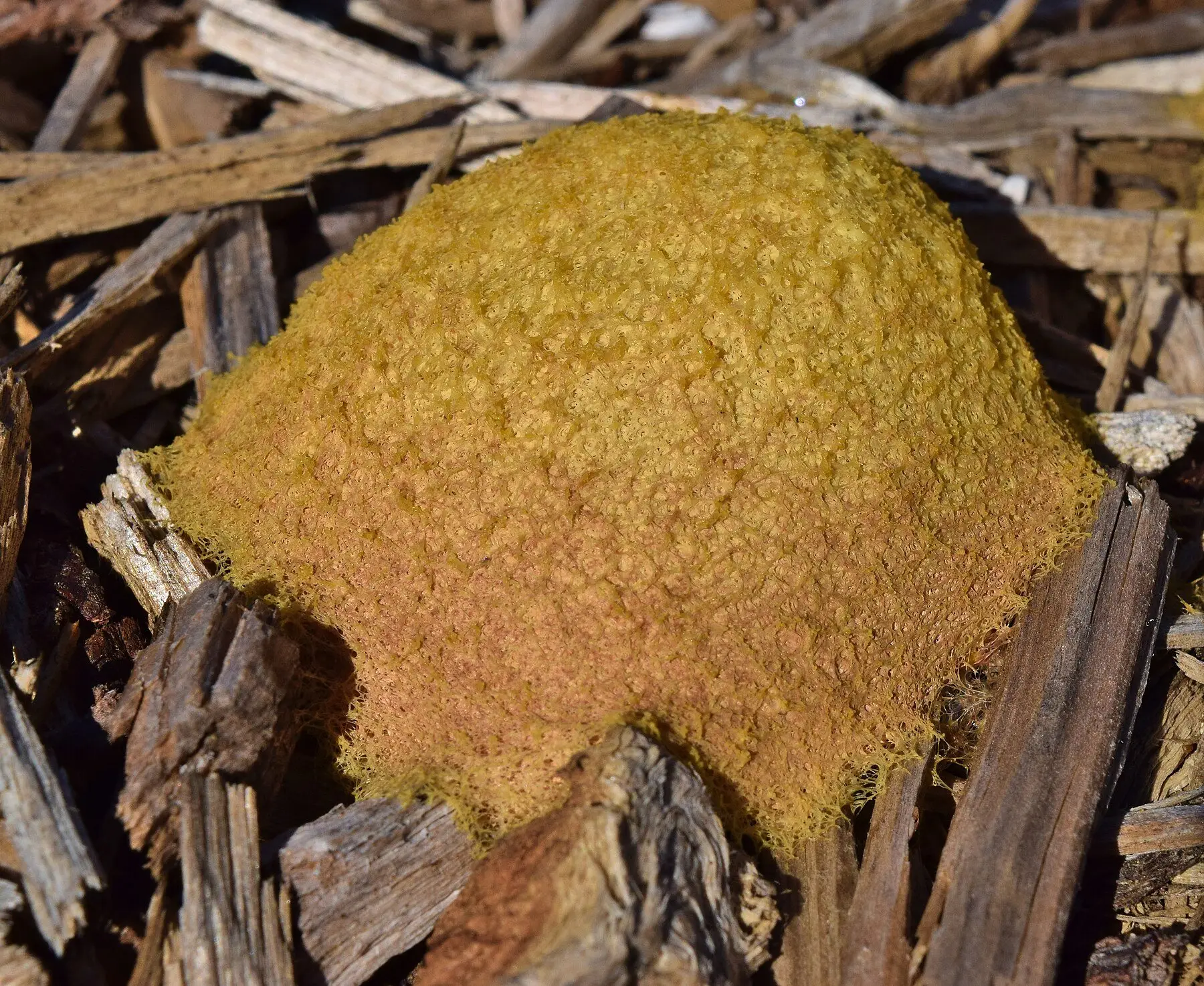
Yellow Fungus in Grass: Slime Mould, and It Is Harmless
Yellow fungus in grass is almost always dog vomit slime mould, which harms nothing. How to tell it from the 2 lawn diseases that do need action.