
Is Human Urine a Good Fertilizer? Yes, Diluted Heavily
Urine is a genuine nitrogen source and roughly an 11-1-2 feed. Undiluted it scorches plants and salts the soil, so 1:10 is the working ratio.
 By
On this page
Yes — diluted heavily. Roughly an 11-1-2 feed, strongly nitrogen-dominant, and close to sterile when fresh. Neat it scorches foliage and salts the soil, so 1:10 is the working ratio. On a compost heap it can go on undiluted.
Dilution, by use
| Use | Dilution |
|---|---|
| Established plants in the ground | 1 : 10 |
| Seedlings and young plants | 1 : 15–20 |
| Containers | 1 : 20 — salts cannot wash through |
| Lawn | 1 : 10, watered in |
| Compost heap | Neat — the material absorbs it |
Apply to the soil around plants, not over the leaves, and water afterwards.
What it suits
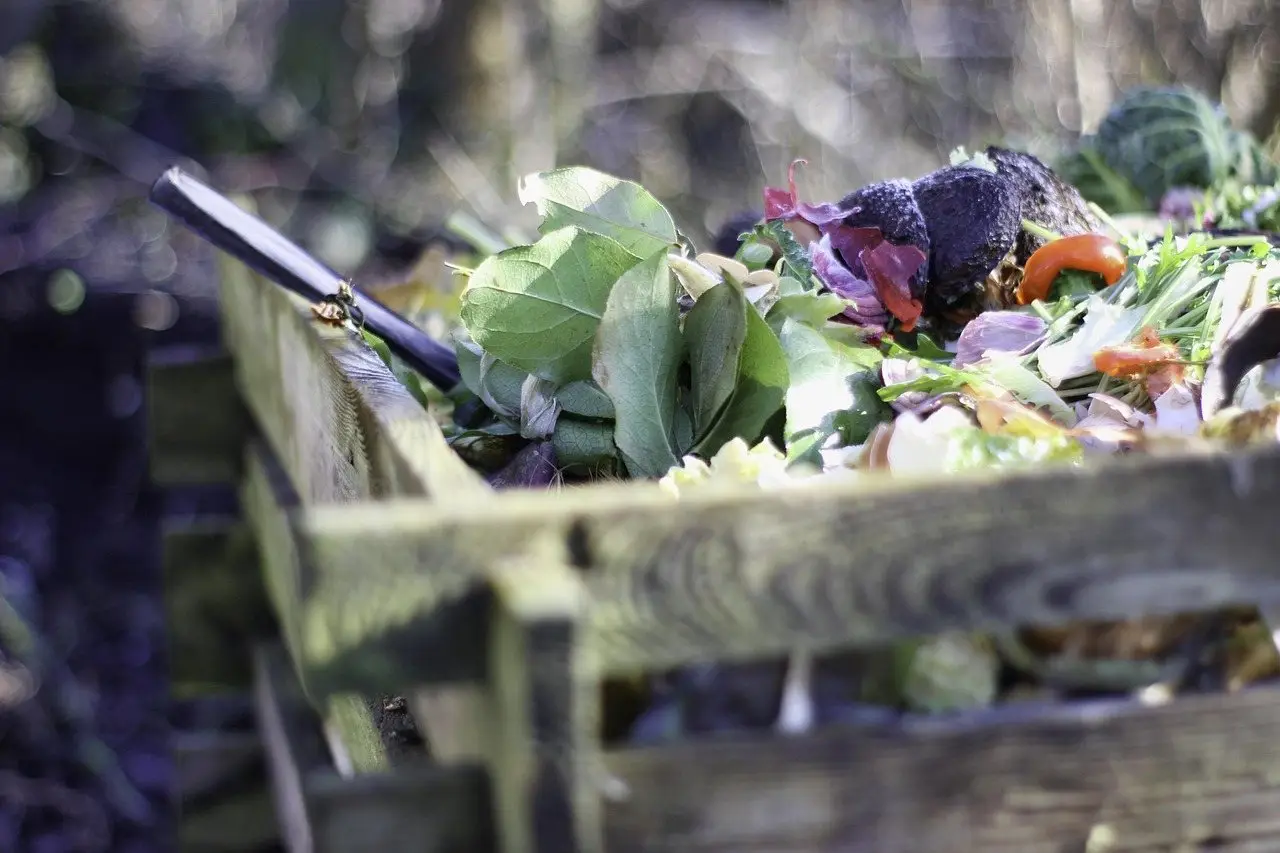
Good for — brassicas, leafy greens, sweetcorn, grass, and hungry plants through mid season. Also an excellent compost activator for a heap that has stalled because it is too carbon-heavy.
Poor for — fruiting and flowering plants once they have set, since excess nitrogen pushes leaves at the expense of fruit. And legumes, which fix their own.
Use it fresh, within a day
Bacteria convert urea to ammonia in storage — which is both the smell and the loss of the nitrogen you wanted. Fresh urine barely smells. Dilute immediately; if you must hold it, keep the container sealed and cool, because an open bucket loses nitrogen to the air while getting steadily more unpleasant.
On food crops
Where to draw the line
Acceptable on crops where the edible part never meets the soil or the spray — fruiting plants, sweetcorn, climbing beans — with sensible hygiene and about a month before harvest.
Avoid salad leaves, root vegetables, and anything eaten raw close to the ground.
Use it from people in your own household who are well, and not from anyone on medication being excreted — that does pass through.
The long-term caution
Sodium and chloride in urine accumulate as salts, and repeated heavy application in one spot damages soil structure and root function — worst in containers and in dry climates, where nothing flushes them through.
All of that is prevented by the obvious things: dilute properly, rotate where it goes, water in afterwards, leave gaps between applications. Used occasionally and spread about, it causes no lasting problem.
Common questions
Is human urine a good fertilizer?
How much should urine be diluted for plants?
Is it safe to use on food crops?
Why does urine smell so strongly after a while?
What is it best used on?
Will it harm the soil over time?
Backyard Weekly
Know what to plant, week by week
Join the weekly email for seasonal jobs, fixes for what is going wrong, and gear worth buying.
Not ready to subscribe? The planting calendar is free and needs no email.
By subscribing you agree to our privacy policy. Grow In Backyard will never sell your address.
Keep reading
Organic Fertilizer Examples — 4 and What Each Feeds
Organic fertilizer examples are not interchangeable; each feeds one thing. 4 compared on nitrogen, phosphorus and potassium. See which your beds want.
Is Horse Poop Good Fertilizer? Yes, Once It Has Rotted
Horse manure is a genuinely good soil improver after six months to a year. Fresh, it burns roots and carries weed seed — plus the herbicide trap.
How to Make a Compost Bin — 4 Parts, 3 Designs
How to make a compost bin: pick the design, then size it for the heat. 4 parts cover all 3 builds. See which suits the space you have.

Is Lawn Fertilizer Safe for Dogs — 3 Lower-Risk Picks
Is lawn fertilizer safe for dogs depends entirely on the ingredients. 3 lower-risk choices compared, plus how long to keep off. See which suits yours.