
How Often Should Outdoor Plants Be Fertilized?
Containers need feeding every one to two weeks once compost runs out. Ground-grown plants often need nothing beyond annual compost.
 By
On this page
It depends almost entirely on pot versus ground. A container holds only the compost it was given — about six weeks of feeding — then wants a liquid feed every one to two weeks. A plant in decent soil with annual compost often needs nothing at all.
By situation
| Plant | How often |
|---|---|
| Container, general | Every 1–2 weeks after ~6 weeks |
| Hanging baskets, tomatoes, courgettes | Weekly, potassium-forward once flowering |
| Ground shrubs and perennials, good soil | Annual compost mulch — usually nothing more |
| Hungry vegetable crops | Every 2–3 weeks in season |
| Fruit trees and bushes in crop | Once or twice in the season |
| Roses | Spring, and again after the first flush |
| Established trees | Nothing |
Over-feeding ground plants is a real mistake
It produces soft sappy growth that attracts aphids and handles drought and frost badly. An annual mulch of compost or well-rotted manure supplies most of what ordinary shrubs and perennials need.
Feed in the ground when there is a genuine deficiency or a heavy crop to support — not as a routine.
Recognising too much
- White crust on the compost surface or around the pot rim
- Leaf tips and margins brown and crisp
- Wilting despite moist compost — salt is blocking water uptake
- Lush dark foliage with little flowering or fruit
The last one is the one people miss
The plant looks healthy. Too much nitrogen simply pushes leaves at the expense of everything else, and the gardener concludes it needs more feeding.
The fix in a container: flush it with several times the pot volume of plain water.
Stopping in autumn
Six to eight weeks before your first expected frost, for anything staying outdoors. Nitrogen late in the season pushes soft new growth with no time to harden off, which the first cold snap kills.
Two exceptions: an autumn lawn feed, which is deliberately potassium-rich and applied late to toughen grass for winter; and container plants overwintering under cover, which can stop earlier since they are not growing.
Slow-release or liquid
- Slow-release granules — mixed in at potting, release over months whether or not you remember. Right for many containers or an irregular schedule.
- Liquid — lets you change the ratio as a plant moves from leaf growth to flowering and fruiting, and acts within days. Right for correcting a deficiency.
Many gardeners use both: granules as the baseline, liquid to steer.
Common questions
How often should outdoor plants be fertilized?
How often should container plants be fed?
Do plants in the ground need fertilising?
When should you stop fertilising in autumn?
What are the signs of over-fertilising?
Is slow-release or liquid feed better?
Backyard Weekly
Know what to plant, week by week
Join the weekly email for seasonal jobs, fixes for what is going wrong, and gear worth buying.
Not ready to subscribe? The planting calendar is free and needs no email.
By subscribing you agree to our privacy policy. Grow In Backyard will never sell your address.
Keep reading
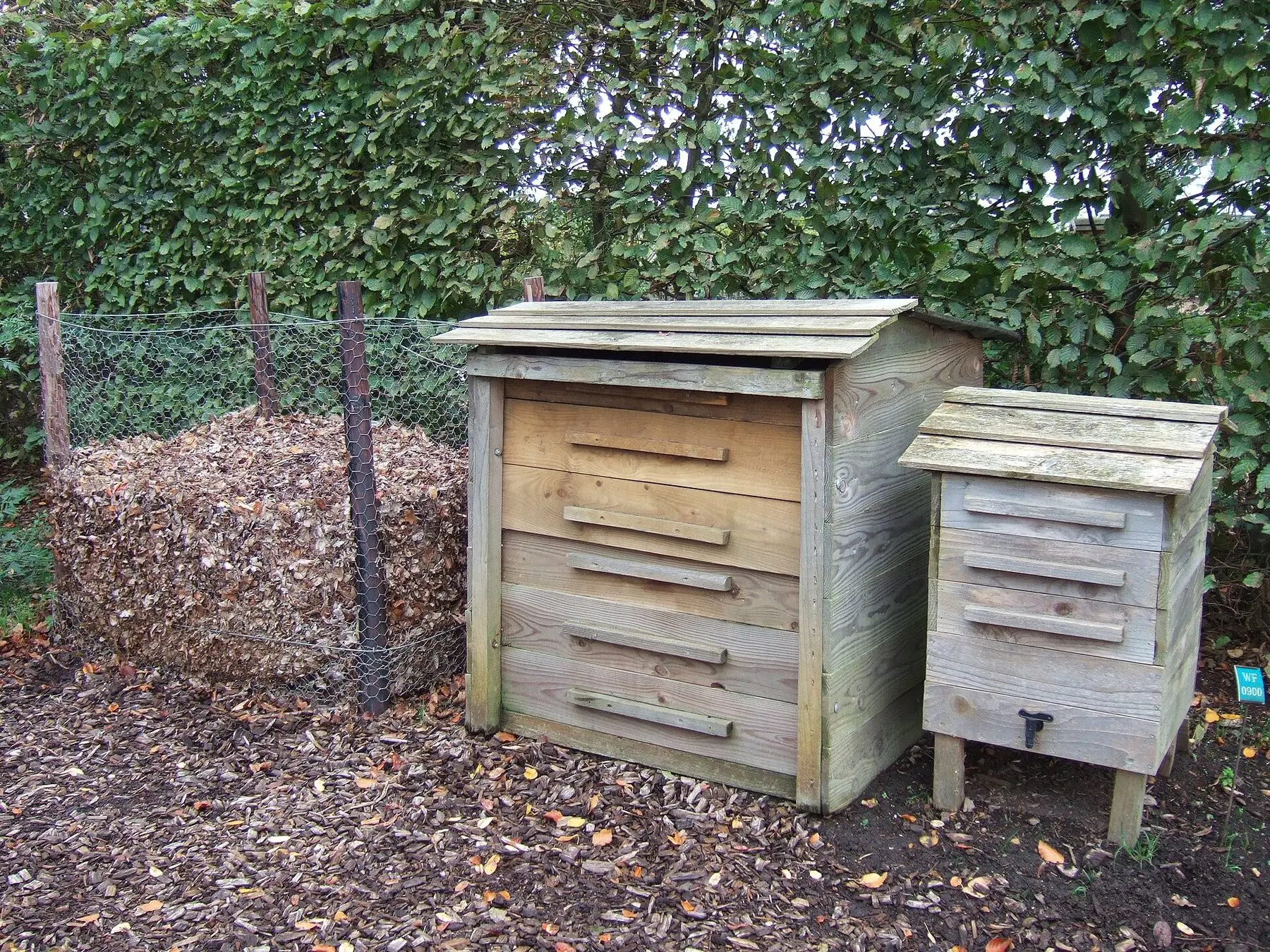
Organic Fertilizer Examples — 4 and What Each Feeds
Organic fertilizer examples are not interchangeable; each feeds one thing. 4 compared on nitrogen, phosphorus and potassium. See which your beds want.
What Does Fertilizer Burn Look Like on Plants? Brown Tips
Scorched leaf tips and margins while the veins stay green, worst on the oldest leaves, days after feeding. Here is how to confirm it and what to do next.
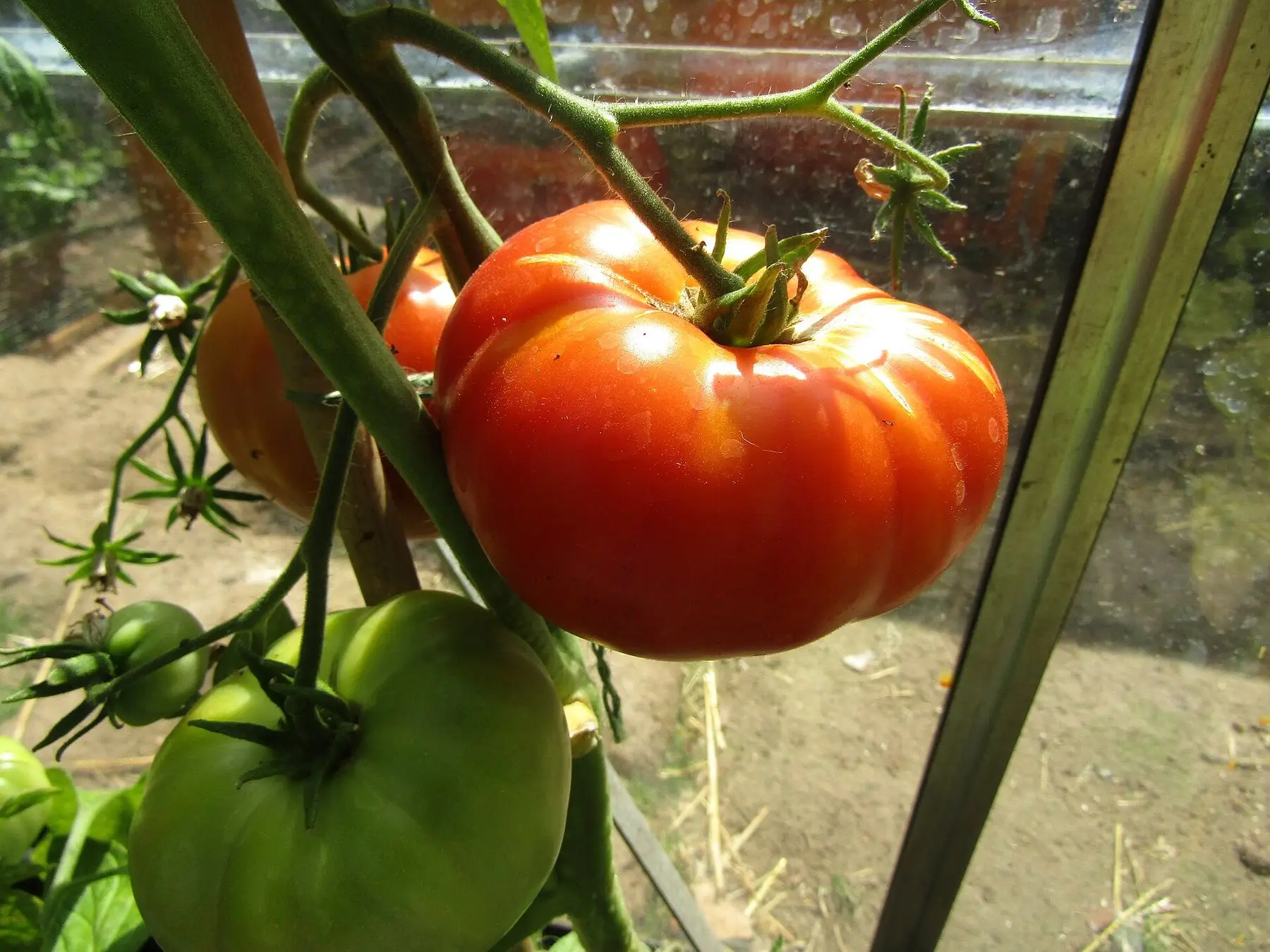
Best Fertilizer for Tomatoes — 4 Picks, Potassium Late
The best fertilizer for tomatoes changes once fruit sets. 4 picks compared across the season, plus the soil test first. See which your plants need.
Is Epsom Salt Good for Plants? Mostly No, and Here Is Why
Epsom salt is magnesium sulphate. It helps the small number of plants actually short of magnesium, and does nothing at all for the rest — sometimes real harm.