
What Is Foliar Fertilizer? Feeding Through the Leaves
Foliar feeding sprays dilute nutrients onto leaves, which absorb them directly. It acts fast, fixes little, and works best as a top-up rather than a programme.
 By
On this page
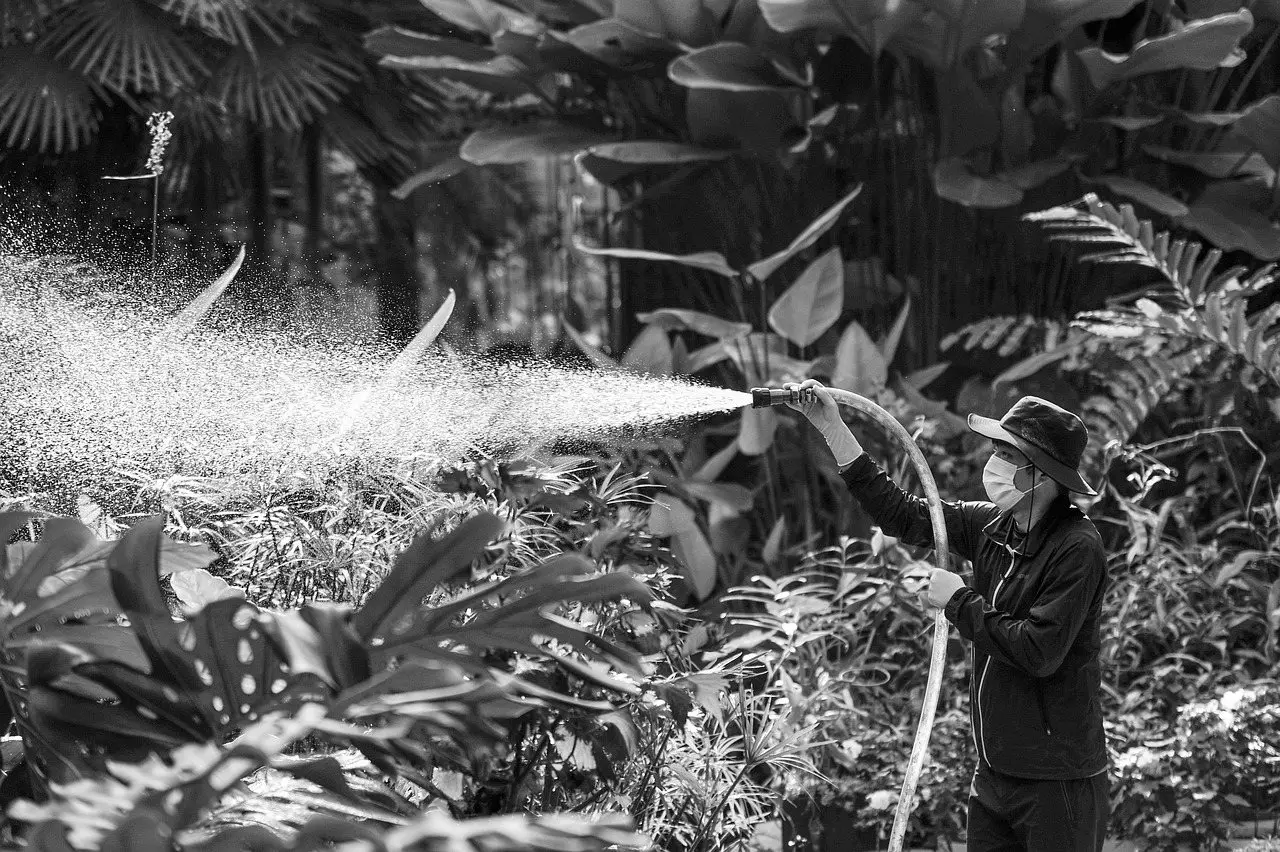
Foliar feeding is spraying dilute nutrients onto leaves, which take a portion of it in directly through the cuticle and the stomata. It is fast and limited — a useful top-up, and a poor substitute for feeding the soil.
When it is the right tool
| Situation | Foliar feed? | Why |
|---|---|---|
| Visible deficiency mid-season | Yes | Response in days, not weeks |
| High pH soil locking up iron | Yes | Bypasses the soil entirely |
| Plant stressed after transplanting | Yes | Roots are temporarily not working |
| General feeding programme | No | A leaf cannot absorb enough N, P, K |
| Correcting poor soil | No | Fix the soil; this treats the symptom |
| Wilted, drought-stressed plant | No | Water first, spray tomorrow |
How the leaf takes it in
Nutrients cross into the leaf through the waxy cuticle and through the stomata, the pores that normally handle gas exchange. Both routes only work while the solution is still wet on the surface.
That single fact drives every piece of practical advice about foliar feeding:
- Spray in early morning or evening, so the solution stays wet longer
- Overcast or humid days are better than bright ones
- Avoid wind and midday sun — fast drying means little uptake and more scorch risk
- Do not spray with rain due within a few hours
Most stomata are on the underside
On the majority of plants, the undersides carry far more stomata and a thinner cuticle. Spraying only the tops wastes much of the application. Wet both surfaces until the solution just begins to run, then stop.
Concentration is where people go wrong
Never apply a soil-strength solution to leaves
Leaf tissue tolerates much lower concentrations than a root zone does. Use the product’s stated foliar rate, not its soil rate. If you are improvising, test on a few leaves and wait 48 hours before doing the whole plant.
What it genuinely does well
Micronutrients. Iron, manganese, zinc, boron and magnesium are needed in small enough quantities that a leaf can absorb a meaningful share of the requirement. This is why foliar feeding is standard practice for iron chlorosis on alkaline soil — the iron is in the ground, it is just unavailable, and spraying sidesteps the problem.
Speed. A visible response in two to four days against two to three weeks for a soil application.
What it does not do
Bulk nutrition. Nitrogen, phosphorus and potassium are needed in quantities a leaf surface cannot deliver. A plant fed only through its leaves will run short, and the deficiency will arrive after the sprays have made everything look fine for a few weeks.
Feed the soil. Spray the leaves when there is a specific problem worth solving quickly.
Common questions
What is foliar fertilizer?
When should you use foliar feeding?
What time of day should you foliar feed?
Can foliar fertilizer replace soil fertilizer?
Why do you spray the undersides of leaves?
Can foliar feeding burn leaves?
Backyard Weekly
Know what to plant, week by week
Join the weekly email for seasonal jobs, fixes for what is going wrong, and gear worth buying.
Not ready to subscribe? The planting calendar is free and needs no email.
By subscribing you agree to our privacy policy. Grow In Backyard will never sell your address.
Keep reading
Organic Fertilizer Examples — 4 and What Each Feeds
Organic fertilizer examples are not interchangeable; each feeds one thing. 4 compared on nitrogen, phosphorus and potassium. See which your beds want.
Best Fertilizer for Tomatoes — 4 Picks, Potassium Late
The best fertilizer for tomatoes changes once fruit sets. 4 picks compared across the season, plus the soil test first. See which your plants need.
Is Epsom Salt Good for Plants? Mostly No, and Here Is Why
Epsom salt is magnesium sulphate. It helps the small number of plants actually short of magnesium, and does nothing at all for the rest — sometimes real harm.
Bone Meal vs Blood Meal: Which One Your Plants Need
Blood meal is fast nitrogen for leafy growth. Bone meal is slow phosphorus that only works in acidic soil. Two different products, routinely confused.