
How Much Bone Meal to Add to Soil: Rates That Work
Roughly 1 tablespoon per planting hole and 10 lb per 100 square feet. Bone meal only works in soil below pH 7, which is the part most guides leave out.
 By
On this page
One tablespoon per planting hole, or 10 lb per 100 square feet in a bed. Those two numbers cover almost every garden use — but there is a condition that decides whether any of it works at all, and most guides skip it.
The rates
| Where | How much | How to apply |
|---|---|---|
| Planting hole (transplant) | 1 tbsp | Mixed into the bottom, covered with plain soil |
| Bulb | 1 tbsp | Into the base of the hole, not touching the bulb |
| New bed | 10 lb / 100 sq ft | Forked into the top few inches |
| Established shrub | ½ cup | Scratched into the surface at the drip line, watered in |
| Container | 1 tsp per gallon of mix | Blended through before planting |
Check your pH before you buy a bag
Bone meal releases its phosphorus as it breaks down, and that depends on acidity. Below about pH 7 it works. Above it, the phosphorus stays locked up and the application is wasted. On chalky ground a soil test is worth more than another bag of fertiliser.
Why it has to be mixed in, not sprinkled on
Nitrogen travels with water. Phosphorus does not — it binds to soil particles and moves perhaps a centimetre a year on its own.
So bone meal left on the surface sits there feeding nothing until something physically moves it. Put it where the roots will be: the bottom of the planting hole, or forked through the top few inches of a bed.
More is not better
Excess phosphorus causes its own deficiency
Build-up interferes with iron and zinc uptake, which shows as yellowing between the veins of new leaves — a deficiency caused by overfeeding. It also suppresses the mycorrhizal fungi that help roots gather nutrients, so a heavily fed garden becomes more dependent on feeding, not less.
Most garden soils that have been fed for several years already hold plenty of phosphorus. If you have never tested, that is the cheap thing to do before the expensive thing.
It is slow, and that is the point
The material must be broken down by soil organisms before anything is available. Expect weeks to months, and expect one application to carry through a season.
It is a planting-time amendment, not a rescue for a plant that is struggling now. A plant needing help this week needs a liquid feed, not bone meal.
Keeping the dog out of the bulb bed
The smell attracts dogs, foxes and rodents, and freshly dressed bulb beds get dug up for exactly this reason.
- Mix it thoroughly into the soil rather than scattering it on the surface
- Cover new plantings with netting for the first week
- Water it in so the surface smell fades faster
Common questions
How much bone meal should I add to soil?
Can you use too much bone meal?
Does bone meal work in alkaline soil?
Is bone meal good for bulbs?
How long does bone meal take to work?
Does bone meal attract animals?
Backyard Weekly
Know what to plant, week by week
Join the weekly email for seasonal jobs, fixes for what is going wrong, and gear worth buying.
Not ready to subscribe? The planting calendar is free and needs no email.
By subscribing you agree to our privacy policy. Grow In Backyard will never sell your address.
Keep reading
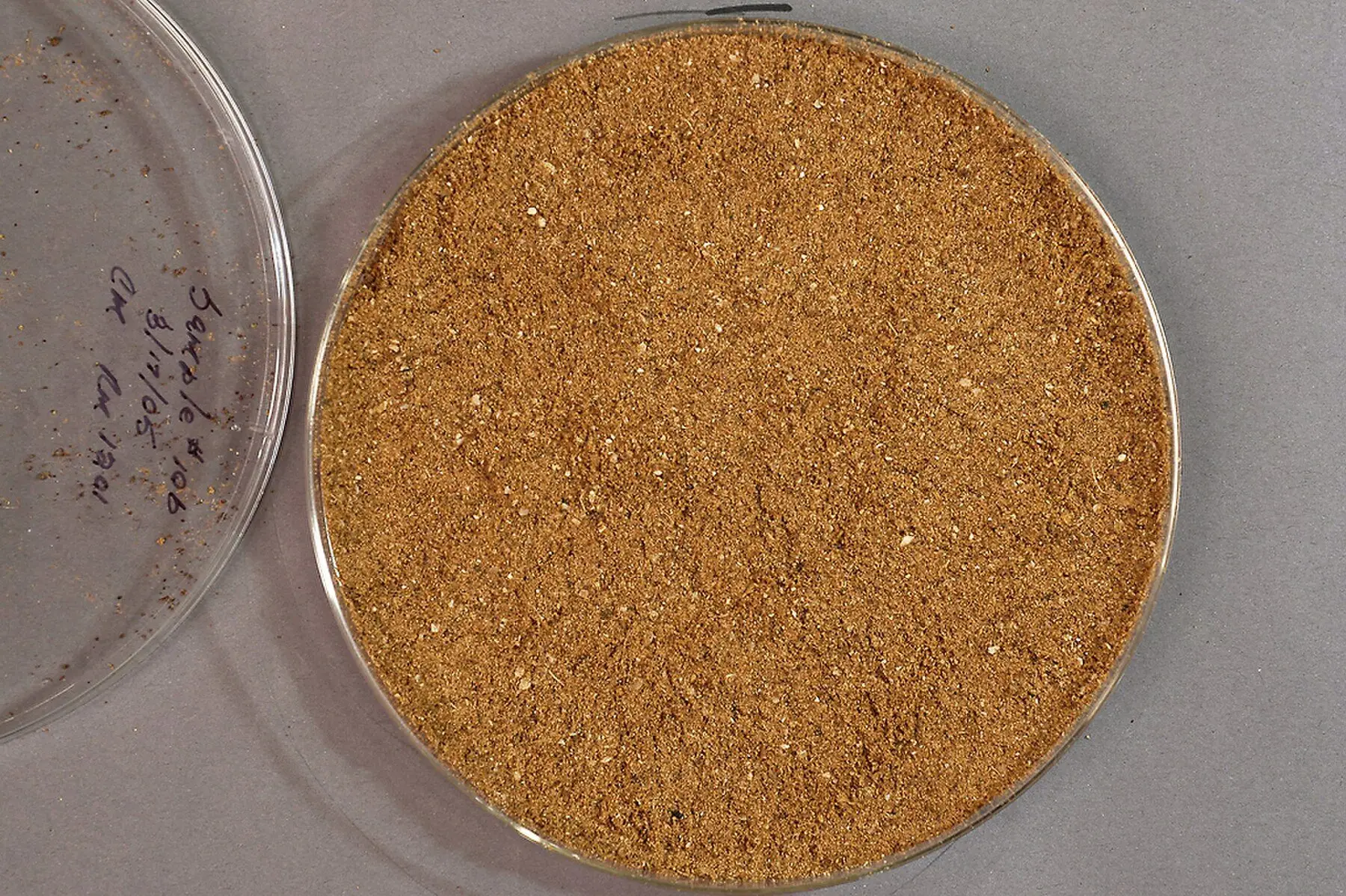
Bone Meal vs Blood Meal: Which One Your Plants Need
Blood meal is fast nitrogen for leafy growth. Bone meal is slow phosphorus that only works in acidic soil. Two different products, routinely confused.
Organic Fertilizer Examples — 4 and What Each Feeds
Organic fertilizer examples are not interchangeable; each feeds one thing. 4 compared on nitrogen, phosphorus and potassium. See which your beds want.
How to Lower Soil pH: What Works and How Long It Takes
Elemental sulfur is the reliable way to acidify soil, and it takes months. What to use, how much, and why coffee grounds and vinegar do not work.
How Much Epsom Salt Per Gallon of Water for Plants?
One tablespoon per gallon is the standard rate, monthly at most. It only helps where magnesium is genuinely short, which is rarer than the internet suggests.