
How Long Does Granular Fertilizer Take to Dissolve?
Quick-release granules break down in two to five days with watering; coated slow-release prills feed for six weeks to nine months. Water is what starts both.
 By
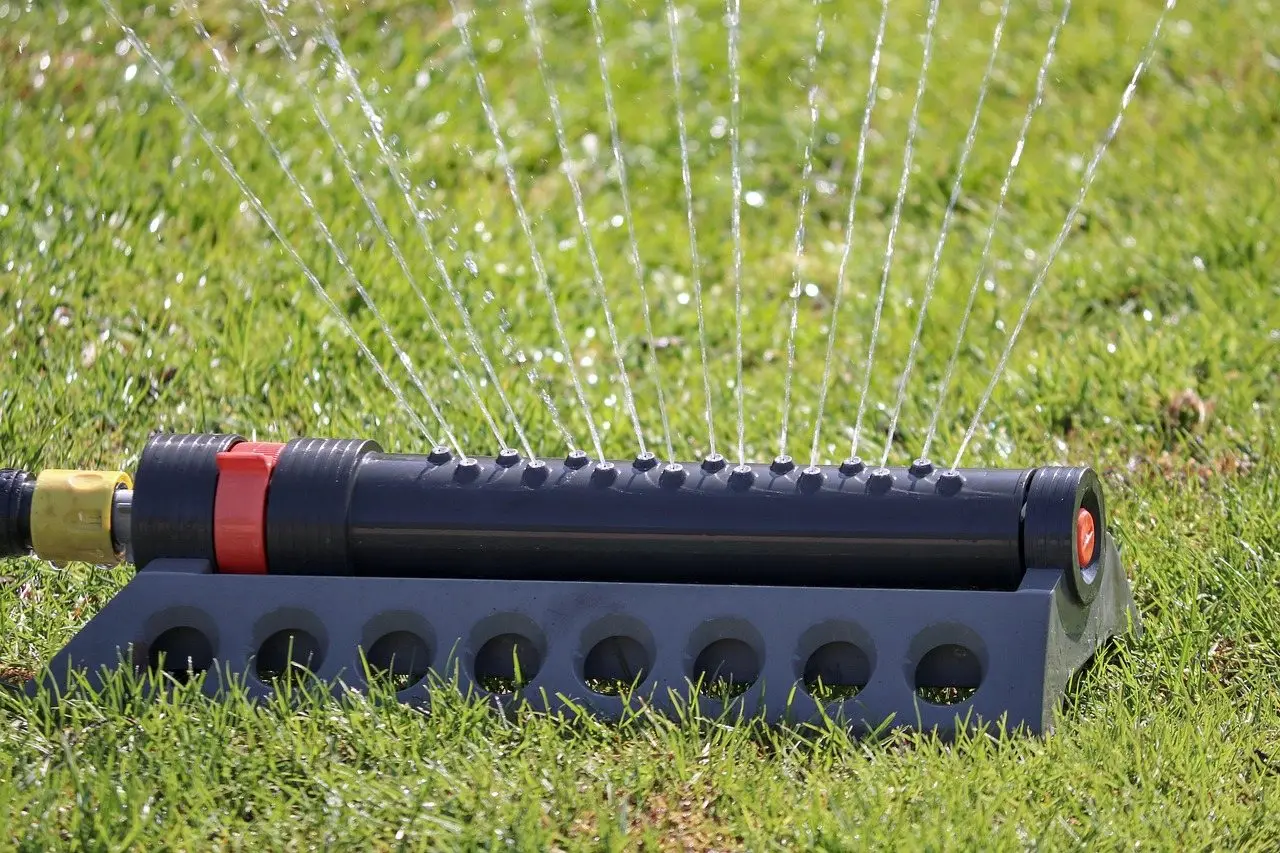
On this page
Two to five days for quick-release granules; six weeks to nine months for coated slow-release prills. The number that matters more than either: nothing happens until it gets wet.
The two products behave completely differently
| Quick-release granules | Coated slow-release prills | |
|---|---|---|
| Dissolves in | 2–5 days once wet | Does not — releases through the coating |
| Feeds for | 3–4 weeks | 6 weeks to 9 months |
| Visible response | 1–2 weeks | 2–3 weeks, then gradual |
| Burn risk | Higher | Low |
| Temperature sensitive | Mildly | Strongly — faster when warm |
| Best for | A lawn that needs a push now | Base feeding for the season |
Look at the granules to tell which you have
Quick-release products are usually irregular, crystalline and dusty. Coated slow-release prills are uniform, round and smooth, and the spent shells are often still visible in the soil months later.
Watering in is not optional
A granule on dry soil is an inert pellet. It dissolves nothing, feeds nothing, and in the meantime it is sitting against leaves and grass blades where it can scorch them.
- Half an inch of water after application, or
- Light rain within 24 hours
- Brush granules off foliage before watering if any have lodged there
- On a lawn, water until the granules have visibly disappeared into the sward
Heavy rain is not the same as watering in
A downpour within a few hours of application washes granules off slopes and hard surfaces and leaches dissolved nitrogen below the root zone. That is money into the drains. Apply ahead of light rain, not a storm.
Why spring applications seem to do nothing
Soil temperature. Microbial activity — which converts several nitrogen forms into what plants actually take up — slows sharply in cold ground, and the coatings on slow-release products release more slowly too.
An early-spring feed can look like a complete waste for three or four weeks and then arrive all at once as the soil warms. That is normal, and it is a reason not to apply a second dose out of impatience.
Granular or liquid?
- Liquid: already dissolved, uptake begins immediately, visible in days. Short-lived. Use it to correct something now.
- Granular: slower to start, lasts far longer, fewer applications, cheaper per unit of nutrient. Use it as the season’s base.
Most gardens want granular as the foundation and liquid as the occasional intervention.
Common questions
How long does granular fertilizer take to dissolve?
Do you have to water in granular fertilizer?
How long before granular fertilizer shows results?
Does temperature affect how fast fertilizer releases?
What happens if it rains heavily after applying granular fertilizer?
Is granular or liquid fertilizer faster?
Backyard Weekly
Know what to plant, week by week
Join the weekly email for seasonal jobs, fixes for what is going wrong, and gear worth buying.
Not ready to subscribe? The planting calendar is free and needs no email.
By subscribing you agree to our privacy policy. Grow In Backyard will never sell your address.
Keep reading
How Long Before Rain Should You Apply Fertilizer? 24 Hours
Granular feed wants 24 hours and light rain is a benefit. Liquid feed needs 4–6 hours to absorb, and heavy rain within a day washes both away.
Best Fertilizer for Tomatoes — 4 Picks, Potassium Late
The best fertilizer for tomatoes changes once fruit sets. 4 picks compared across the season, plus the soil test first. See which your plants need.
Organic Fertilizer Examples — 4 and What Each Feeds
Organic fertilizer examples are not interchangeable; each feeds one thing. 4 compared on nitrogen, phosphorus and potassium. See which your beds want.
How Much Bone Meal to Add to Soil: Rates That Work
Roughly 1 tablespoon per planting hole and 10 lb per 100 square feet. Bone meal only works in soil below pH 7, which is the part most guides leave out.