Companion Plants for Tomatoes (And 5 to Keep Away)
Basil, marigolds, and borage earn their place next to tomatoes. Fennel, potatoes, and brassicas do not. What to plant together, and why each pairing works.

On this page
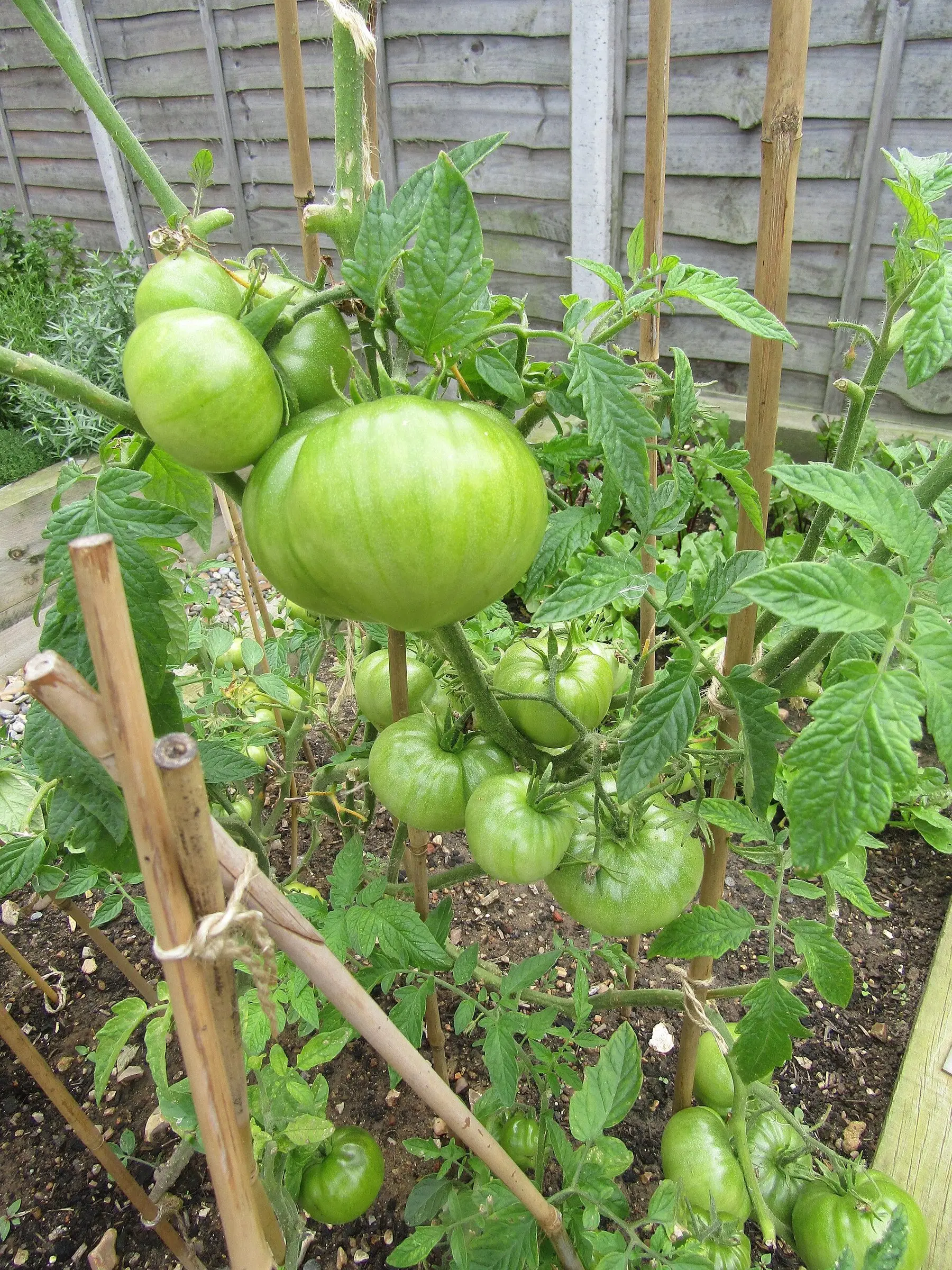
Companion planting attracts more folklore than most gardening subjects. Some of it holds up under testing, quite a lot of it does not, and the difference matters when you are deciding what to do with limited bed space.
Here is what genuinely earns a place next to tomatoes, what to keep well away, and why.
What to plant with tomatoes
| Plant | What it does | How to use it |
|---|---|---|
| Basil | Repels thrips; disrupts moth egg-laying | 12–18 in away, one plant per two tomatoes |
| French marigold | Suppresses root-knot nematodes in soil | Plant as a block the season before, then dig in |
| Borage | Draws pollinators; deters tomato hornworm | One plant per bed corner — it gets large |
| Nasturtium | Trap crop for aphids and whitefly | At the bed edge, where you can pull infested leaves |
| Garlic / chives | Sulphur compounds deter spider mite and aphids | Border row along the bed |
| Carrots | Uses deep soil the tomatoes are not using | Between plants; expect smaller roots |
| Lettuce | Ground cover; shades soil, holds moisture | Under the canopy, harvested before mid-summer |
The honest summary is that most of the benefit is distraction and diversity, not chemistry. A bed containing five species is harder for a specialist pest to find and colonise than a block of forty identical tomato plants. That effect is real and well documented, and it is the main reason to interplant at all.
Nasturtium is a sacrifice, not a shield
Trap crops work by being more attractive than the plant you care about — so a nasturtium covered in aphids is the system working, not failing. Plant it at the edge of the bed where you can inspect it, and pull heavily infested leaves rather than spraying them.
What to keep away
Fennel is the one genuine villain. It releases allelopathic compounds from its roots that inhibit germination and stunt the growth of most neighbours, tomatoes included. Give it its own corner or grow it in a pot.
Potatoes share both early and late blight with tomatoes — they are in the same family. Planting them together turns one infection into two crops lost, and blight spores persist in the soil.
Brassicas (cabbage, broccoli, kale, cauliflower) are heavy feeders that want the same nitrogen at the same time. In a bed, the tomatoes usually lose.
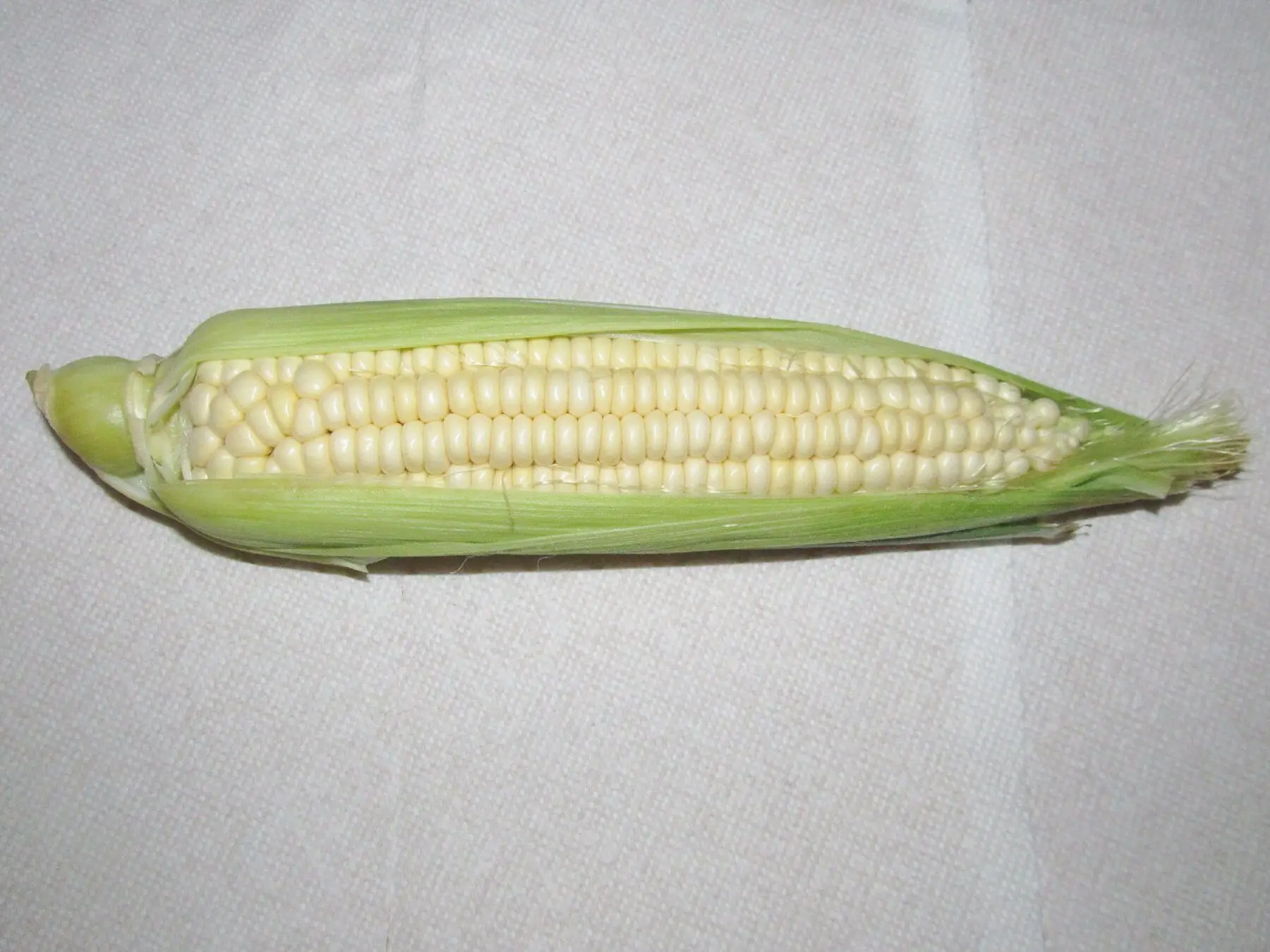
Corn attracts corn earworm, which is the same insect as tomato fruitworm. Putting them together gives it two food sources and a longer season.
Black walnut is not negotiable: its roots release juglone, which is toxic to tomatoes, and the root zone extends well past the drip line. Do not plant tomatoes within 50 feet of a mature tree.
Rotate anyway
Companion planting does not replace crop rotation. Tomatoes should not go back into the same ground for three years, whatever you plant beside them — soil-borne blight, verticillium, and fusarium all build up in the bed regardless of what the neighbours are.
A layout that works
For a standard 4×8 ft raised bed:
- Six tomato plants down the centre, 18 inches apart, staked
- Basil between every second pair
- Borage in two opposite corners
- A row of garlic or chives along the long edge
- Nasturtium trailing over the short ends
- Lettuce underneath in spring, pulled once the canopy closes
That gives you six species in one bed, all of them either edible or working, and no two competing for the same layer of soil.
Common questions
What should you not plant next to tomatoes?
Does basil actually improve tomato flavour?
How close should companion plants be to tomatoes?
Do marigolds really repel nematodes?
Backyard Weekly
Know what to plant, week by week
Free planting calendar. Join the weekly email for seasonal jobs, fixes for what is going wrong, and gear worth buying.
Set MONETIZATION.email.endpoint in src/config/site.ts to enable this form.
By subscribing you agree to our privacy policy. Grow In Backyard will never sell your address.
Keep reading
How to Grow Garlic: Plant in Fall, Harvest in July
Garlic is the easiest crop in the garden if you plant it at the right time. Here is the full cycle — choosing bulbs, planting depth, mulch, scapes, and harvest.
How Deep to Plant Potatoes (And Why Hilling Matters More)
Four inches at planting, then hill as they grow. Why planting deep in cold spring soil backfires, and how depth differs in containers and no-dig beds.
How to Grow Peppercorns: A Tropical Vine in a Pot
Black pepper is a climbing vine needing warmth, humidity and three years before it fruits. What it takes indoors, and why all four peppercorns are one plant.
When Is Corn Harvested? The Milk Test, Not the Calendar
Sweetcorn has a harvest window of a few days and starts losing sugar within an hour of picking. The three signs, and why you check by piercing a kernel.