Growing Guides ·
How Deep to Plant Potatoes (And Why Hilling Matters More)
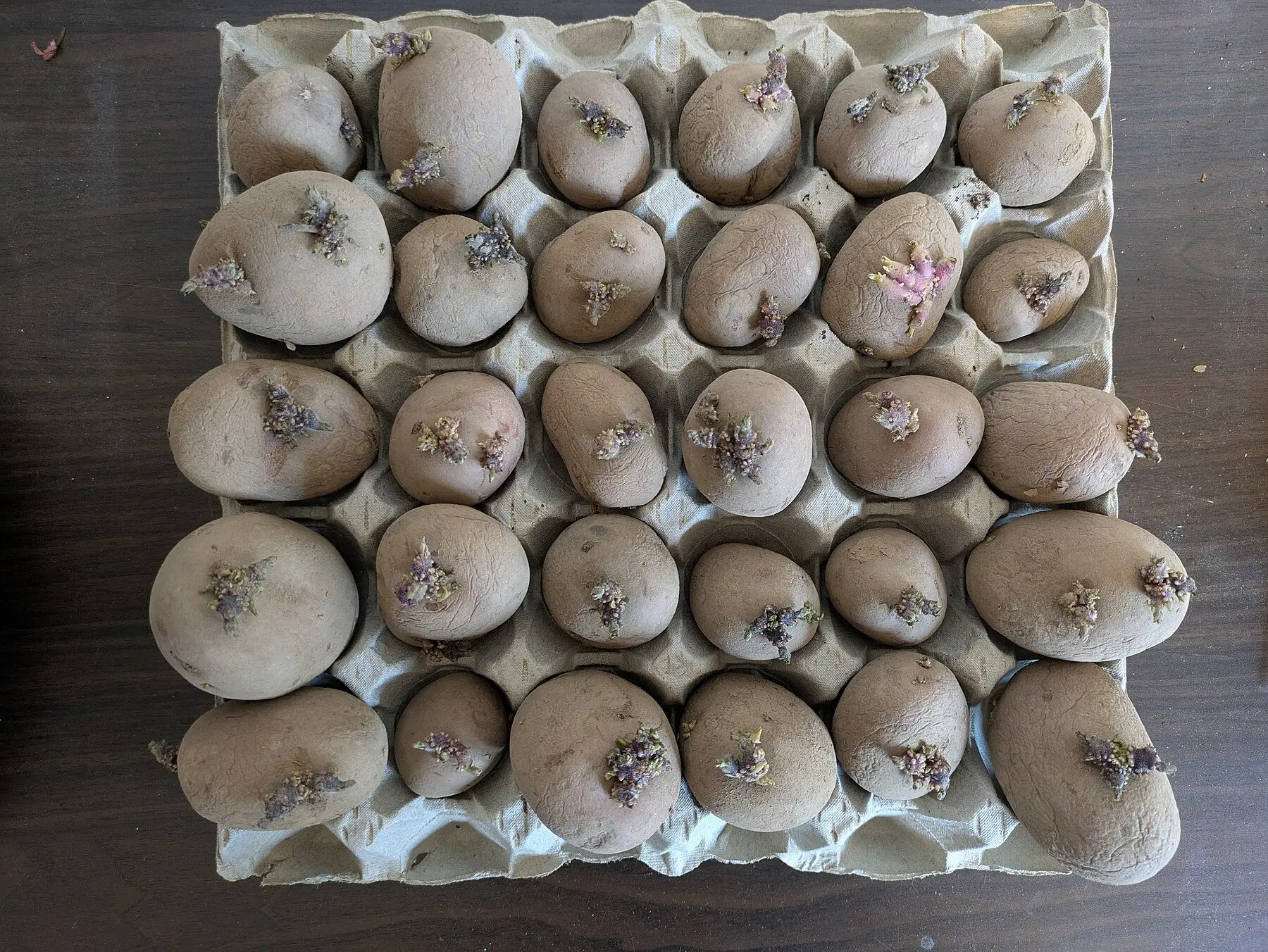
Four inches at planting, then hill as they grow. Why planting deep in cold spring soil backfires, and how depth differs in containers and no-dig beds.
25 guides in Growing Guides.
Start here
Beans rot in cold wet soil and resent transplanting, so sowing date matters more than anything else. Bush versus pole, supports, and picking to keep them coming.
Four inches at planting, then hill as they grow. Why planting deep in cold spring soil backfires, and how depth differs in containers and no-dig beds.
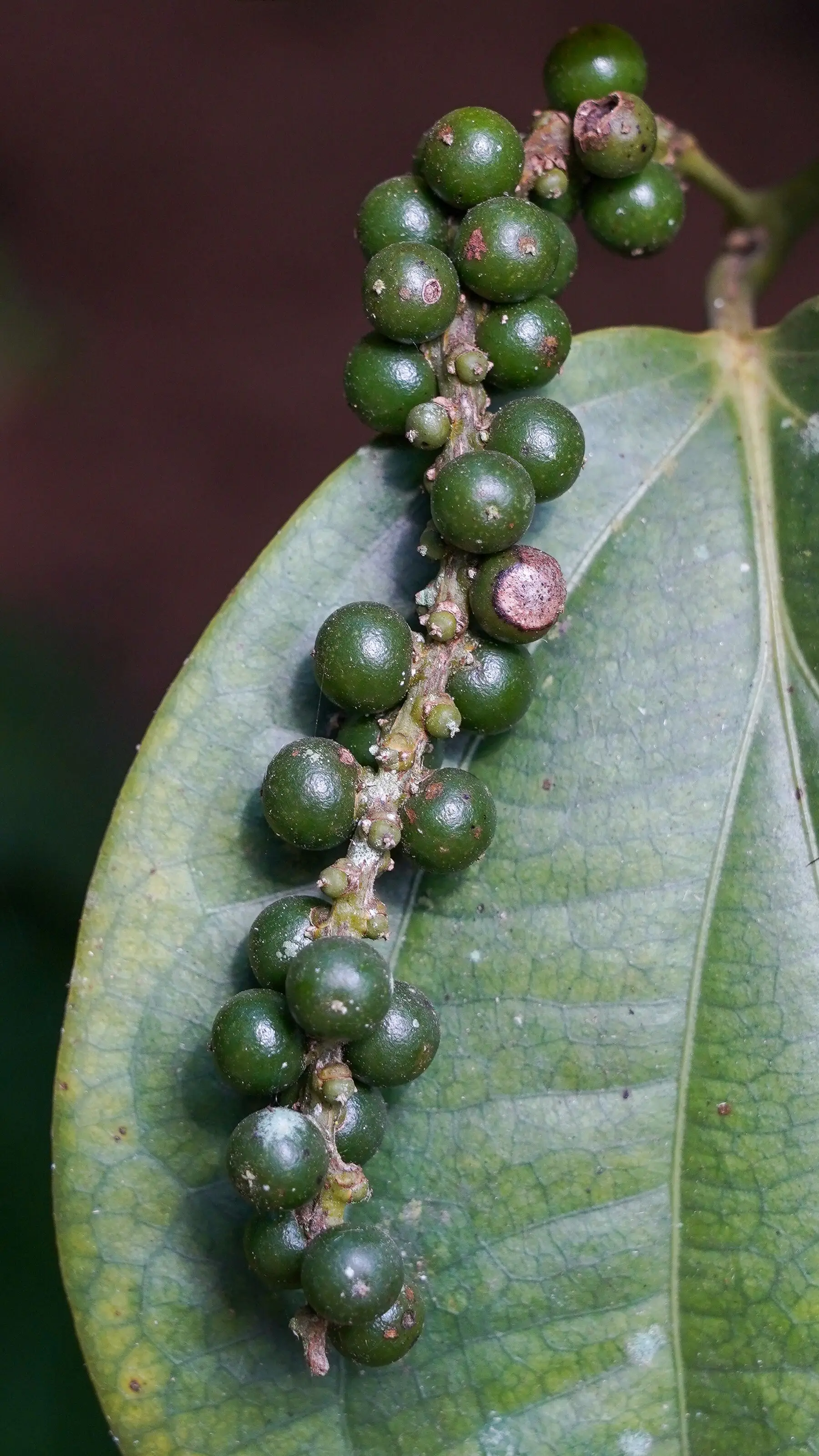
Black pepper is a climbing vine needing warmth, humidity and three years before it fruits. What it takes indoors, and why all four peppercorns are one plant.
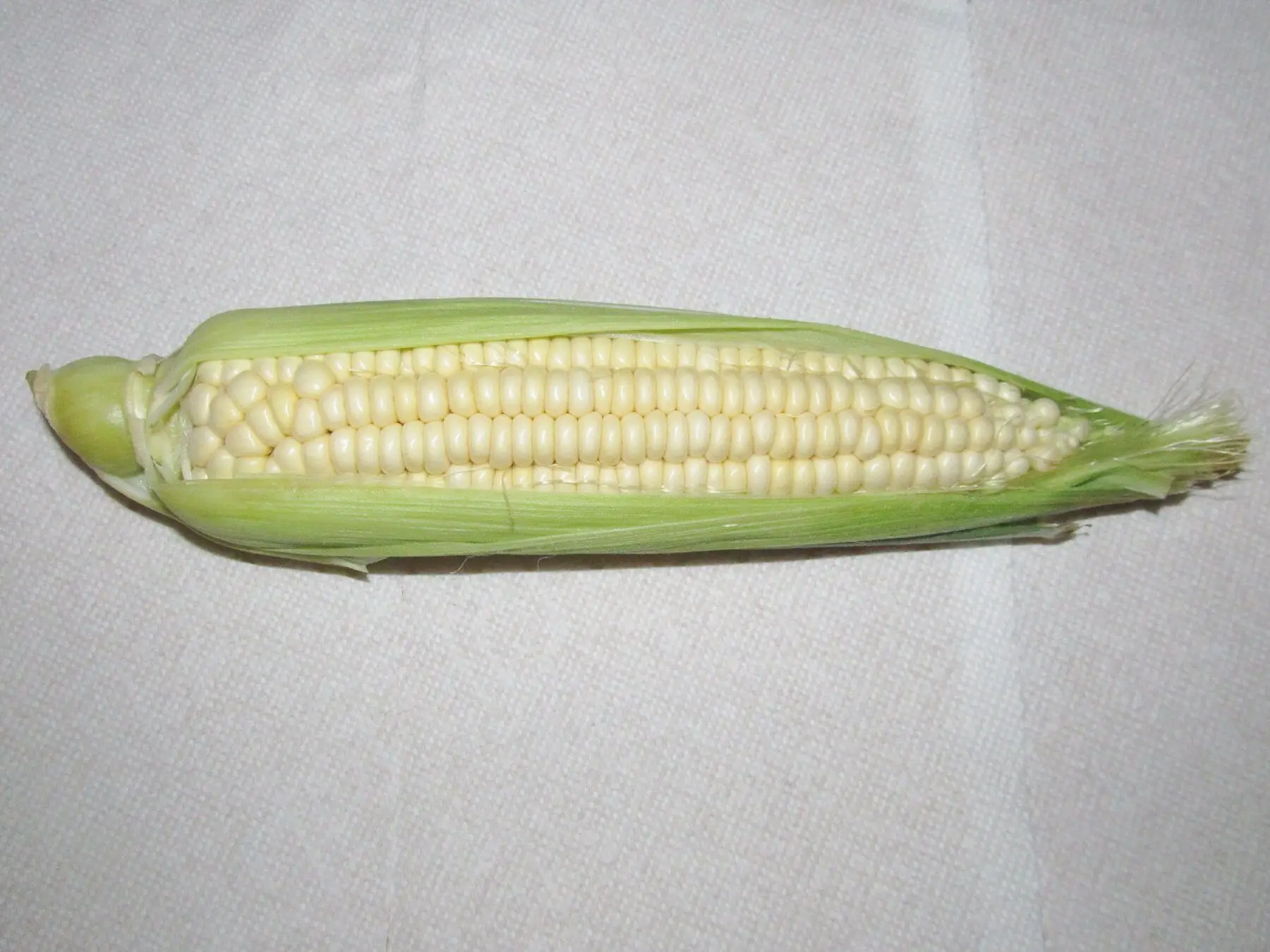
Sweetcorn has a harvest window of a few days and starts losing sugar within an hour of picking. The three signs, and why you check by piercing a kernel.
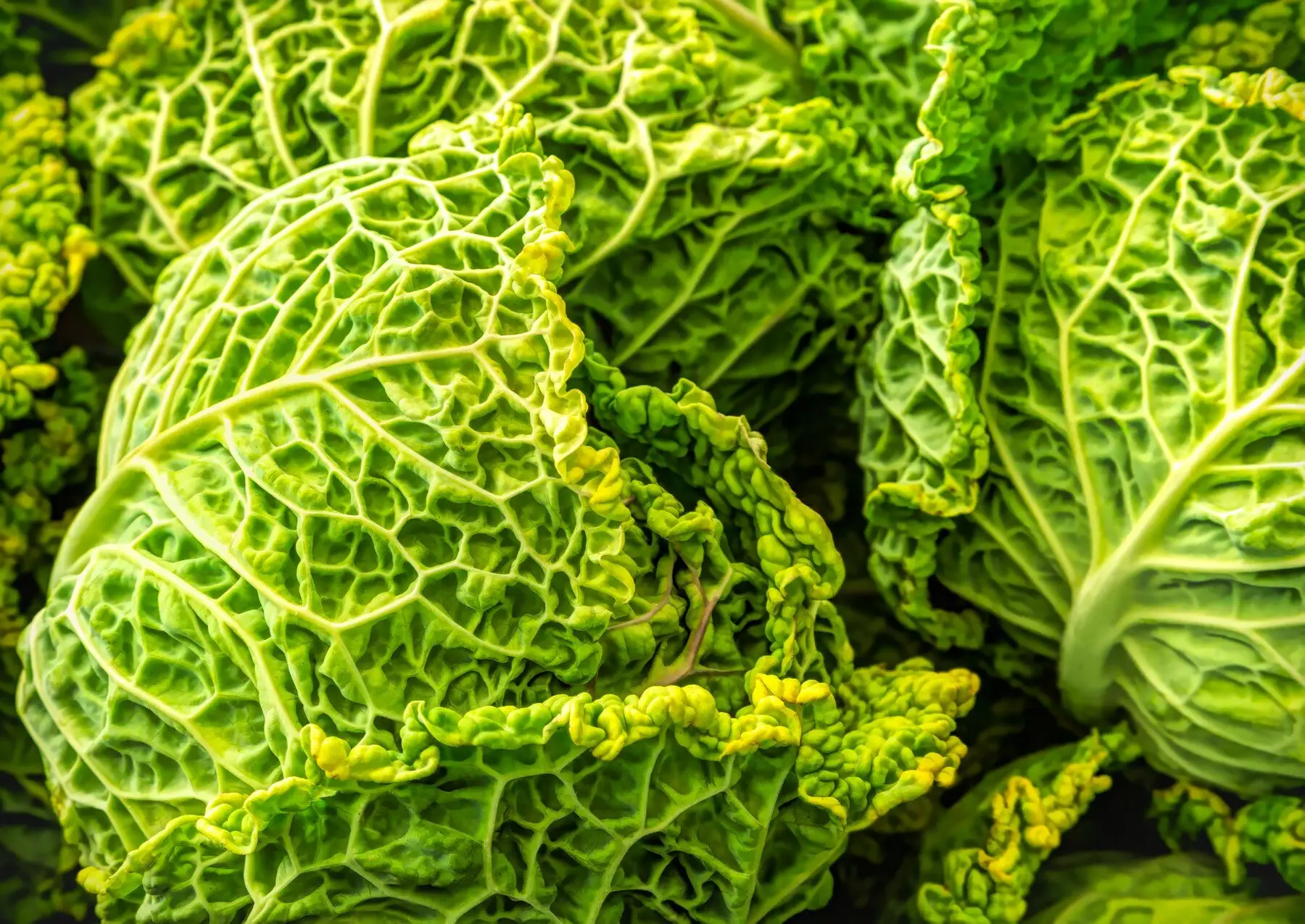
Cabbages need firmer ground than most crops, more room than people give them, and a physical barrier against pests. Splitting heads and clubroot, explained.
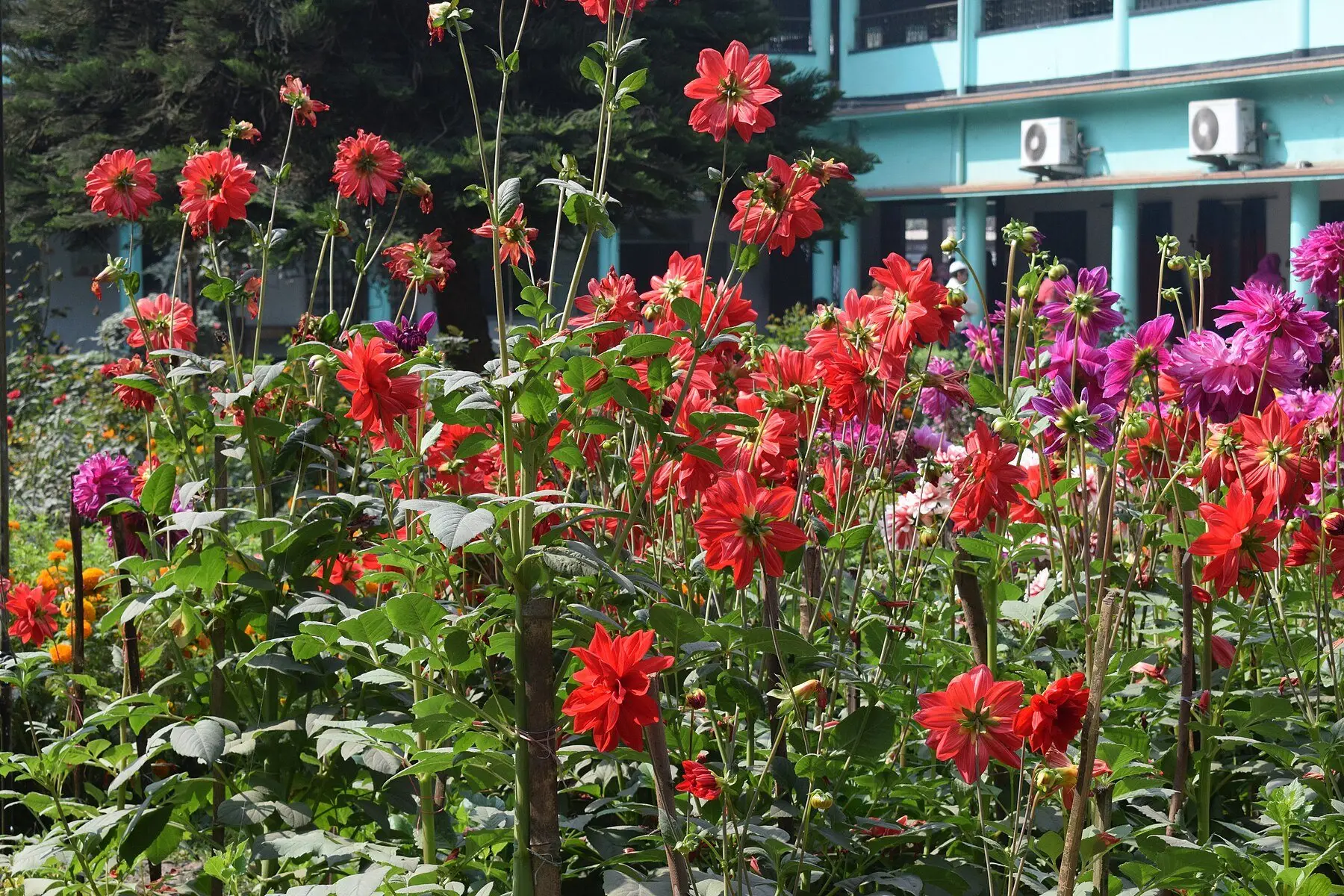
Dahlia tubers rot in cold wet soil, so the planting date is set by soil temperature. Starting them early under cover, and the honest case for leaving them in.
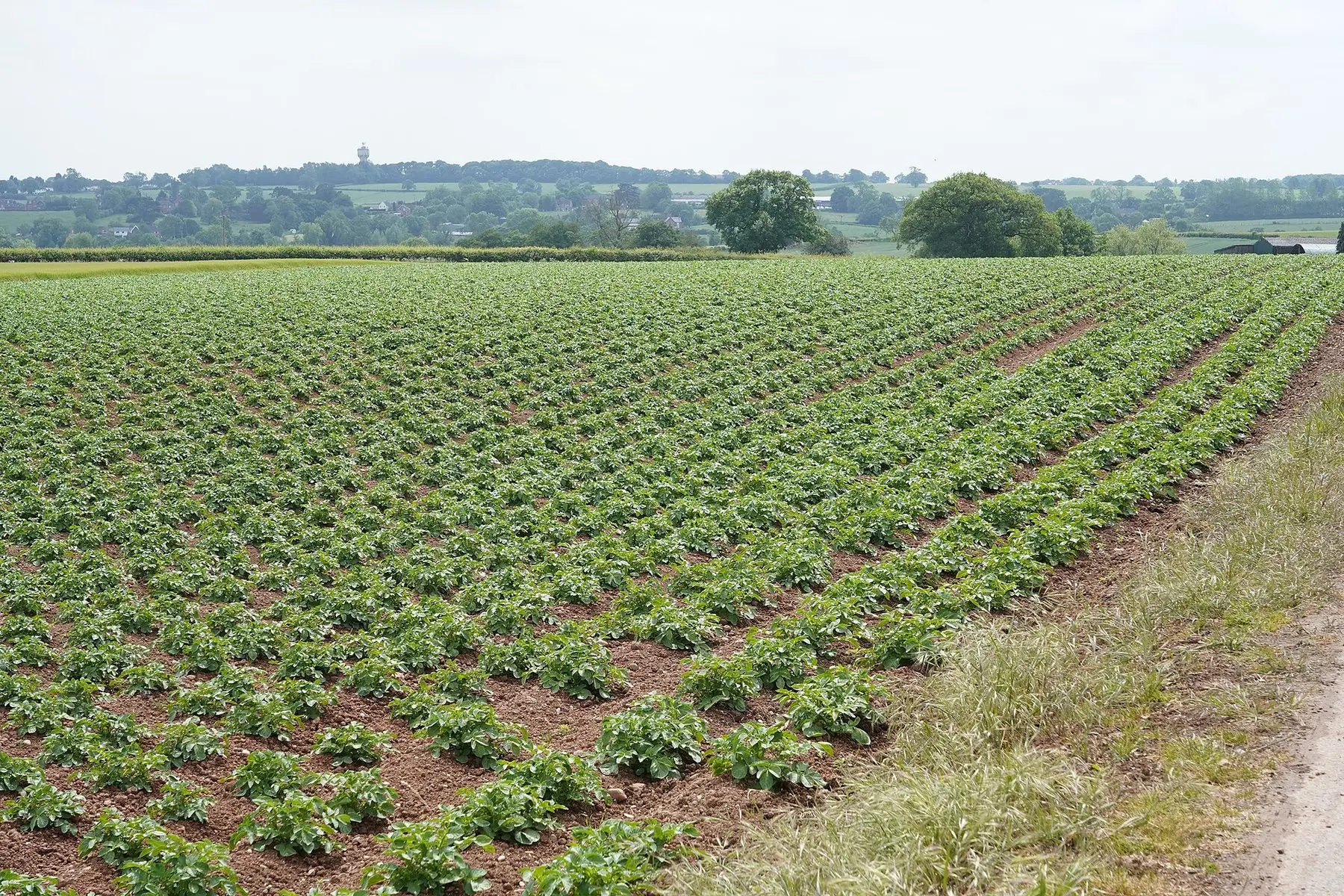
Potatoes are greedy, shallow-rooted and need earthing up, which rules out most neighbours. What genuinely fits alongside them, and the two crops to keep well away.
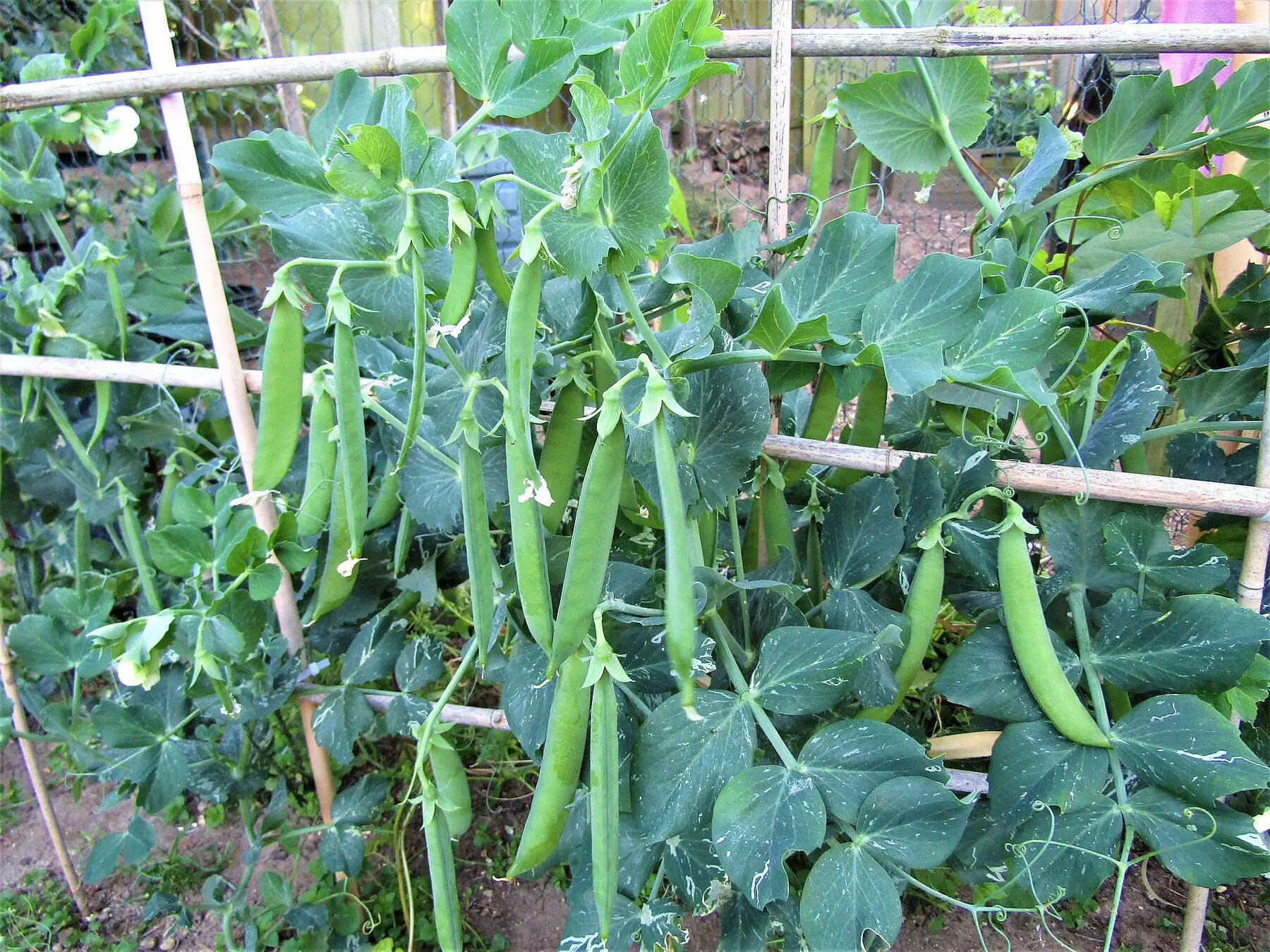
Peas are a cool-season crop that stops in heat, so sowing early beats sowing well. Support at three inches, and the sugar-to-starch clock after picking.
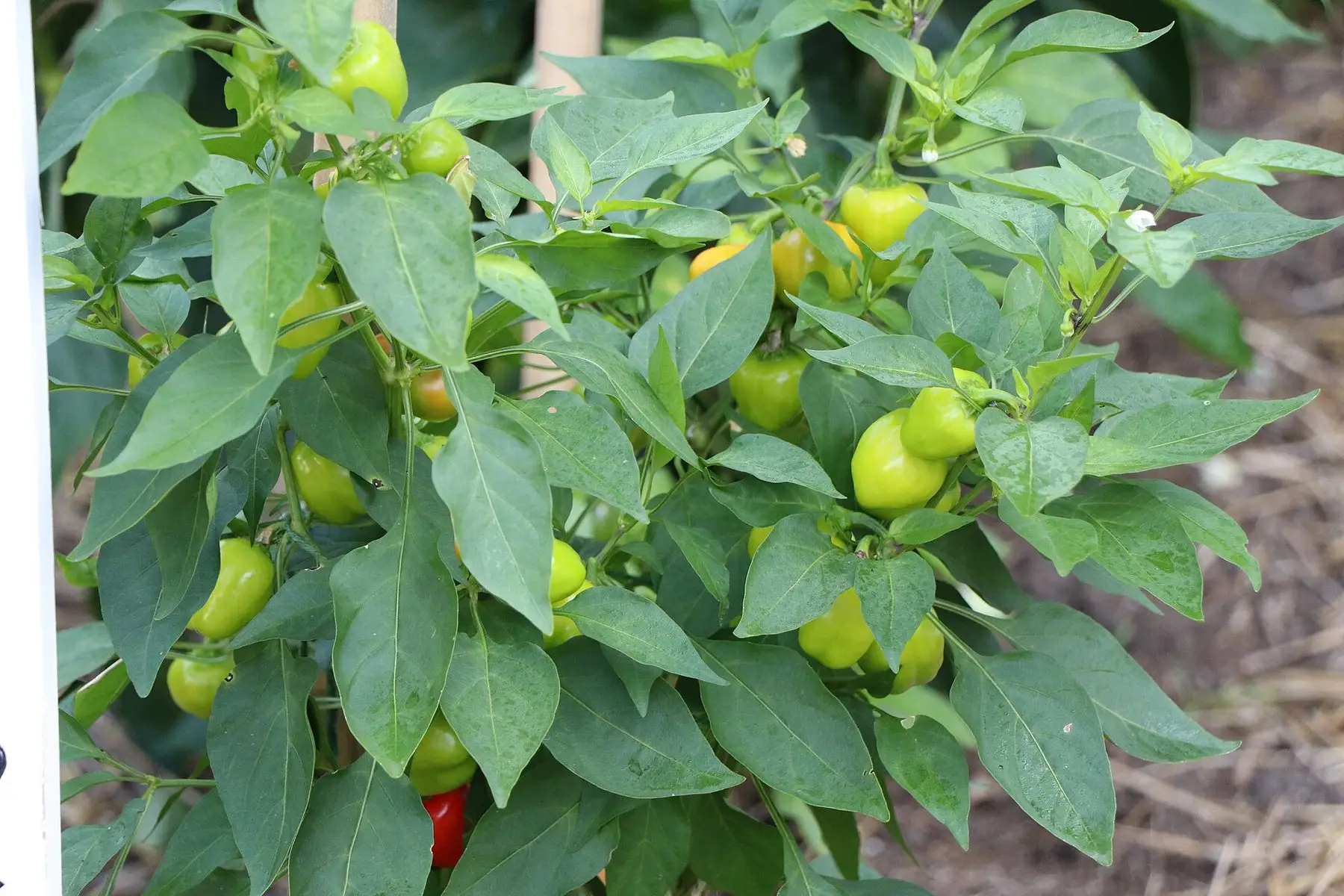
Peppers need more heat than tomatoes and stall in cool nights. When to sow, the temperature range that makes flowers drop, and why to feed them less than you think.
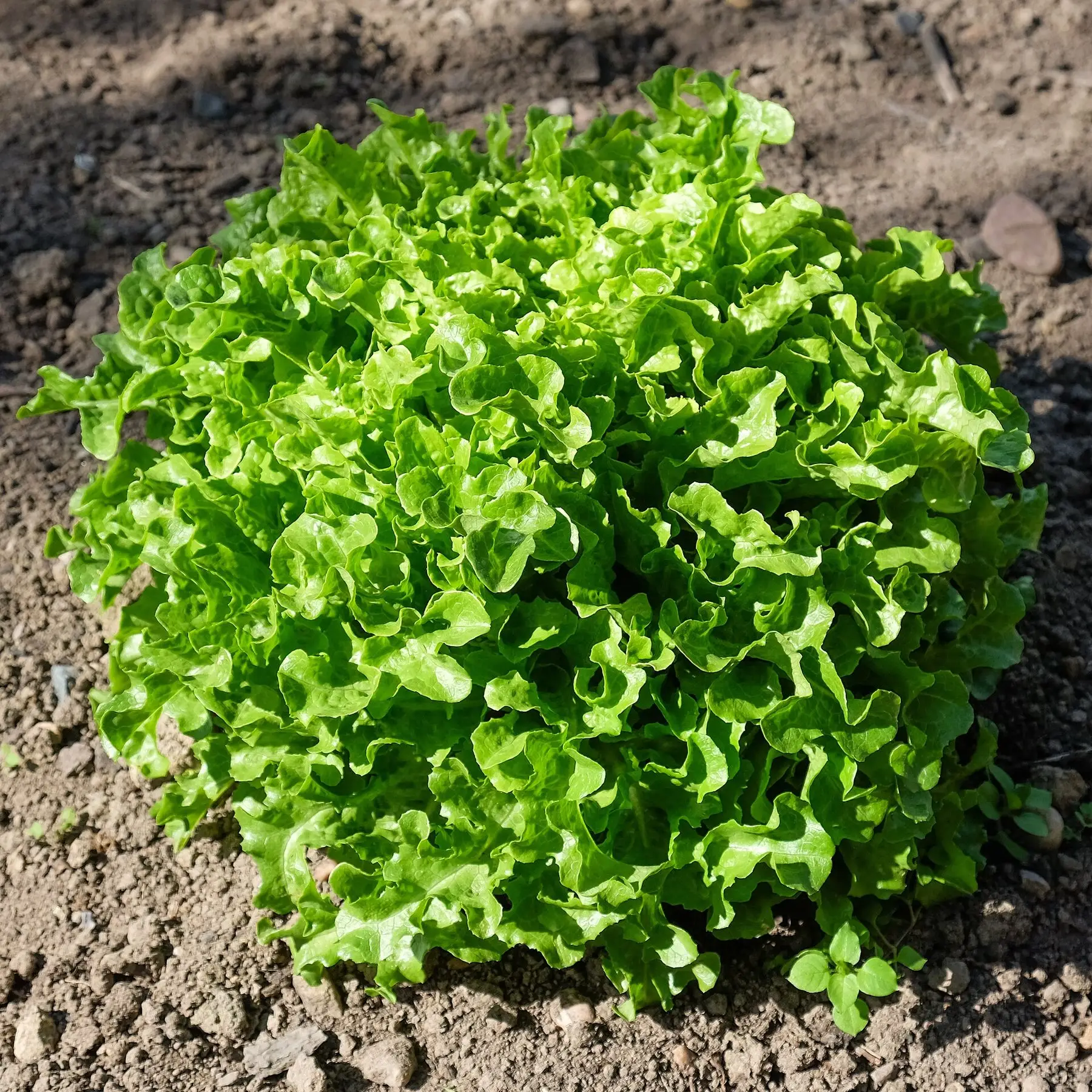
Cut-and-come-again gets three or four crops from one sowing, but only if you cut above the growing point. Where that is, and why lettuce turns bitter.
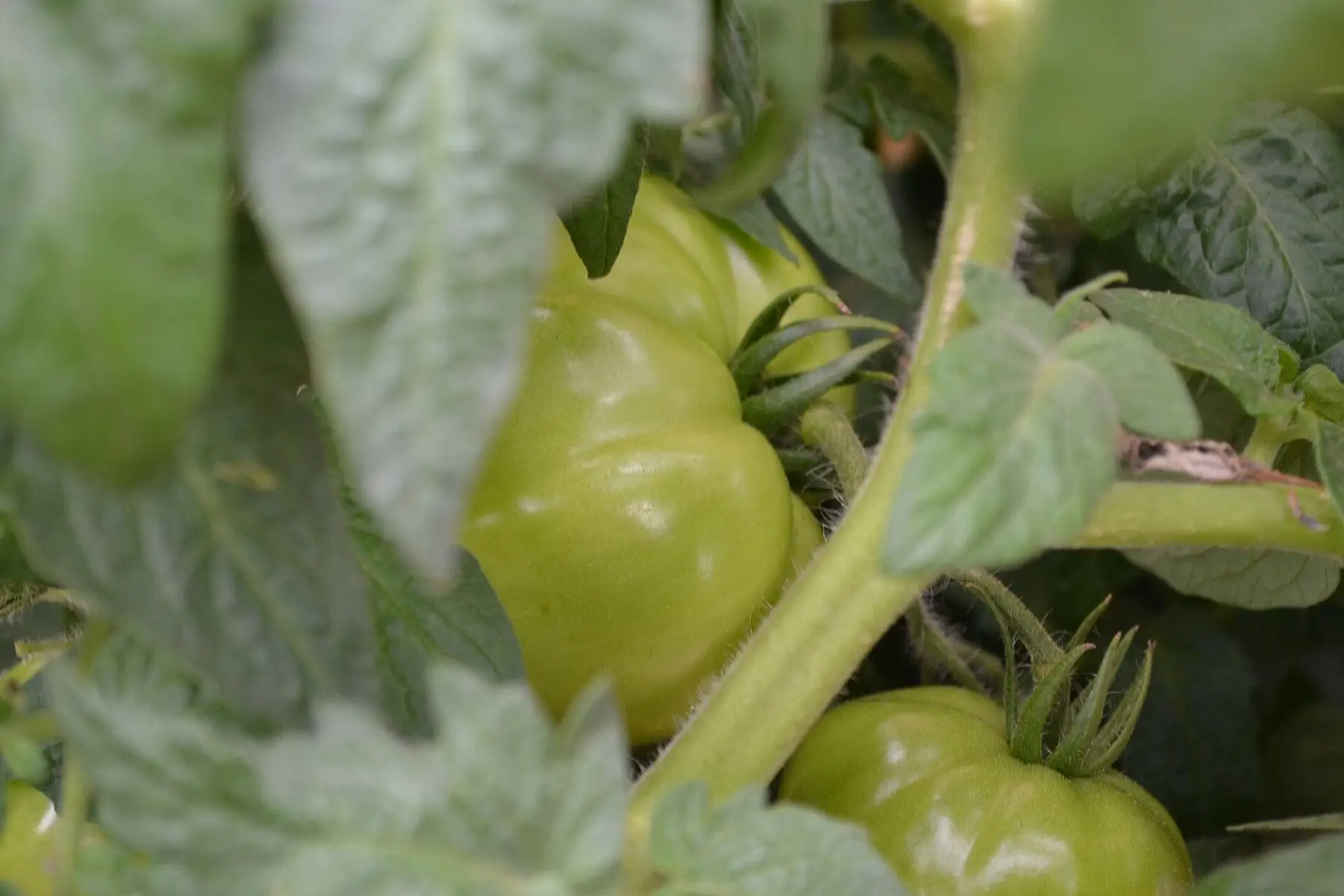
Tomatoes ripen on ethylene, not sunlight, so a windowsill is the wrong place. What actually works, which fruit will never ripen, and what to do with those.
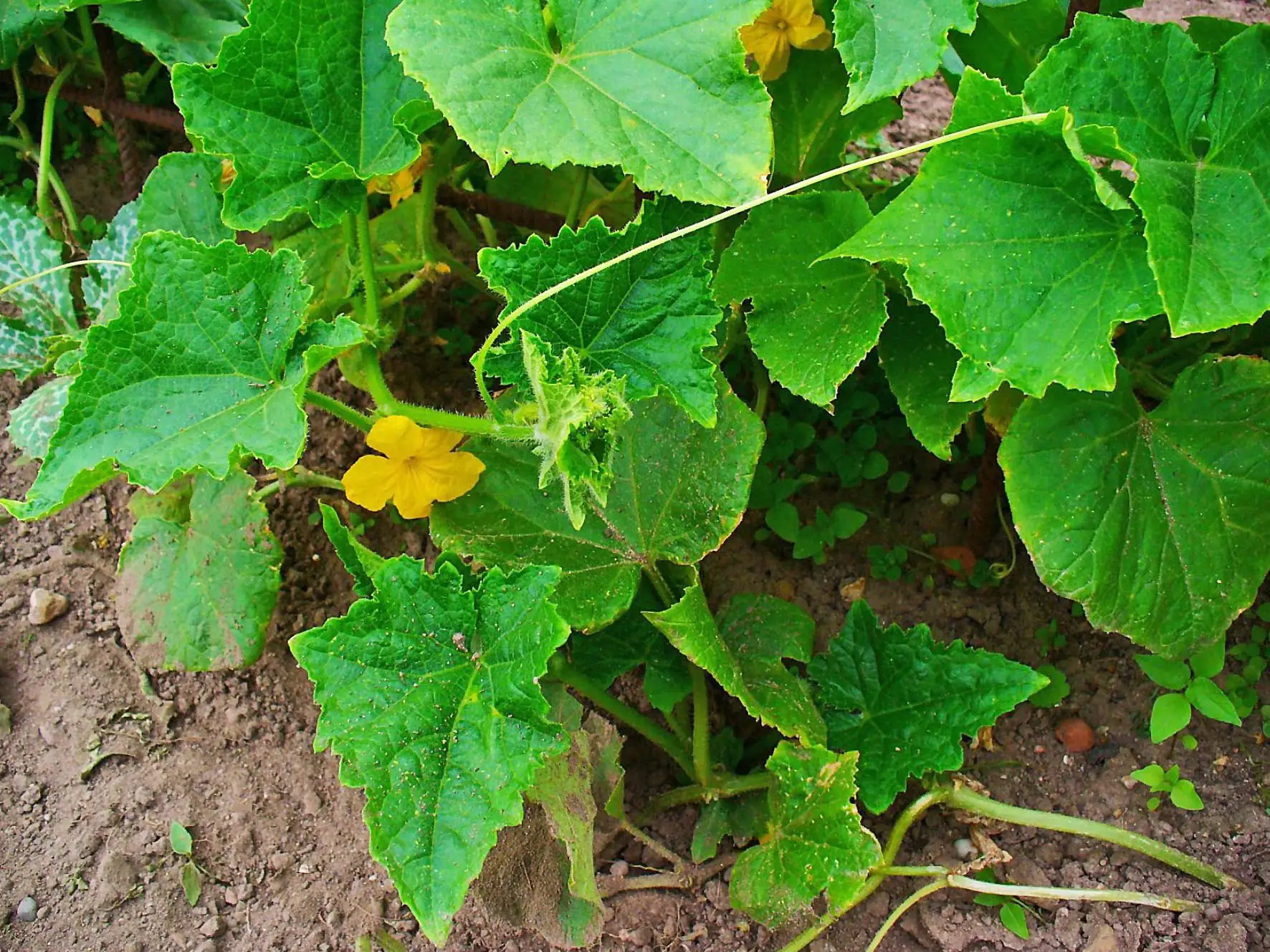
Cucumbers need pollinators and hate competition for water. What genuinely helps, what the evidence is thin on, and the two neighbours worth actually avoiding.
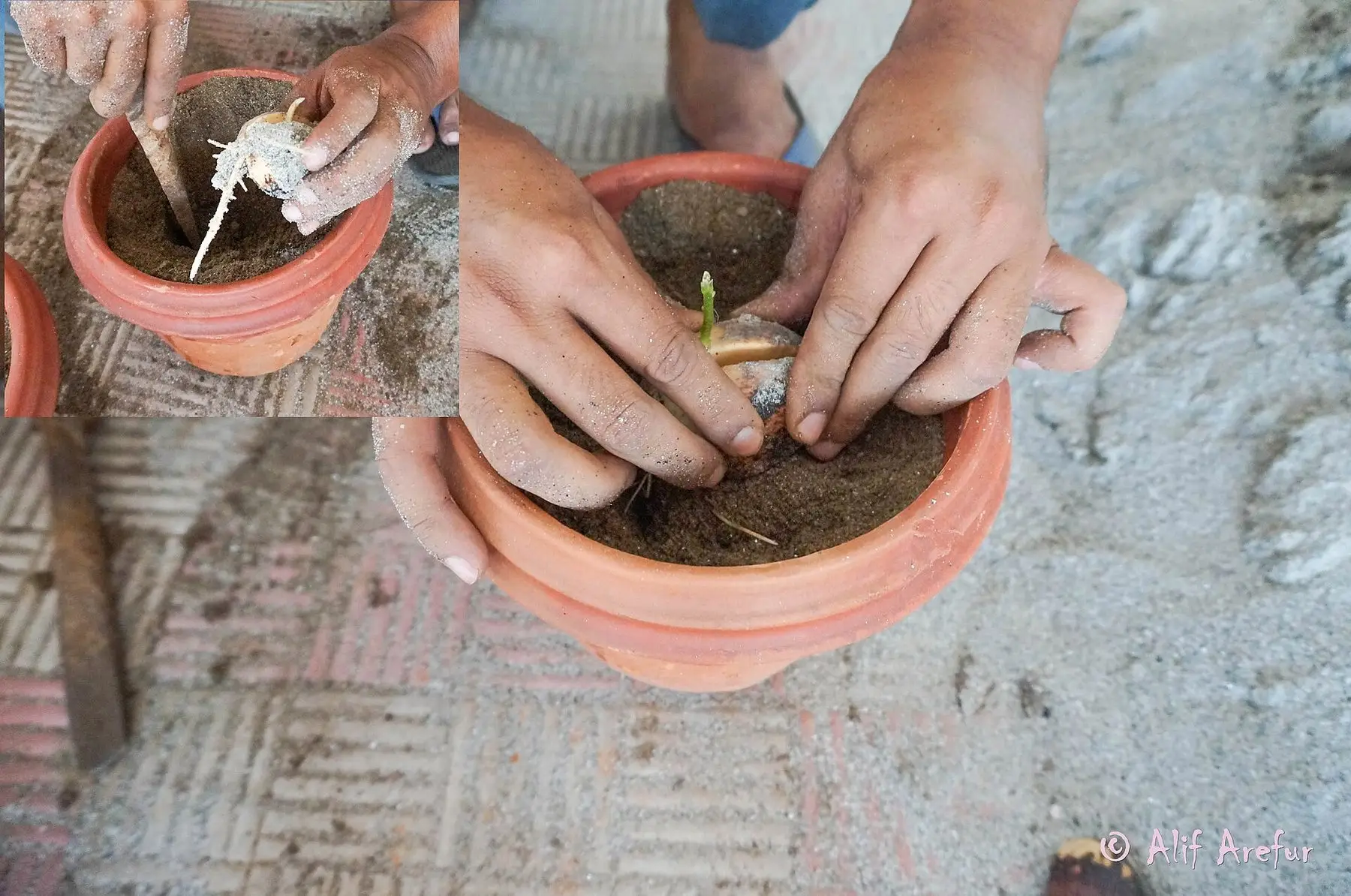
A pit sprouts easily and almost never fruits. What the toothpick trick produces, why grafted trees exist, and the A/B flowering quirk that decides pollination.
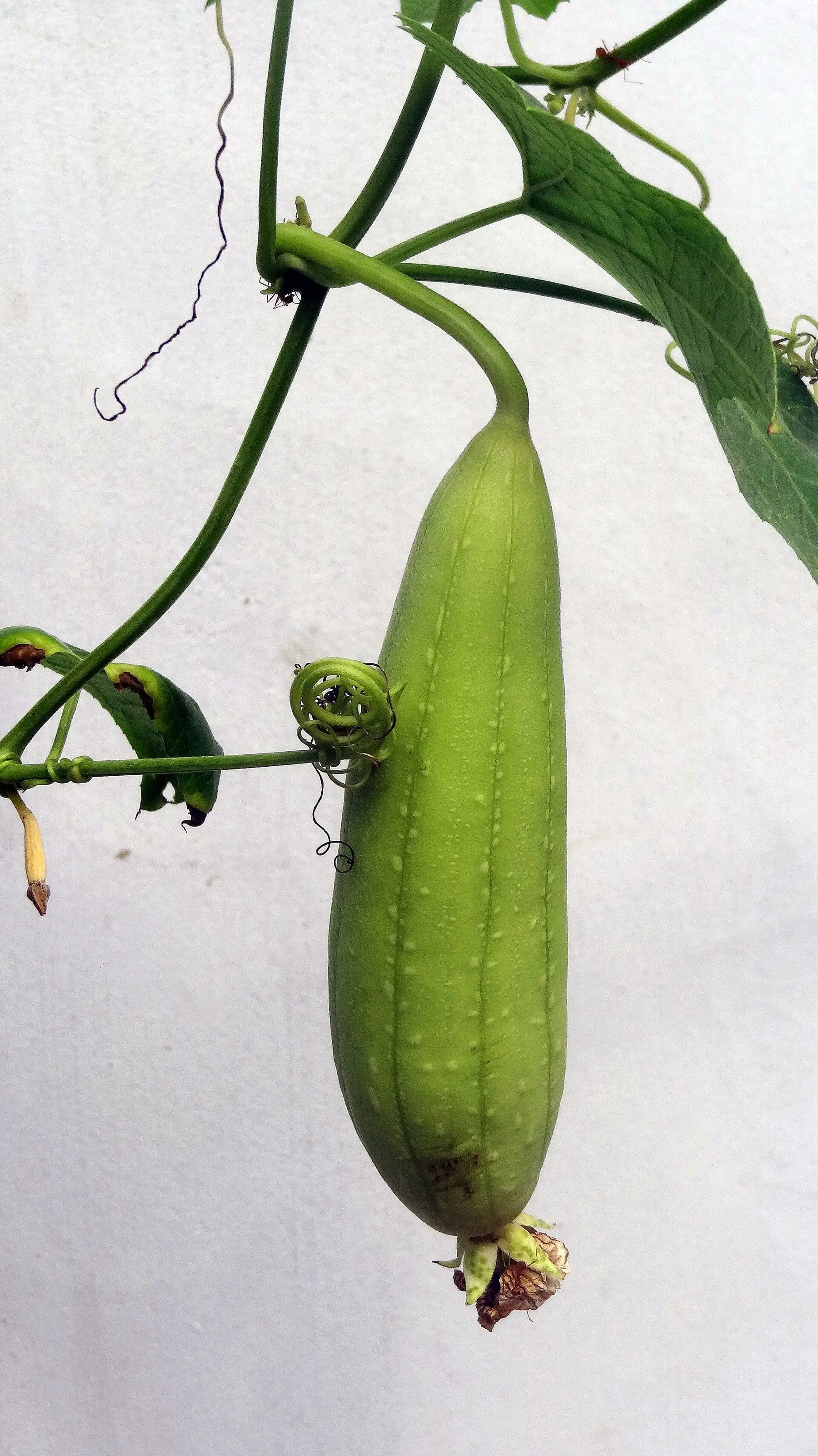
Cucumbers fail from cold soil at the start and inconsistent water later. Bush or vining, why the first flowers set nothing, and what actually makes them bitter.
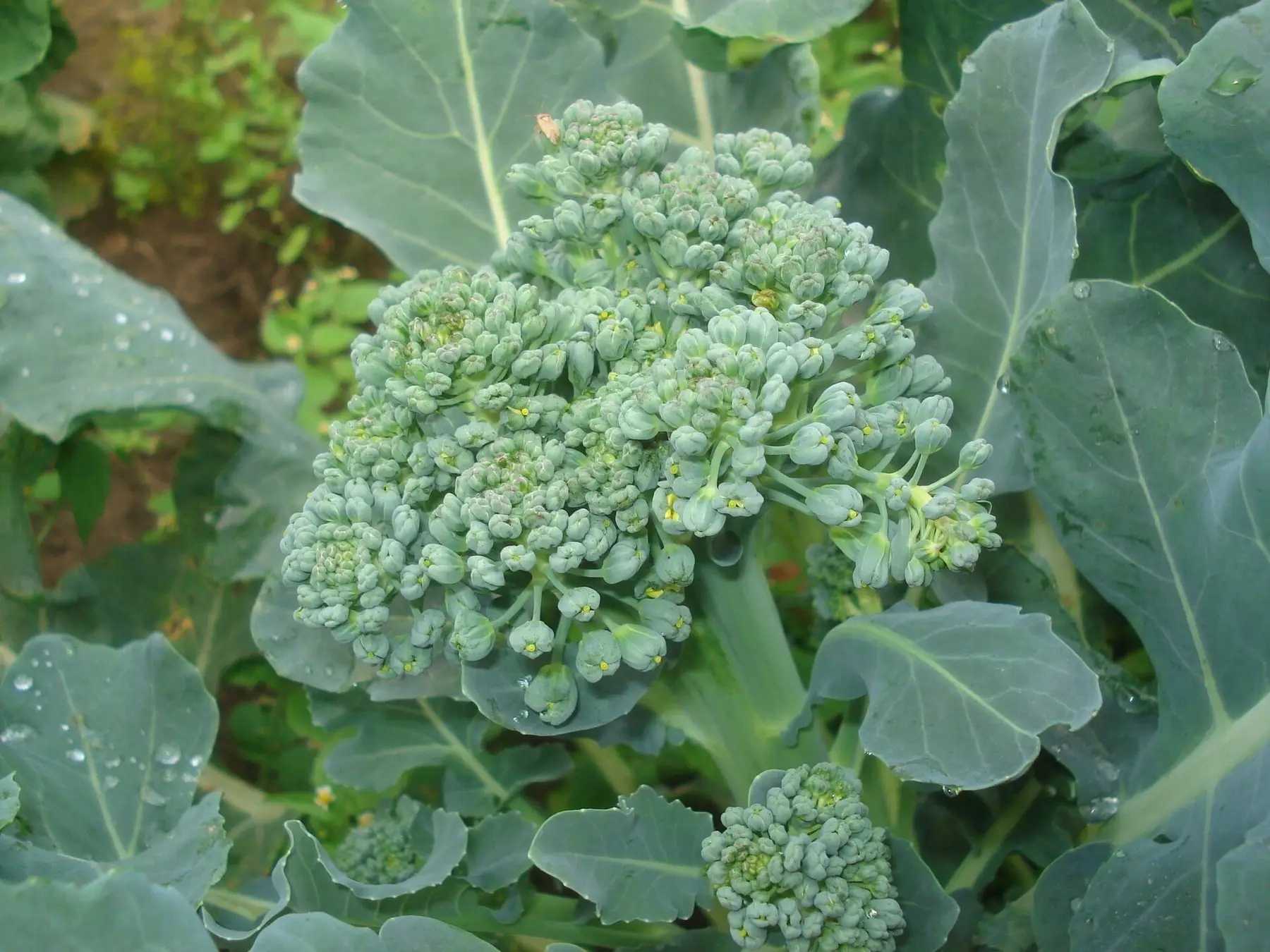
Broccoli bolts in heat and buttons when checked as a seedling. Timing the sowing, spacing for a decent head, and cutting so the side shoots keep coming.
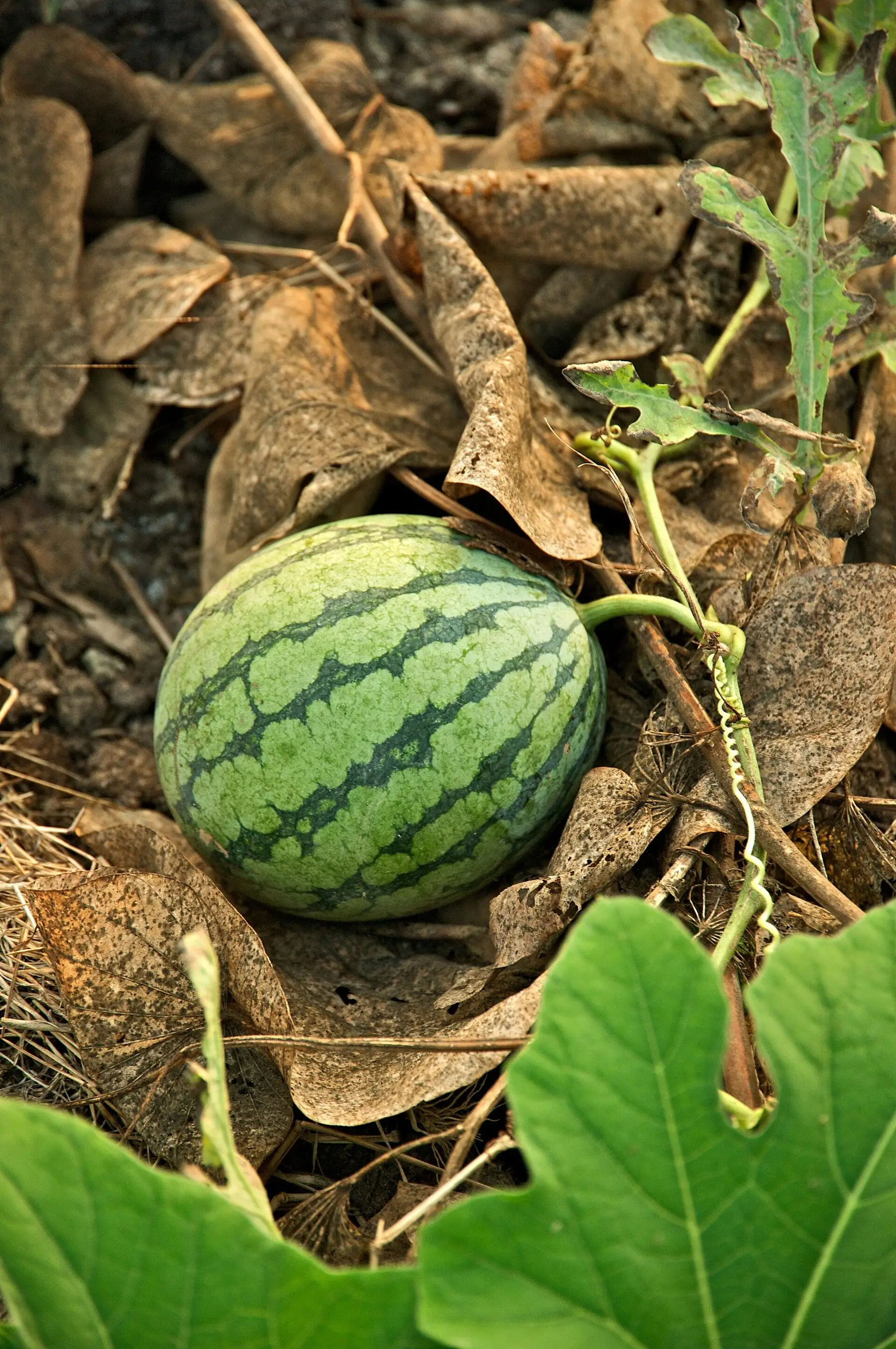
Watermelon needs 70 to 100 warm days and more room than people give it. The three ripeness signs that work, and why thumping mostly does not.
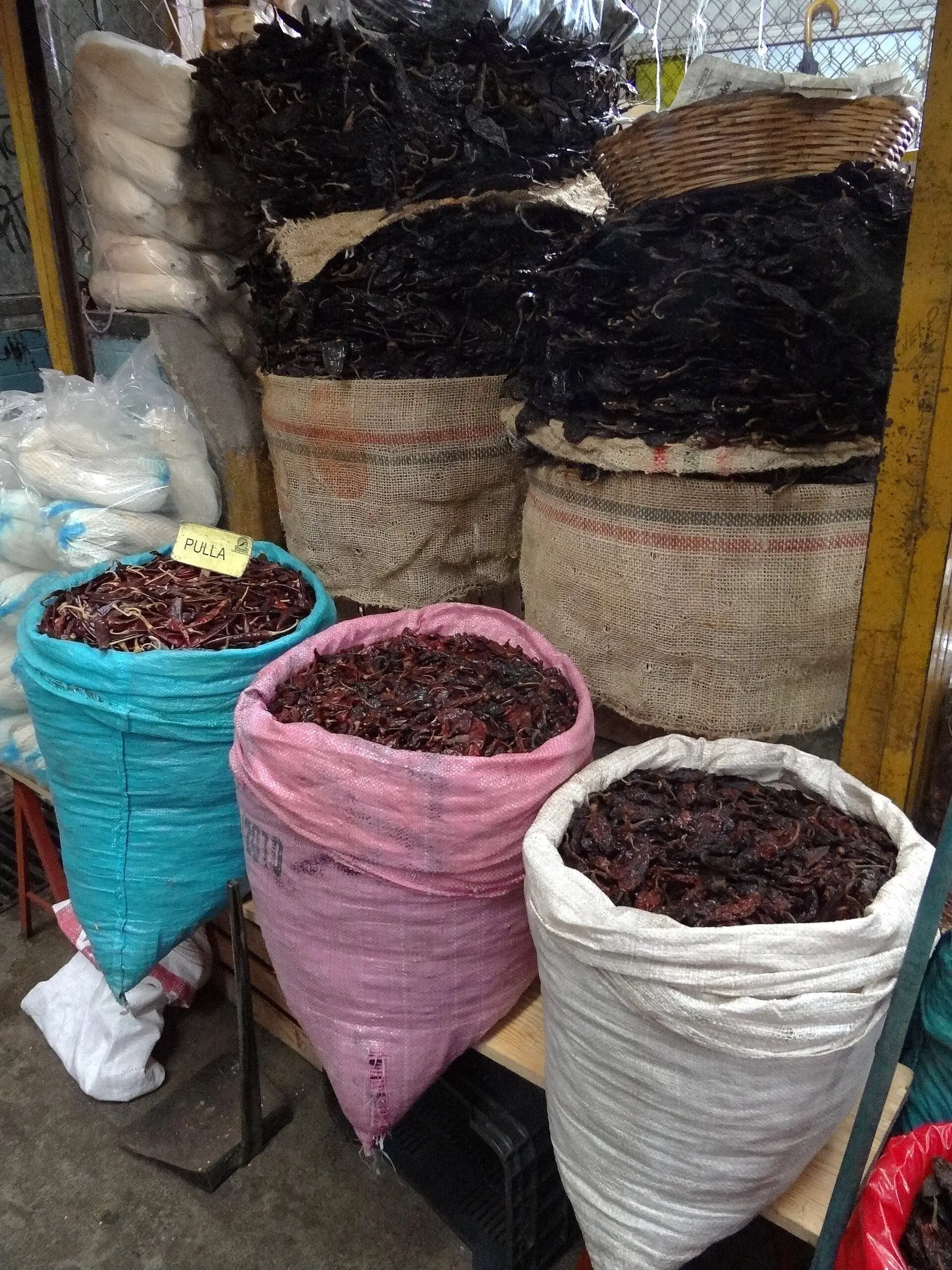
Scoville is only half the story — a habanero and a serrano at similar heat behave completely differently in a pan. Thirty peppers by heat, flavour, and best use.
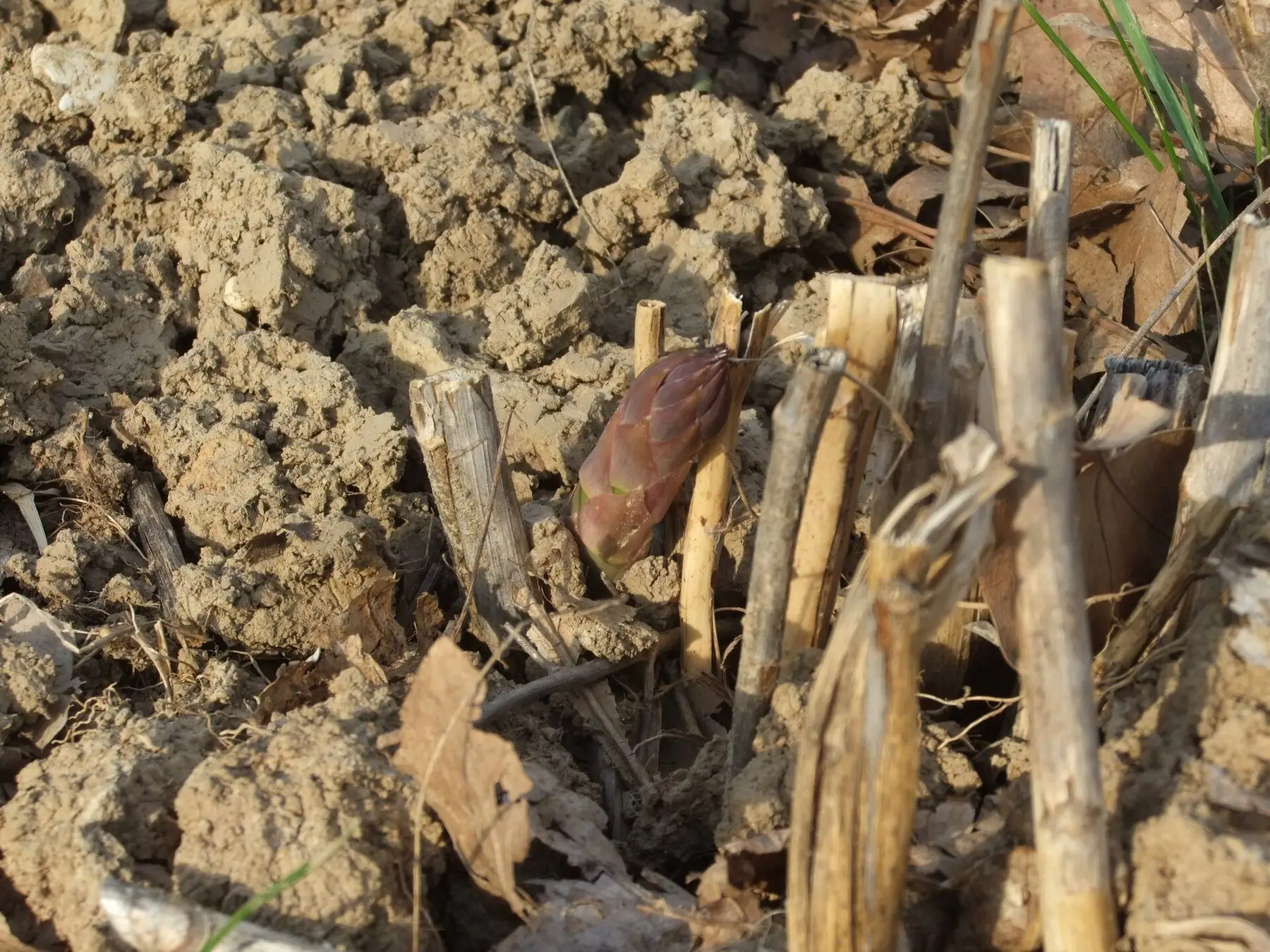
Asparagus is a twenty-year perennial that pays nothing for two seasons. Bed preparation, crowns versus seed, and the cutting discipline that keeps it going.
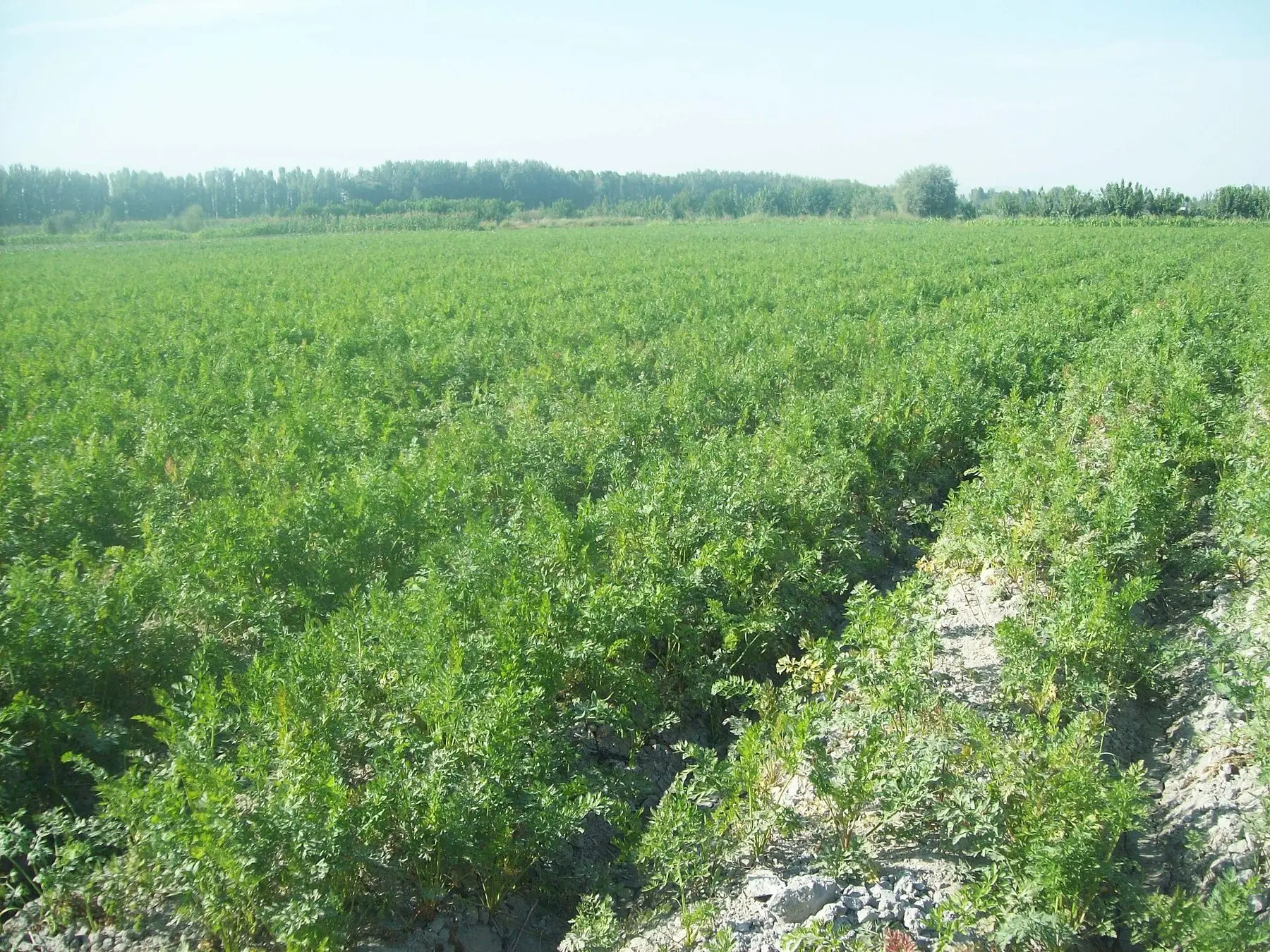
Forked carrots come from obstacles and fresh manure, not bad seed. Sowing direct into stone-free soil, why you should barely thin, and the fly barrier that works.
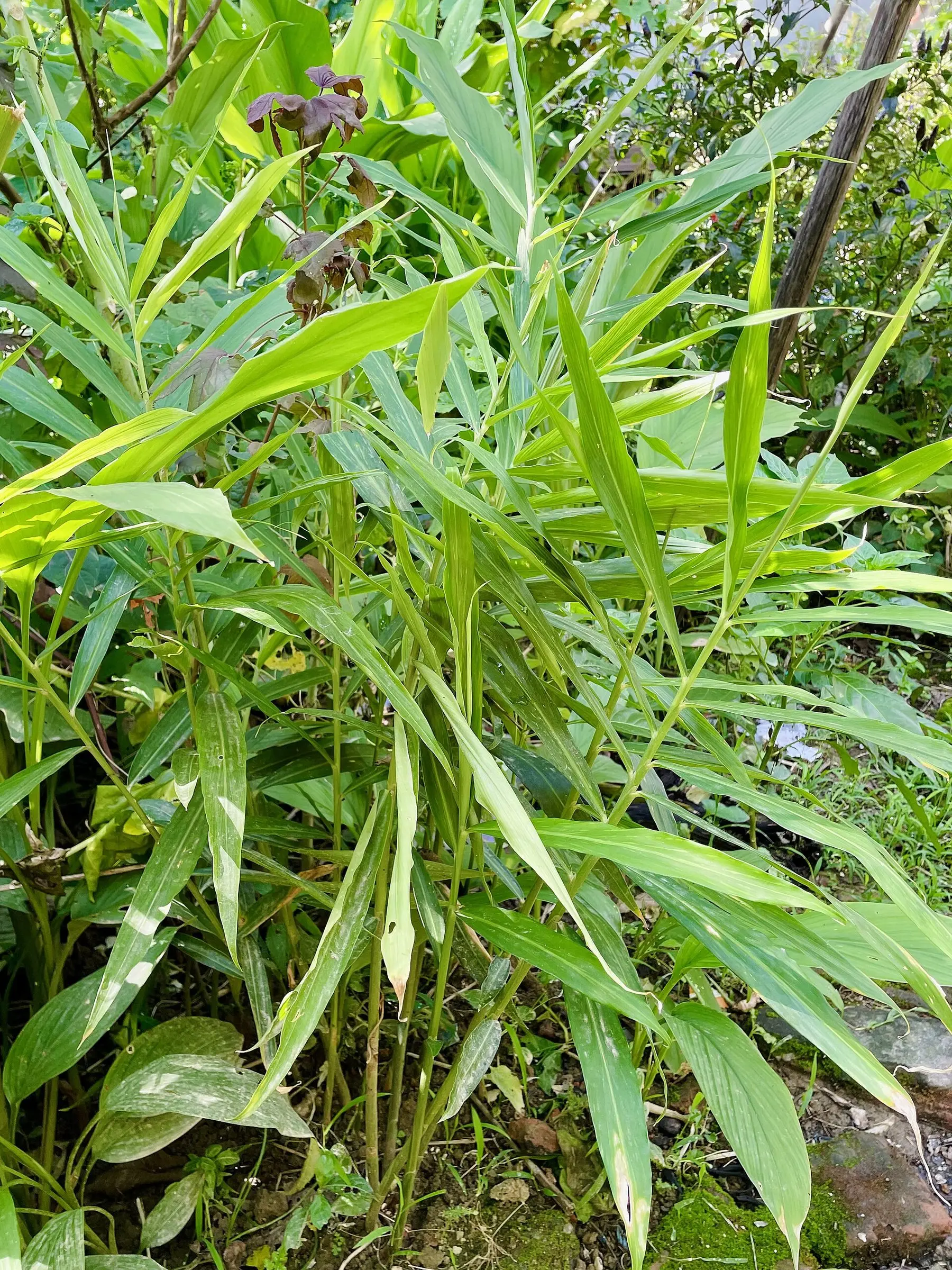
Ginger grows readily from a shop-bought rhizome, given warmth, humidity and a wide shallow pot. Why it sprouts sideways, and the eight to ten months it needs.
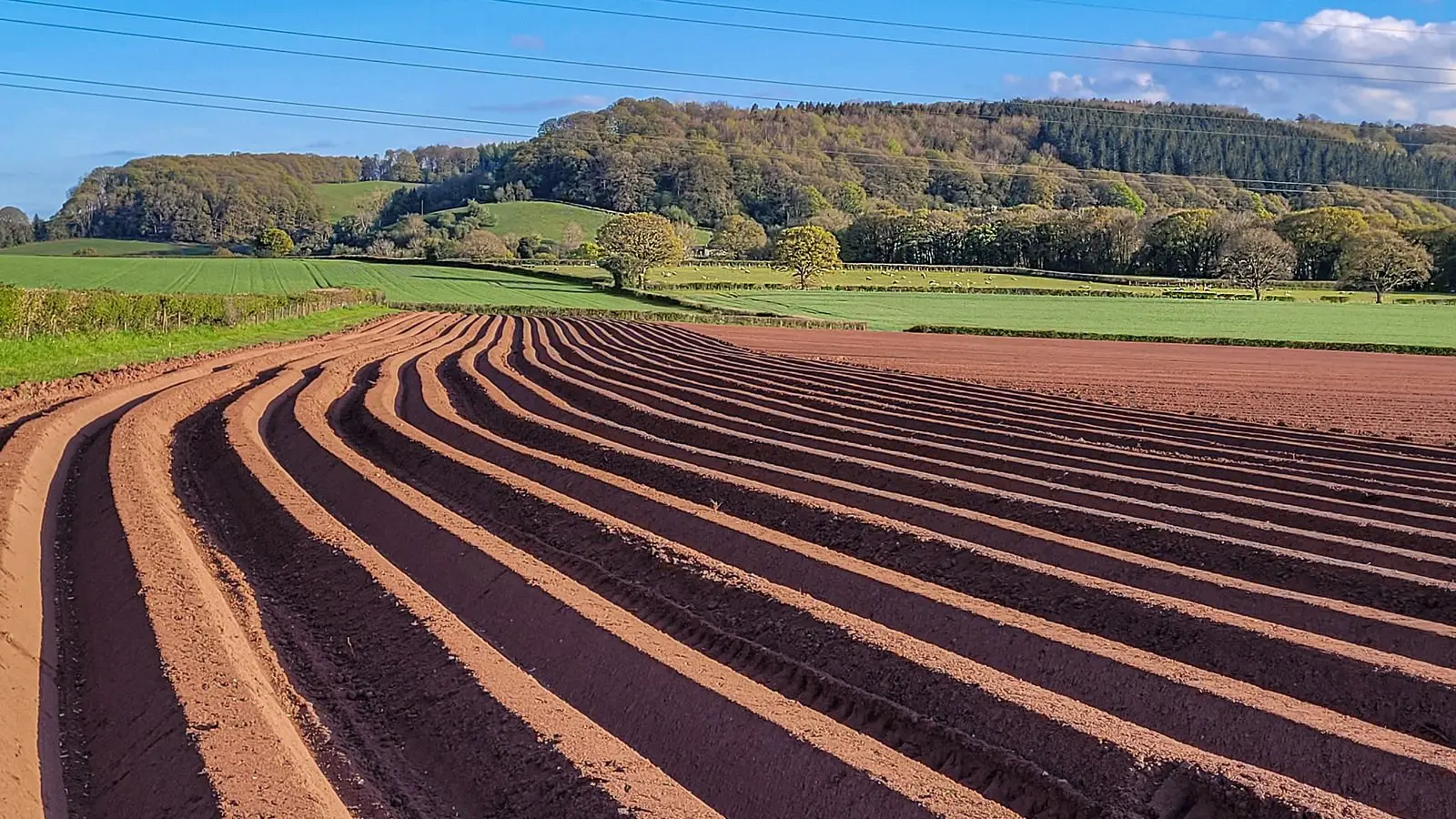
Potatoes form on stem, not roots, which is why you plant them deep and keep burying them. Seed potatoes, timing by variety group, and the mistakes that cost a crop.
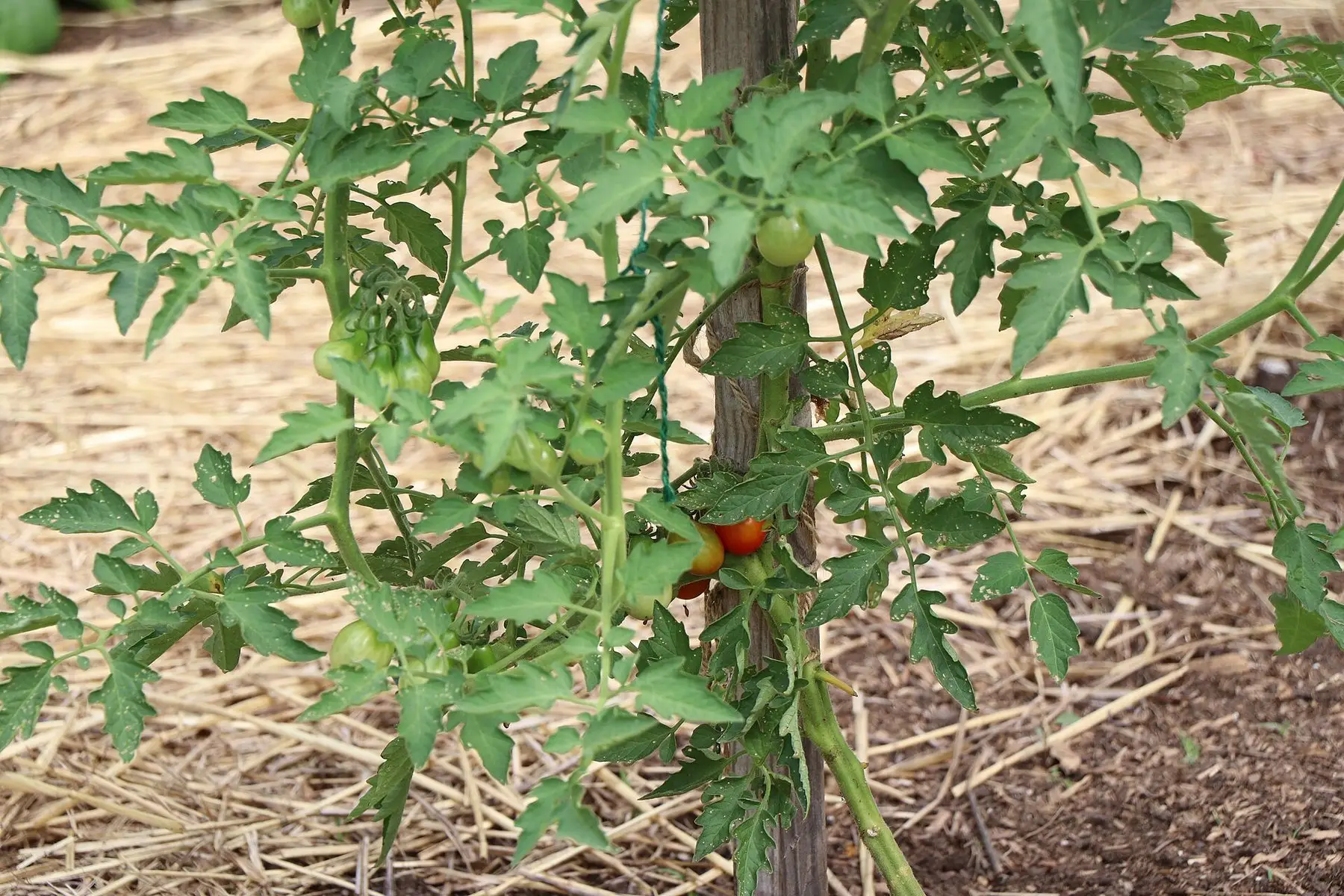
That one word on the seed packet decides your spacing, your pruning, and your harvest shape. Then it is warmth, consistent water, and feeding at the right time.
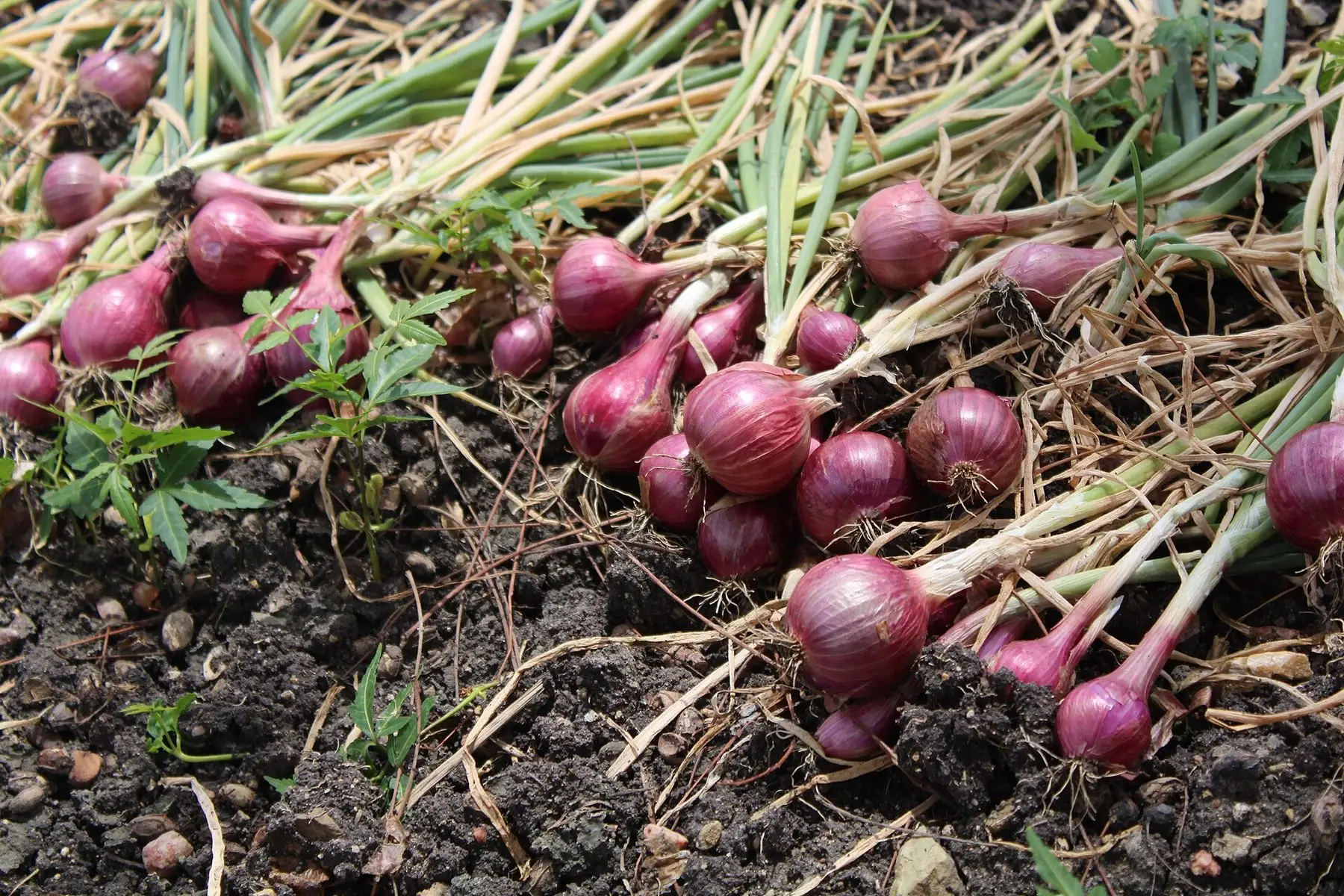
Onions bulb on day length, not on age — so the wrong variety for your latitude never sizes up. How to pick the right type, plant it, and feed it to a full bulb.
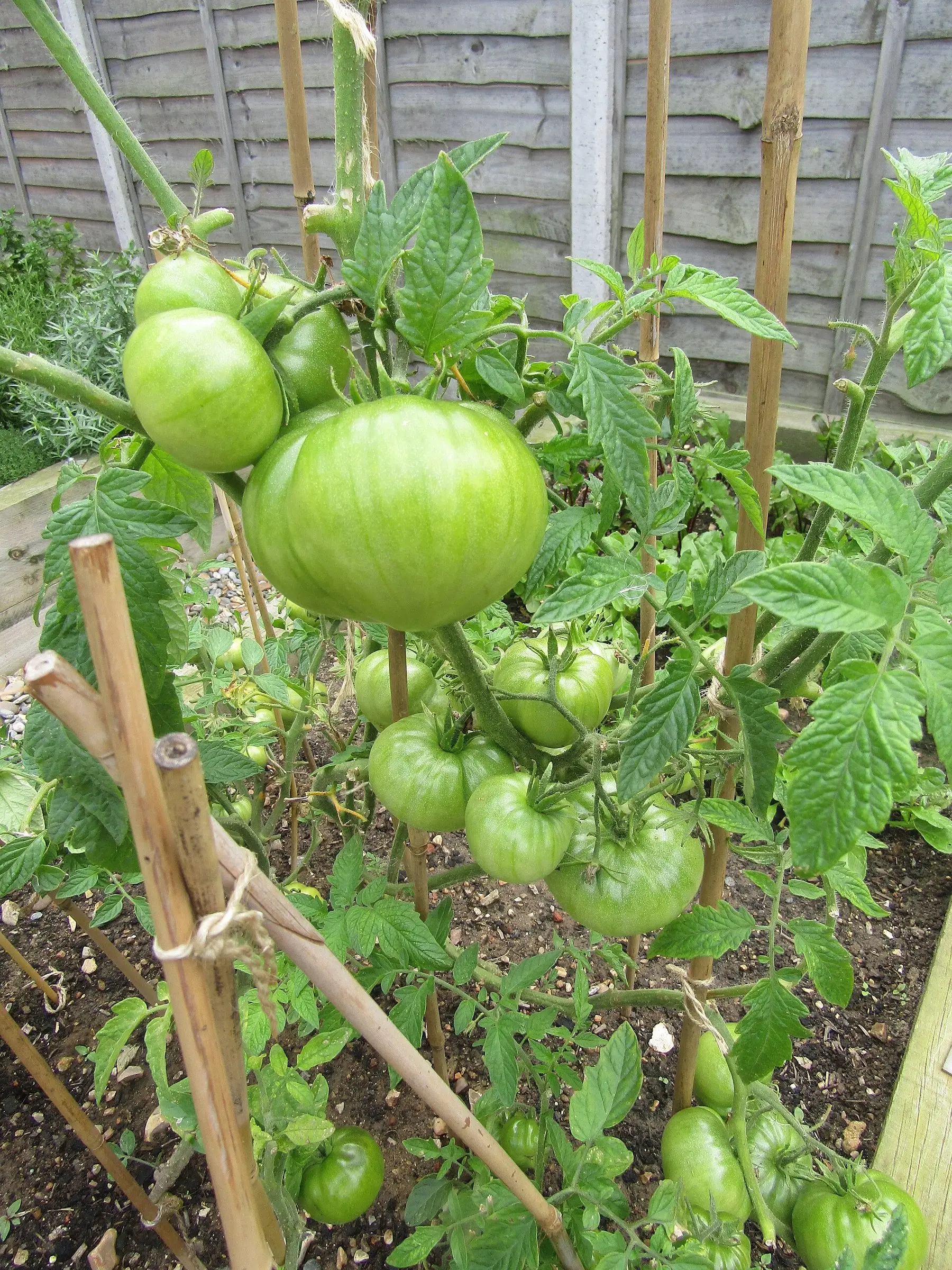
Basil, marigolds, and borage earn their place next to tomatoes. Fennel, potatoes, and brassicas do not. What to plant together, and why each pairing works.
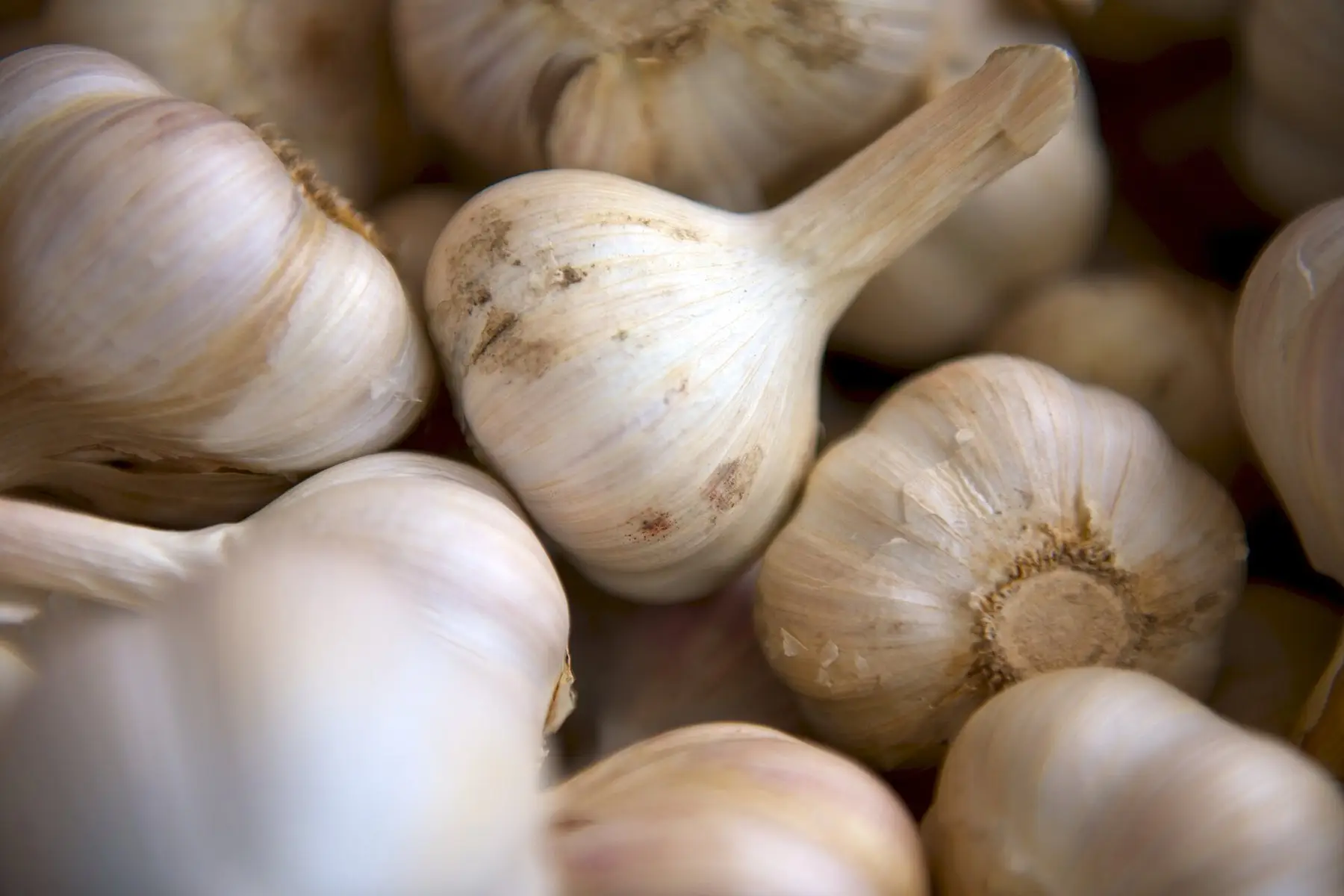
Garlic is the easiest crop in the garden if you plant it at the right time. Here is the full cycle — choosing bulbs, planting depth, mulch, scapes, and harvest.
Backyard Weekly
One email a week: what to plant now, what to fix, and what is worth buying. No spam, unsubscribe anytime.
Set MONETIZATION.email.endpoint in src/config/site.ts to enable this form.
By subscribing you agree to our privacy policy. Grow In Backyard will never sell your address.
Cookies
We use analytics cookies to see which guides get read, so we know what to write next. Decline and nothing is set. Privacy policy.