
How Many Varieties of Pumpkins Are There — 150 and Up
How many varieties of pumpkins are there runs past 150 named types across 5 Cucurbita species. Which group yours belongs to, and what each is good for.
 By
On this page
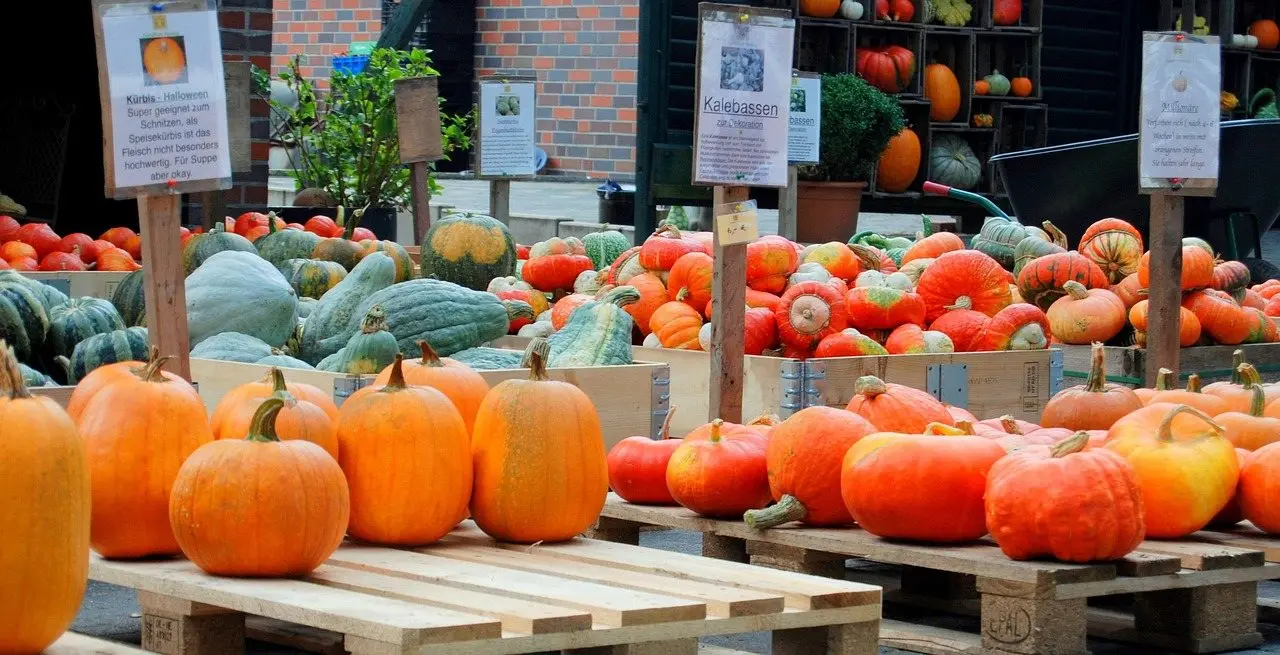
The honest answer is that nobody has a firm figure, because “pumpkin” is a kitchen word rather than a botanical one. Over 150 named varieties are in common cultivation, and they belong to five species that behave quite differently in a garden.
The five species
| Species | Stem | Flesh | Keeps | Known for |
|---|---|---|---|---|
| C. pepo | Hard, ridged, 5-sided | Thin, watery | 2–3 months | Carving, courgette, acorn |
| C. maxima | Soft, round, corky | Thick, variable | 5–6 months | Giants, Hubbard, Kabocha |
| C. moschata | Hard, flared at fruit | Dense, sweet | 4–6 months | Butternut, canned pumpkin |
| C. argyrosperma | Hard, flared | Coarse, bland | 3–4 months | Seed crops, cushaw |
| C. ficifolia | Hard | Fibrous, white | Over a year | Perennial, fig-leaf gourd |
1. Cucurbita pepo — the species most people picture. Jack-o’-lantern types such as Connecticut Field and Howden, the small pie pumpkins, acorn squash, delicata, spaghetti squash, courgettes and most ornamental gourds all sit here. Fast, bushy or short-vined, and the first to be hit by powdery mildew and squash vine borer.
2. Cucurbita maxima — the giants. Atlantic Giant, Big Max, and also Hubbard, Buttercup, Kabocha and Red Kuri. Long, rambling vines and the best keepers of the group. The soft round stem is the giveaway, and it is also the weak point: it rots in storage if the fruit is carried by it.
3. Cucurbita moschata — the cook’s species. Butternut, Long Island Cheese, Musquée de Provence, Seminole. Sweeter and drier than either of the above, the most resistant to vine borer and mildew, and the best choice in hot humid climates. Most commercially canned pumpkin is moschata.
4. Cucurbita argyrosperma — cushaw and the green-striped types, grown through Mexico and the American south. Grown mostly for seed rather than flesh, and genuinely drought-tolerant.
5. Cucurbita ficifolia — fig-leaf gourd. A perennial in frost-free climates, with black seeds and white fibrous flesh that keeps for well over a year. Mainly a curiosity outside Latin America.
Why the variety count is soft
Three things keep the number unfixable.
- The word is cultural. A fruit that is a pumpkin in the United States is a squash in Australia and a courge in France. Nothing about the plant changes.
- Varieties are continually created and lost. Seed Savers Exchange and similar collections hold hundreds of varieties that no commercial catalogue lists.
- Within a species, everything crosses. Two pepo varieties twenty feet apart will produce seed that is neither one, which is how many named varieties started.
Note
Cross-pollination does not change the fruit on the plant this year. The flesh you eat is the mother plant’s tissue; only the seed inside carries the cross. If you want to save true seed, grow one variety per species, or hand-pollinate and tape the flowers.
Picking by what you want from it
- Carving — any pepo field pumpkin. Thin walls are a feature here.
- Pie, soup, roasting — moschata first, then a small pepo pie variety. Avoid anything grown for size.
- Storing through winter — maxima, cured 10 days at warm temperatures and kept at 50–55°F.
- Hot, humid summers — moschata, for the borer resistance alone.
- Breaking a record — Atlantic Giant, one fruit per plant, and a great deal of water.
Common questions
How many types of pumpkin are there in total?
What is the difference between a pumpkin and a squash?
Which pumpkin is best for pie?
Can pumpkins cross-pollinate with each other?
What is the largest pumpkin variety?
Backyard Weekly
Know what to plant, week by week
Join the weekly email for seasonal jobs, fixes for what is going wrong, and gear worth buying.
Not ready to subscribe? The planting calendar is free and needs no email.
By subscribing you agree to our privacy policy. Grow In Backyard will never sell your address.
Keep reading
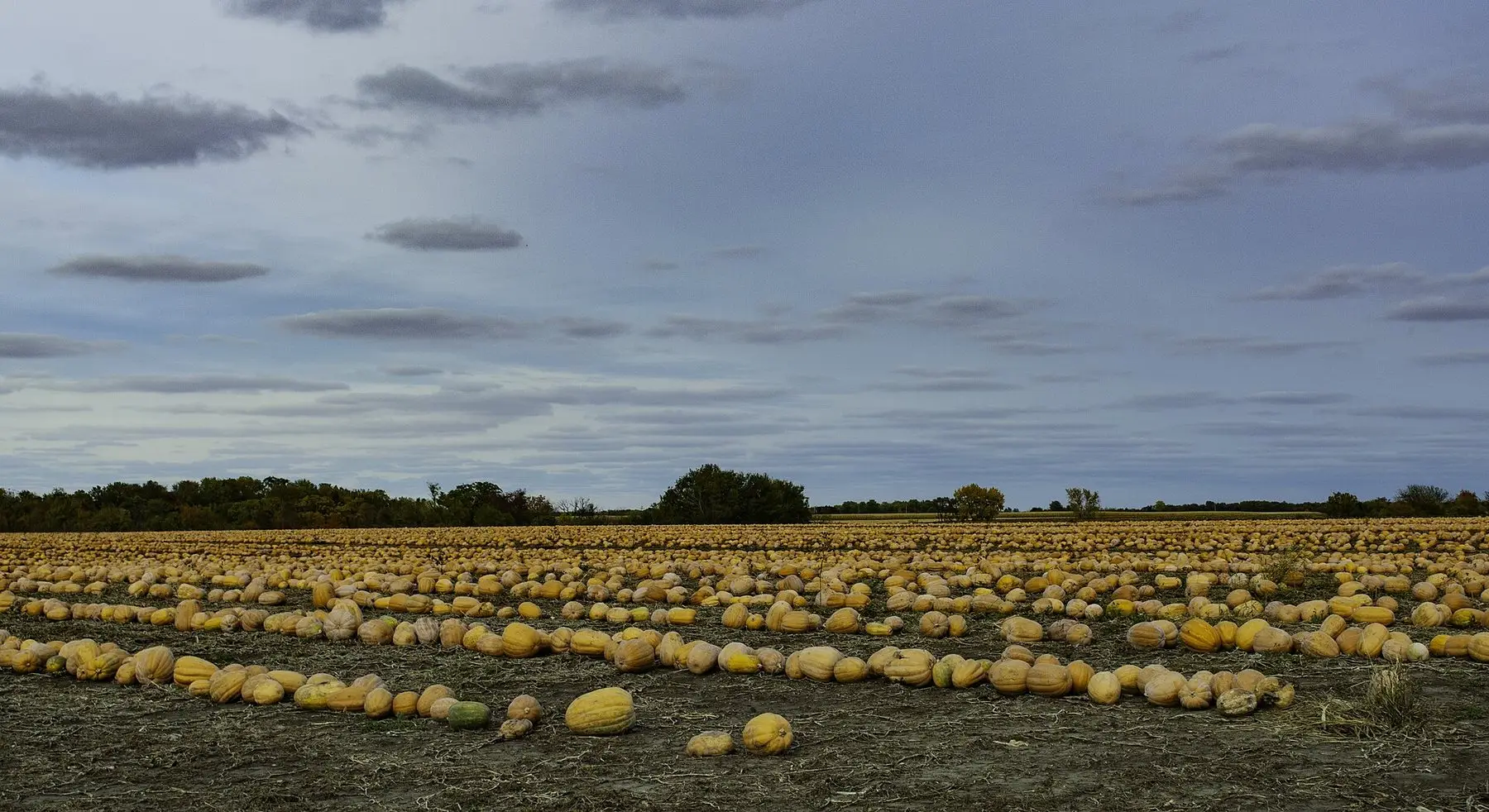
When to Harvest Pumpkins: Three Signs, Not the Calendar
Rind hardness, stem colour and a hollow sound tell you it is ready. Why you must cut the stem rather than carry by it, and the curing that decides storage life.
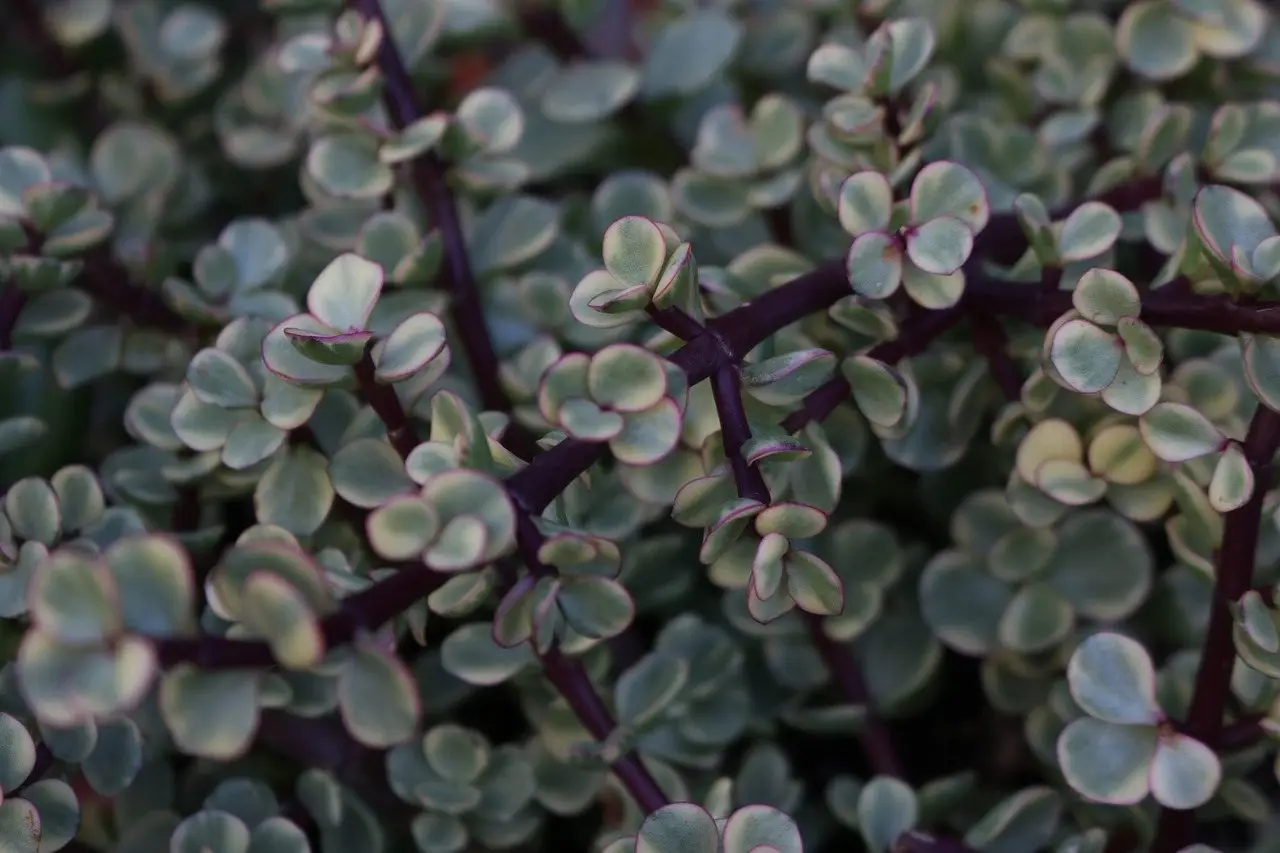
How to Propagate Elephant Bush From Cuttings
Portulacaria afra roots from almost any piece of stem. Callus the cut for a few days, keep it dry, and resist watering — that is the whole method.
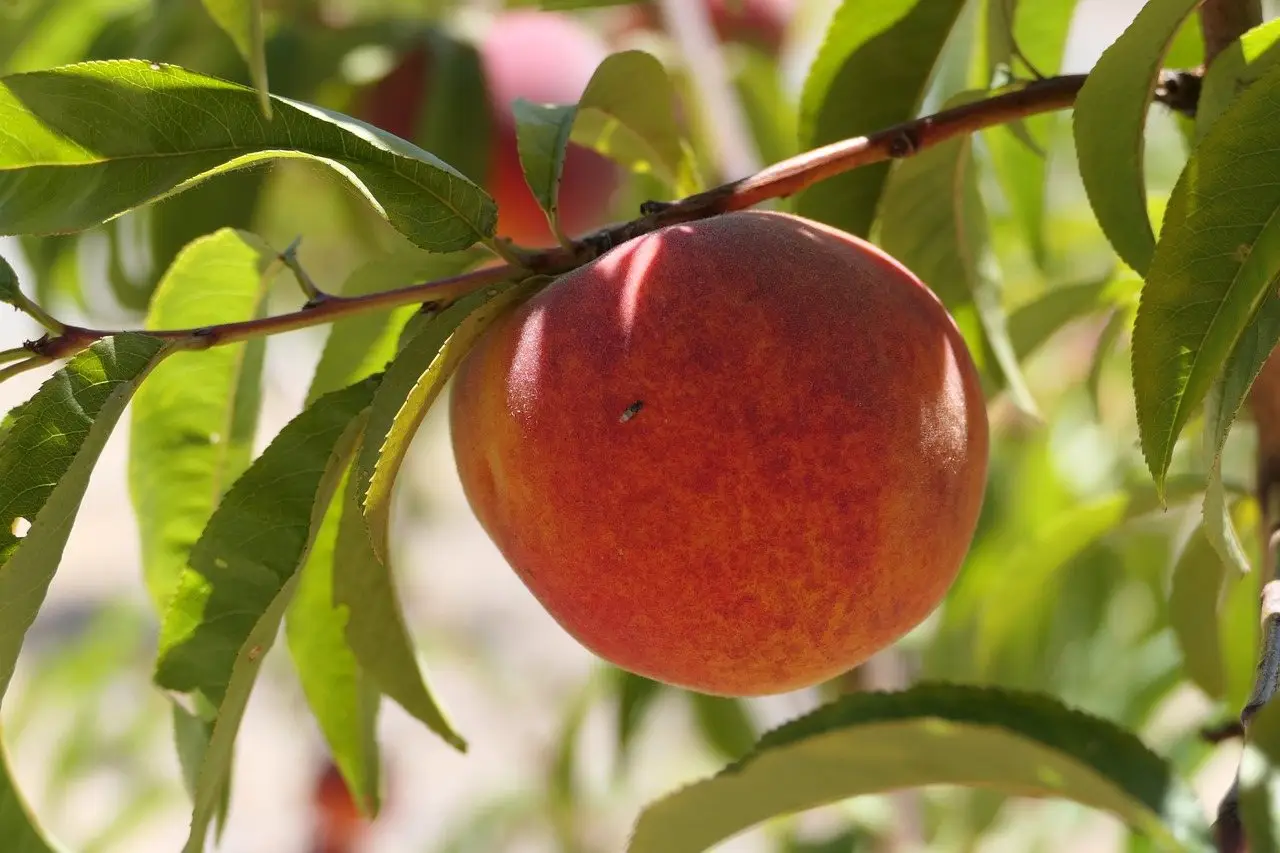
What Is the Fastest Growing Fruit Tree? Peach and Fig Lead
Peach and fig crop in two to three years from a grafted tree. But fast growth and fast fruiting are different things, and rootstock beats species.
How Much Sun Do Cucumbers Need? Six Hours Minimum
Cucumbers need at least six hours of direct sun and crop best on eight or more. Below six you get vines, flowers and very few actual cucumbers.