When to Harvest Pumpkins: Three Signs, Not the Calendar
Rind hardness, stem colour and a hollow sound tell you it is ready. Why you must cut the stem rather than carry by it, and the curing that decides storage life.

On this page
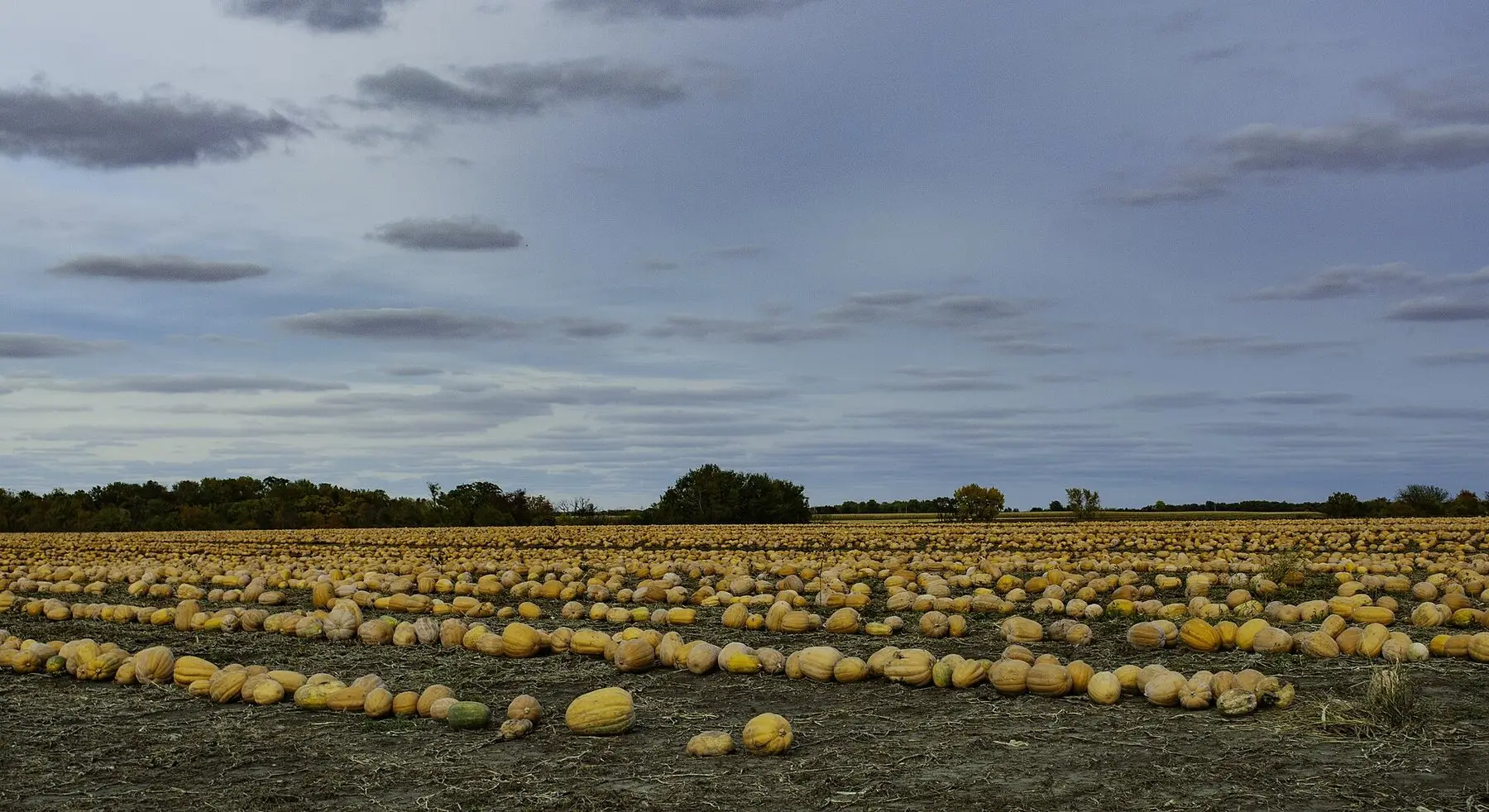
The seed packet says 100 to 120 days. The pumpkin does not read seed packets, and a cold summer or a late sowing moves that by weeks.
Three physical signs tell you the truth, and they need to be present together.
The three signs
1. The rind is hard. Press a thumbnail against the skin in an inconspicuous spot. On a ripe pumpkin it will not pierce or dent. On an immature one it goes in easily. This is the single most reliable test, and it is the one thing that will not improve after picking.
2. The colour is deep and even. Full, uniform colour for the variety — orange, blue, white, buff — including on the underside where it sat on the ground. A pale patch there means it needs longer.
3. The stem is brown and corky. A green, soft, fleshy stem means the plant is still feeding the fruit. When it has gone brown, dry and hard, the pumpkin has stopped growing.
The supporting sign: tap it. A ripe pumpkin sounds hollow, a dull thud rather than a dense one.
Dying vines are not proof on their own
Foliage collapsing is often taken as the harvest signal, and it can be — but powdery mildew, squash vine borer, drought and early frost all kill vines while the fruit is still immature. Check the rind and the stem before believing the leaves.
Cut, and never carry by the stem
Use secateurs or a sharp knife, and leave 3 to 4 inches of stem attached.
Then handle it from underneath, with both hands. A pumpkin carried by its stem will sometimes break it off, and that leaves an open wound straight into the top of the fruit. A pumpkin without an intact stem is not a keeper — it will rot within weeks whatever else you do.
The stem is a seal, not a handle.
Harvest on a dry day, and try not to bruise or scratch the skin. Small nicks are entry points for rot, and curing will only heal the very shallowest of them.
Curing
This is the step that decides storage life, and it is routinely skipped.
- 80 to 85°F, dry, airy, out of direct rain.
- 10 to 14 days.
- Spaced apart so air moves all around each fruit.
- A greenhouse, a sunny porch, or a warm shed all work.
Curing hardens the rind further, dries and seals the stem, and heals superficial scratches. A cured pumpkin keeps for months; an uncured one keeps for weeks.
The exception is the acorn squash group, which is better stored without a warm cure — heat reduces their quality.
Storing
| Factor | Target | Why |
|---|---|---|
| Temperature | 50–55°F | Warmer shortens life; colder damages flesh |
| Humidity | 50–70% | Dry enough to prevent mould |
| Air | Good circulation | Stagnant air rots them |
| Position | Off the ground, not touching | Contact points rot first |
| Never | A refrigerator | Chilling injury; they rot faster after |
Check them over every couple of weeks and use anything with a soft spot immediately. One rotting fruit does not spread to the others directly, but it is a sign the conditions need attention.
Storage life varies enormously by type: dense-fleshed varieties such as Kabocha, Butternut and Hubbard keep four to six months, while the big thin-walled carving pumpkins are often done in two.
If frost is coming
Bring them in. A light frost damages the vine, and a hard frost damages the fruit itself — frost-hit pumpkins develop soft patches and rot quickly rather than storing.
Cure the ones that pass the rind test. The immature ones are still perfectly good food — treat them as you would a courgette or summer squash and eat them within a week or two, skin and all.
Carving pumpkins are a different question
If it is going to be a jack-o’-lantern, ripeness for storage matters less than colour and condition, and a pumpkin cut open has days rather than months in any case.
But leave it on the vine as long as safely possible: a fully hardened rind carves more cleanly, holds its shape, and sags far more slowly on the doorstep.
Common questions
How do you know when a pumpkin is ready to pick?
Should you cut the stem or pull the pumpkin off?
Do pumpkins ripen after picking?
How do you cure pumpkins, and why?
How long do pumpkins keep in storage?
What if frost is forecast before the pumpkins are ripe?
Backyard Weekly
Know what to plant, week by week
Free planting calendar. Join the weekly email for seasonal jobs, fixes for what is going wrong, and gear worth buying.
Set MONETIZATION.email.endpoint in src/config/site.ts to enable this form.
By subscribing you agree to our privacy policy. Grow In Backyard will never sell your address.
Keep reading
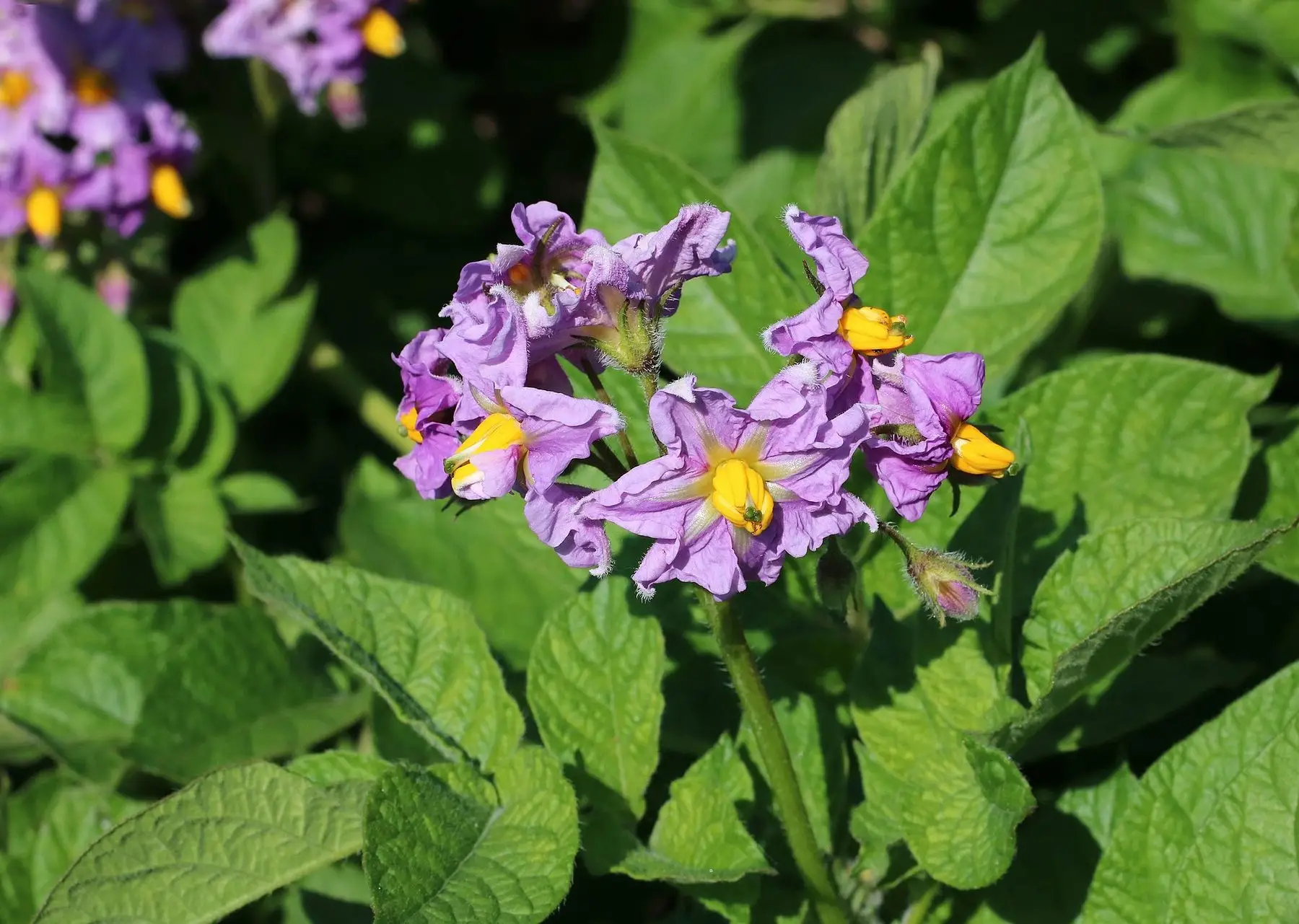
When to Harvest Potatoes: Two Crops From One Plant
New potatoes come at flowering; storage potatoes need the tops to die back first. How to tell which stage you are at, and how to cure them so they keep.
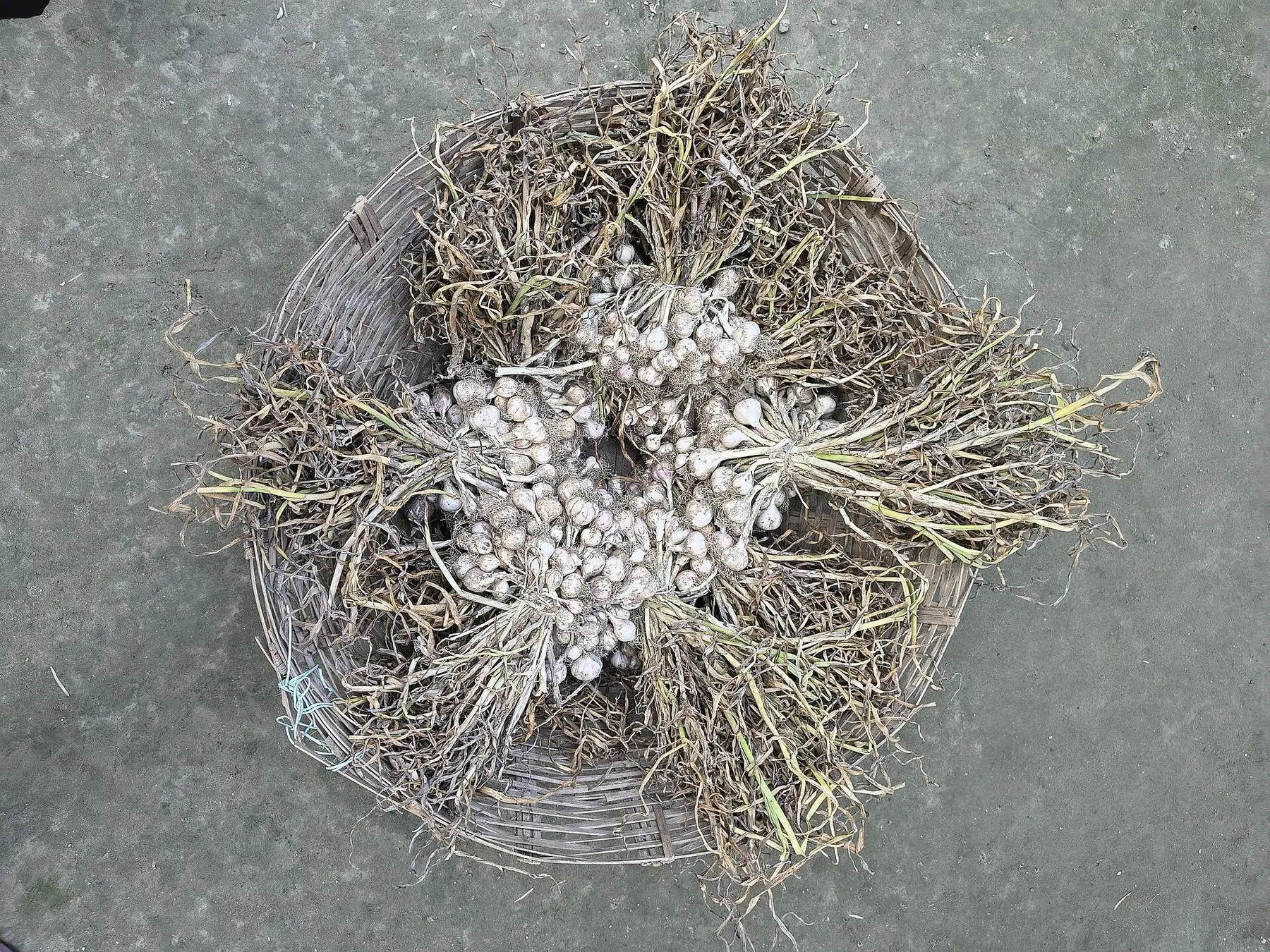
When to Harvest Garlic (Count the Brown Leaves)
Garlic is ready when three or four lower leaves have browned and five or six are still green — usually July. How to read the plant and test before you dig.
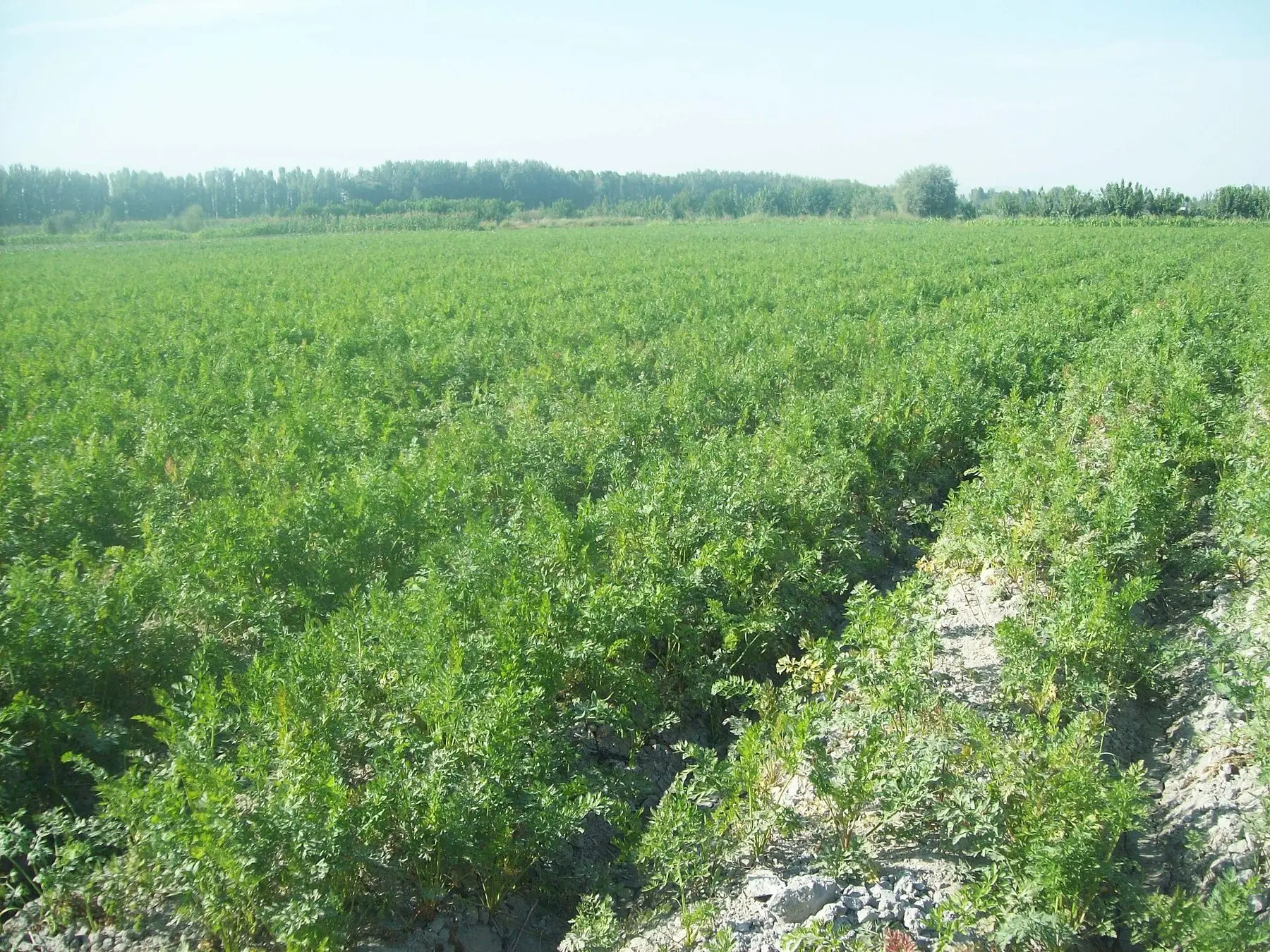
How to Grow Carrots: Stones, Thinning, and Carrot Fly
Forked carrots come from obstacles and fresh manure, not bad seed. Sowing direct into stone-free soil, why you should barely thin, and the fly barrier that works.
When to Pick Jalapeños: Green, Red, and Corked
Pick green at full size and firm for classic heat, or leave them to red for sweetness. What the white corking lines mean, and why picking gives you more.