
When to Harvest Radish: Pull at 1 Inch, Not by the Calendar
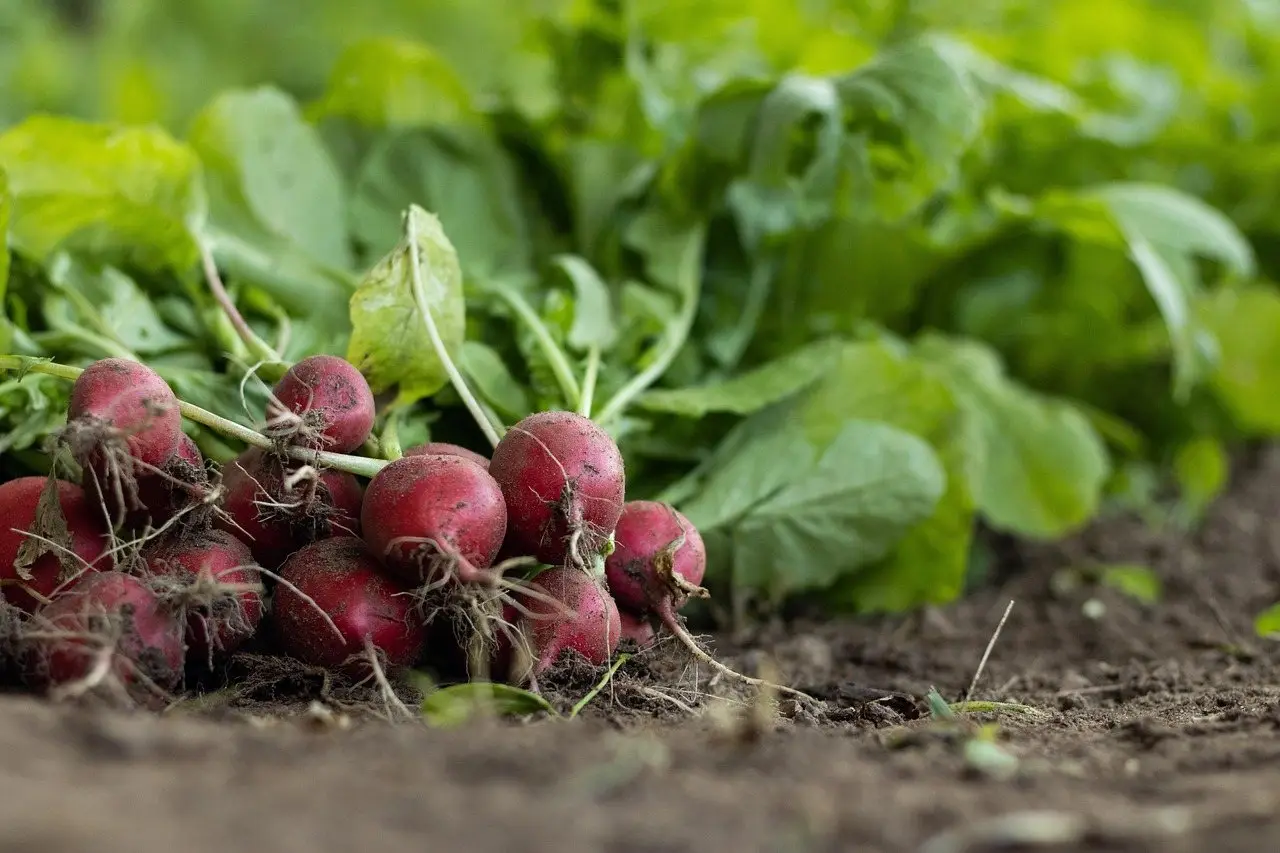
Most salad radishes are ready 3–4 weeks from sowing, at about an inch across. Left longer they go pithy and hot — and the leaves tell you nothing.
 By
On this page
About an inch across, three to four weeks from sowing. Check the root, not the leaves — the tops grow regardless.
Timing by type
| Type | Days from sowing | Forgiving? |
|---|---|---|
| Round salad (Cherry Belle, Sparkler) | 21–30 | No. Days, not weeks |
| French Breakfast | 25–30 | No |
| Long types (White Icicle) | 30–40 | A little |
| Daikon / winter | 55–70 | Yes — weeks of leeway |
| Black Spanish | 55–75 | Yes |
Why they turn pithy and hot
Both come from the same place: the plant moving on from root storage toward flowering, and stress accelerating it.
- Heat — radishes are a cool-season crop. Above about 25°C they rush
- Drought or irregular watering — the single biggest cause of sharp, woody roots
- Age — past maturity the centre goes spongy within days
- Crowding — unthinned seedlings make leaves and no root at all
Thin them, however tedious it feels
Radishes sown thickly produce a mat of foliage and nothing underneath. Thin to about an inch apart as soon as the seedlings can be handled.
It is the one job people skip and the commonest reason for “all tops, no radish”.
Pulling and keeping
- Water the row an hour before if the soil is dry — they lift cleanly and snap less
- Pull straight up by the base of the leaves
- Twist the tops off immediately. Leaves left on draw moisture out of the root within hours
- Wash, dry, and refrigerate in a bag — a week to two weeks
- Eat the leaves if they are young and clean. Good wilted or in soup
Sow in short rows
The practical fix for every problem above is succession: a 60 cm row every two weeks rather than a long row all at once.
Salad radishes go from perfect to pithy in under a week in summer, and no household eats three metres of them in that window.
Common questions
When are radishes ready to harvest?
Why are my radishes pithy and hollow inside?
Why are my radishes so hot?
Can you leave radishes in the ground too long?
Do radish leaves tell you when to harvest?
Backyard Weekly
Know what to plant, week by week
Join the weekly email for seasonal jobs, fixes for what is going wrong, and gear worth buying.
Not ready to subscribe? The planting calendar is free and needs no email.
By subscribing you agree to our privacy policy. Grow In Backyard will never sell your address.
Keep reading
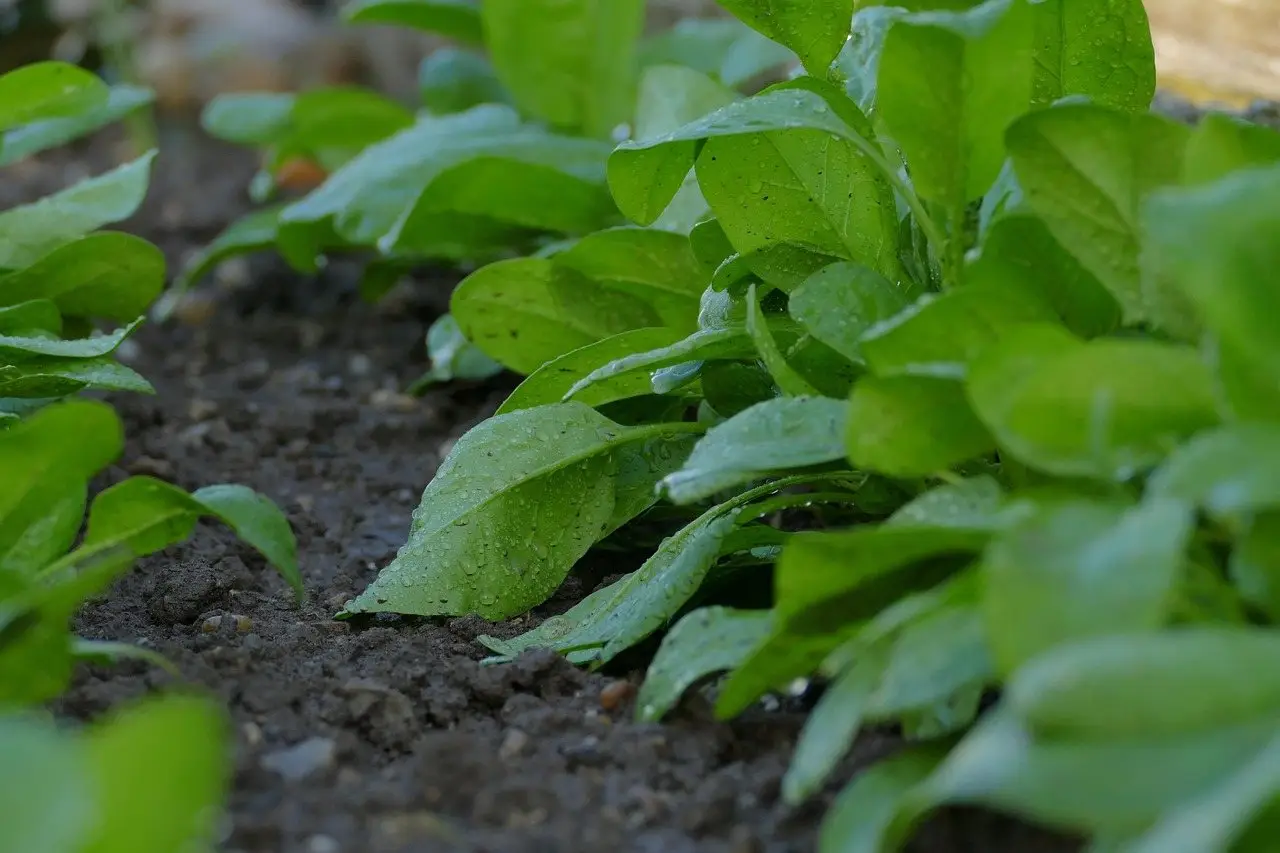
When to Harvest Spinach: Cut-and-Come-Again vs One Cut
Baby leaves at 3–4 weeks, full leaves at 6–8. Picking outer leaves keeps a plant going for weeks — until it bolts, which heat decides, not you.
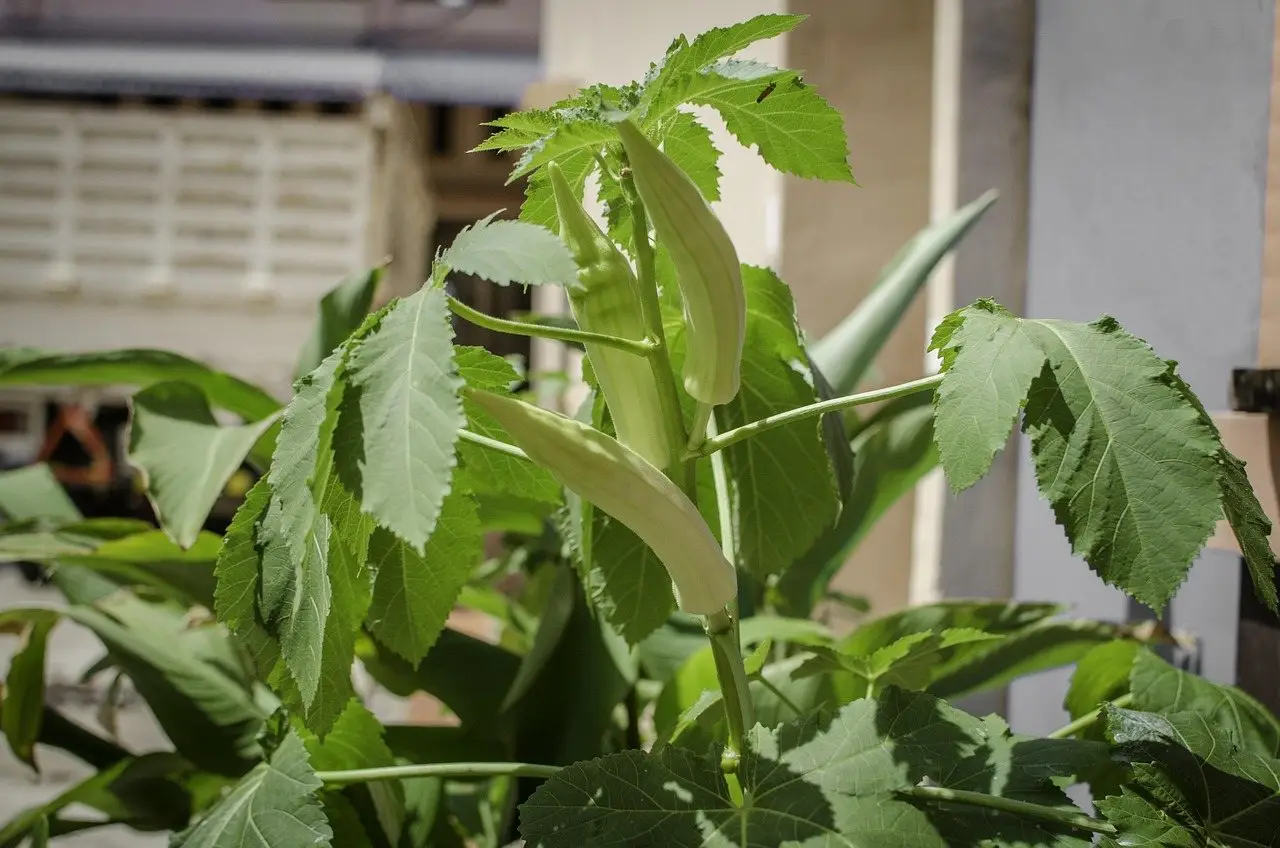
When to Harvest Okra: The Three-Day Window That Decides It
Pick pods at 2–4 inches, every day or two. Past about four days they turn woody, and leaving one on the plant slows everything that follows.
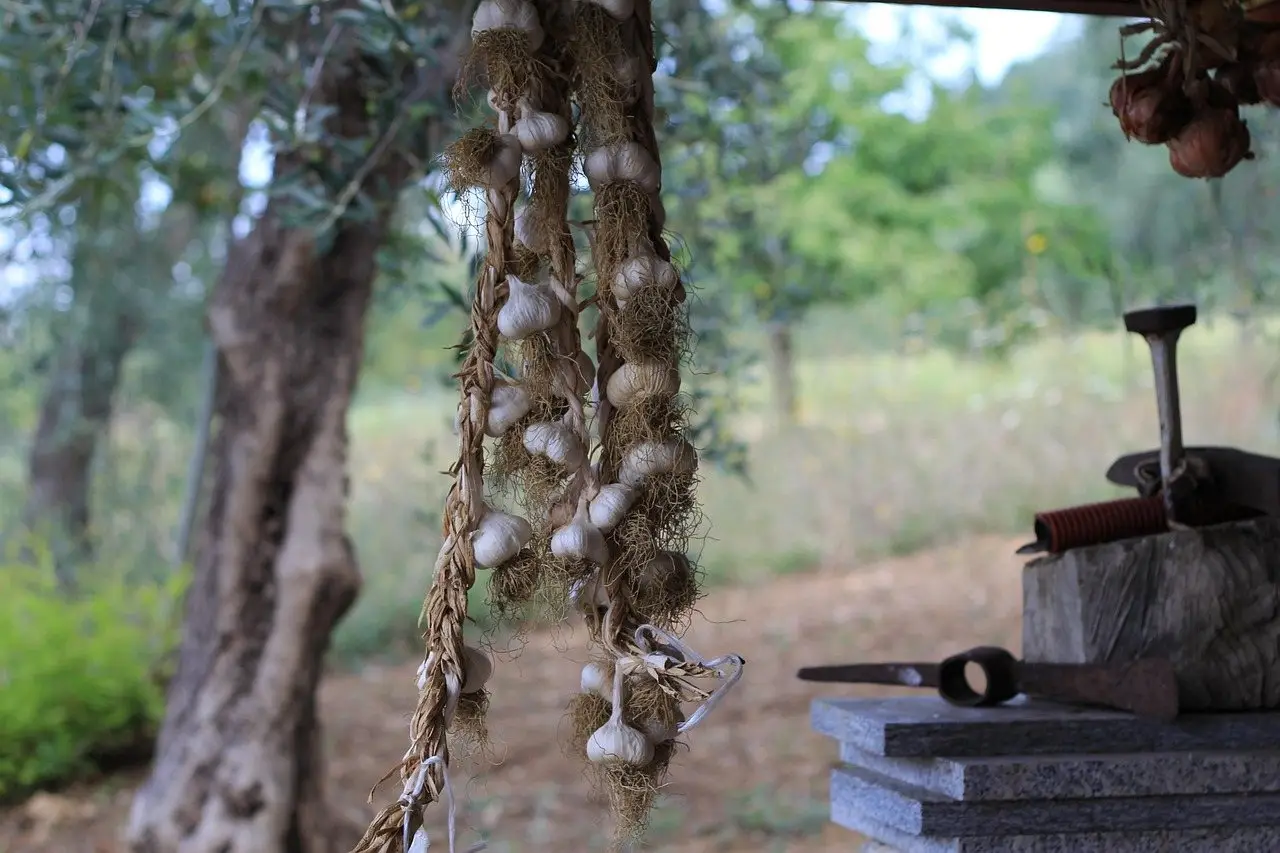
How to Dry Garlic: Curing It So It Keeps Until Spring
Curing takes two to four weeks in shade with moving air. Get it right and hardneck keeps six months, softneck ten. Get it wrong and it rots by October.
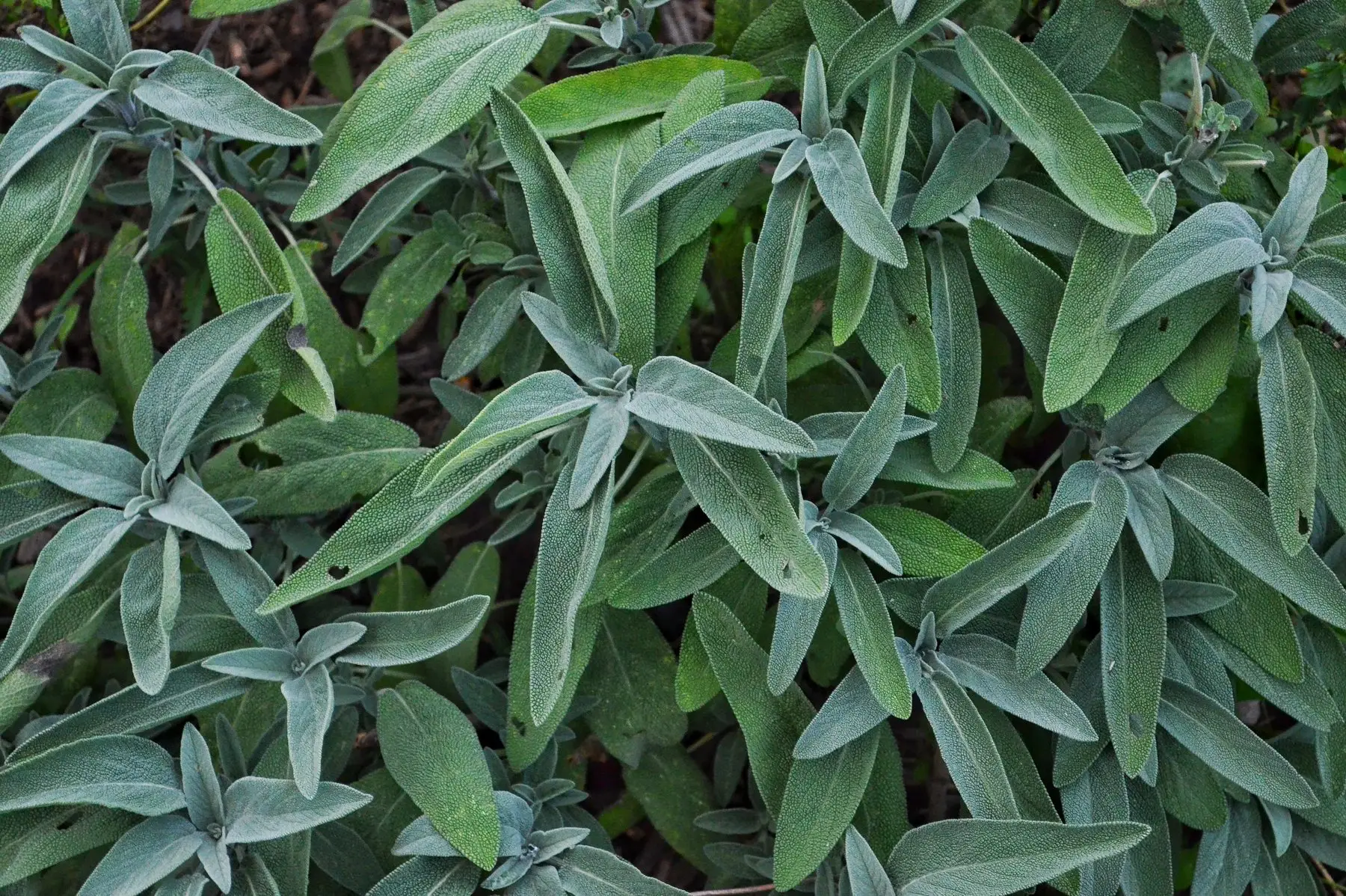
When to Harvest Sage: Morning, Before It Flowers
Cut sage in the morning once the dew dries, just before flowering, when the oils peak. Never take more than a third, and stop a month before frost.