
When to Harvest Sage: Morning, Before It Flowers
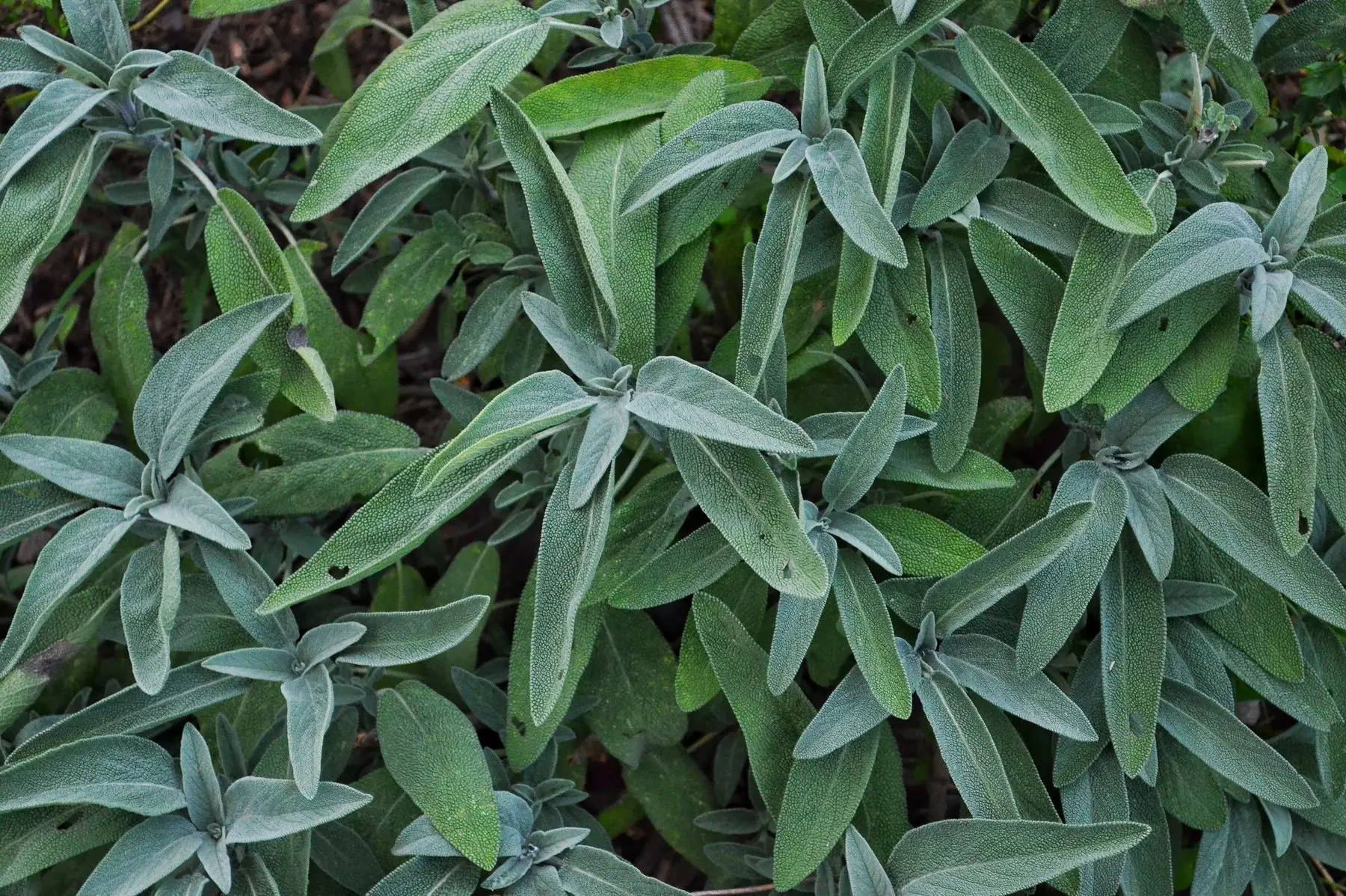
Cut sage in the morning once the dew dries, just before flowering, when the oils peak. Never take more than a third, and stop a month before frost.
 By
On this page
Morning, once the dew has dried — and just before it flowers. That is when the oils peak. The rule that keeps the plant alive is separate and just as important: never more than a third, and never into bare wood.
The timing, at two scales
| Best | Avoid | |
|---|---|---|
| Time of day | Morning, dew dried | Wet foliage; hot afternoon |
| Season | Just before flowering | After flowering; late autumn |
| Plant age | Year two onward, 2–3 cuts | Hard cuts in year one |
Wet leaves go mouldy on the drying rack, and afternoon heat has already driven off part of what you are picking for.
The cut that kills sage
Sage will not reliably regrow from bare wood
Cut back into the brown, leafless stem at the base and that section often simply dies. It is the single commonest way people lose an established sage.
Always cut above a pair of leaves, working from the top down, leaving plenty of green.
- A third at most, per cut
- Two or three harvests a year from year two onward
- Done this way a sage bush runs five to eight years
The first year is different
A young sage is still building the root system and woody framework it will live on. A hard cut sets it back a full season.
Pick a few leaves at a time. Cut it properly from next year.
Stop before frost
About a month before your first expected frost.
Cutting later pushes out soft new growth with no time to harden off — and that growth is what winter kills, often taking part of the plant with it. Leave it intact through autumn, resist tidying it, and do the structural pruning in spring once new growth shows.
Should you let it flower?
| Pinch the buds out | Let it flower | |
|---|---|---|
| Leaf flavour | Stays strong for longer | Dips |
| Bees | — | Excellent for them |
| Flowers | — | Edible, mild |
With more than one plant, the obvious compromise: one for the kitchen, one for the bees.
Drying
- Small, loose bundles hung upside down. Sage is thick-leaved and dries slowly, so a dense bunch stays damp in the middle and goes mouldy
- Warm, dark, airy — light degrades the oils
- One to two weeks, until the leaves crumble between your fingers
- Store whole leaves in an airtight jar; crush as needed
Common questions
When should you harvest sage?
Can you harvest sage in its first year?
How do you harvest sage without killing the plant?
When should you stop harvesting sage?
Should you let sage flower?
How do you dry sage after picking?
Backyard Weekly
Know what to plant, week by week
Join the weekly email for seasonal jobs, fixes for what is going wrong, and gear worth buying.
Not ready to subscribe? The planting calendar is free and needs no email.
By subscribing you agree to our privacy policy. Grow In Backyard will never sell your address.
Keep reading
How to Harvest Basil So the Plant Gets Bushier
Cut above a leaf pair, never strip the bottom leaves, and pinch the flowers. The harvesting method that doubles the size of a basil plant instead of ending it.
How to Dry Oregano (And Why It Beats Fresh)
Oregano is one of the few herbs that genuinely improves dried. Cut before flowering, hang it somewhere dark, and leave the leaves whole until you cook.
When to Harvest Chamomile: Flat Petals, Domed Centre
Pick chamomile when the white petals lie flat or start tilting back and the yellow centre has domed. Mid-morning, every two or three days.
When to Harvest Spinach: Cut-and-Come-Again vs One Cut
Baby leaves at 3–4 weeks, full leaves at 6–8. Picking outer leaves keeps a plant going for weeks — until it bolts, which heat decides, not you.