
Growing Guides ·
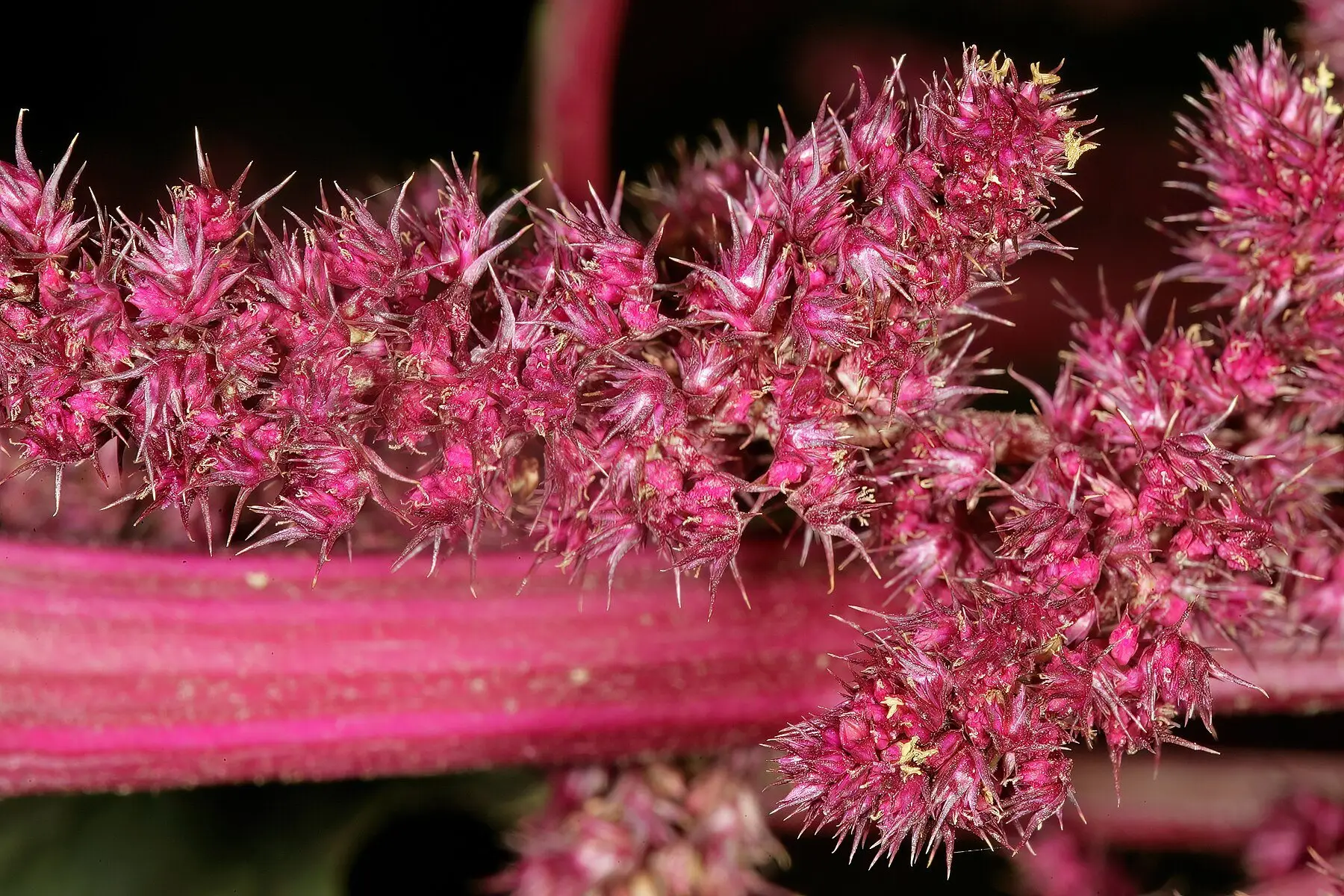
How to Harvest Amaranth: Grain and Leaves From One Plant
Amaranth gives leaves all season and grain at the end. Harvest seed when it shakes loose, dry it fully, and never let the heads get rained on standing.
20 guides in Growing Guides.
Amaranth gives leaves all season and grain at the end. Harvest seed when it shakes loose, dry it fully, and never let the heads get rained on standing.
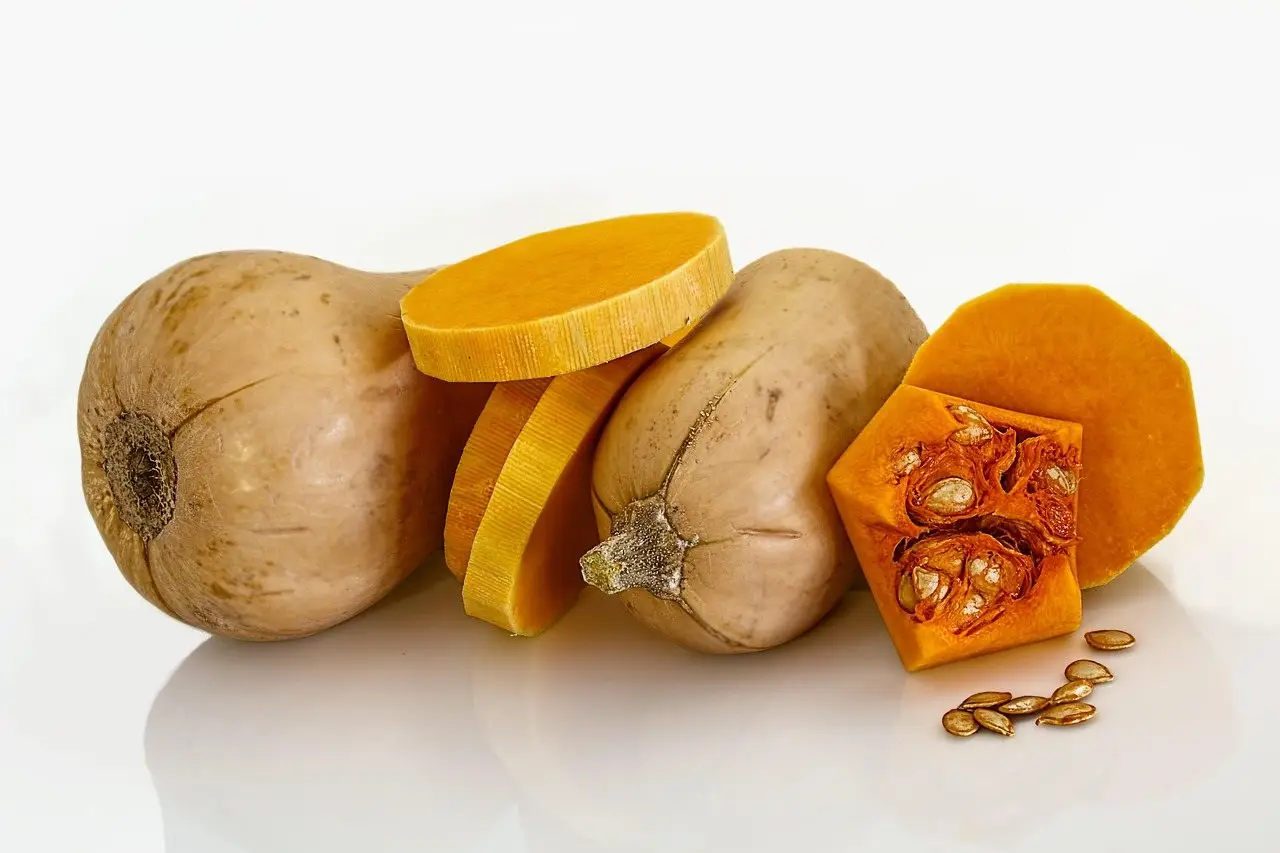
Winter squash needs ten days of curing at 27°C, then 10–15°C and dry air. Butternut keeps six months that way; acorn squash should not be cured at all.
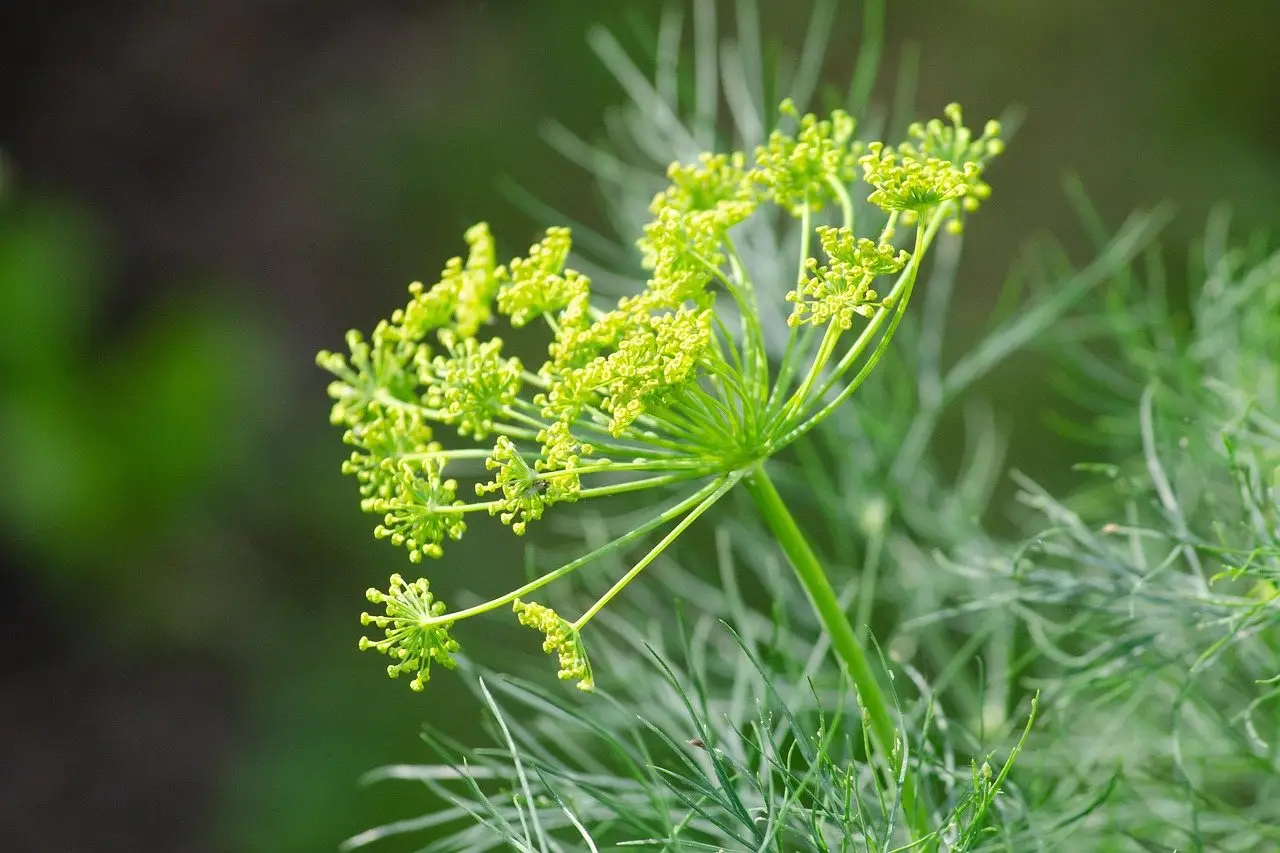
Cut fronds once the plant has four or five leaves, before it bolts. Once flowers open the leaf flavour fades — but then you are growing dill seed.
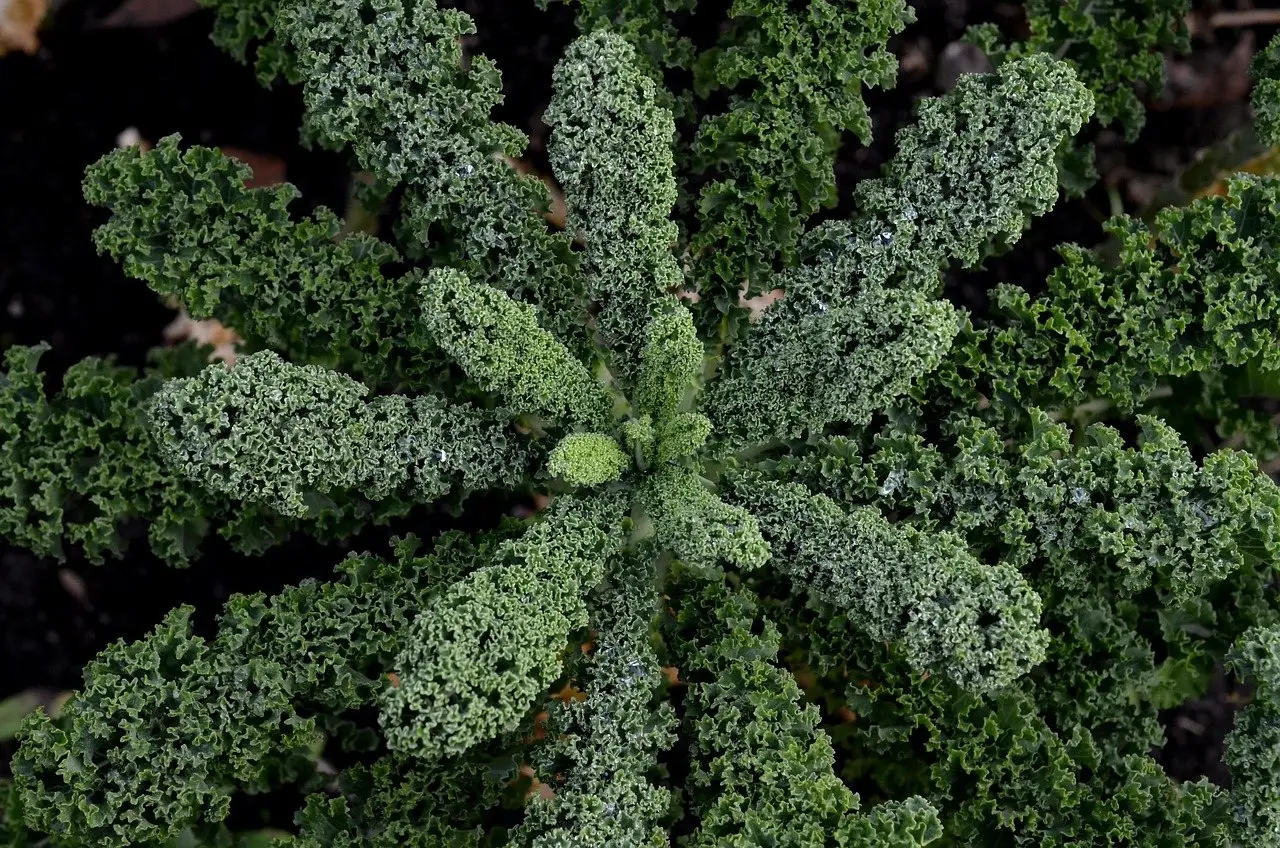
Pick outer leaves from the bottom once they reach hand size, never the growing tip. Frost genuinely sweetens it — the plant converts starch to sugar.
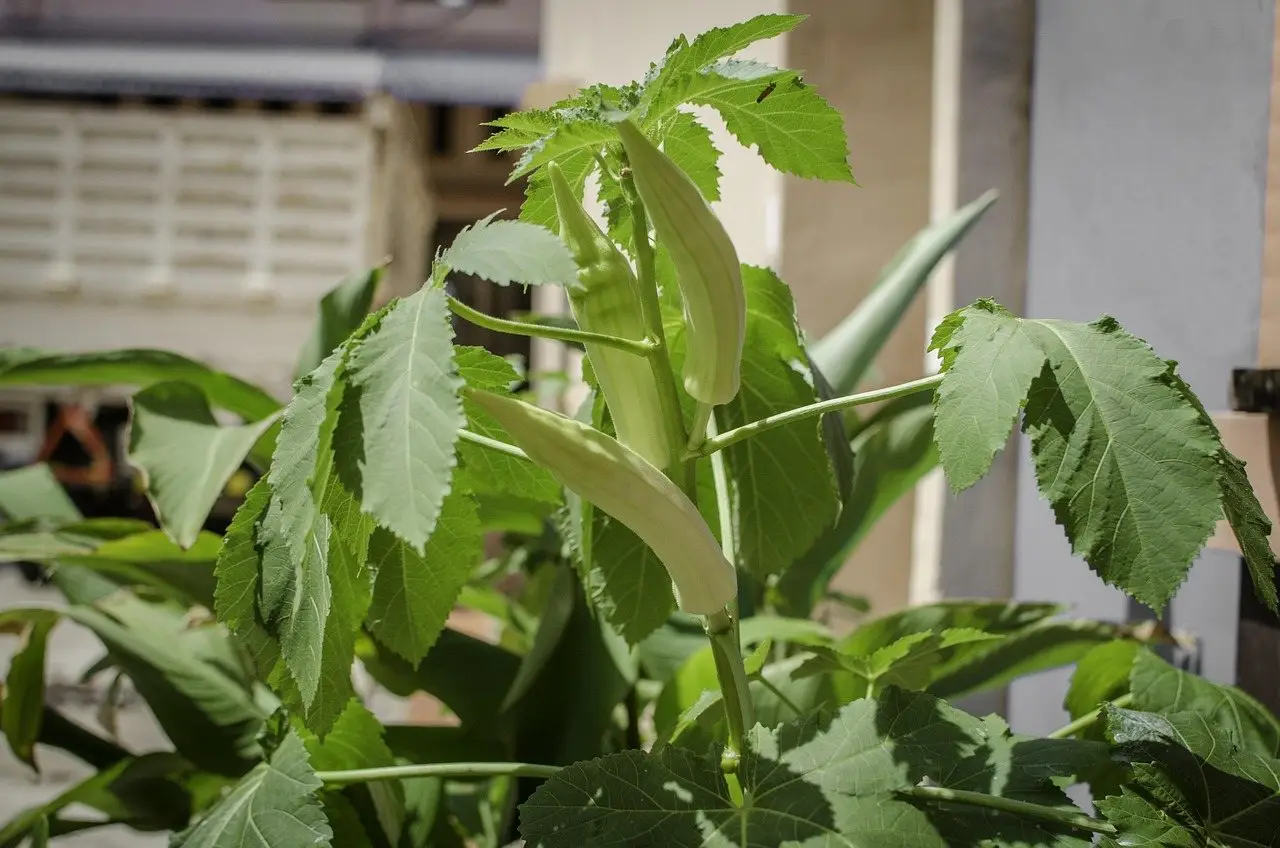
Pick pods at 2–4 inches, every day or two. Past about four days they turn woody, and leaving one on the plant slows everything that follows.
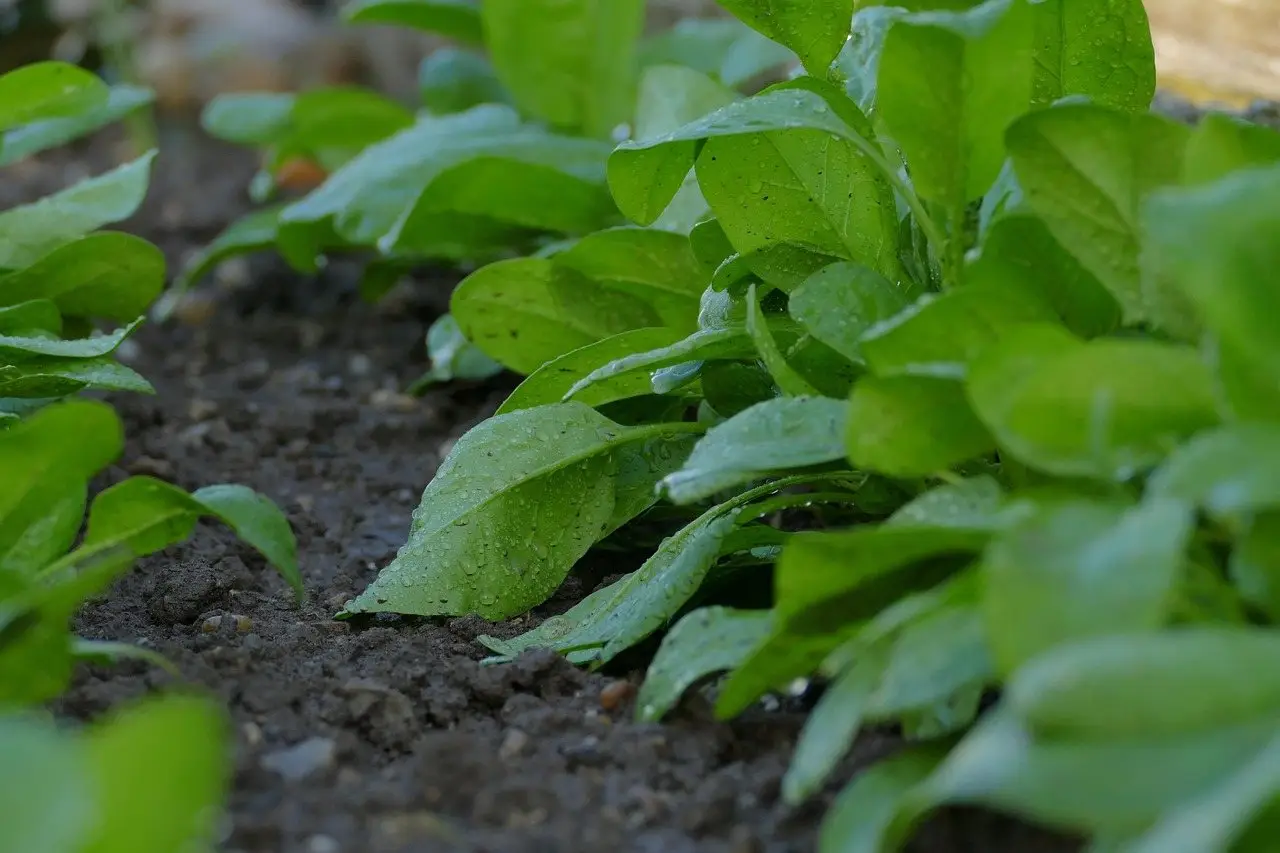
Baby leaves at 3–4 weeks, full leaves at 6–8. Picking outer leaves keeps a plant going for weeks — until it bolts, which heat decides, not you.
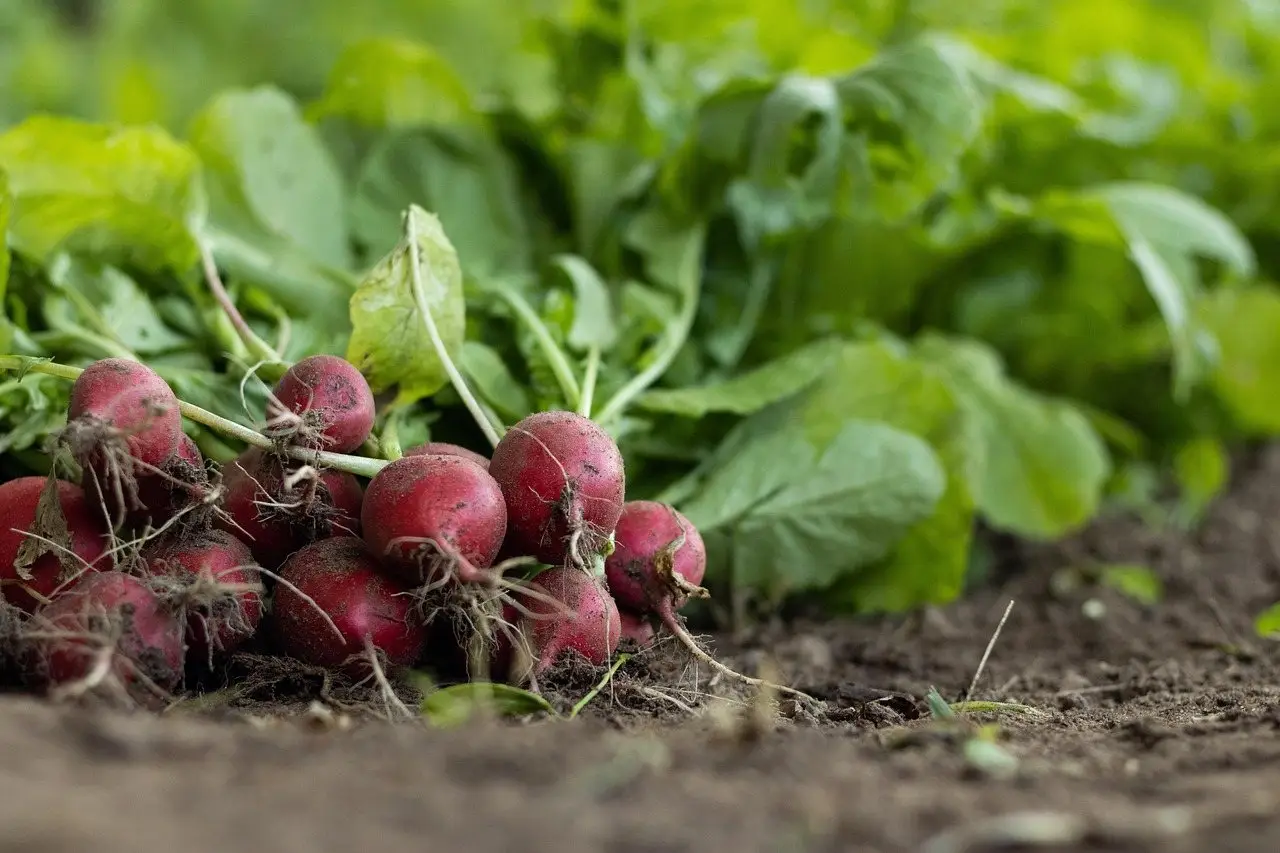
Most salad radishes are ready 3–4 weeks from sowing, at about an inch across. Left longer they go pithy and hot — and the leaves tell you nothing.
Pick when the fruit fills the husk and the husk starts to split. Waiting for them to turn yellow means waiting past their best.
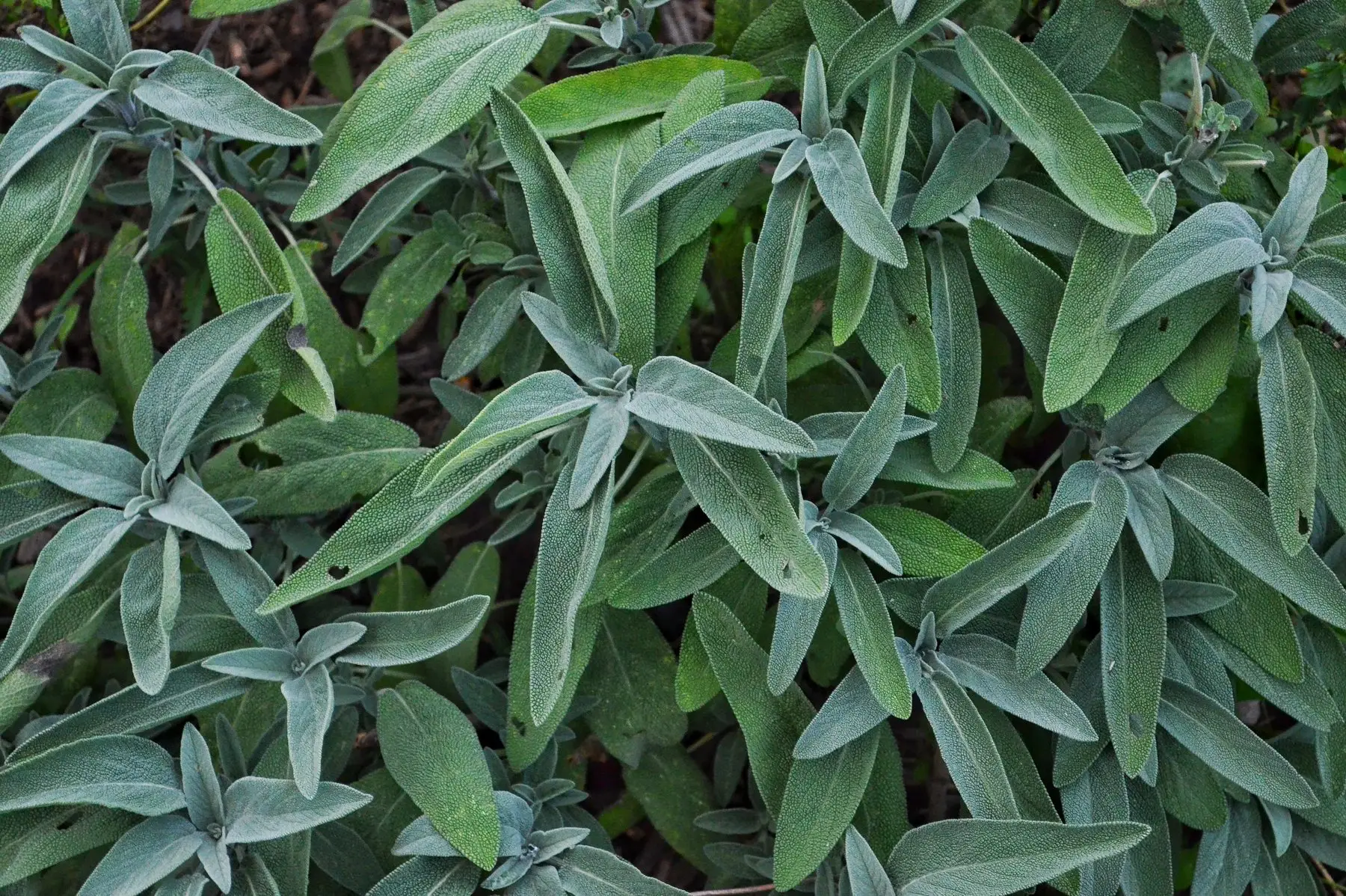
Cut sage in the morning once the dew dries, just before flowering, when the oils peak. Never take more than a third, and stop a month before frost.
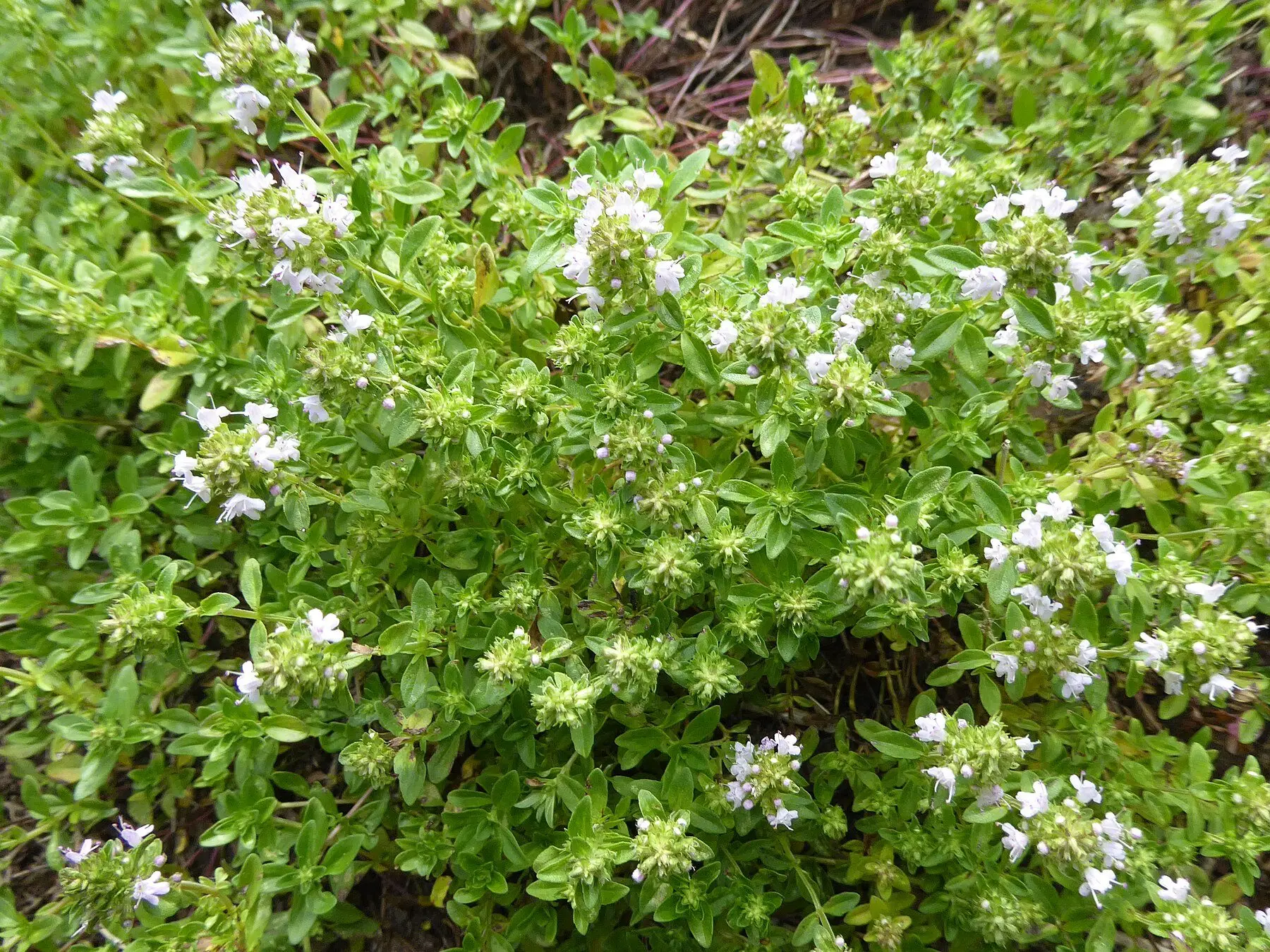
Cut thyme in the morning as the first flower buds show, when the oils peak. Never cut into bare wood, and stop four weeks before frost.
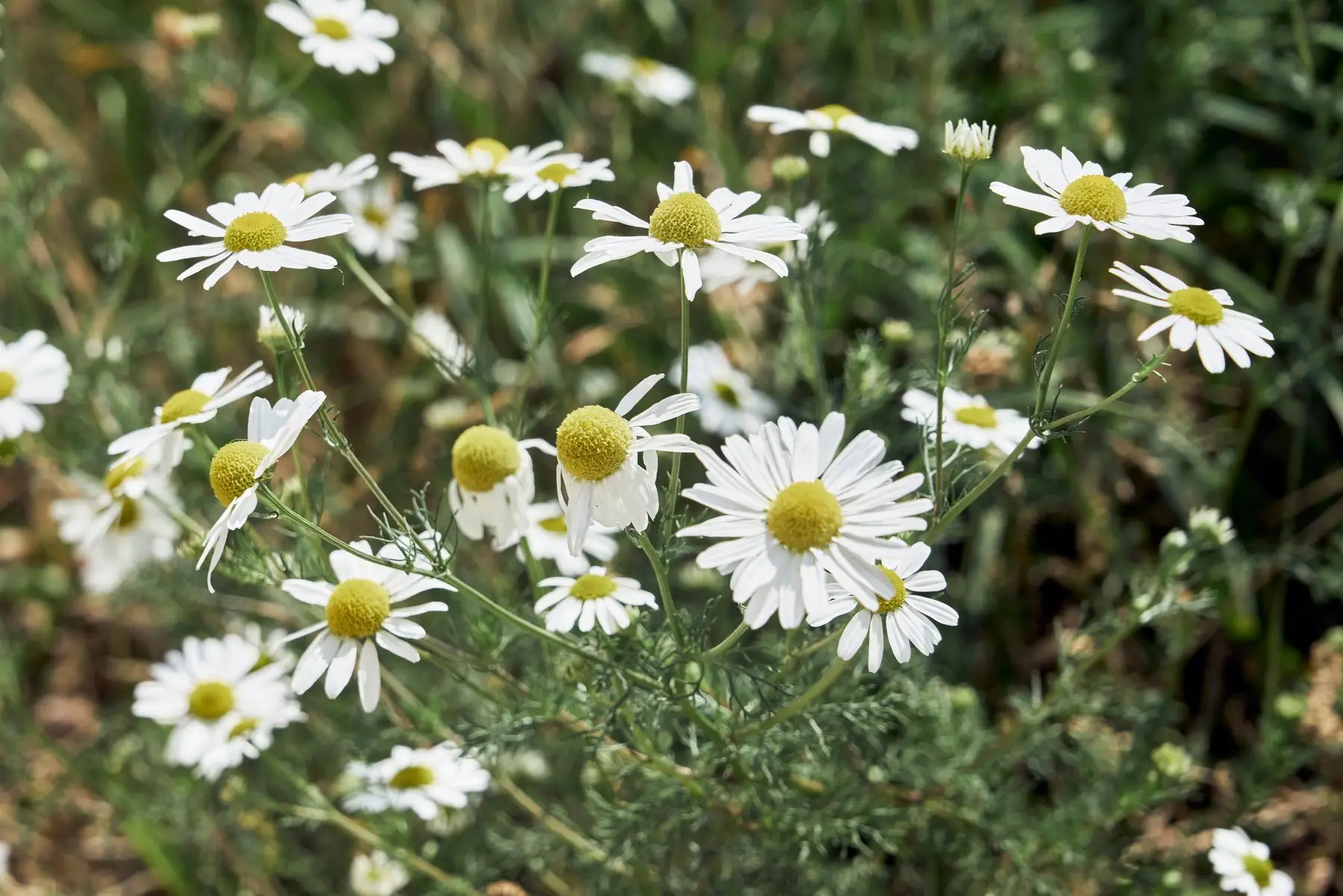
Pick chamomile when the white petals lie flat or start tilting back and the yellow centre has domed. Mid-morning, every two or three days.
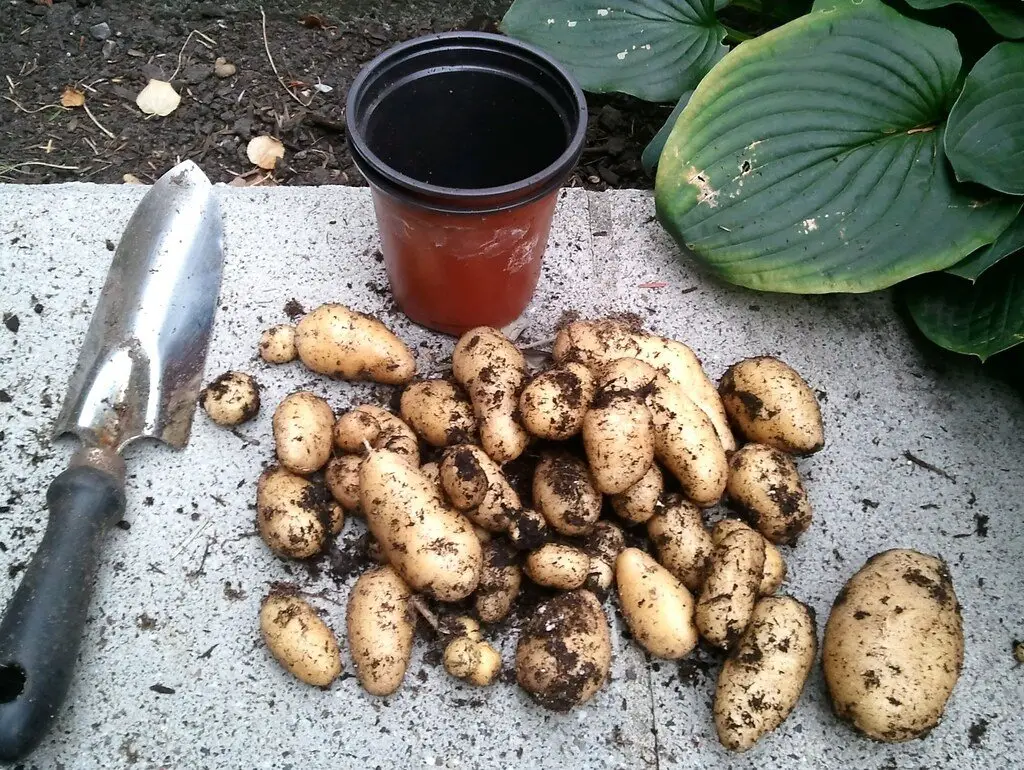
Flowers mean new potatoes; yellowing, collapsing foliage means maincrop. How to read the plant above ground, and the two-week wait that makes them store.
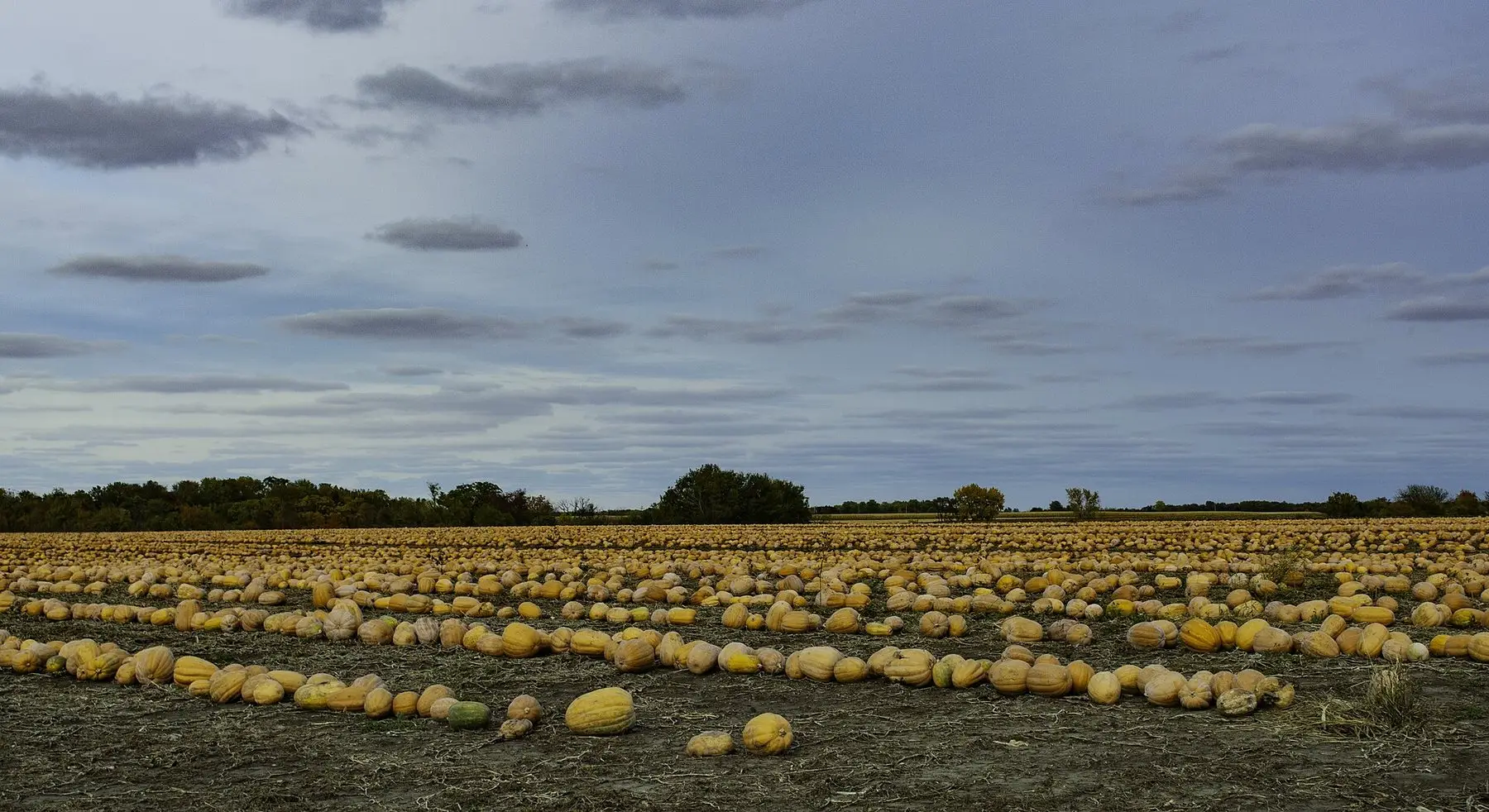
Rind hardness, stem colour and a hollow sound tell you it is ready. Why you must cut the stem rather than carry by it, and the curing that decides storage life.
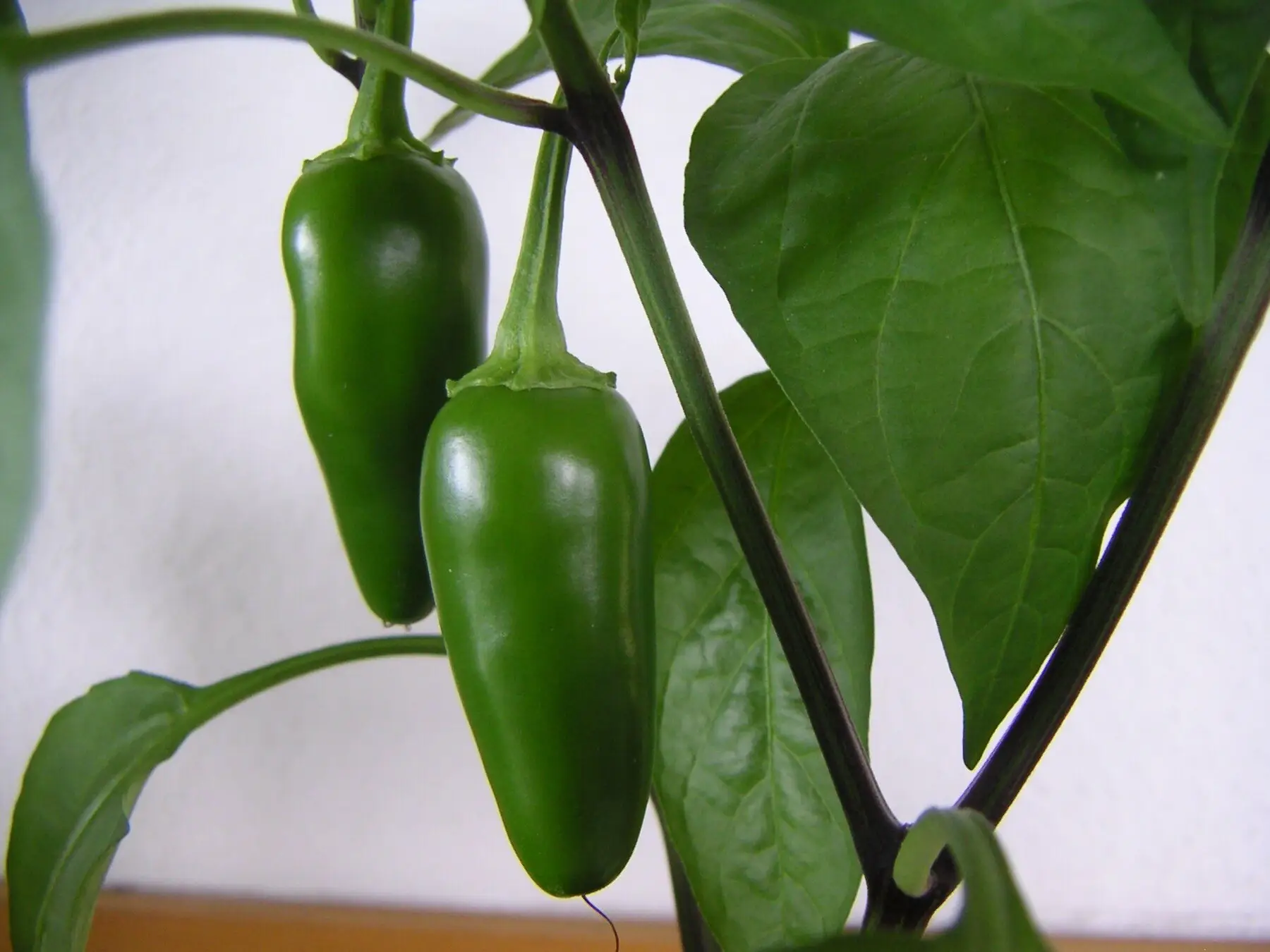
Pick green at full size and firm for classic heat, or leave them to red for sweetness. What the white corking lines mean, and why picking gives you more.
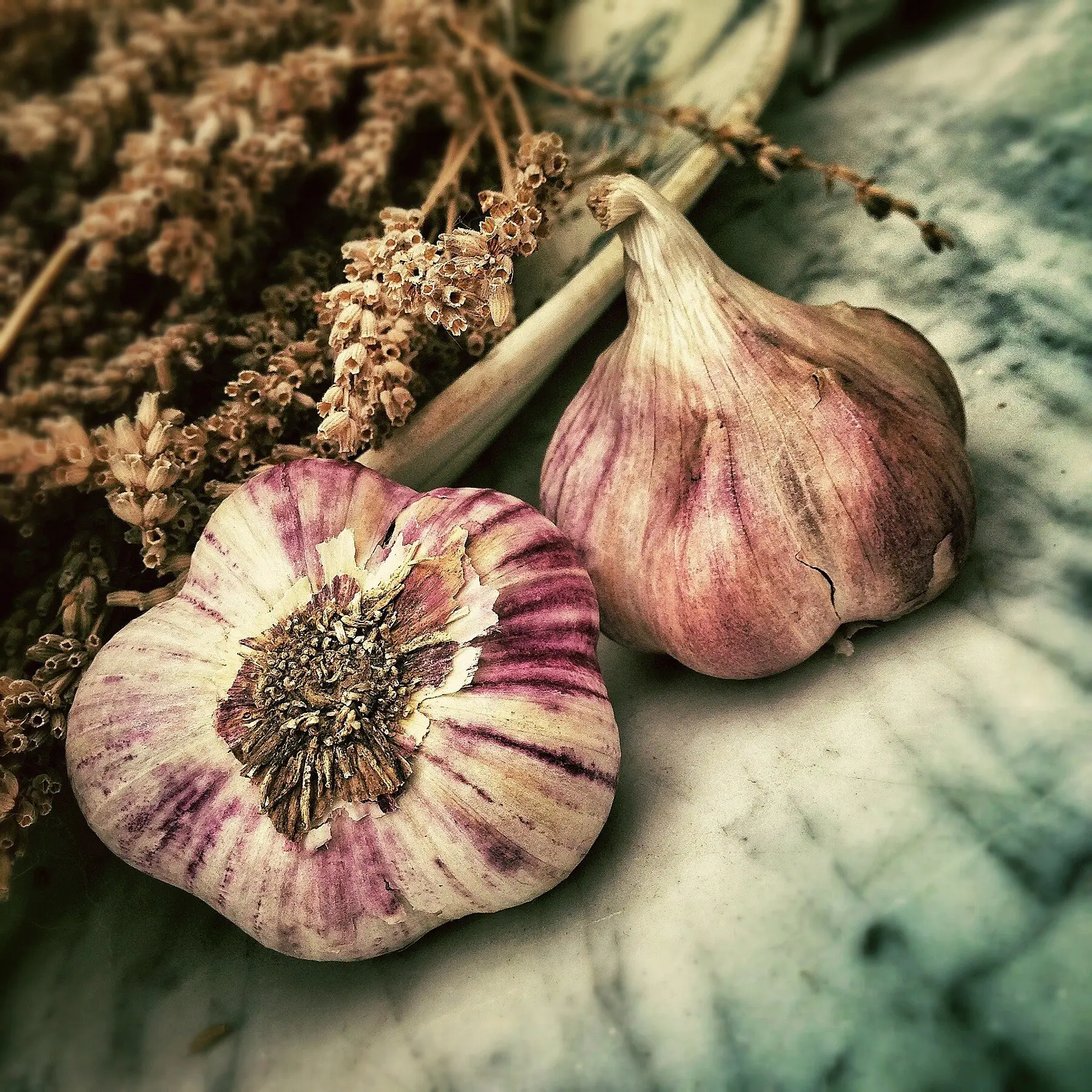
Cured garlic keeps six to ten months in a dark, dry, airy spot at room temperature. Why the fridge ruins it, and what to do with a bulb that has sprouted.
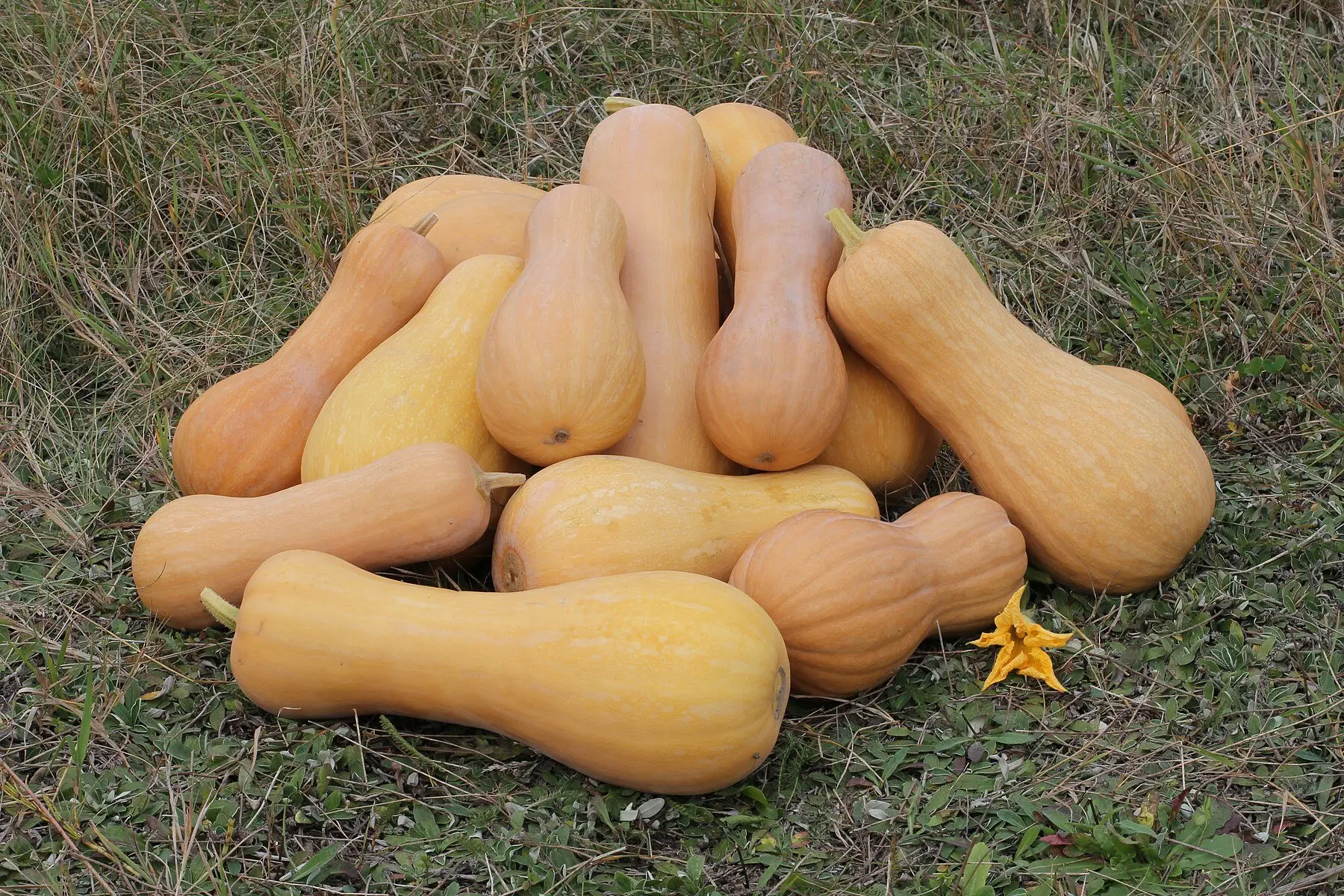
Butternut picked early never sweetens and never keeps. The colour, the stem and the fingernail test, plus the curing that turns it from starchy to sweet.
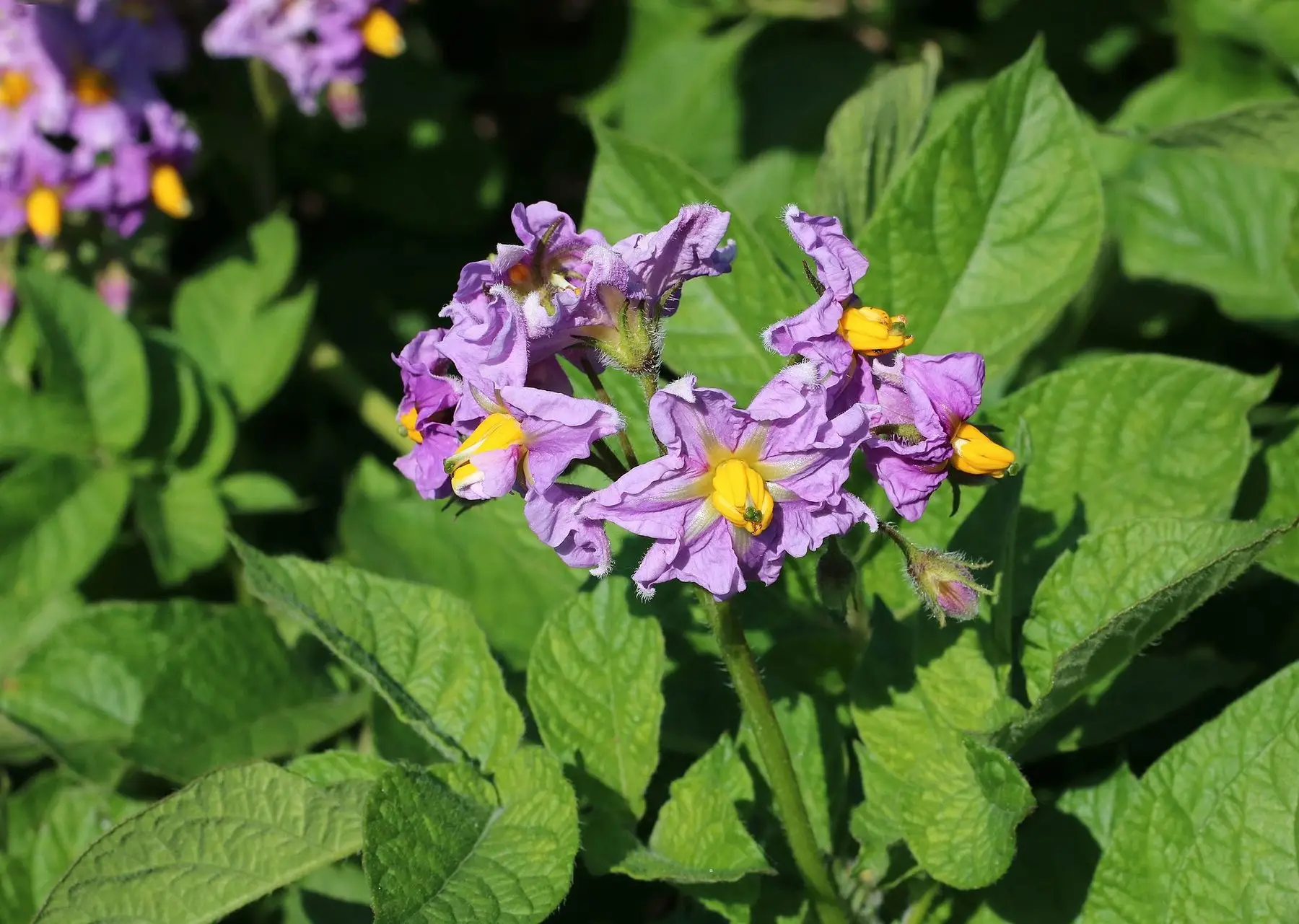
New potatoes come at flowering; storage potatoes need the tops to die back first. How to tell which stage you are at, and how to cure them so they keep.
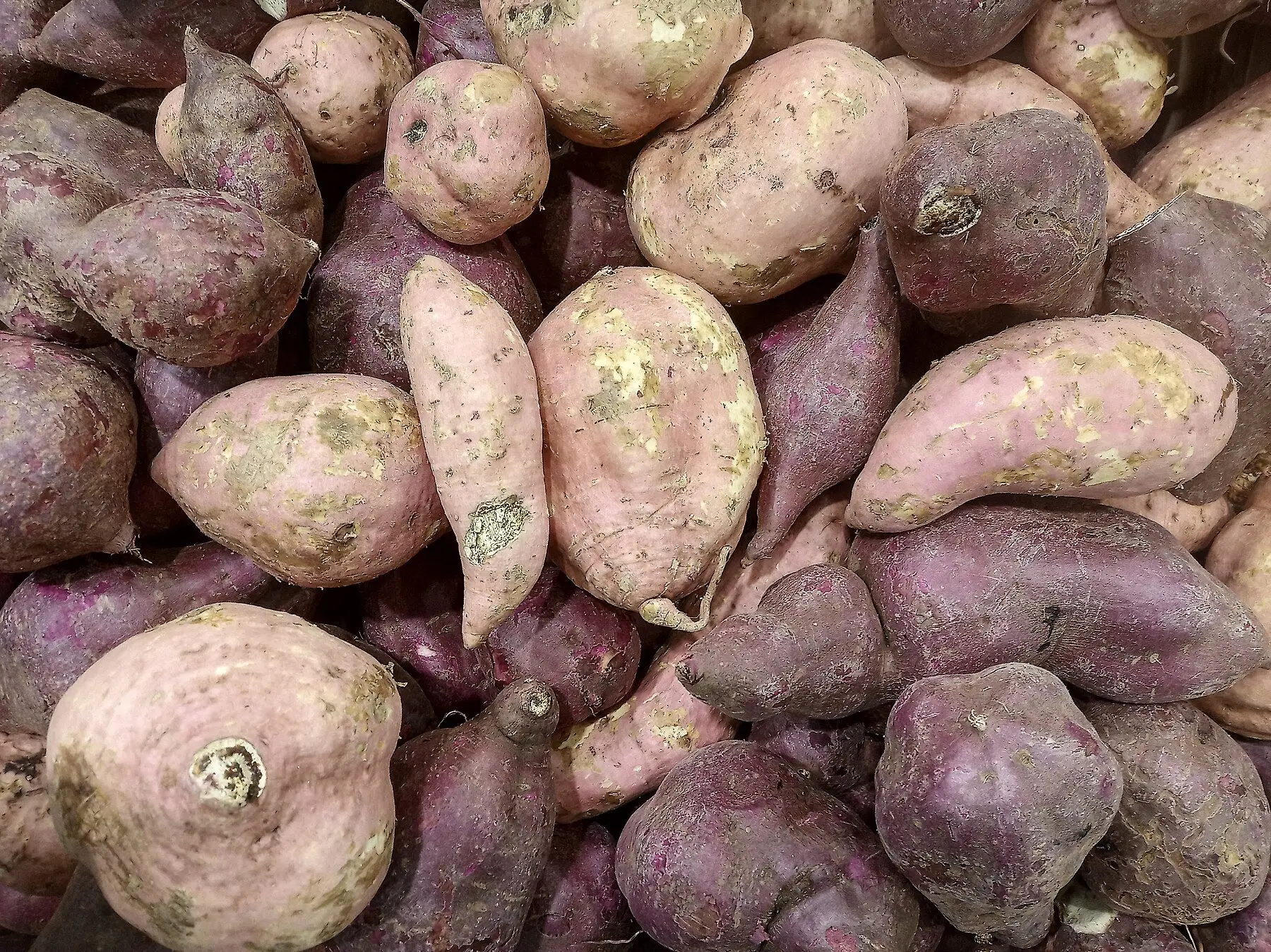
Sweet potatoes are dug on days-from-planting, not on a visible sign, and they taste of nothing until cured. The 100-day count, and the ten days that make them sweet.
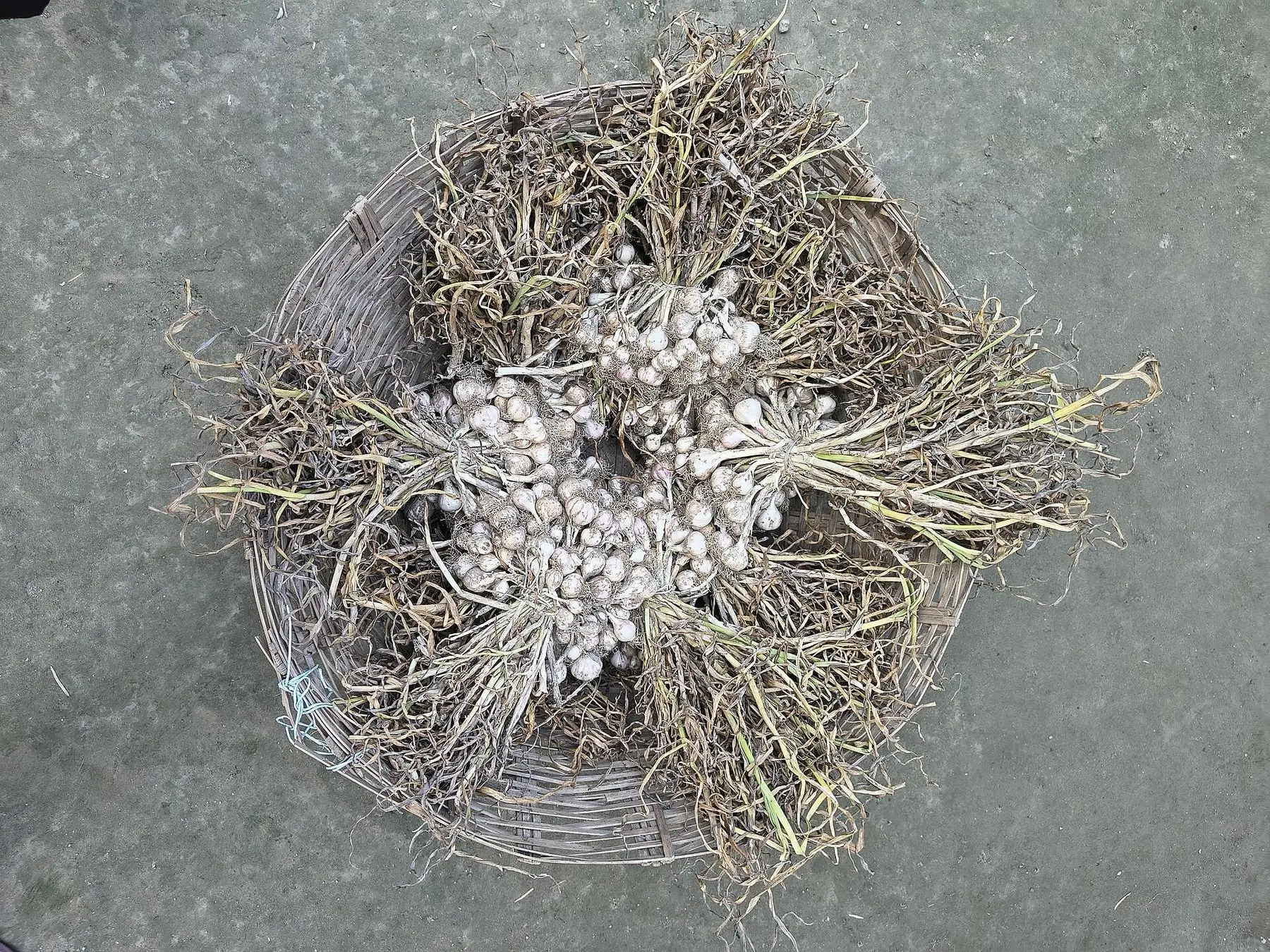
Garlic is ready when three or four lower leaves have browned and five or six are still green — usually July. How to read the plant and test before you dig.
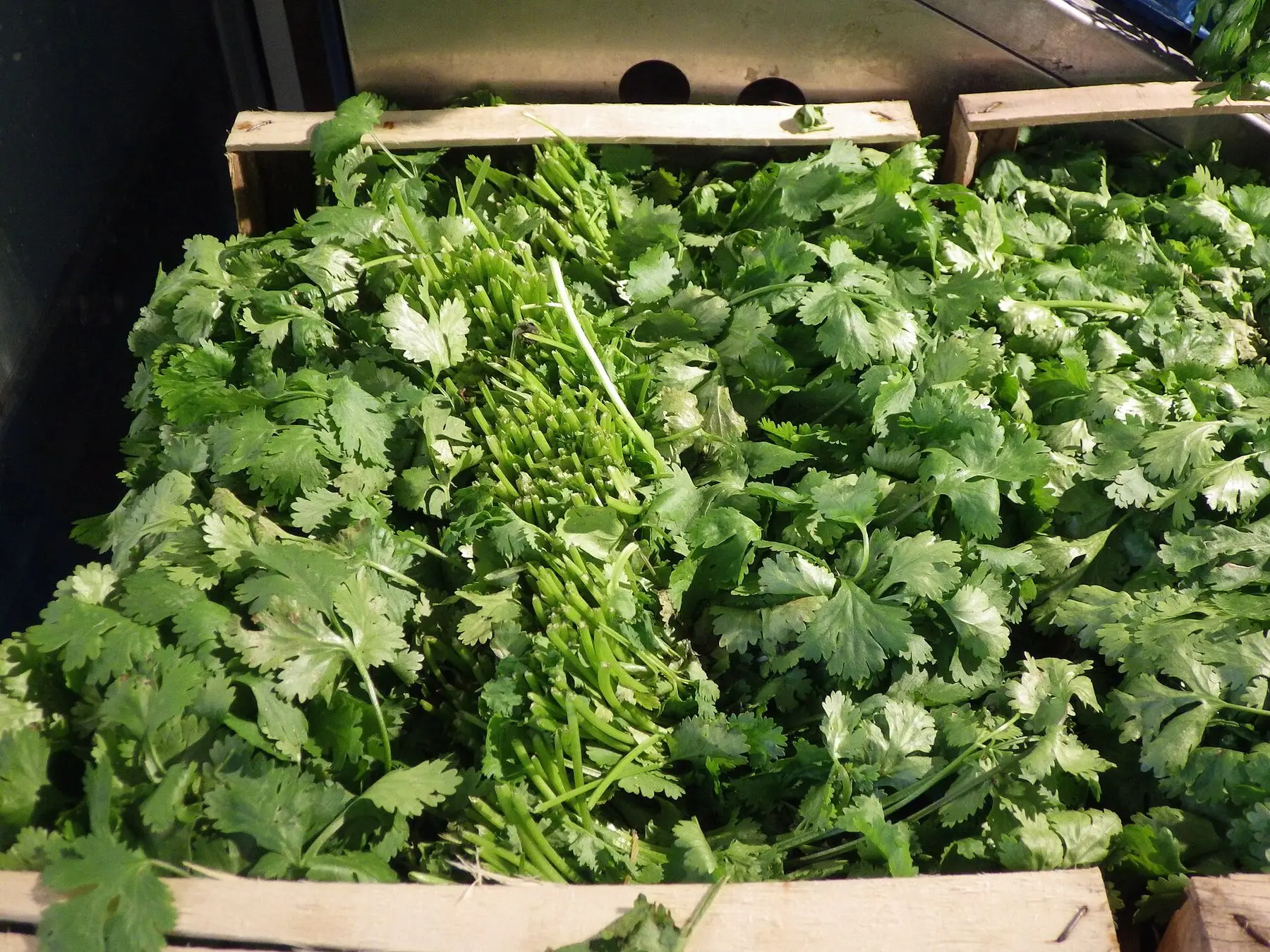
Cilantro wilts fast because it is mostly water with thin leaves. The jar method, what actually freezes well, and why drying it is largely a waste.
Backyard Weekly
One email a week: what to plant now, what to fix, and what is worth buying. No spam, unsubscribe anytime.
Not ready to subscribe? The planting calendar is free and needs no email.
By subscribing you agree to our privacy policy. Grow In Backyard will never sell your address.
Cookies
We use analytics cookies to see which guides get read, so we know what to write next. Decline and nothing is set. Privacy policy.