
When to Harvest Dill: Leaves Before Flowers, Seed After
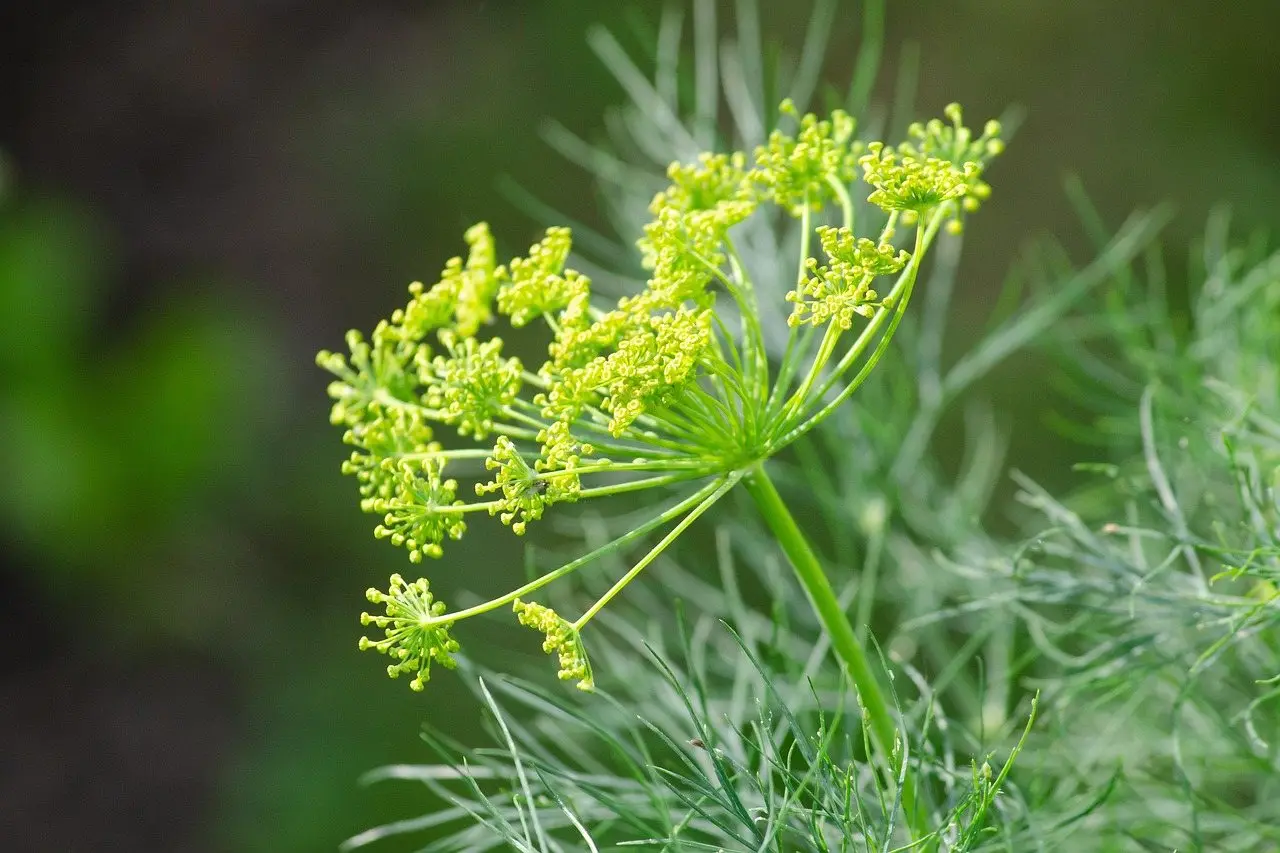
Cut fronds once the plant has four or five leaves, before it bolts. Once flowers open the leaf flavour fades — but then you are growing dill seed.
 By
On this page
Leaves before it flowers, seed after. They are two different crops from the same plant, and the flower stem is the line between them.
Two crops, one plant
| Stage | Crop | Use |
|---|---|---|
| 4–5 leaves to pre-flower | Dill leaf (dill weed) | Fish, potatoes, salads, soft cheese |
| Flower heads, green | Dill flower | Pickling, especially cucumbers |
| Green seed | Immature seed | Pickling, fresh use |
| Tan heads, brown flat seed | Dill seed | A distinct spice — stronger, caraway-like |
People who think dill “went wrong” when it flowered have usually just arrived at the second crop without meaning to.
Cutting the leaves
- Wait for four or five true leaves, about 20 cm tall
- Take whole fronds from the outside, cutting near the base
- Leave the centre alone — it is the growing point
- No more than a third at a time
- Morning harvest keeps better
- Use it fresh. Dill leaf loses most of its character when dried; freezing works far better
Freeze it, do not dry it
Dried dill weed is a pale shadow of the fresh herb. Chopped fronds frozen in a bag, or in ice cube trays with a little water or oil, keep far more of the flavour.
Dill seed, by contrast, dries and stores perfectly.
Harvesting seed
- Let the heads turn tan and the seeds go flat and brown
- Cut the whole head with a length of stem
- Hang upside down in a paper bag, somewhere dry and airy
- Wait one to two weeks — the seed drops into the bag
- Store airtight once completely dry
- Keep some for sowing. Dill self-seeds readily and saved seed germinates well
Living with the bolt
Dill is an annual that flowers on heat and day length, and transplanting or drying out accelerates it. What helps:
- Sow direct. Root disturbance triggers bolting
- Keep the soil consistently moist
- Afternoon shade in summer
- Slow-bolt varieties — Fernleaf, Dukat
- A short row every two to three weeks
And let one or two plants flower deliberately. The umbels attract hoverflies and parasitic wasps, both of which eat aphids, so a flowering dill is doing useful work even when it has stopped producing leaves.
Common questions
When should you harvest dill leaves?
Can you still use dill after it flowers?
How do you harvest dill seed?
How do you stop dill from bolting?
Does cutting dill make it grow back?
Backyard Weekly
Know what to plant, week by week
Join the weekly email for seasonal jobs, fixes for what is going wrong, and gear worth buying.
Not ready to subscribe? The planting calendar is free and needs no email.
By subscribing you agree to our privacy policy. Grow In Backyard will never sell your address.
Keep reading
How to Prune Cilantro: Cutting Outer Stems Delays Bolting
Take outer stems at the base, never the centre. It buys a few weeks — but cilantro bolts on day length, so succession sowing is the real answer.
When to Harvest Spinach: Cut-and-Come-Again vs One Cut
Baby leaves at 3–4 weeks, full leaves at 6–8. Picking outer leaves keeps a plant going for weeks — until it bolts, which heat decides, not you.
How to Grow Oregano: Poor Soil and Full Sun Make It Taste
Oregano grown rich and wet is bland. Lean soil, full sun and sparse water concentrate the oils — and it comes back every year once established.
When to Harvest Garlic (Count the Brown Leaves)
Garlic is ready when three or four lower leaves have browned and five or six are still green — usually July. How to read the plant and test before you dig.