
How to Grow Oregano: Poor Soil and Full Sun Make It Taste
Oregano grown rich and wet is bland. Lean soil, full sun and sparse water concentrate the oils — and it comes back every year once established.
 By
On this page
Poor soil, full sun, not much water. Oregano grown comfortably tastes of nothing — the flavour is a stress response.
Which oregano
| Plant | Flavour |
|---|---|
| Greek oregano (O. vulgare subsp. hirtum) | Strong, peppery. The one you want |
| Common oregano (O. vulgare) | Mild to almost none |
| Italian oregano (O. × majoricum) | Milder, sweeter — a marjoram cross |
| Golden / variegated forms | Ornamental. Little flavour |
| Mexican oregano (Lippia graveolens) | Strong, but a different plant family entirely |
Rub a leaf in the garden centre
Flavour varies so much between plants sold under the same name that the only reliable test is your nose. A good Greek oregano is pungent enough to be obvious from a single crushed leaf.
If it smells faintly of grass, put it back.
Why comfortable conditions ruin it
The compounds that make oregano taste of oregano — carvacrol and thymol, mostly — are produced in greater concentration when the plant is under moderate stress: strong light, lean soil, limited water.
Give it rich compost, regular feed and steady moisture and it will grow enthusiastically and taste of almost nothing. This is the same principle that governs rosemary, thyme and sage, and it is the opposite of how most vegetables are grown.
Growing it
- Sun: 6+ hours. The single biggest variable
- Soil: poor, gritty, free-draining. Add grit to clay; use cactus compost in pots
- Feed: none. A scrape of poor compost in spring at most
- Water: let it dry between waterings. In the ground, only in real drought
- Spacing: 30 cm — airflow matters
- Pots: terracotta, which breathes and dries
Winter
The plant is hardy to roughly −15°C. Wet is what kills it.
- Gritty soil or a raised bed so water moves away from the crown
- Pots moved against a wall, raised on feet
- No mulch piled against the crown
- Cut back after flowering, but stay in the green — it will not resprout from bare wood
Harvesting and renewal
Cut hard just before the flowers open for the strongest dried herb, taking up to two thirds of the plant. Leave the rest to bloom for bees.
Every three or four years the centre goes woody and bare. Lift in spring, split the clump, and replant the vigorous outer pieces — the same renewal that works for chives and marjoram, and the answer to a plant that is all bare stems and no leaves.
Step by step
- Time
- P90D
- Cost
- 10
- You need
- An oregano plant or seed — Greek oregano for flavour, Gritty free-draining compost, or poor garden soil
- Tools
- A terracotta pot with drainage, if container grown, Secateurs or scissors
Buy Greek oregano, not ornamental
Origanum vulgare subsp. hirtum is the one that tastes of oregano. Plain Origanum vulgare sold as common oregano is often nearly flavourless, and golden and variegated forms are bred for looks. Rub a leaf in the shop and smell it before buying.
Give it full sun
Six hours minimum, and more is better. Oregano in shade grows leggy, pale and bland — sunlight is what drives the essential oil production that makes it worth growing.
Plant into poor, gritty, free-draining soil
Lean soil concentrates the flavour. Add grit or perlite to heavy ground, or grow in a terracotta pot of cactus compost. Avoid rich compost and avoid manure entirely.
Do not feed it
Feeding produces soft, lush, watery growth with far less oil in it. An annual scrape of poor compost in spring is more than enough for an established plant.
Water sparingly
Let it dry out between waterings, and in open ground water only in a genuine drought. More oregano is killed by wet roots in winter than by anything else.
Pinch early and often
Start tipping the shoots as soon as the plant is established. It branches from where you cut, so early pinching gives a dense bushy plant rather than a few long stems.
Harvest before flowering for strength
Oil content peaks just before the flowers open, so cut hard at that point if you are drying a batch. Leave some flowers on for bees if the plant is established — they are among the better bee plants in a herb bed.
Cut back in autumn, and divide every few years
Trim to a few inches after flowering, staying in the green growth. Every three or four years the centre goes woody and bare; lift and divide in spring to renew it.
Common questions
Why does my oregano have no flavour?
Does oregano come back every year?
How much sun does oregano need?
Should you let oregano flower?
How do you keep oregano from getting woody?
Backyard Weekly
Know what to plant, week by week
Join the weekly email for seasonal jobs, fixes for what is going wrong, and gear worth buying.
Not ready to subscribe? The planting calendar is free and needs no email.
By subscribing you agree to our privacy policy. Grow In Backyard will never sell your address.
Keep reading
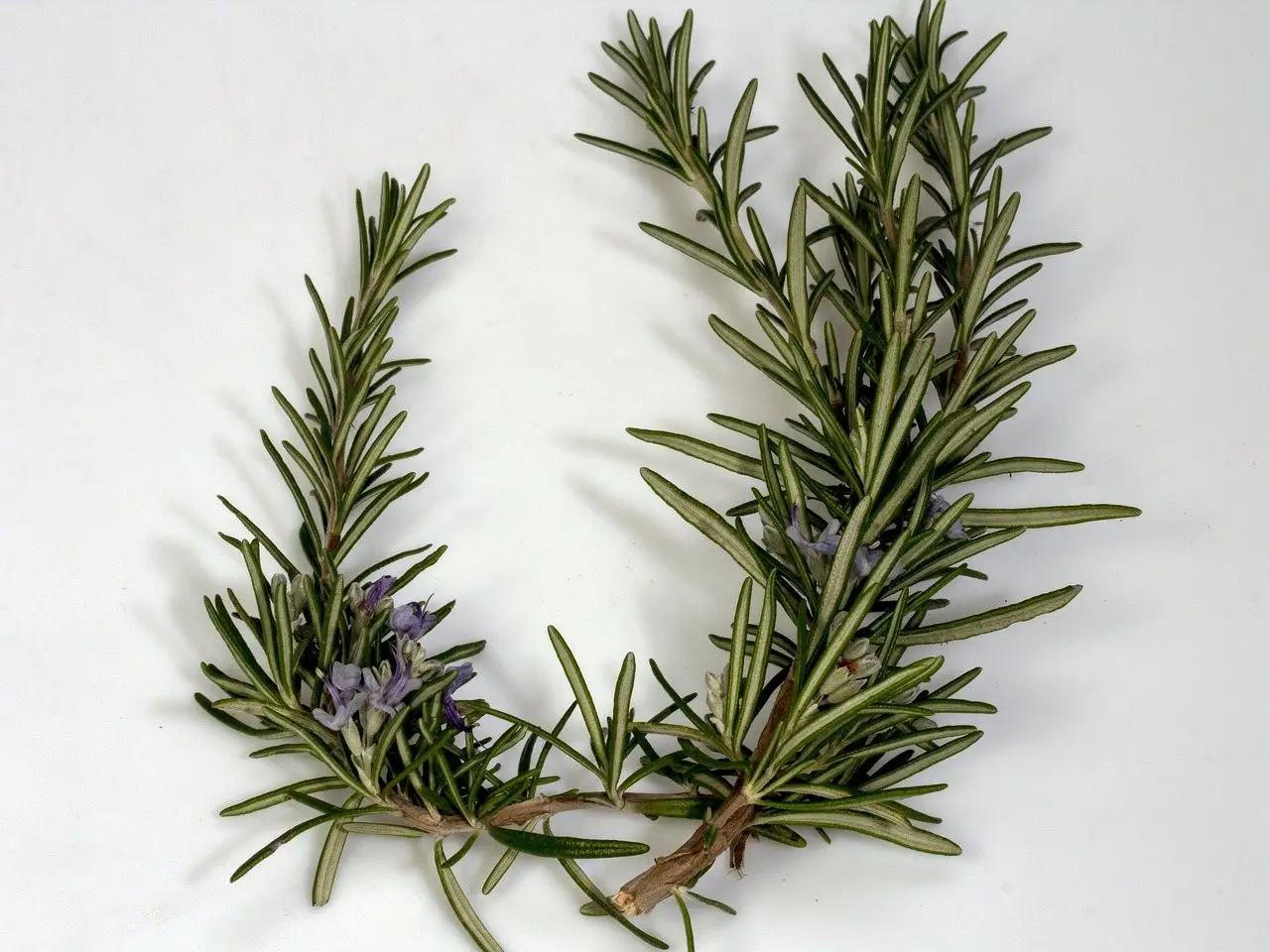
How to Cut Rosemary: Where to Cut So It Grows Back Bushy
Cut above a leaf node in the green growth, never into bare brown wood. Old rosemary will not resprout from it — which is how plants get killed.
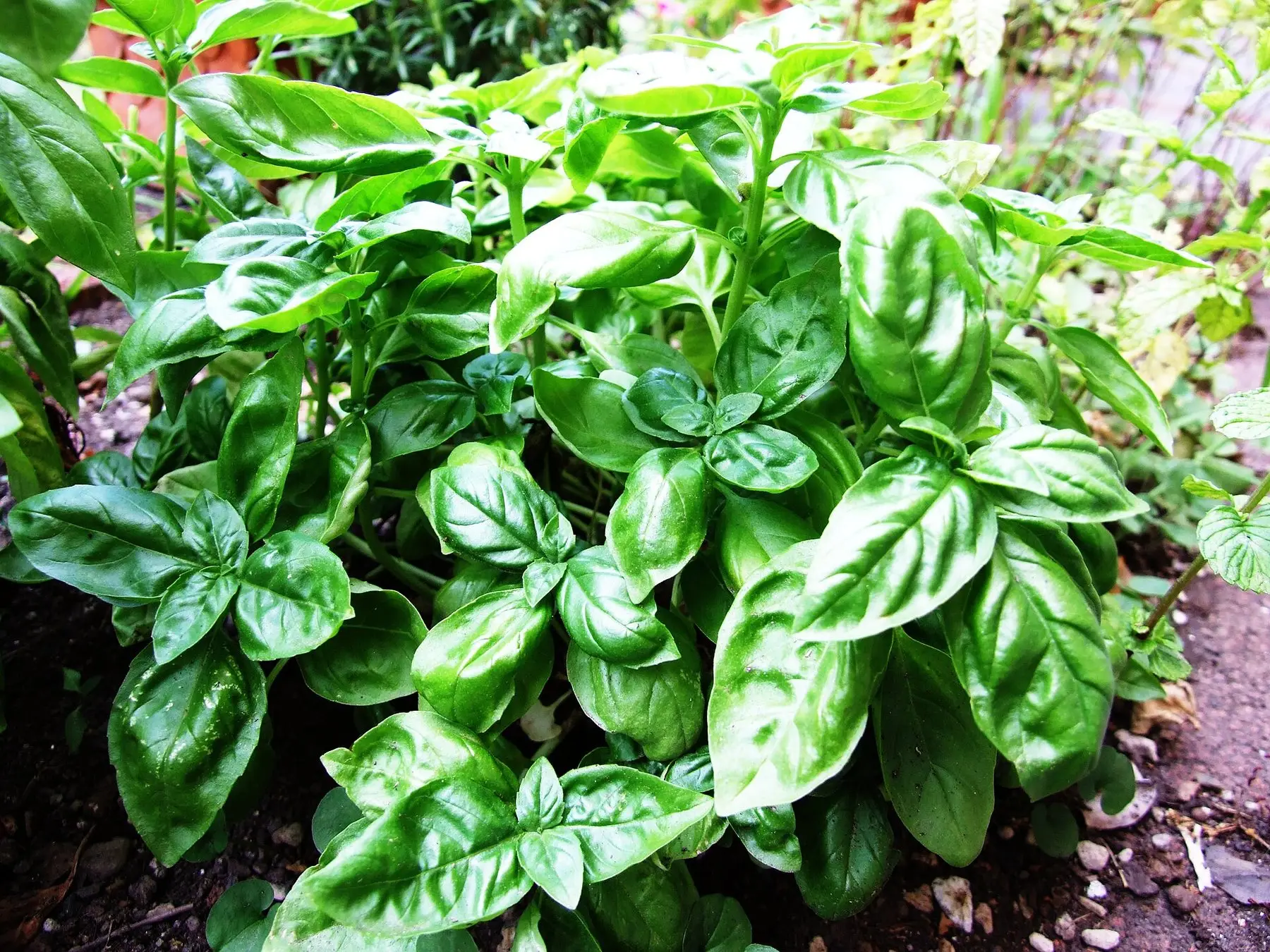
How to Grow Basil: Pinch It Early, Pinch It Often
Basil is easy to grow and easy to lose to one mistake — letting it flower. How to sow it, where to put it, and the pinching routine that keeps it producing.
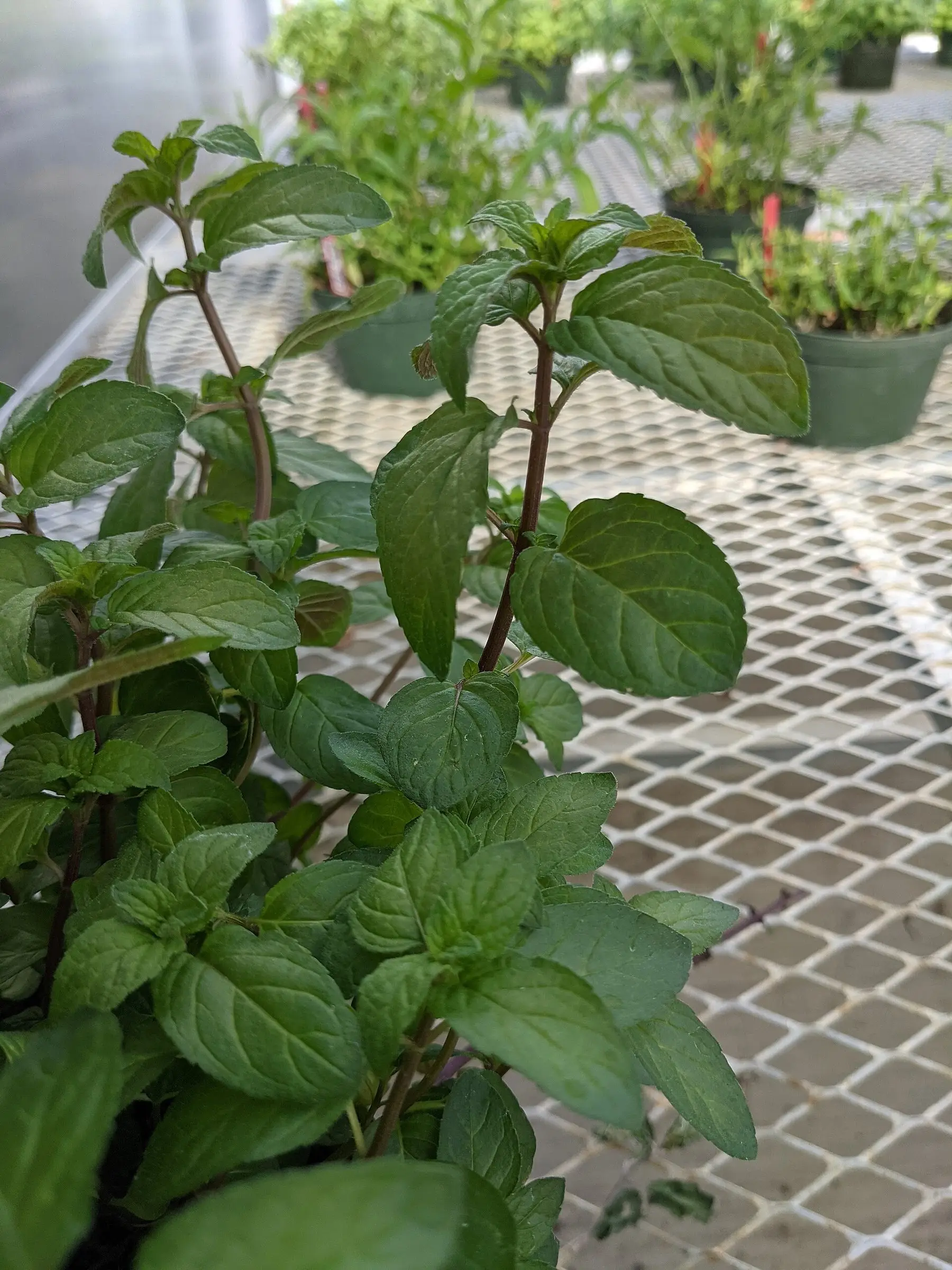
How to Grow Mint Without It Taking Over the Garden
Mint spreads by runners just under the surface and will colonise a bed in two seasons. Containment that actually works, and the pruning that keeps leaves tender.
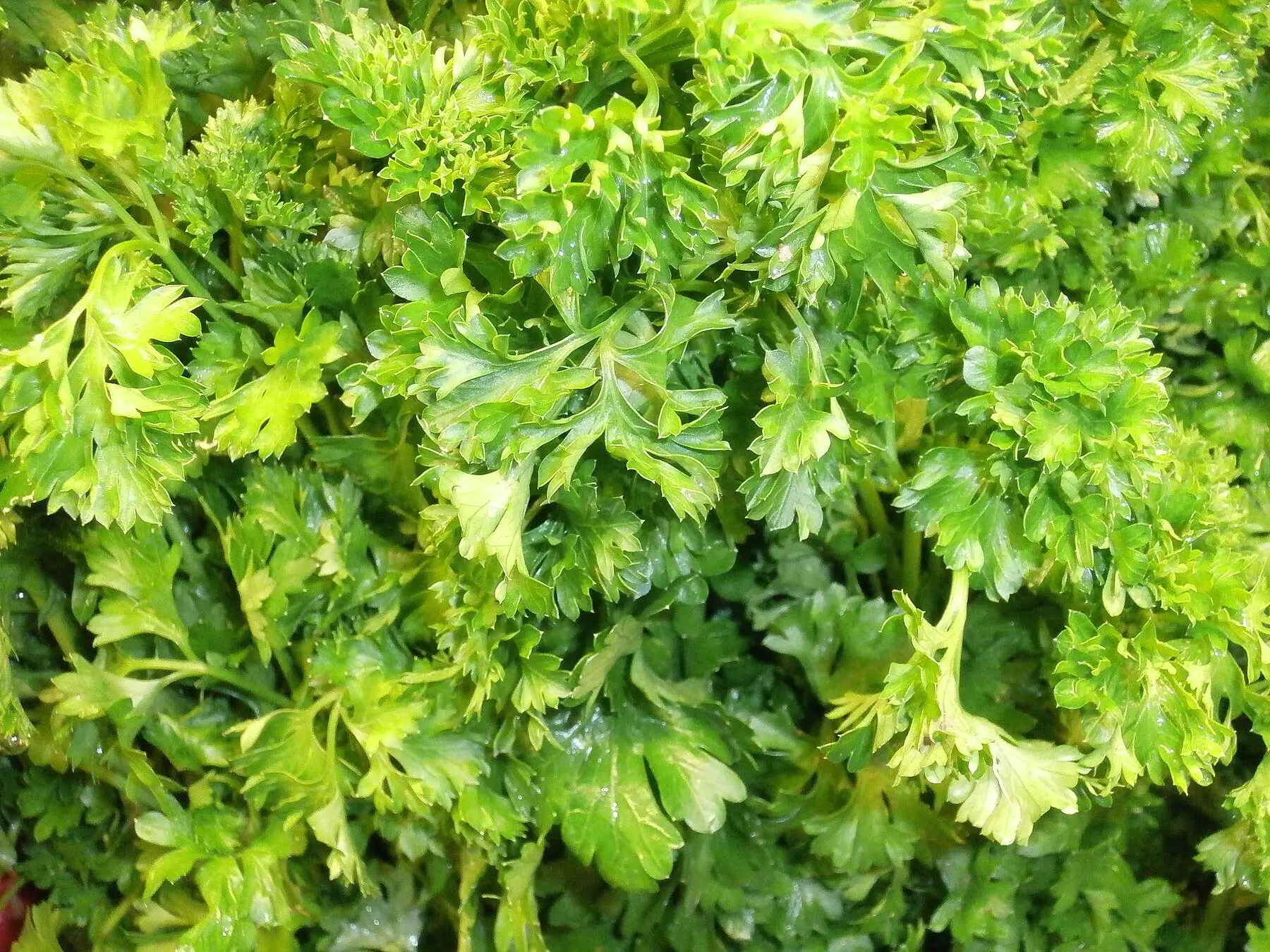
How to Grow Parsley: Slow Seed, Long Season
Parsley germinates in three to four weeks and tests everyone's patience. Soaking, why it resents transplanting, and what to do when it bolts in year two.