
Growing Guides ·
Do You Pick Mint From the Top or the Bottom?
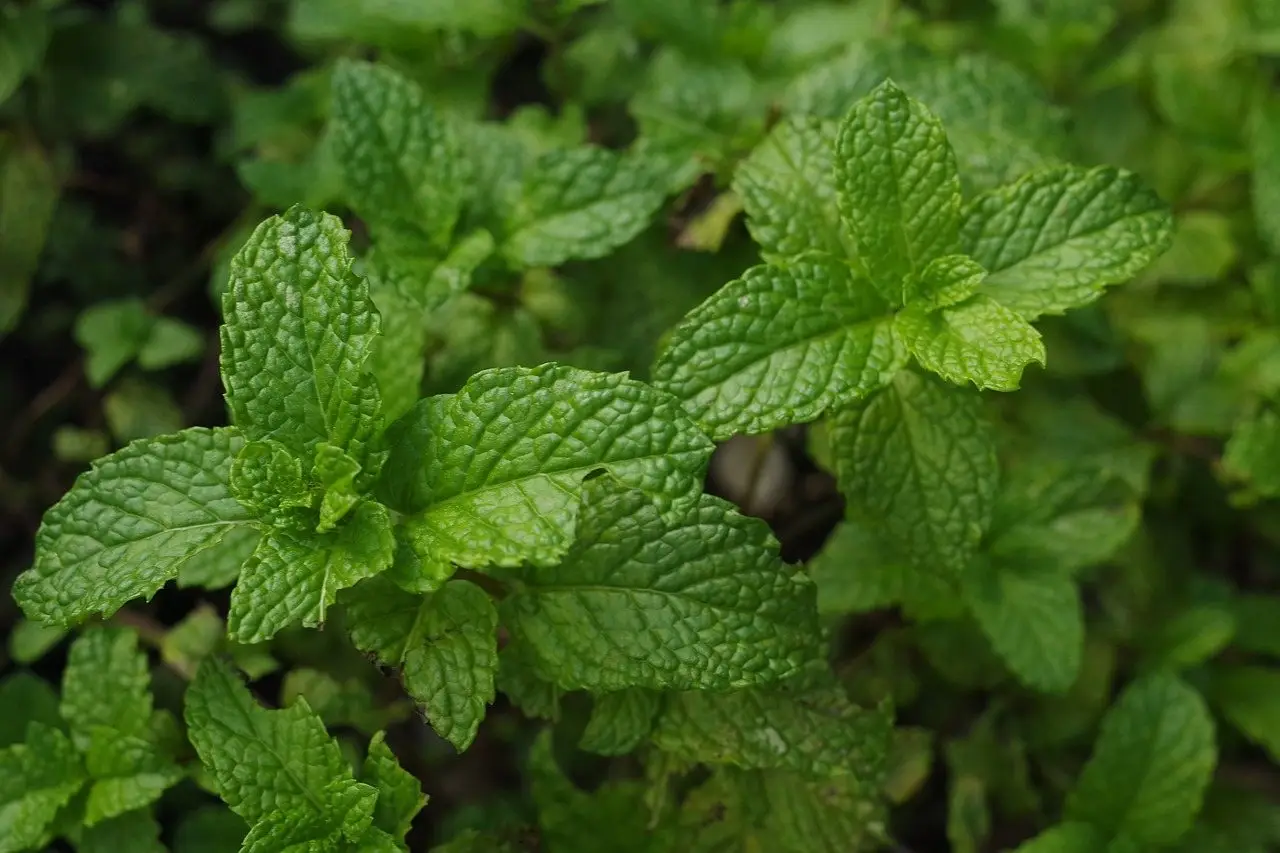
Pick from the top, just above a pair of leaves. Cutting the growing tip makes mint branch into two stems — taking lower leaves does the opposite.
30 guides in Growing Guides.
Start here
Basil is easy to grow and easy to lose to one mistake — letting it flower. How to sow it, where to put it, and the pinching routine that keeps it producing.
Pick from the top, just above a pair of leaves. Cutting the growing tip makes mint branch into two stems — taking lower leaves does the opposite.
French tarragon has the flavour and cannot be grown from seed. If a packet offers tarragon seed, it is Russian — and Russian is close to tasteless.
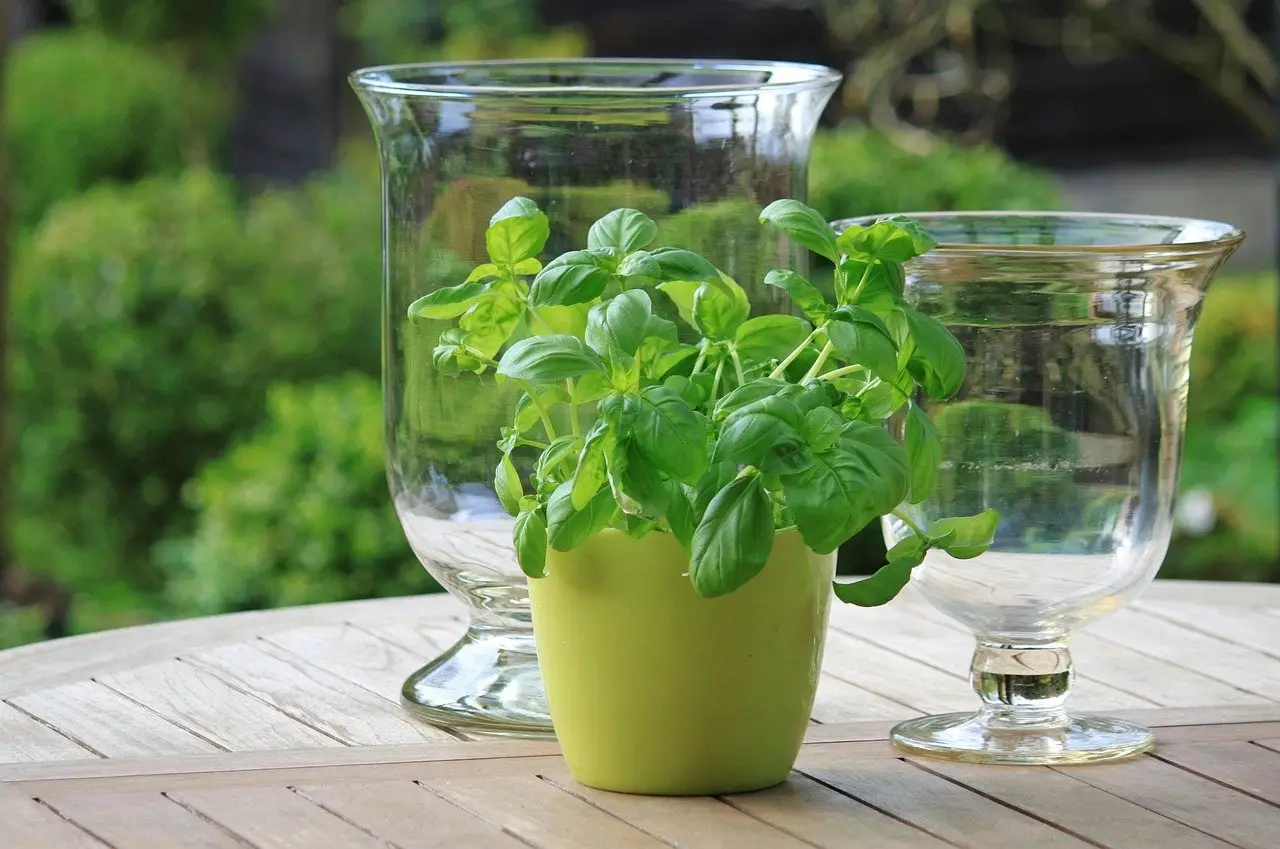
Group herbs by what they want, not by what you cook with. Mediterranean herbs in one pot, thirsty soft herbs in another, and mint always alone.
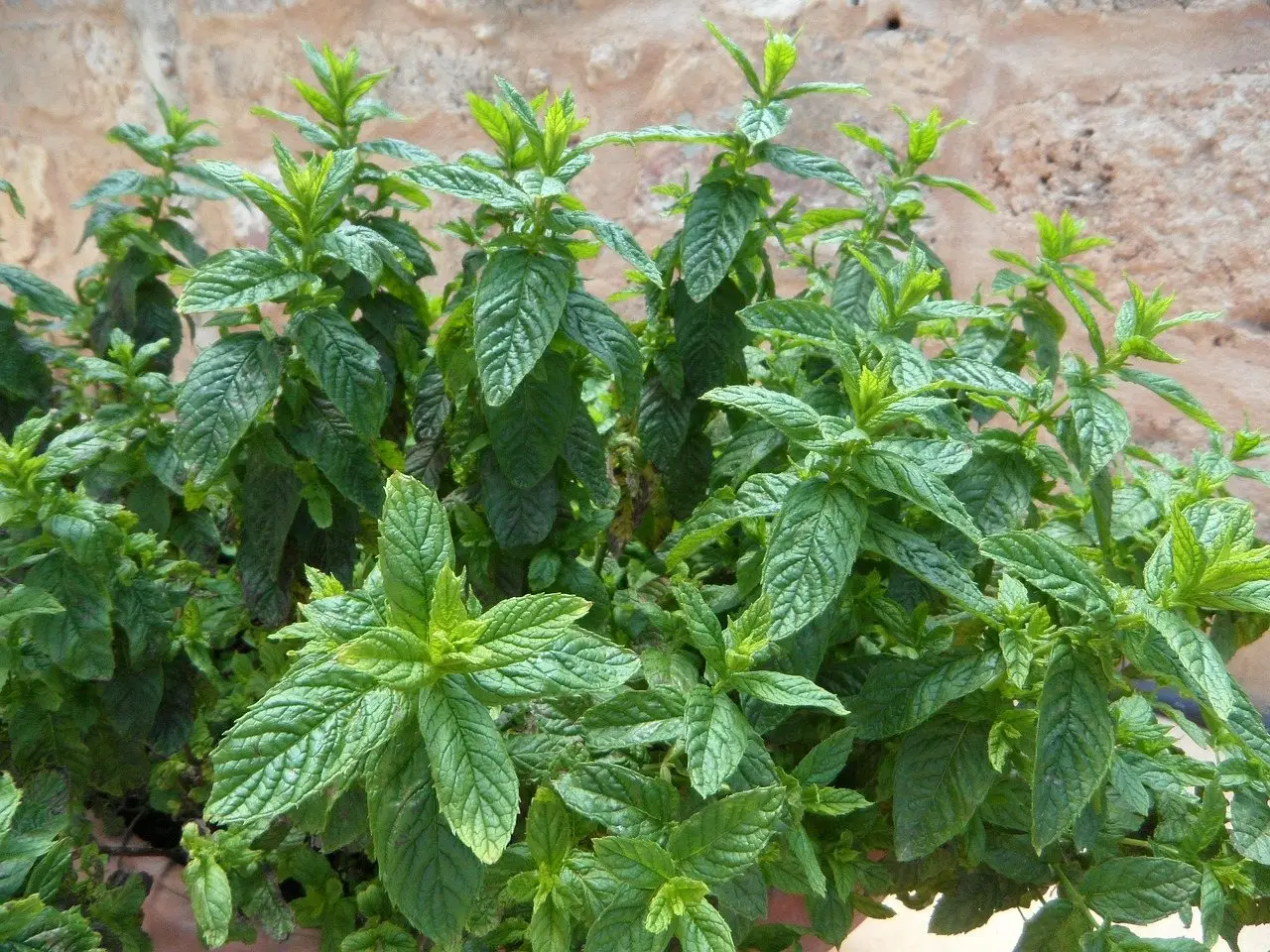
Mint tolerates full sun but prefers four to six hours with afternoon shade. Full sun gives more essential oil and smaller, tougher leaves. Which you want.
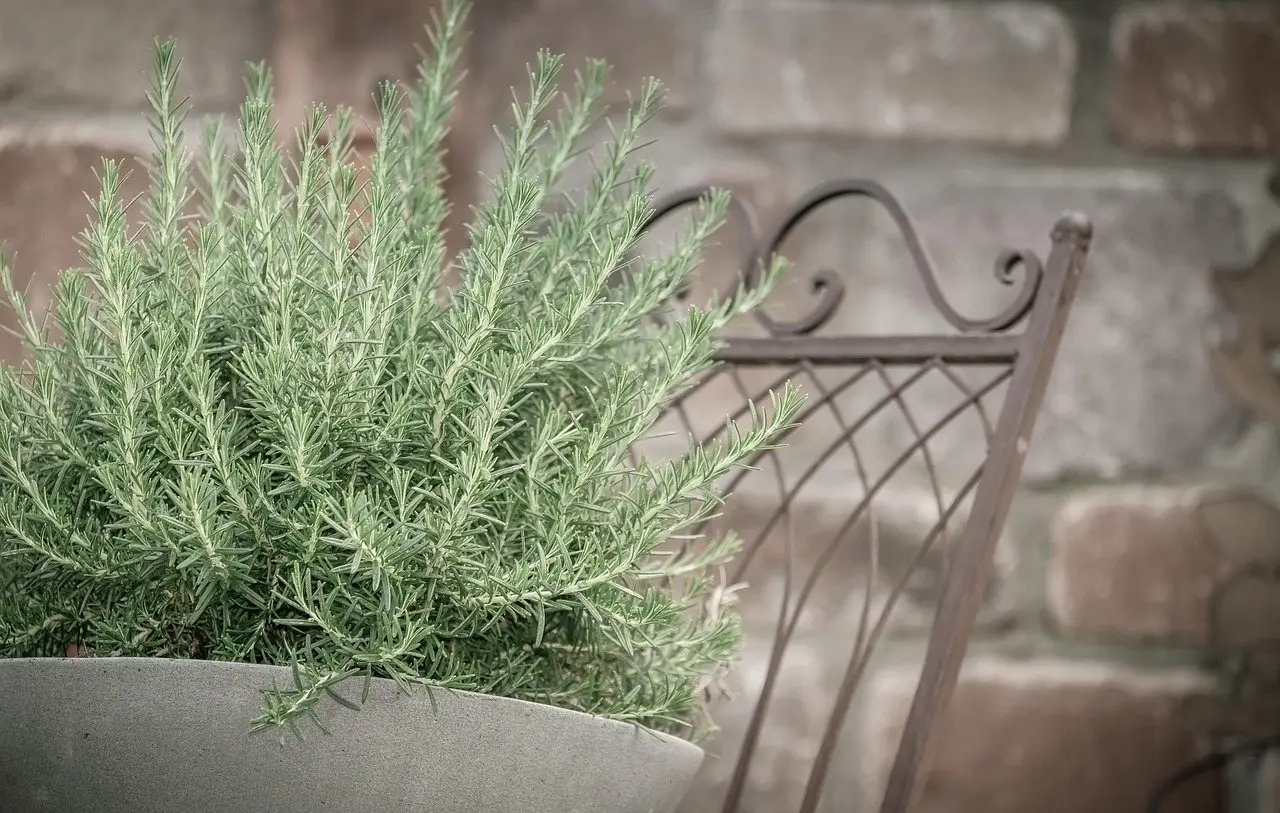
In the ground, almost never once established. In a pot, when the top inch is dry — and the needles lie about thirst until it is too late.
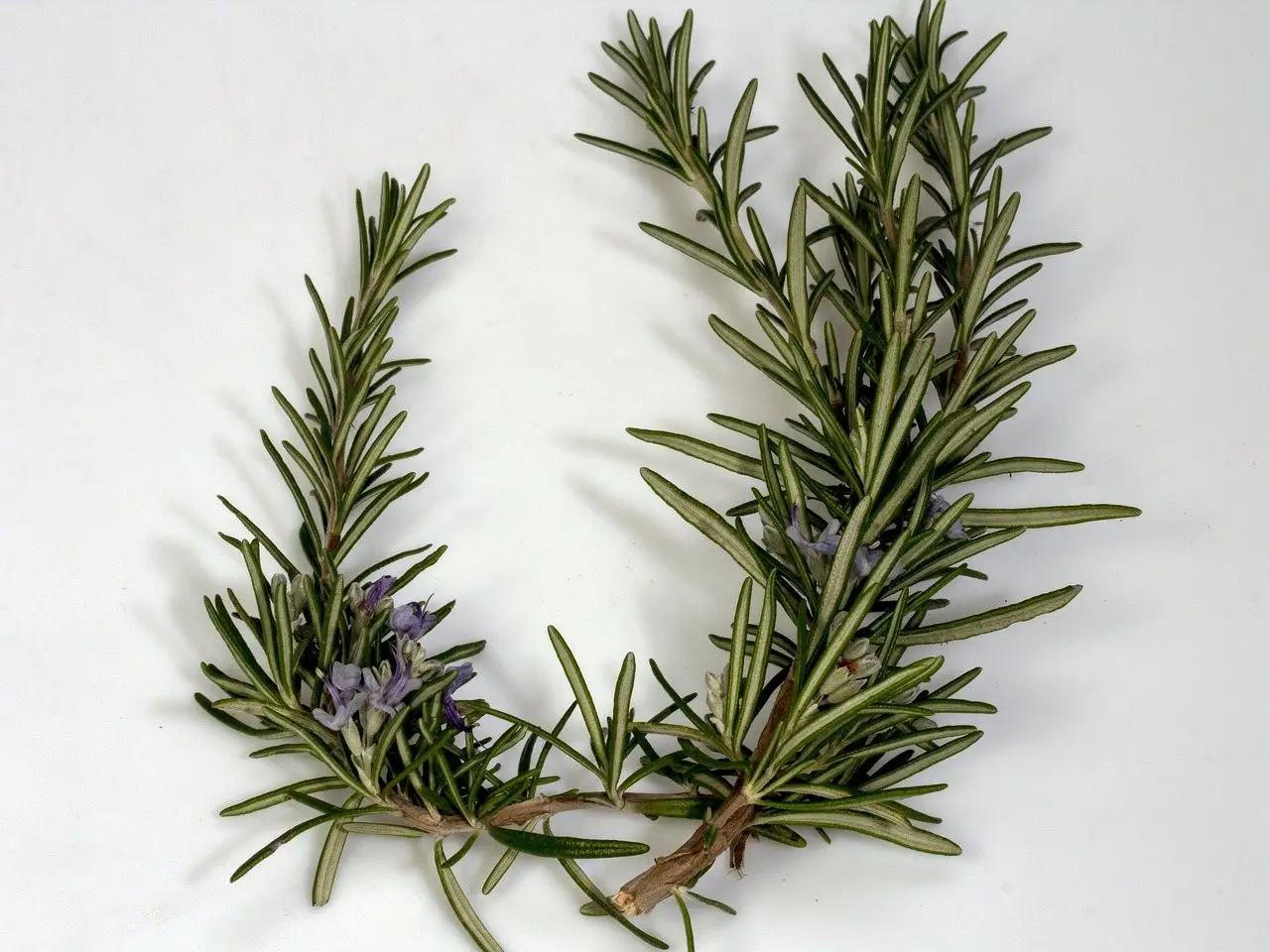
Cut above a leaf node in the green growth, never into bare brown wood. Old rosemary will not resprout from it — which is how plants get killed.
Oregano grown rich and wet is bland. Lean soil, full sun and sparse water concentrate the oils — and it comes back every year once established.
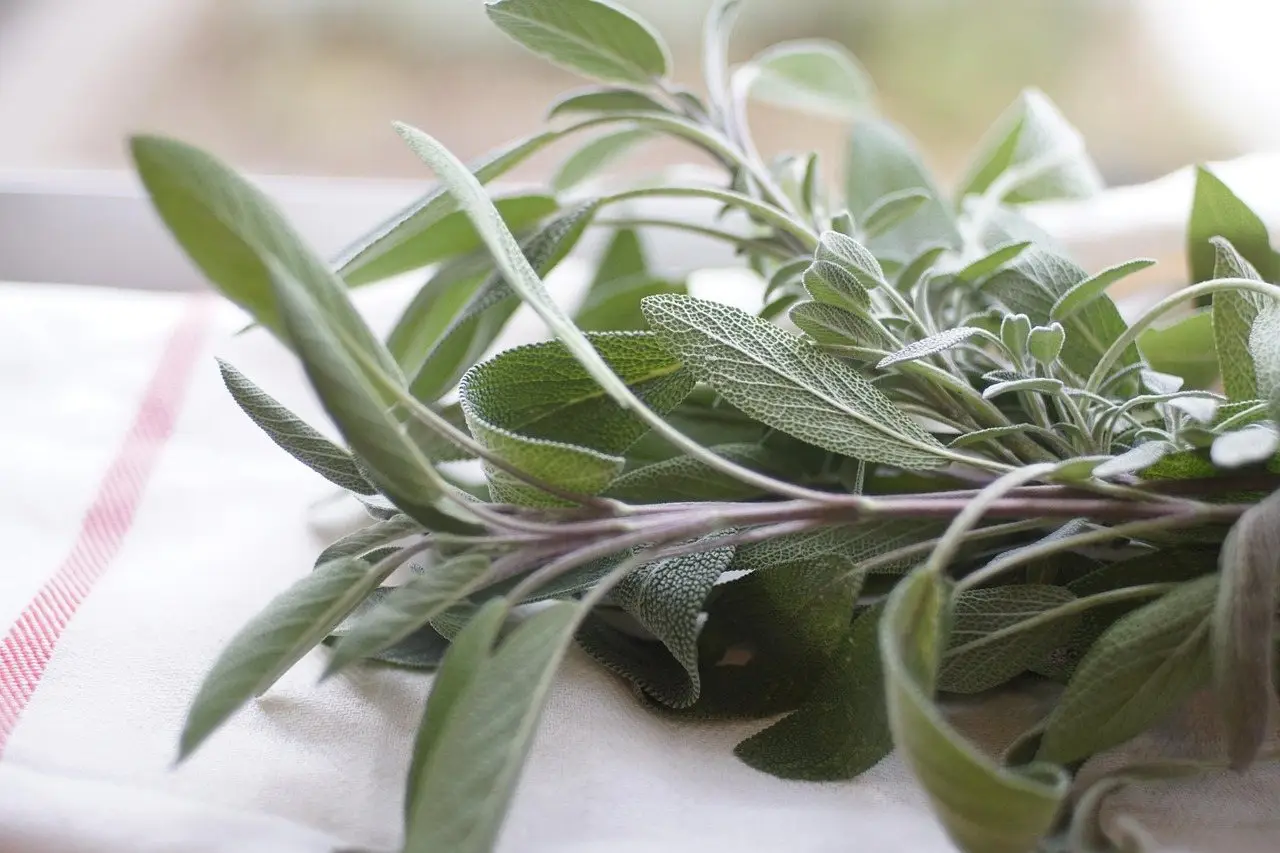
Sage dies from wet feet, not cold. Lean free-draining soil, full sun, no feed — and replace the plant every four or five years before it goes woody.
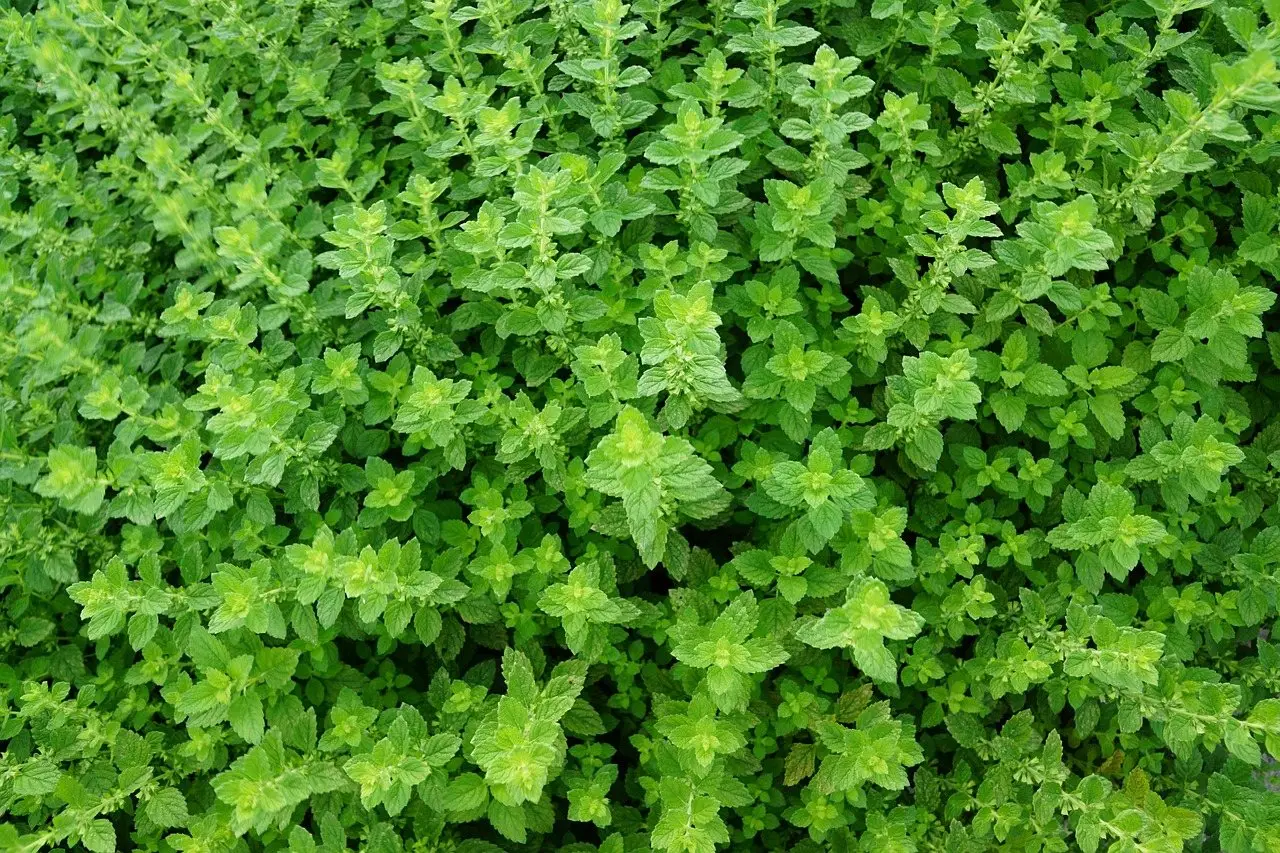
Thyme wants gravel, sun and neglect. It survives drought and frost easily and dies in wet clay — which is the only real decision you have to make.
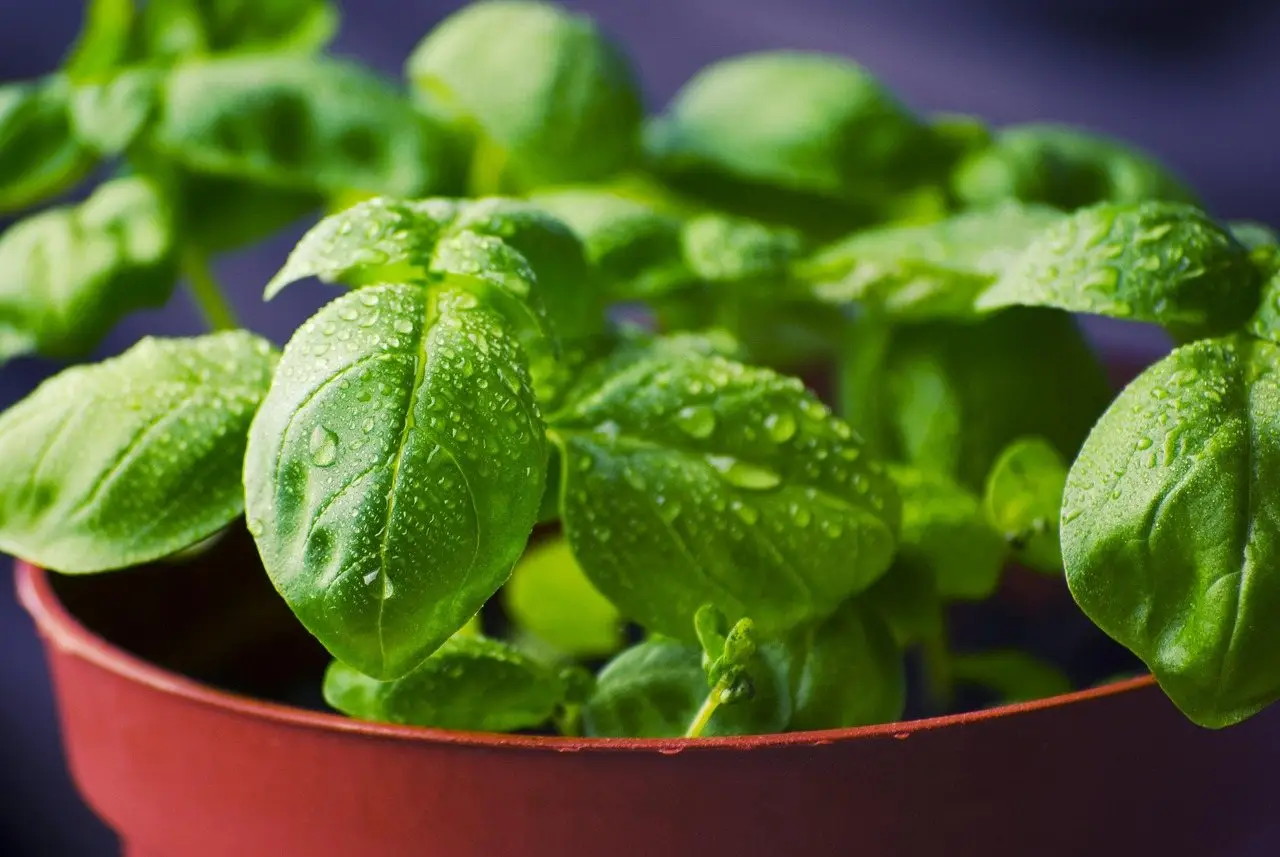
Basil sulks below 10°C and rots in cold wet soil. Wait for warmth, plant shallow, and start pinching early — that is what makes it bushy.
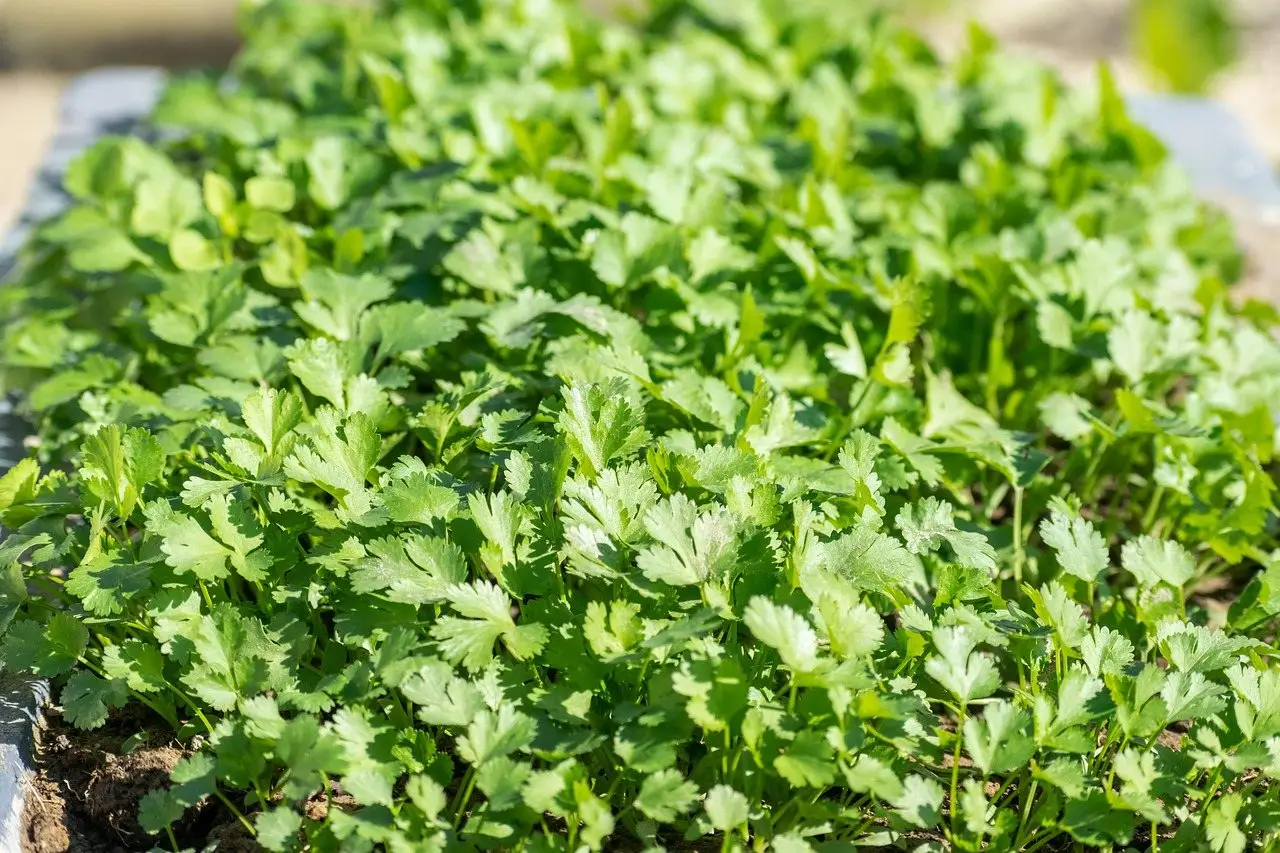
Take outer stems at the base, never the centre. It buys a few weeks — but cilantro bolts on day length, so succession sowing is the real answer.
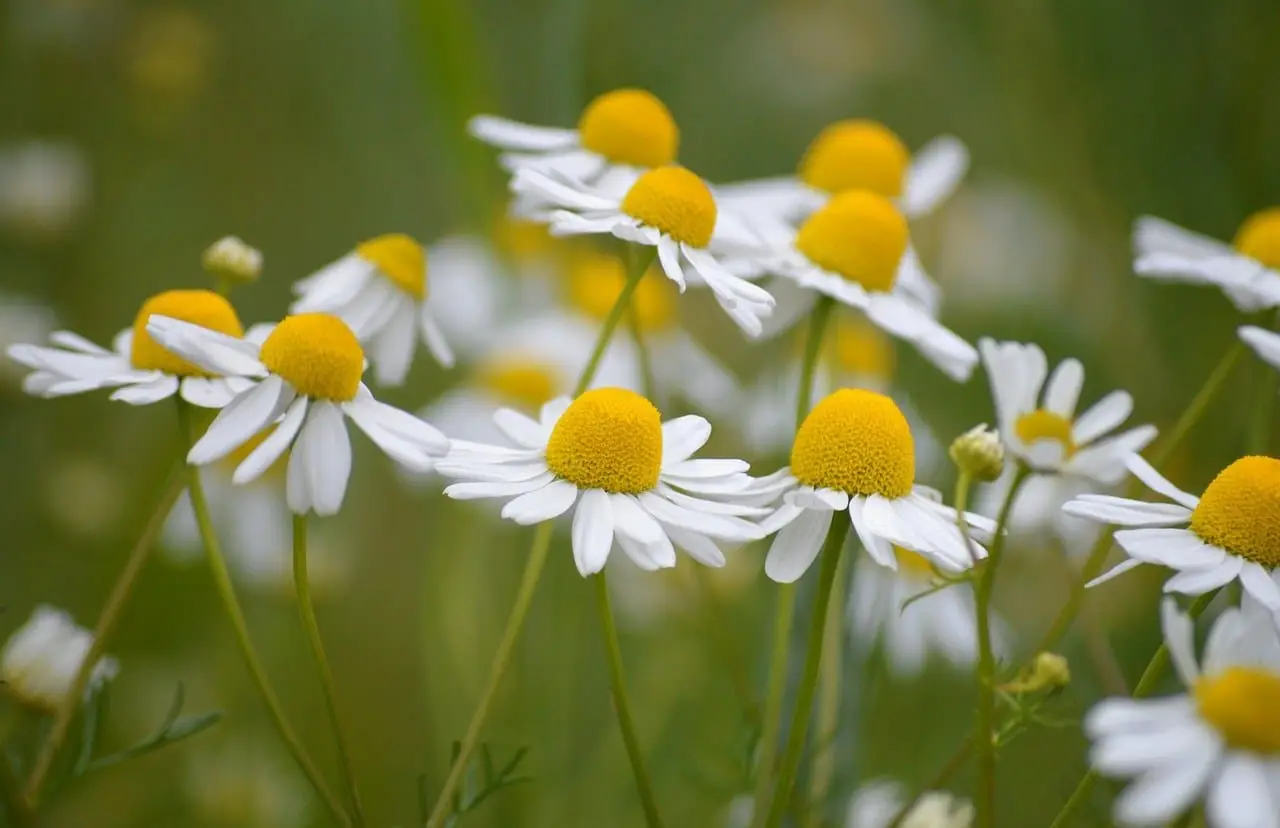
Roman chamomile is a perennial that spreads; German chamomile is an annual that self-seeds. Both come back — by completely different mechanisms.
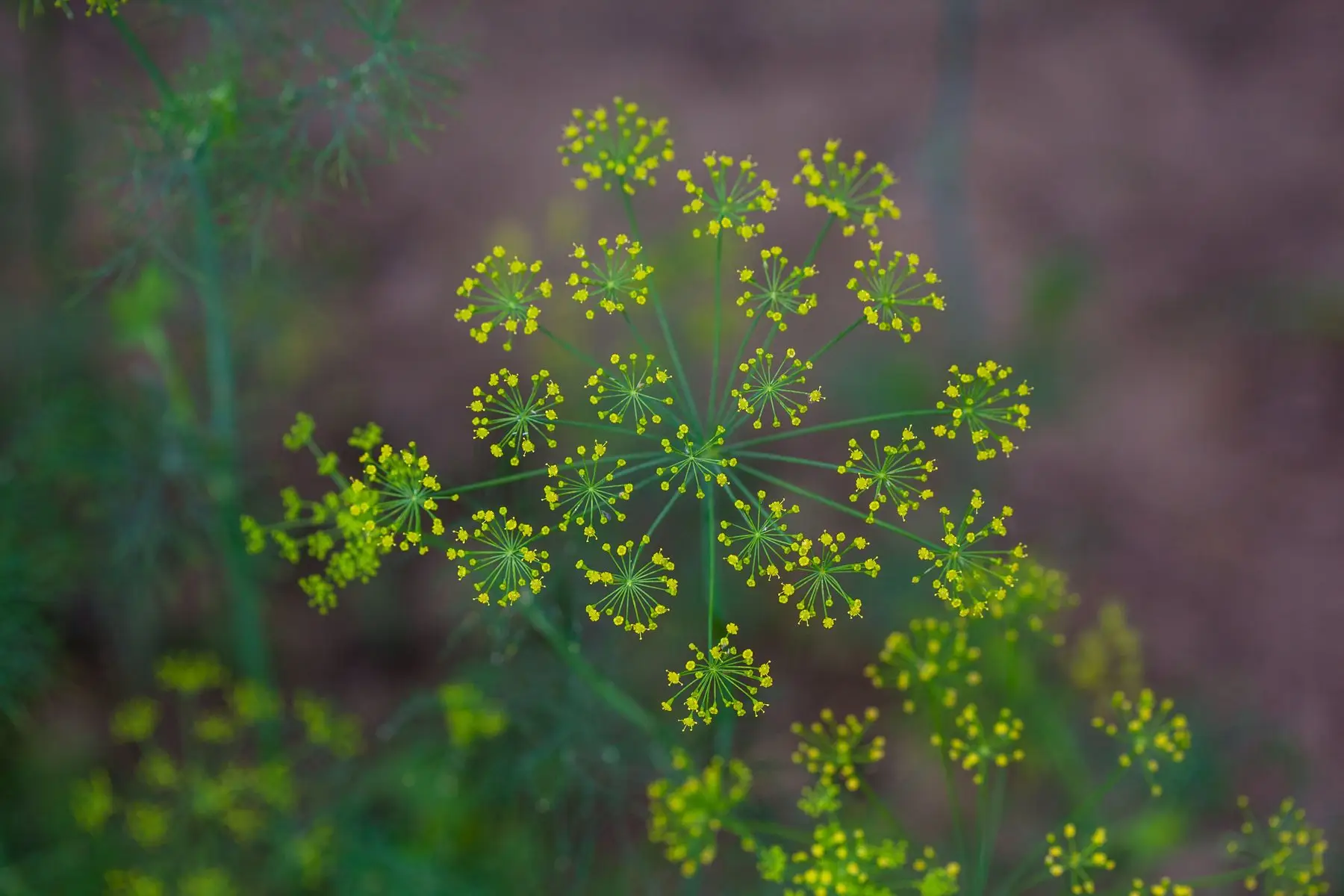
Dill is an annual and dies after flowering — but it seeds so freely that a patch returns on its own if you let one plant set seed.
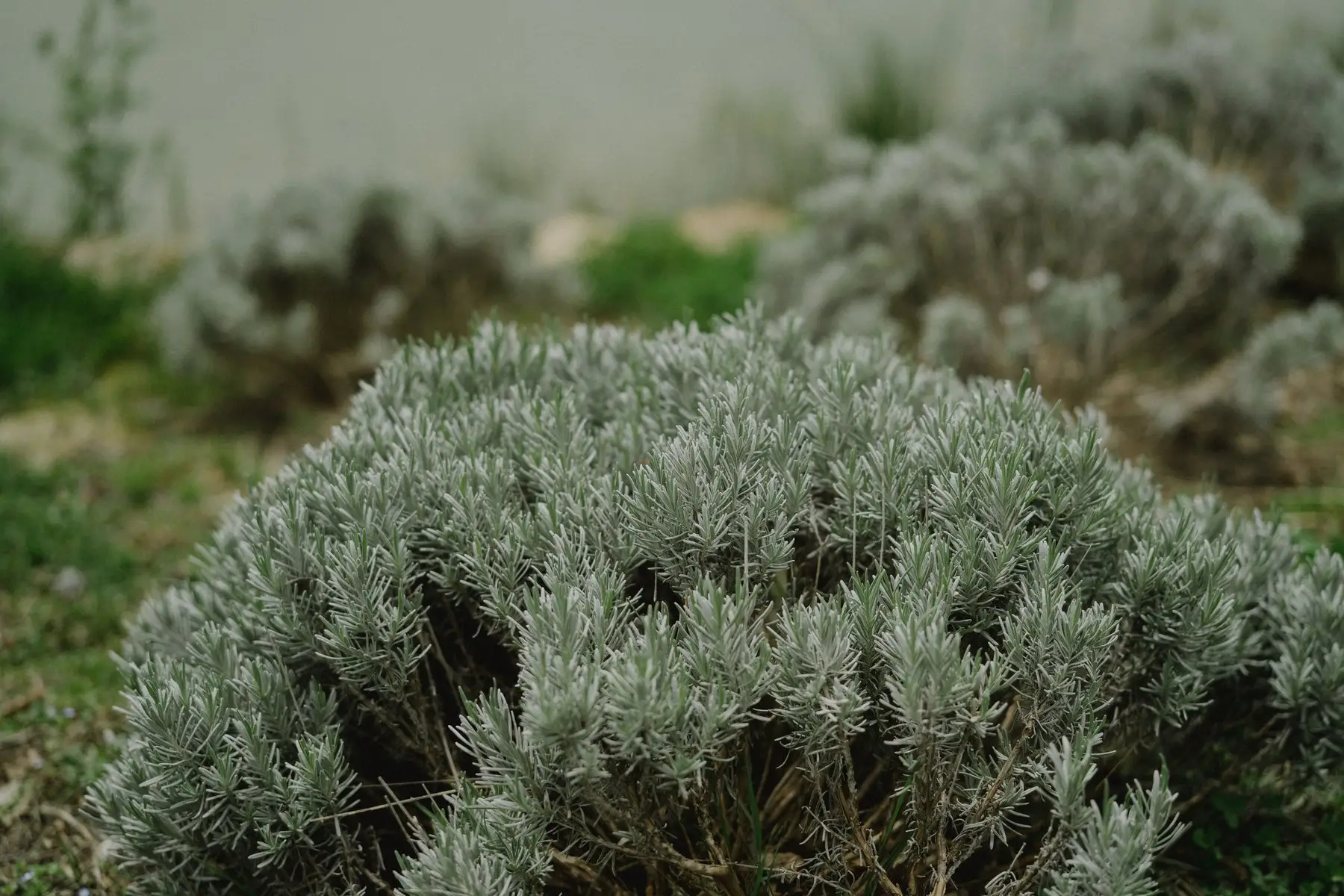
Lavender leaves are usable year-round and stronger than the flowers — good for infusing, drying and repelling moths, but harsh used like a herb.
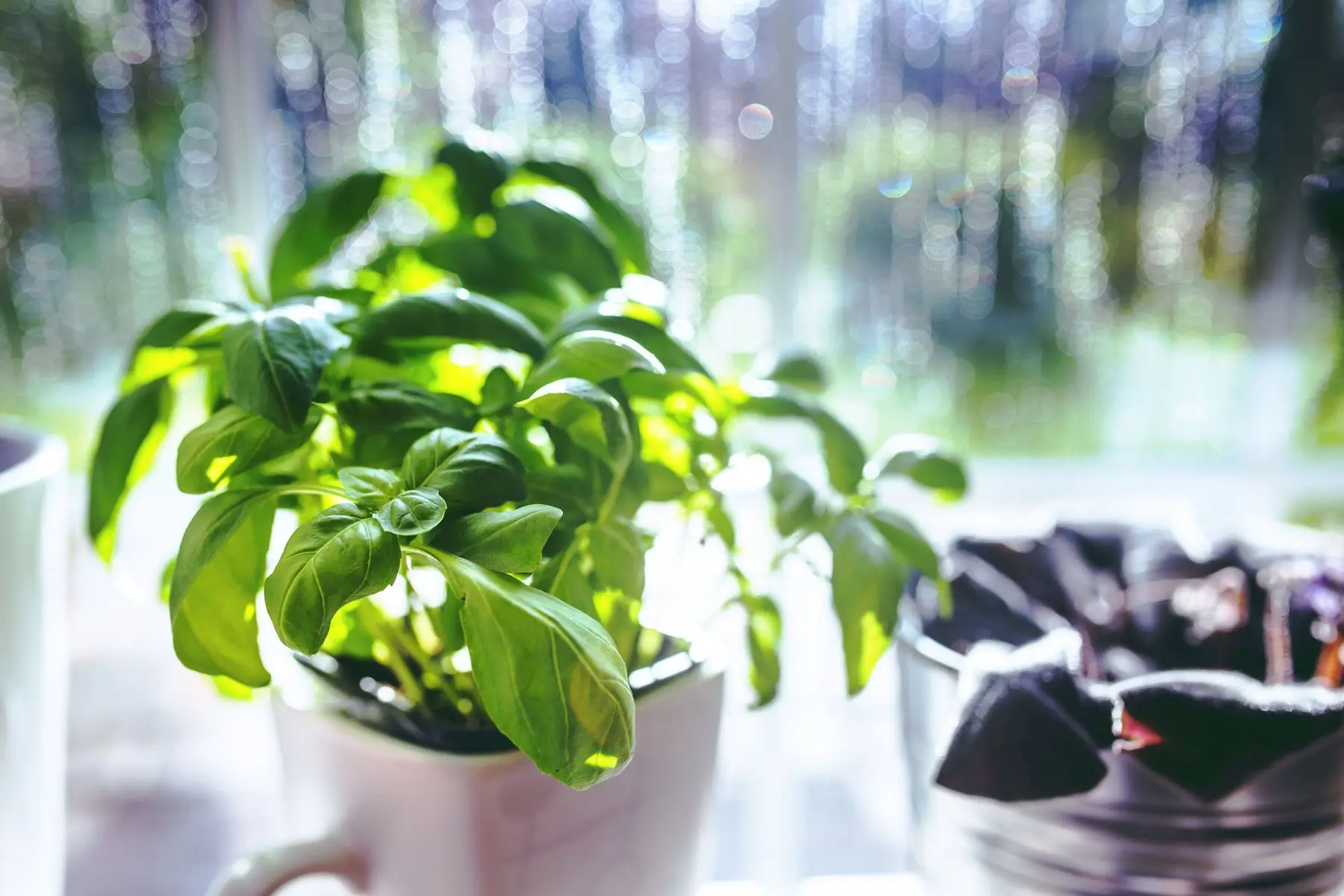
Basil wants six to eight hours of direct sun, with afternoon shade in hot climates. What leggy, pale or scorched leaves are each telling you.
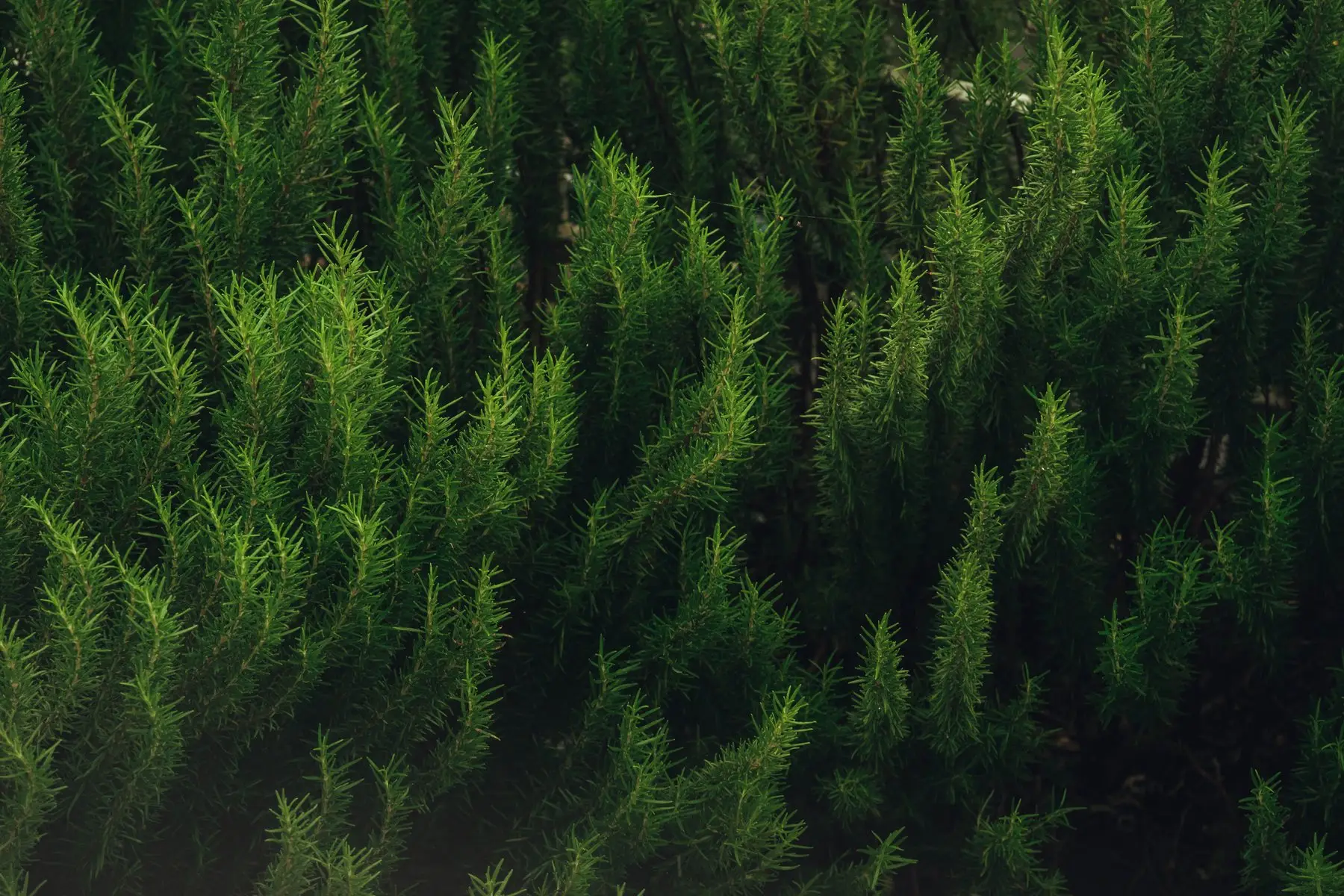
Rosemary needs six to eight hours of sun. In shade it gets leggy, loses flavour and rots at the roots — plus the shadiest spot it will tolerate.
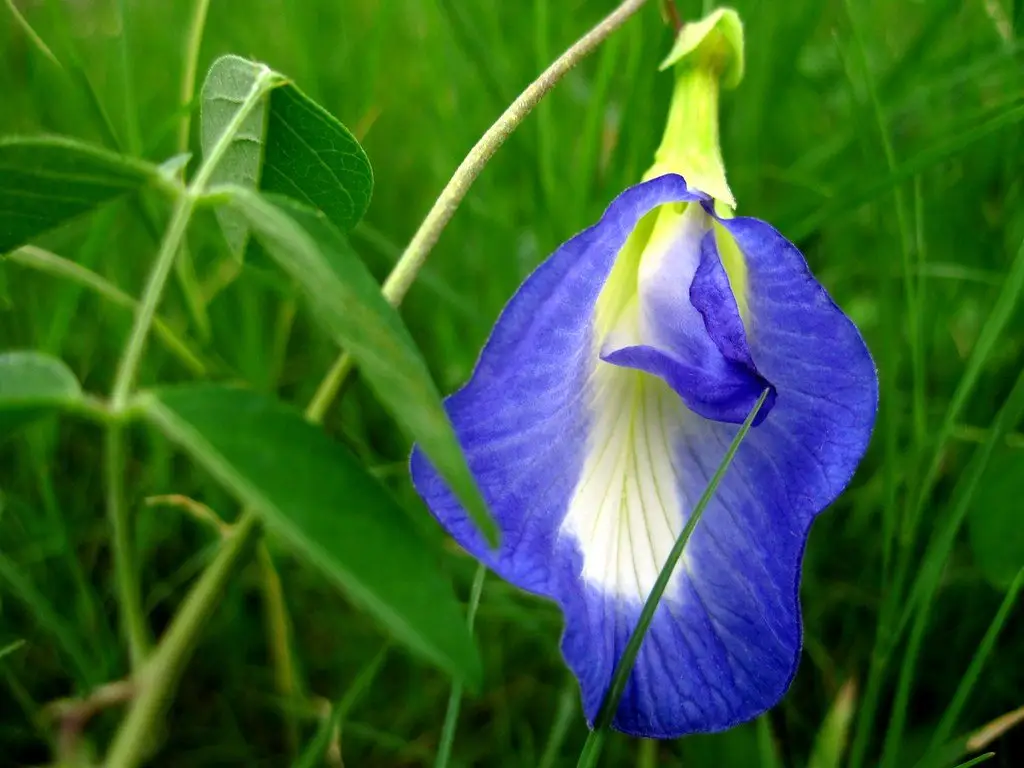
A tender vine grown for blue flowers that turn tea purple with lemon. Trellis, heat, seed soaking, and how to grow it where winters are cold.
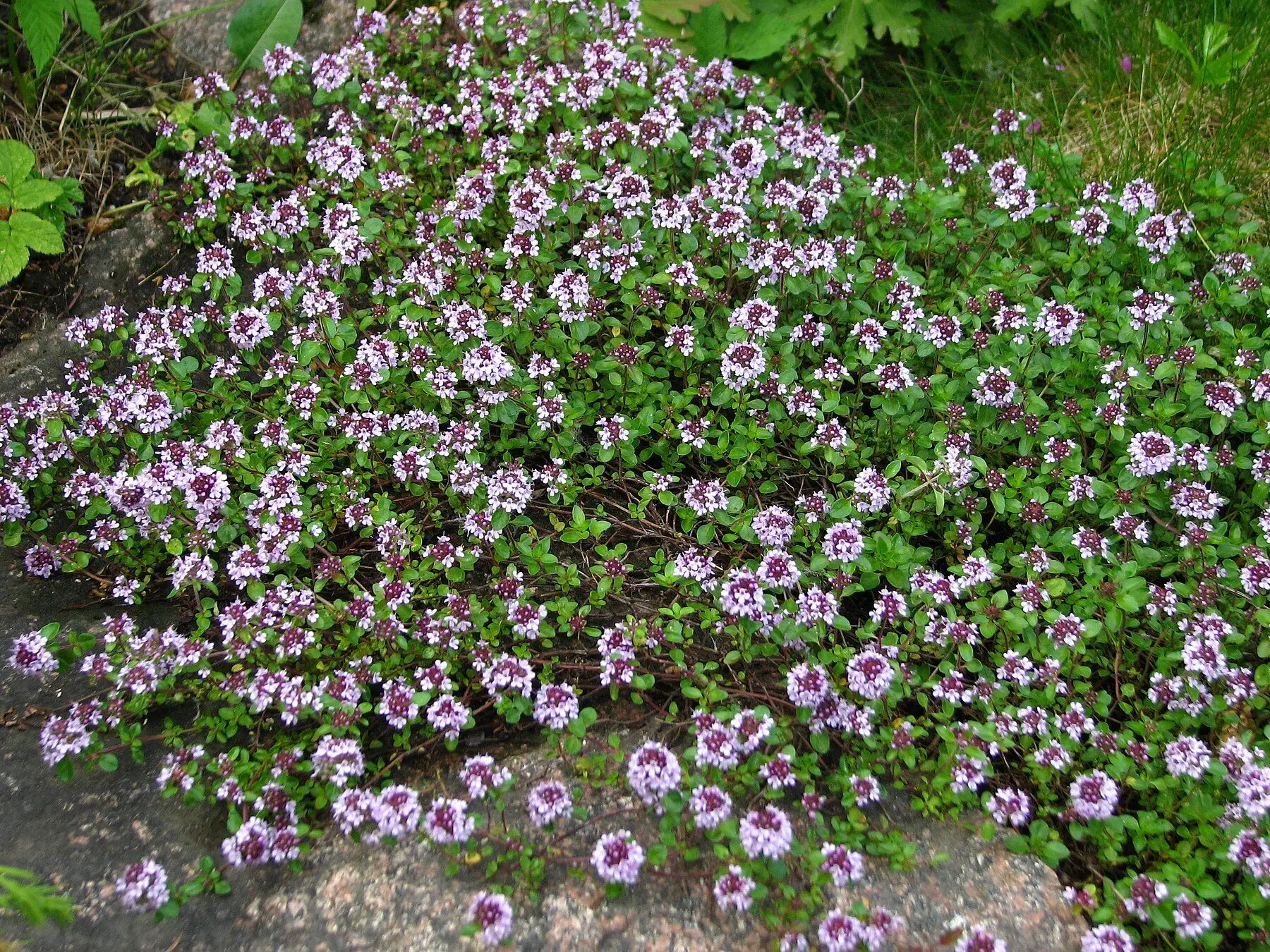
Creeping thyme is a drought-tolerant lawn alternative that flowers for bees and takes light footfall. Which species to buy, spacing, and where it fails.
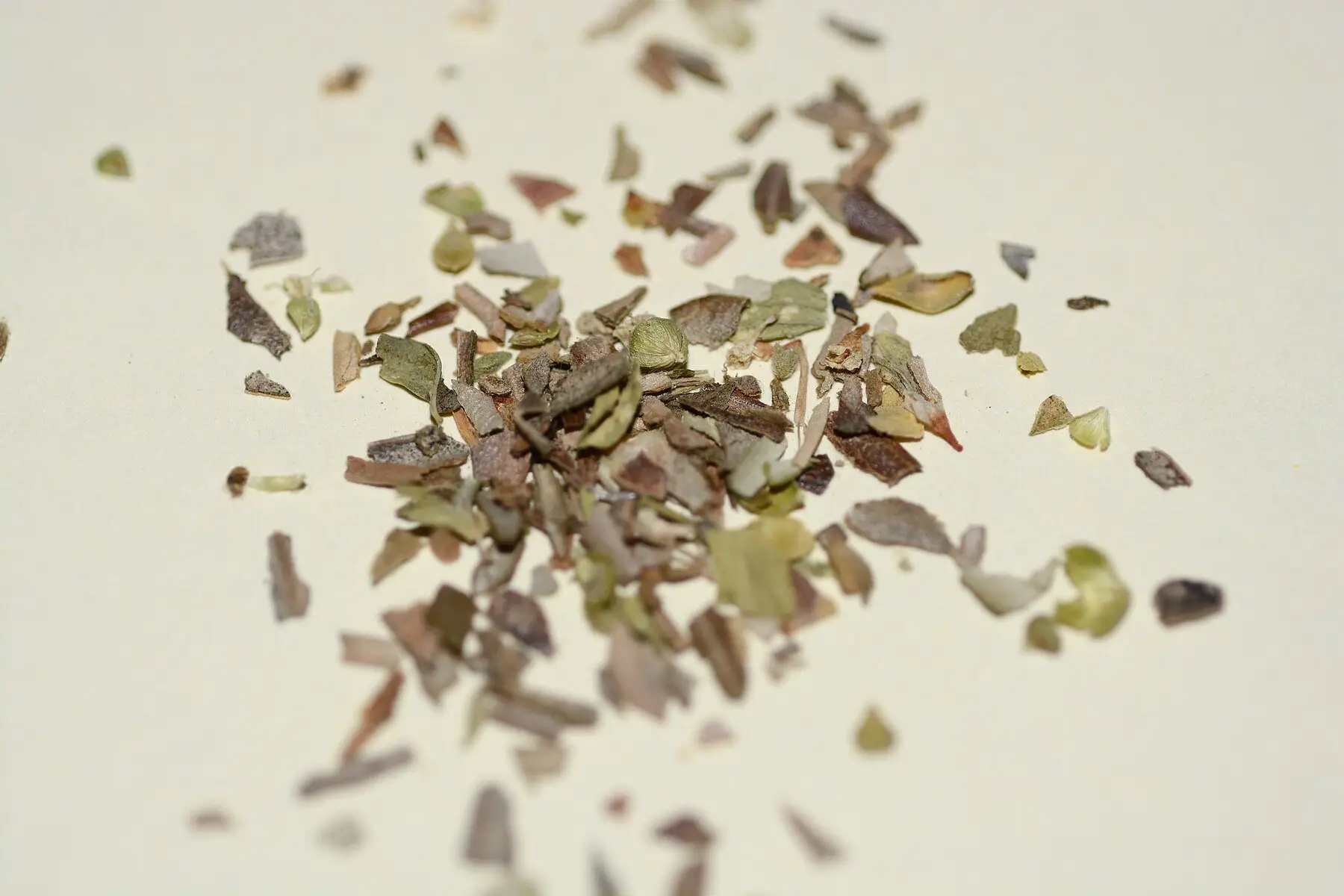
Oregano is one of the few herbs that genuinely improves dried. Cut before flowering, hang it somewhere dark, and leave the leaves whole until you cook.
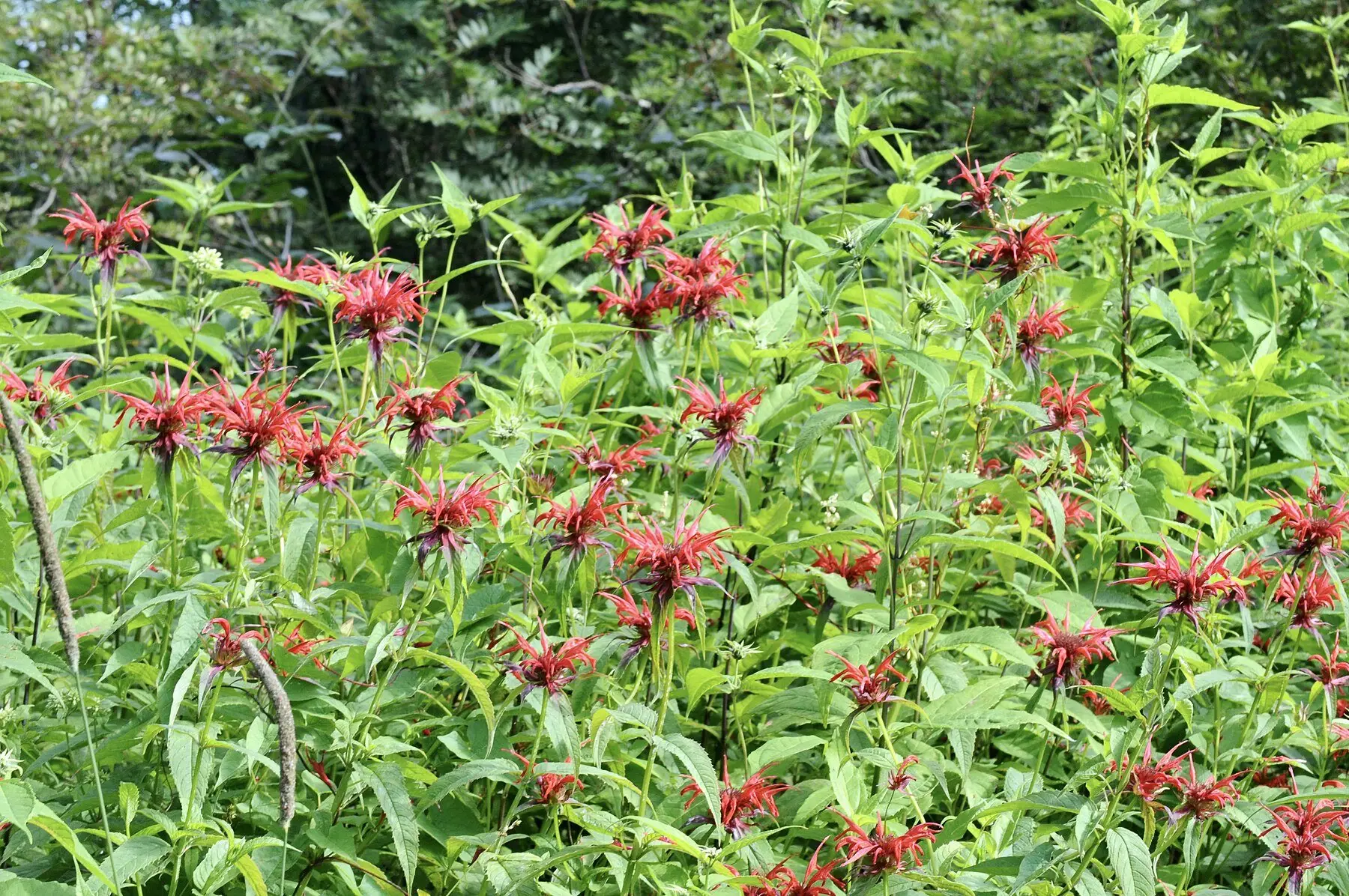
Bee balm needs thinning in spring, the Chelsea chop in late May, and deadheading through summer. The cuts that prevent powdery mildew rather than treat it.
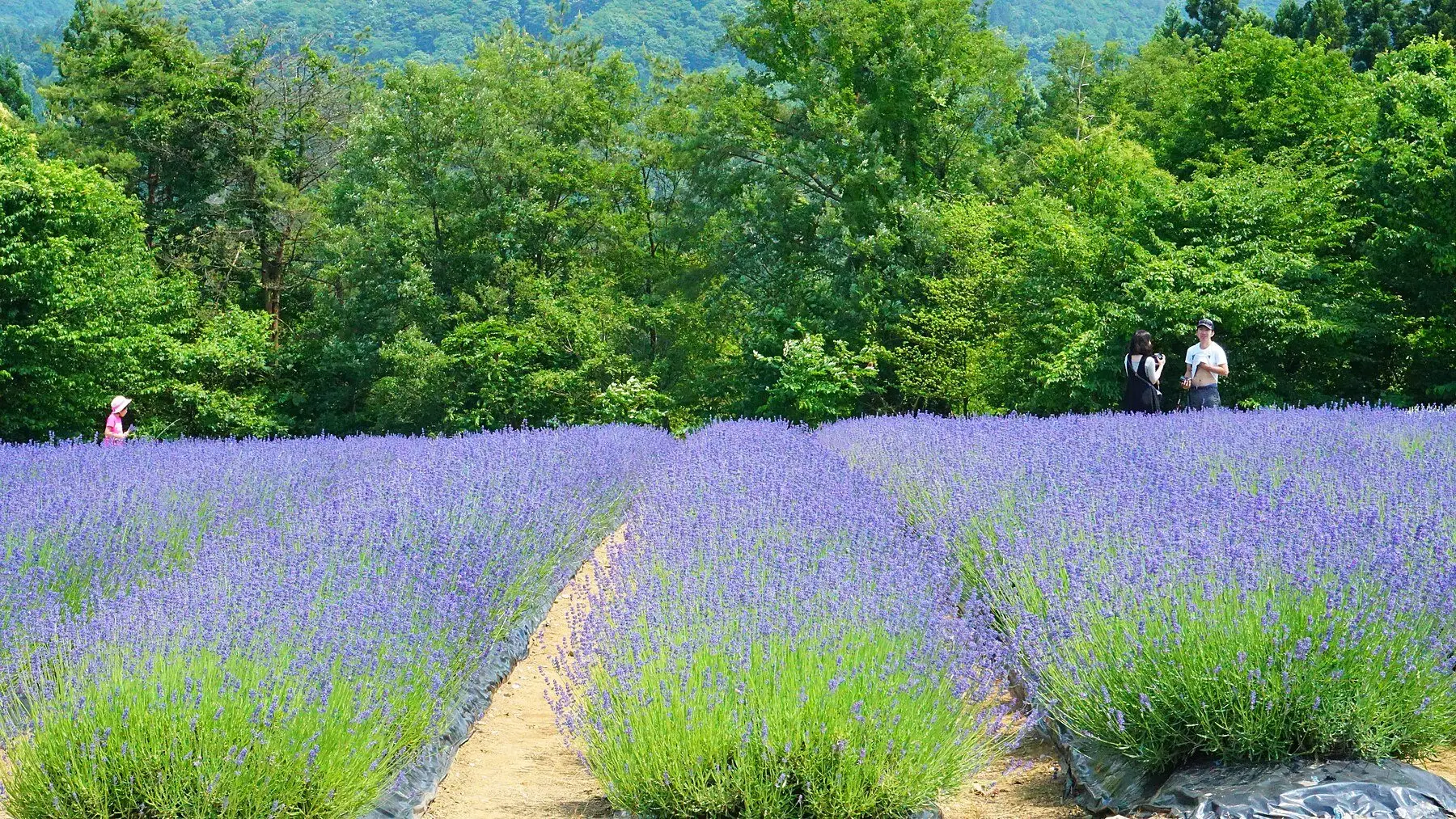
English lavender flowers once in early summer; French and Spanish types repeat from spring to autumn. Why a young plant or a hard prune delays everything.
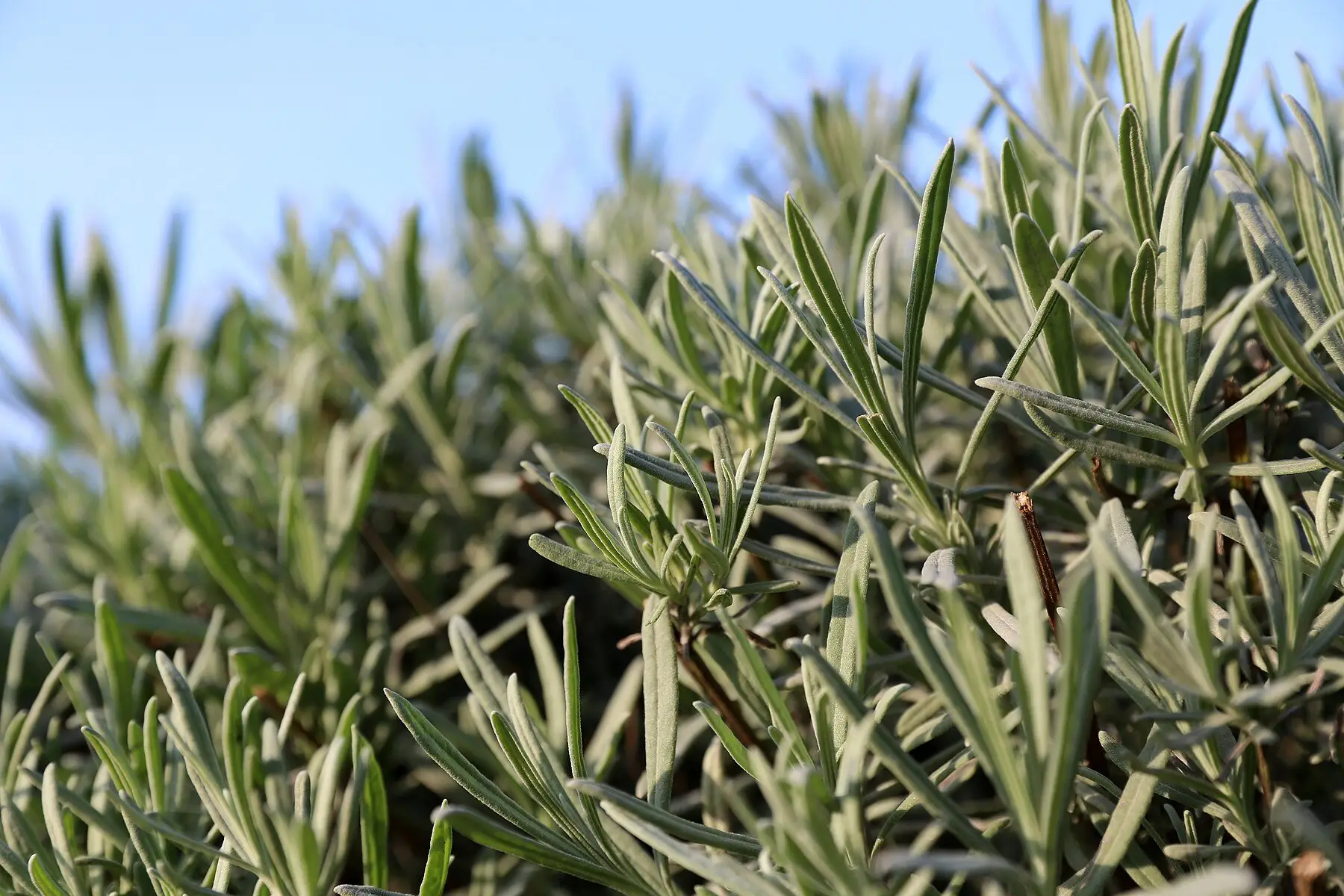
Semi-ripe cuttings in summer root in three to six weeks with no special equipment. Which stems to take, why gritty compost matters, and what not to do.
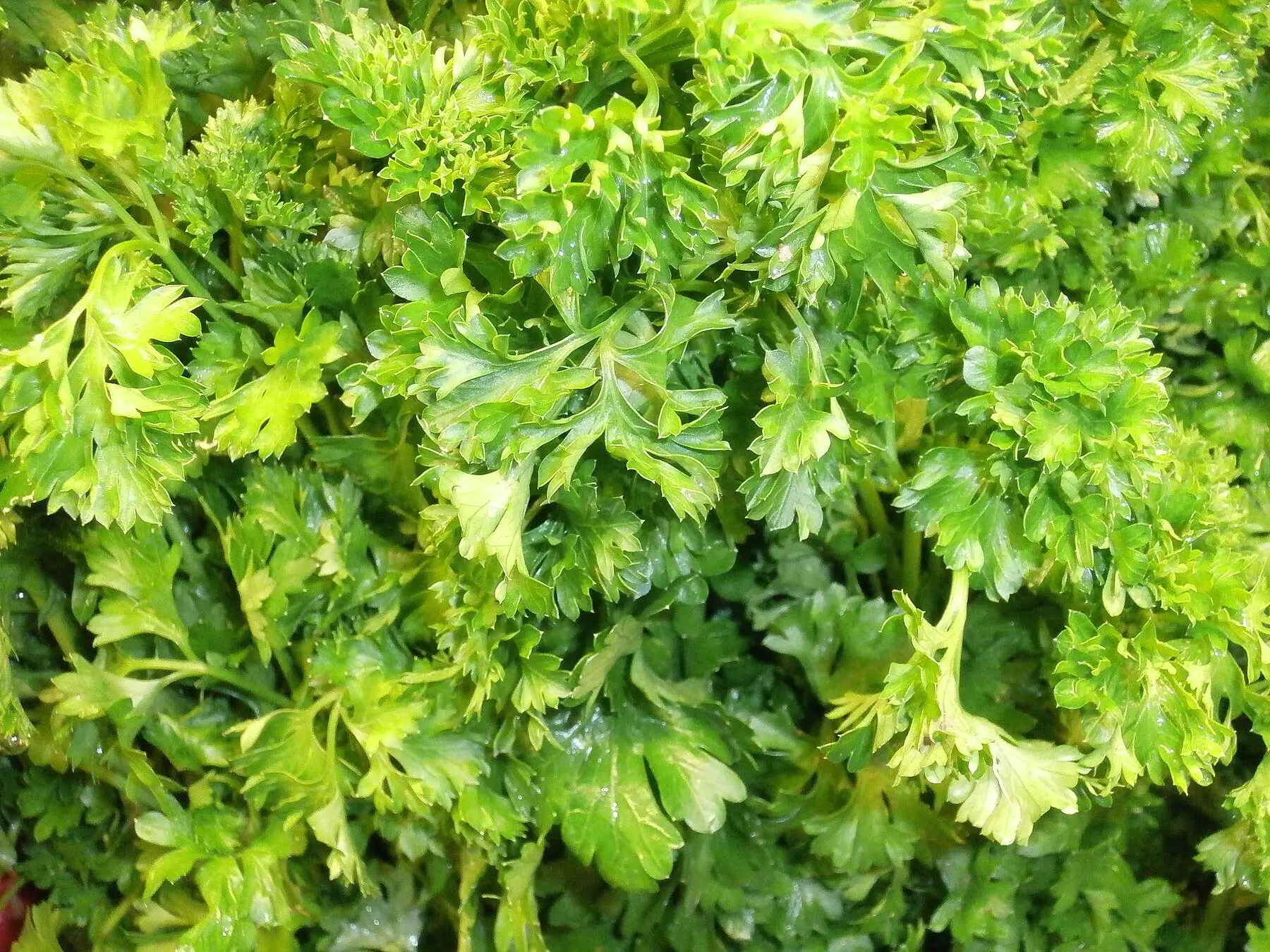
Parsley germinates in three to four weeks and tests everyone's patience. Soaking, why it resents transplanting, and what to do when it bolts in year two.
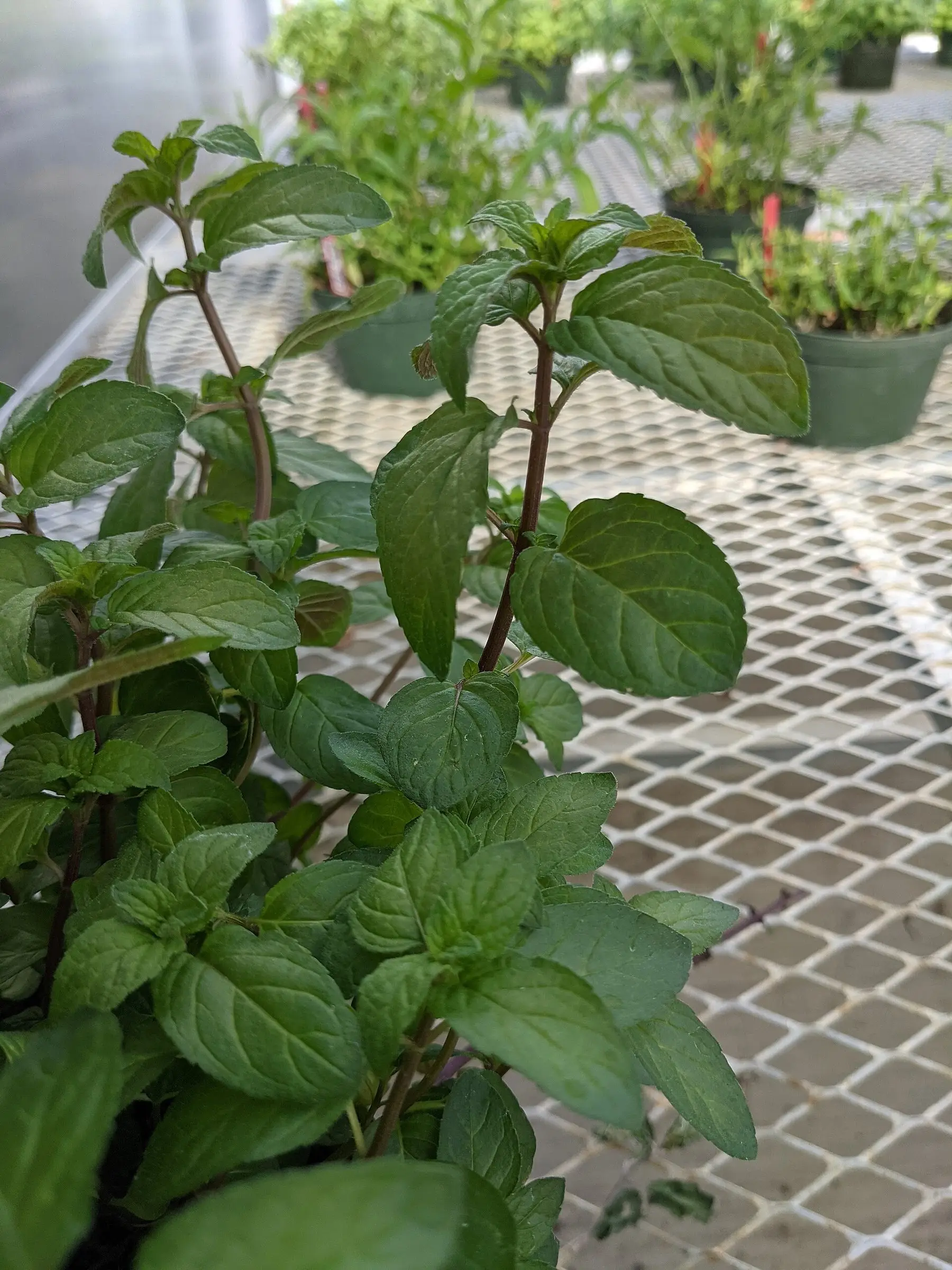
Mint spreads by runners just under the surface and will colonise a bed in two seasons. Containment that actually works, and the pruning that keeps leaves tender.
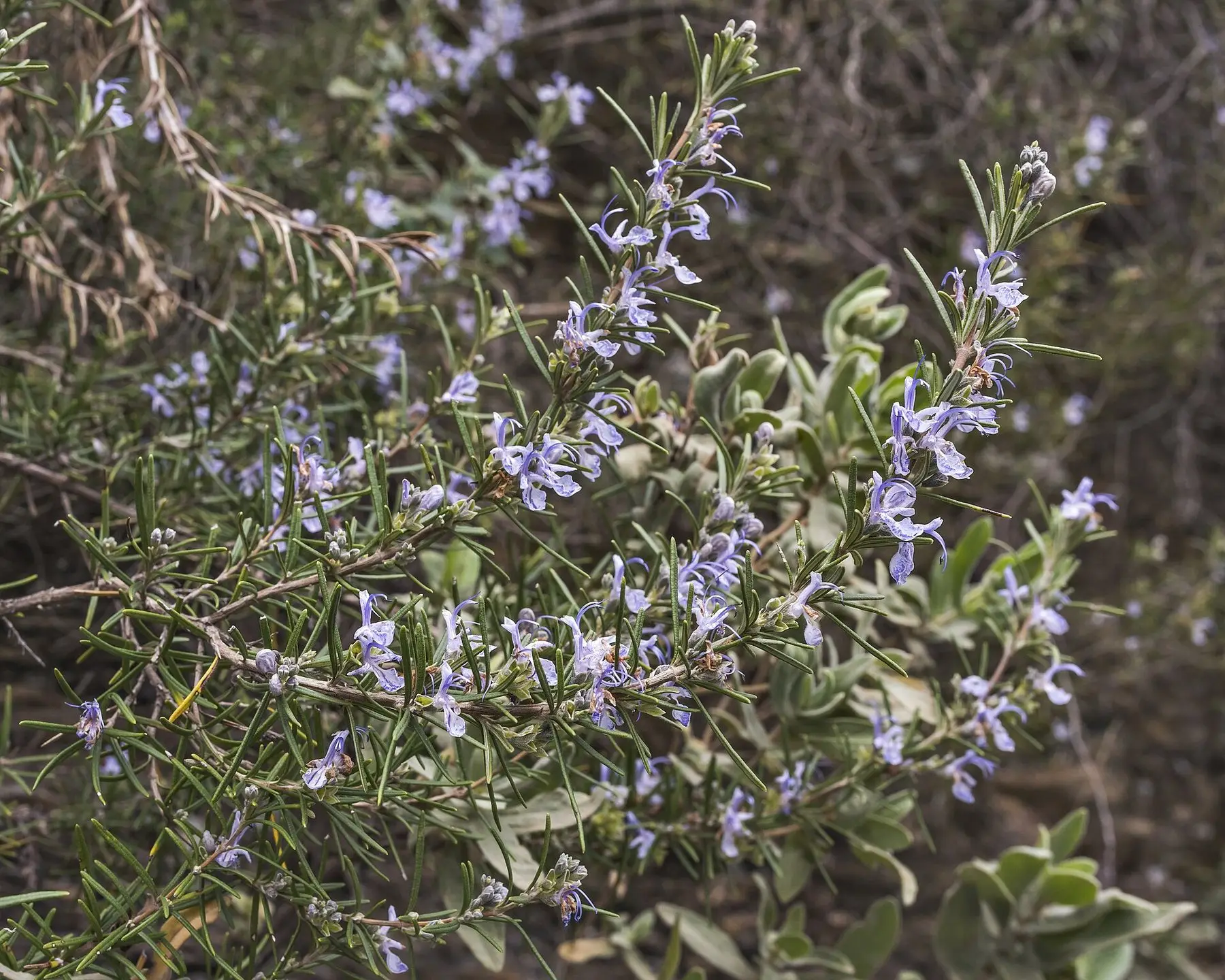
Rosemary is killed by wet roots far more often than by cold. Soil, siting, the pruning rule that avoids dead patches, and overwintering in a cold climate.
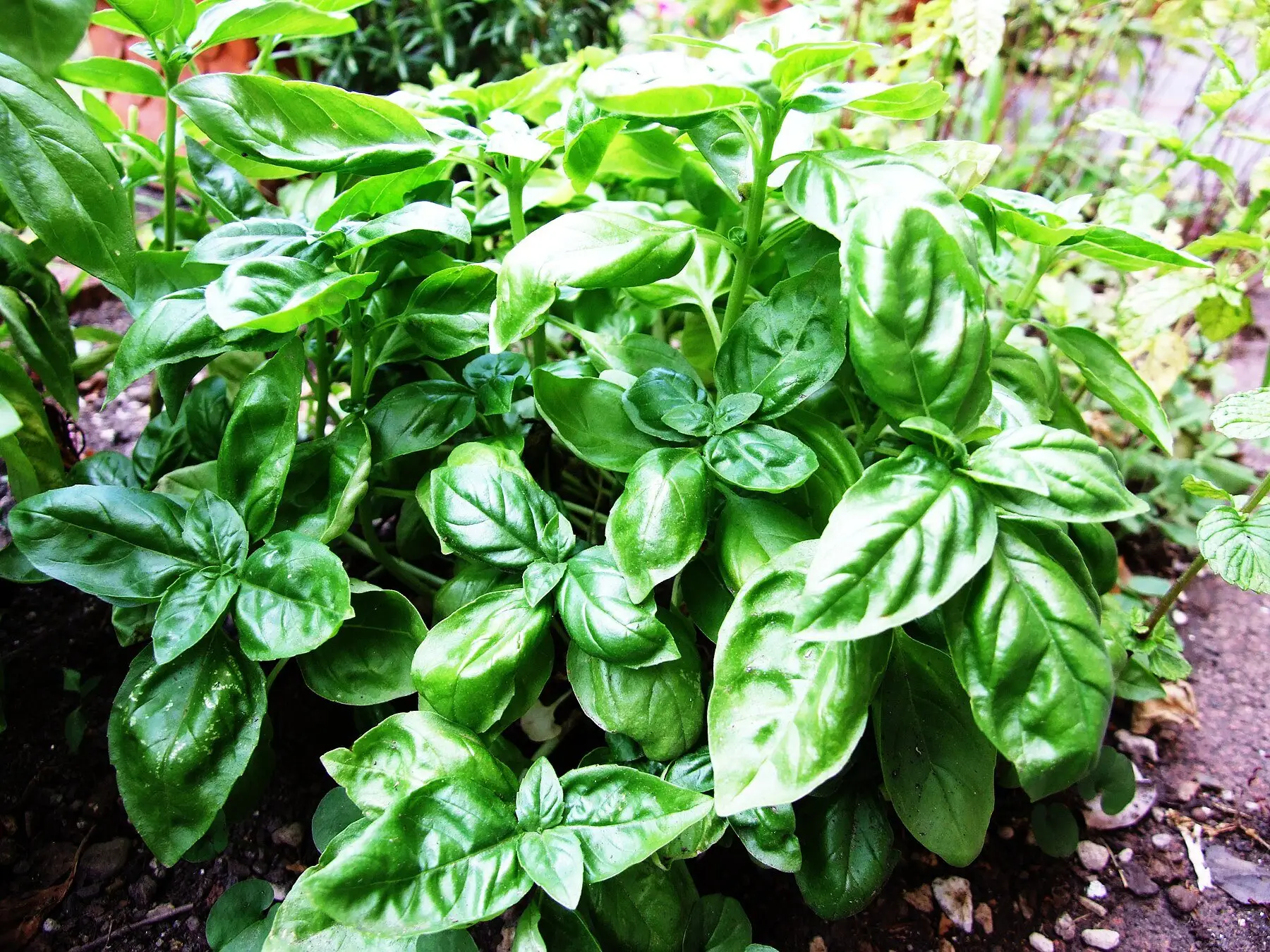
Cut above a leaf pair, never strip the bottom leaves, and pinch the flowers. The harvesting method that doubles the size of a basil plant instead of ending it.
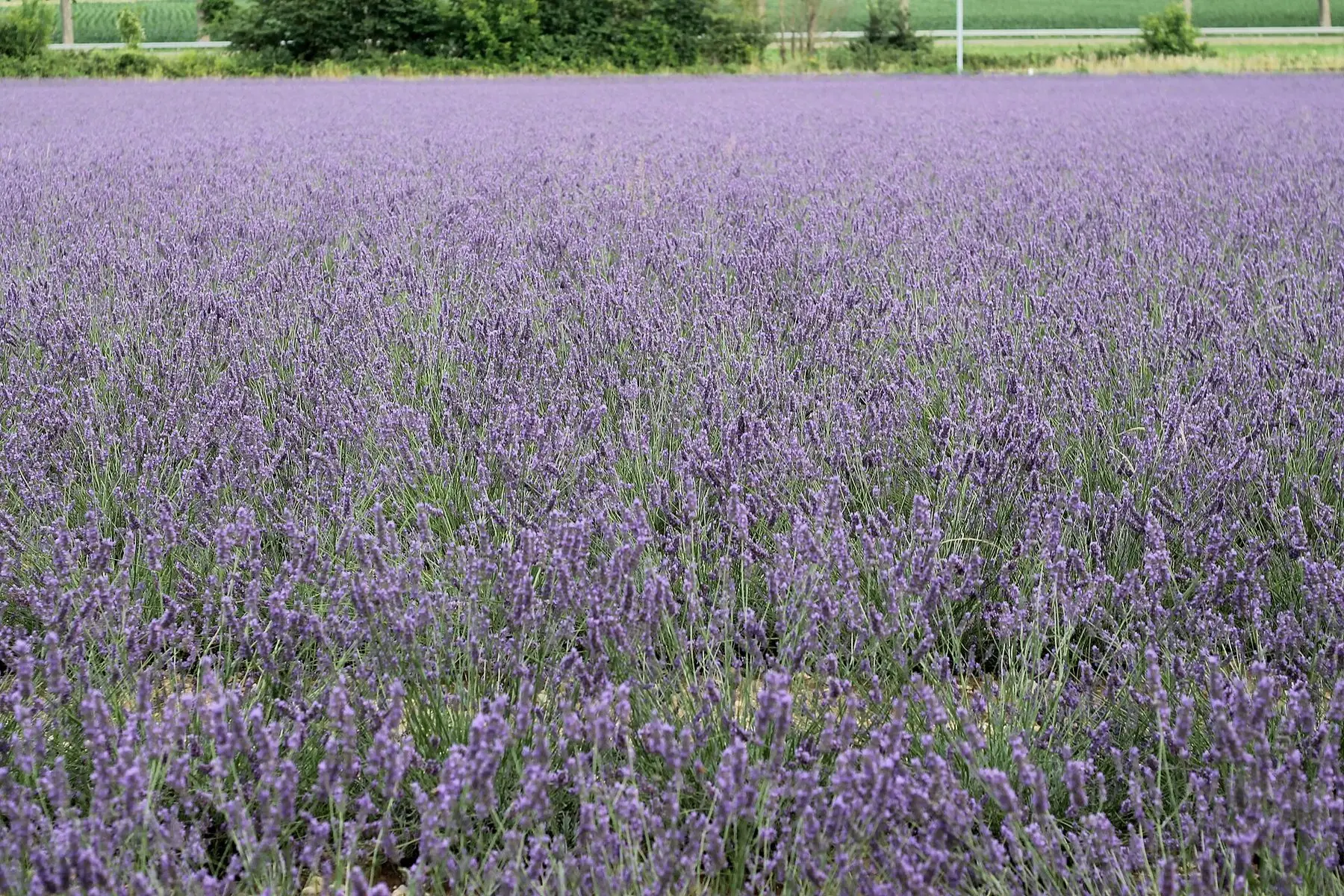
How to prune lavender: cut back into green growth, never old wood. 3 tools cover the main cut and the shaping. See which you already own.
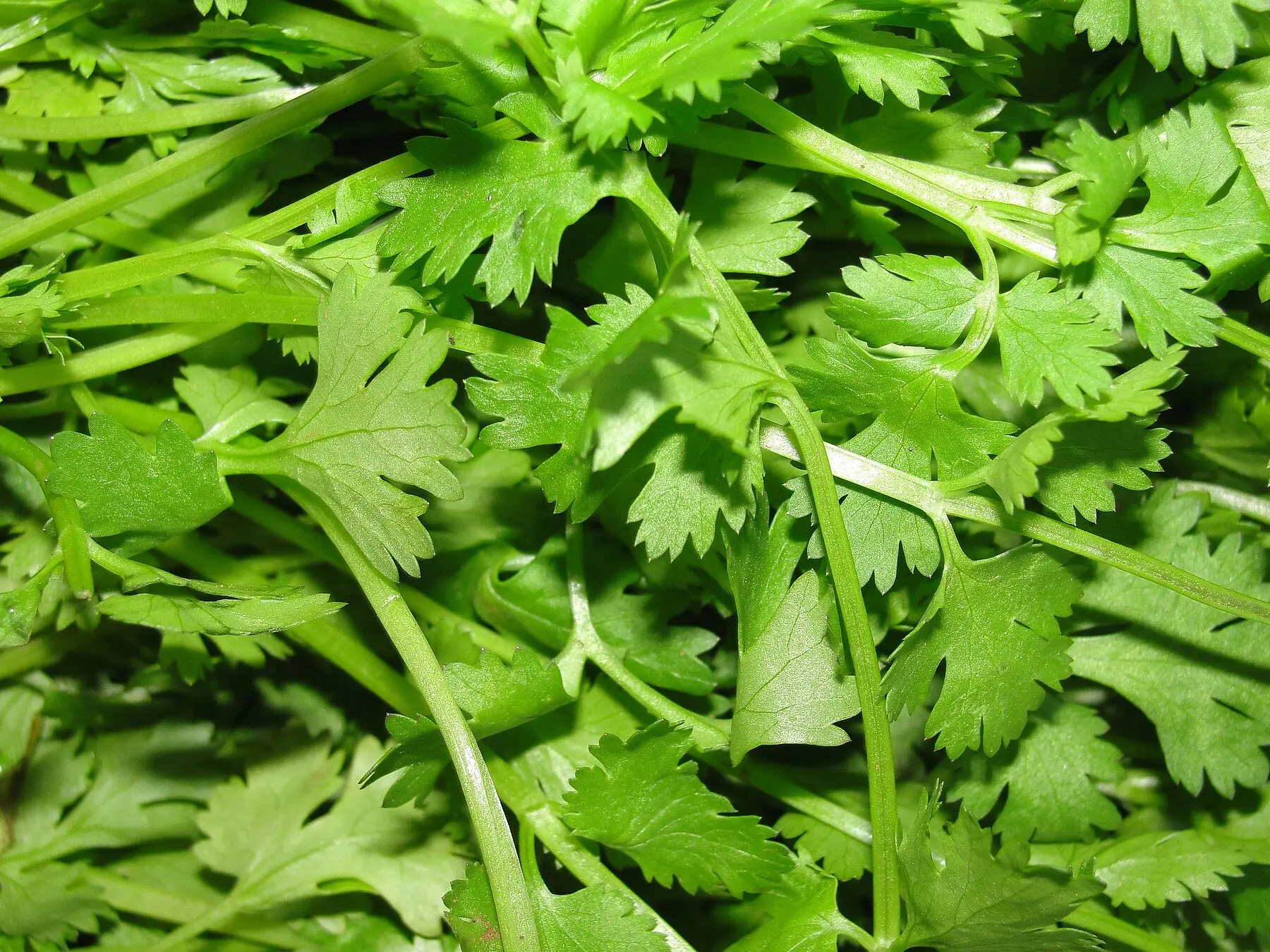
Cilantro bolts on heat and day length and nothing stops it, so the answer is succession sowing. Direct sowing, why it hates transplanting, and the seed crop.
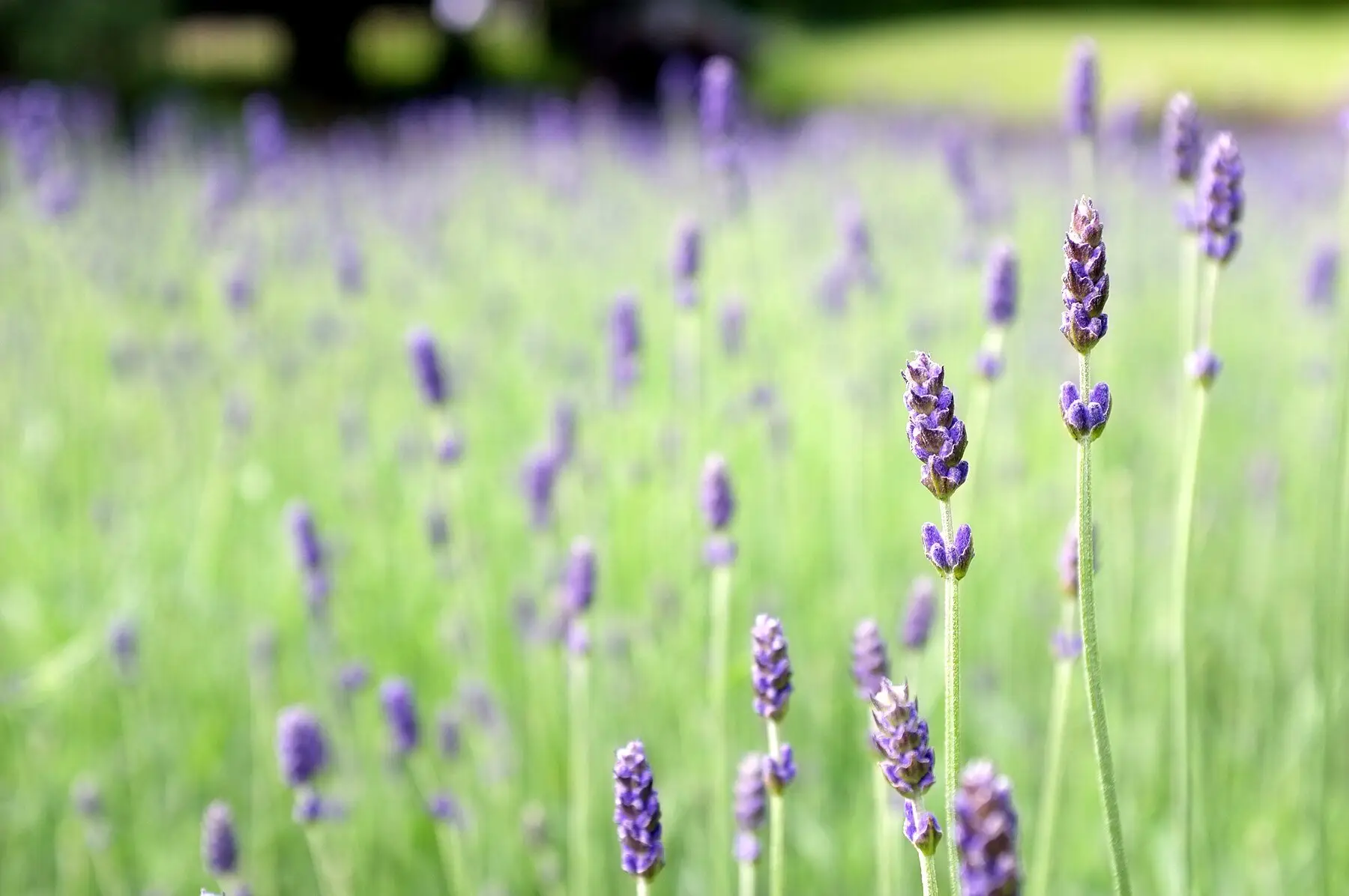
Lavender dies of wet feet and kindness, not cold. Which species suits your winter, why you plant it in poor soil, and the spacing that prevents rot.
Backyard Weekly
One email a week: what to plant now, what to fix, and what is worth buying. No spam, unsubscribe anytime.
Not ready to subscribe? The planting calendar is free and needs no email.
By subscribing you agree to our privacy policy. Grow In Backyard will never sell your address.
Cookies
We use analytics cookies to see which guides get read, so we know what to write next. Decline and nothing is set. Privacy policy.