
What Herbs Grow Well Together in the Same Container
Group herbs by what they want, not by what you cook with. Mediterranean herbs in one pot, thirsty soft herbs in another, and mint always alone.
 By
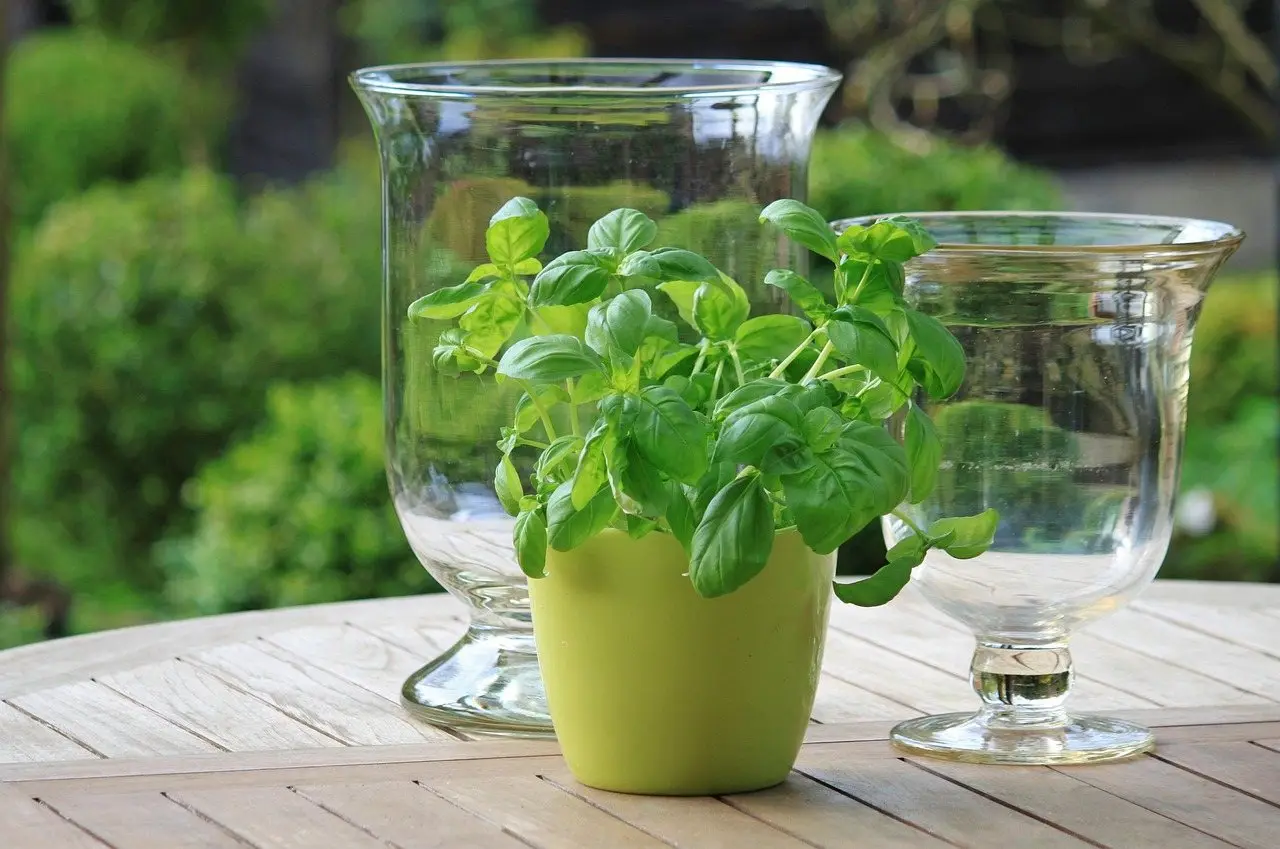
On this page
The usual mistake is grouping herbs by what you cook with — a pot of basil, rosemary and mint for the pasta. Those three want three incompatible things, and within a season you will have one healthy plant and two casualties.
The two groups
| Mediterranean pot | Soft herb pot | |
|---|---|---|
| Herbs | Rosemary, thyme, oregano, sage, marjoram | Basil, parsley, chives, coriander |
| Compost | Gritty, free-draining, lean | Richer, moisture-retentive |
| Water | Infrequent; let it dry | Consistently moist |
| Sun | Full, 6+ hrs | Full to light shade |
| Feed | Very little | Balanced liquid, every 3–4 weeks |
| Life | Perennial | Annual / biennial |
The split is ecological. The first group comes from dry Mediterranean hillsides — poor stony soil, blazing sun, long dry spells. The second group wants moist, fertile ground and bolts or wilts under stress.
There is no watering schedule that serves both.
Why basil and rosemary specifically fails
It is worth spelling out because it is the single commonest herb-pot pairing.
Water it to suit the basil — consistently moist — and the rosemary’s roots sit damp, which is how rosemary dies. It rots at the base, usually over weeks, and often is blamed on cold.
Water it to suit the rosemary — dry out between soakings — and the basil wilts, toughens, and bolts to flower early, which ends its useful life.
Each plant is fine. The pot is the problem.
Mint is not a sharing plant
Mint spreads by rhizomes — underground runners that travel sideways and send up new shoots wherever they surface. In a bed it takes over a border. In a shared pot there is nowhere else to go, so it simply fills the entire root volume and starves its neighbours of water and nutrients.
It is also the one herb that genuinely prefers part shade and damp soil, so giving it a pot of its own lets you site it where it does best — a corner where the others would sulk.
The pot itself
Twelve inches across and twelve deep is the minimum for three or four herbs, and bigger is meaningfully better. Two reasons:
- Small pots dry out within hours in summer heat. For basil that irregular wet-dry cycle is what triggers bolting; for everything it means stress
- A larger soil volume buffers root temperature. A small dark pot in full sun cooks
Drainage holes are non-negotiable, and a shallow trough is a bad choice for rosemary or sage, which are shrubs with real root systems rather than bedding plants.
Feeding: less than you think
This is where the two groups diverge again, and it is counterintuitive for the Mediterranean set.
Rosemary, thyme and oregano grown lean produce more essential oil — which is to say, more flavour. Feed them well and you get a big, soft, bland plant. Poor gritty compost and no feeding is the correct treatment.
Basil, parsley and coriander do want a balanced liquid feed every three or four weeks through the growing season, because they are producing soft leaf continuously.
Planning for next year
Mixing annuals and perennials in one pot means tearing up established roots each spring to replant the basil.
So if you want a pot that lasts: build it from perennials — rosemary, thyme, sage, oregano, chives — and keep basil and coriander in their own container to be replanted each year. Parsley is a biennial that bolts in its second summer, so treat it as annual too.
Common questions
What herbs grow well together in the same container?
Can you plant basil and rosemary together?
Why does mint take over a container?
How big should a shared herb container be?
Should herbs in a container be fertilised?
Which herbs are perennial and which need replacing each year?
Backyard Weekly
Know what to plant, week by week
Join the weekly email for seasonal jobs, fixes for what is going wrong, and gear worth buying.
Not ready to subscribe? The planting calendar is free and needs no email.
By subscribing you agree to our privacy policy. Grow In Backyard will never sell your address.
Keep reading
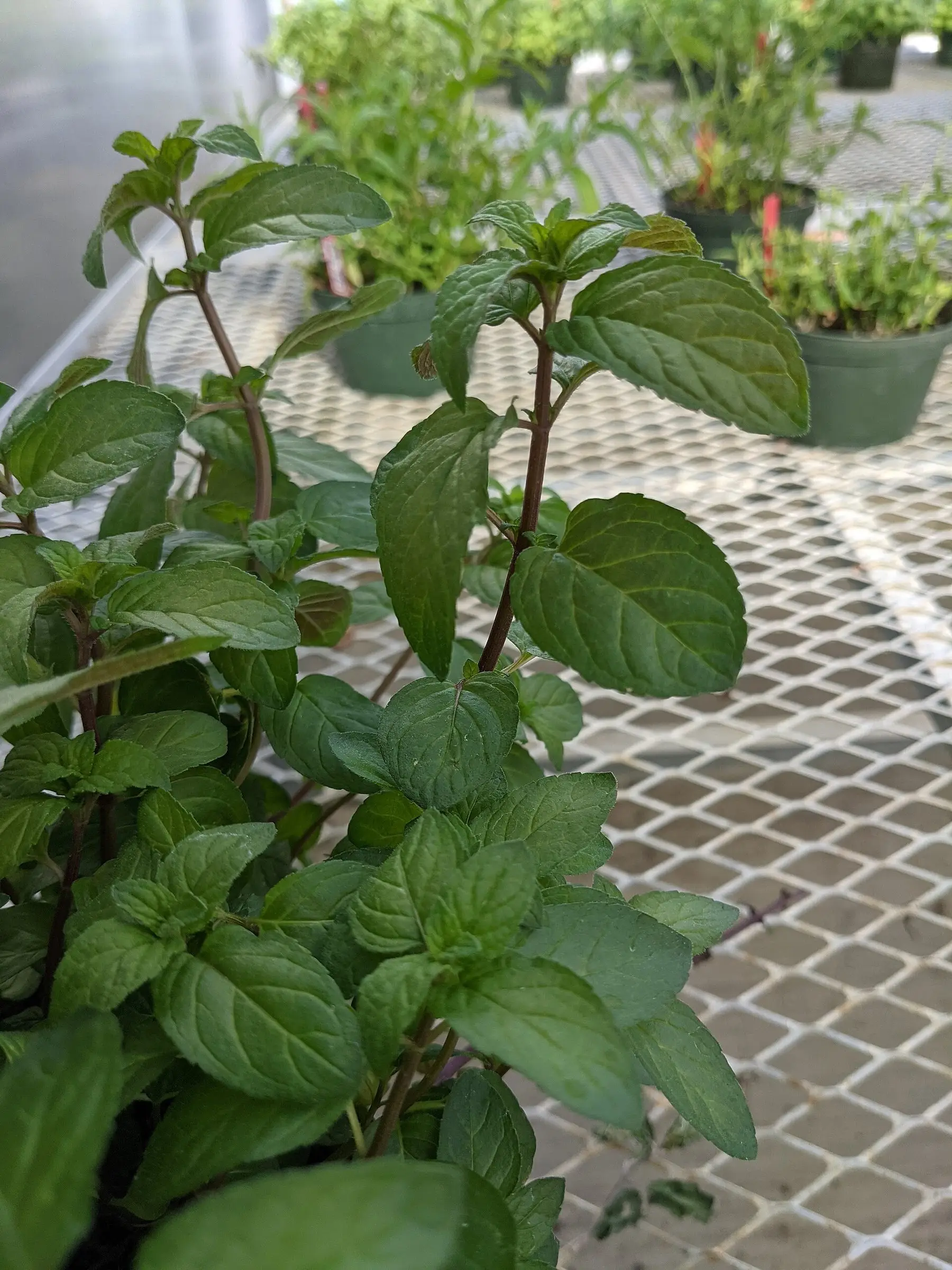
How to Grow Mint Without It Taking Over the Garden
Mint spreads by runners just under the surface and will colonise a bed in two seasons. Containment that actually works, and the pruning that keeps leaves tender.
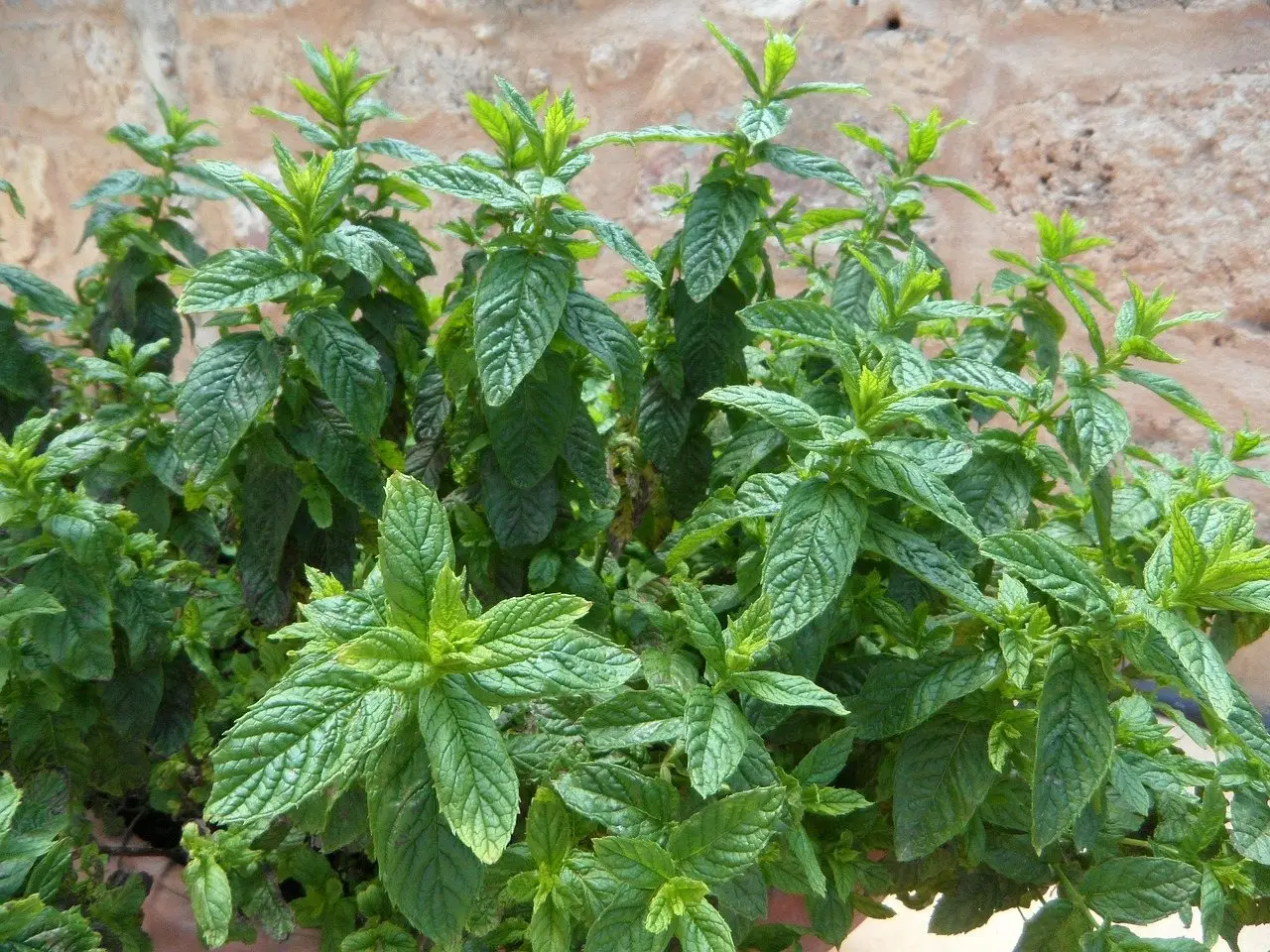
Does Mint Need Full Sun? Part Shade Grows Better Leaves
Mint tolerates full sun but prefers four to six hours with afternoon shade. Full sun gives more essential oil and smaller, tougher leaves. Which you want.
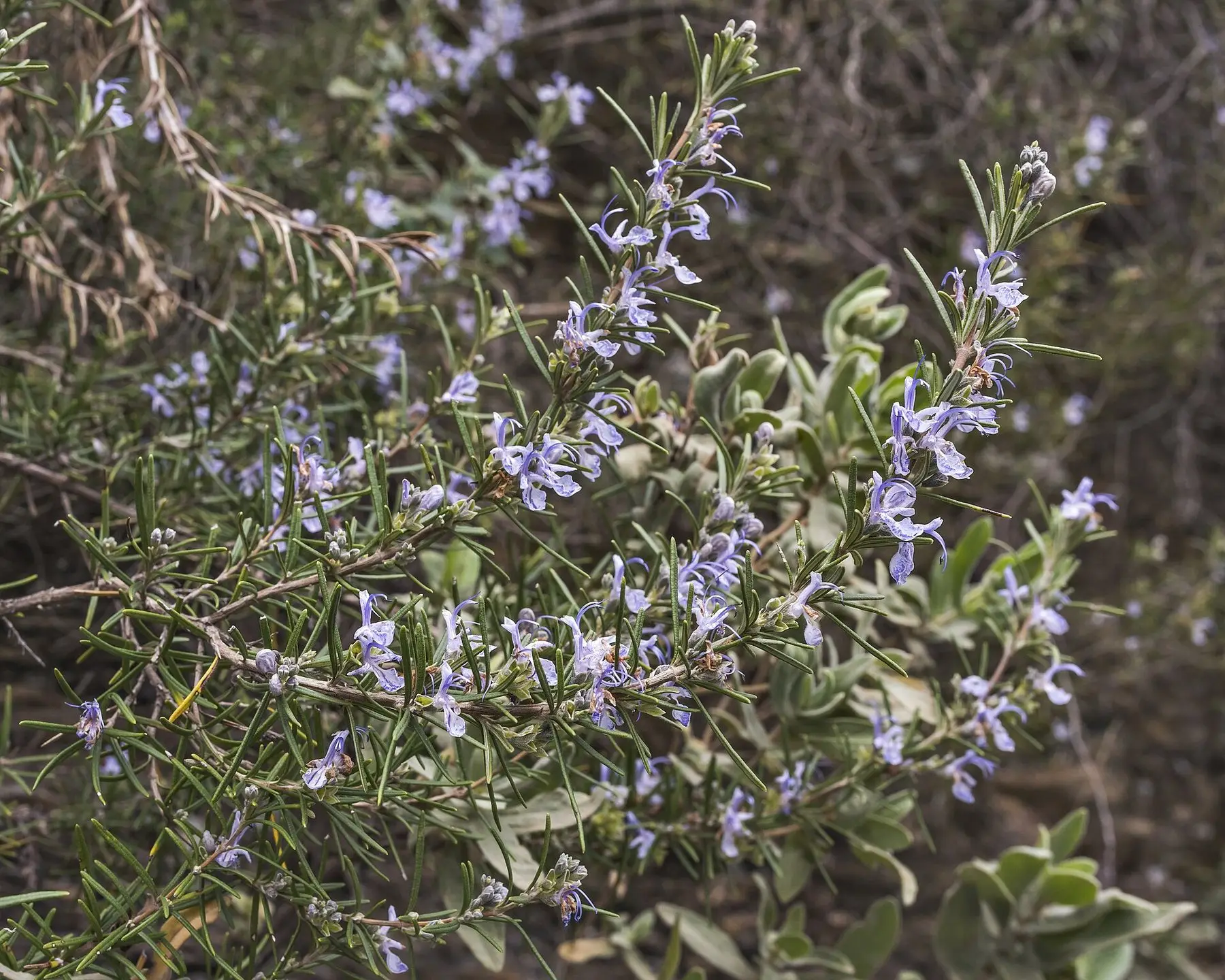
How to Grow Rosemary: Drainage First, Water Almost Never
Rosemary is killed by wet roots far more often than by cold. Soil, siting, the pruning rule that avoids dead patches, and overwintering in a cold climate.
What to Do With Lavender Leaves: Six Uses, One Caution
Lavender leaves are usable year-round and stronger than the flowers — good for infusing, drying and repelling moths, but harsh used like a herb.