
Does Mint Need Full Sun? Part Shade Grows Better Leaves
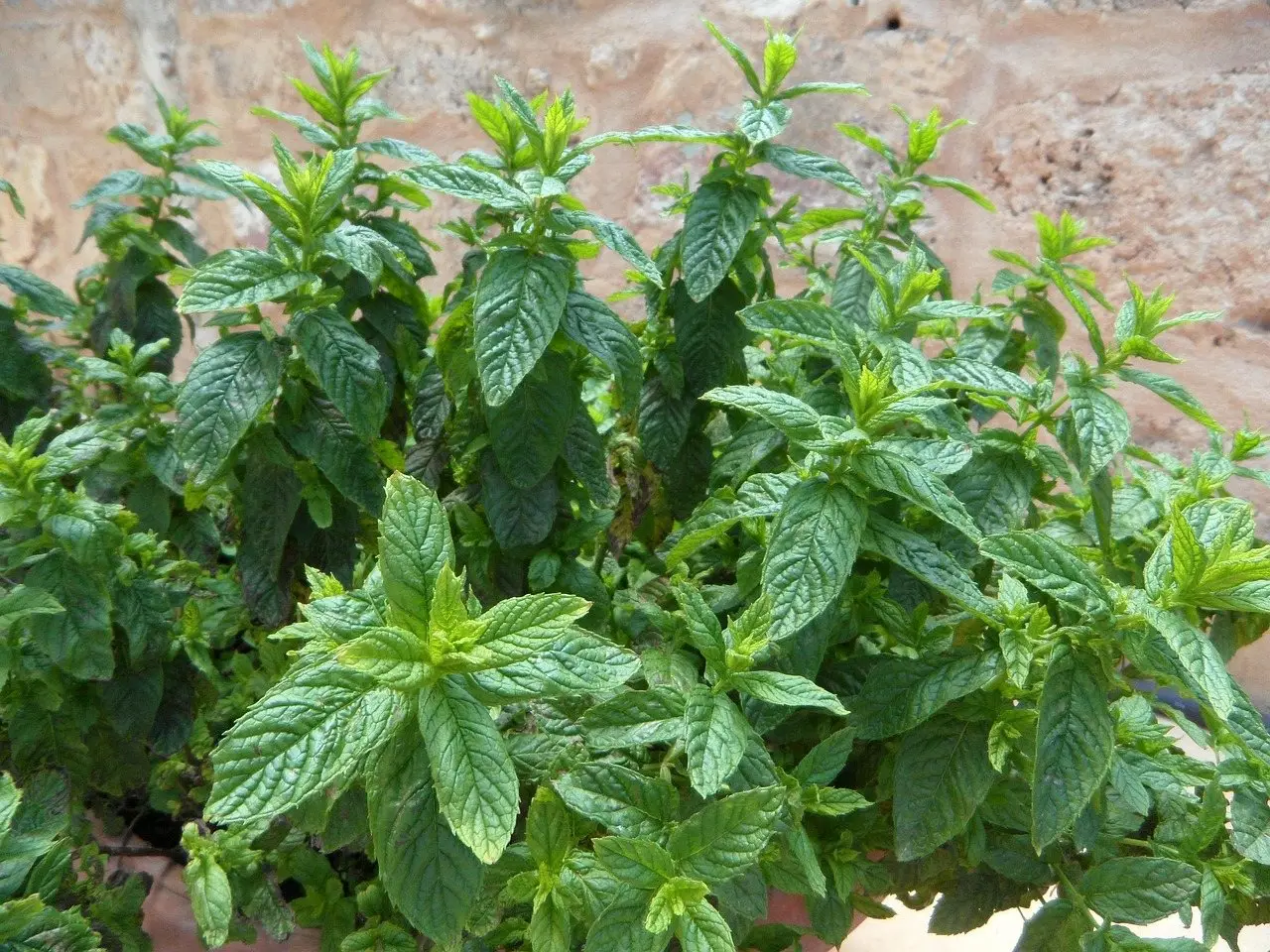
Mint tolerates full sun but prefers four to six hours with afternoon shade. Full sun gives more essential oil and smaller, tougher leaves. Which you want.
 By
On this page
No. Mint will tolerate full sun, but four to six hours with afternoon shade grows a better plant — and this is one of the very few herbs where that is true.
Why mint is different from the other herbs
Almost every herb on the windowsill shelf — rosemary, thyme, oregano, sage, lavender — comes from dry Mediterranean hillsides. Full sun, poor soil, sharp drainage. Put them in shade and they rot or sulk.
Mint comes from the other end of that spectrum: stream banks, ditch margins, damp woodland edges across Europe and Asia. Its natural light is filtered, its natural soil is wet, and it spreads by runners through soft ground.
So the advice that works for rosemary is actively wrong for mint, which is most of why the question gets asked at all.
The actual trade-off
| Full sun (7+ hrs) | Part shade (4–6 hrs) | Deep shade (under 3 hrs) | |
|---|---|---|---|
| Leaf size | Small, thick | Large, tender | Large, thin, pale |
| Flavour | Strongest | Good | Weak |
| Yield | Moderate | Highest | Low |
| Bolting | Early | Later | Rare |
| Watering | Daily in heat | Every 2–3 days | Infrequent |
The flavour difference is real and has a mechanism: the volatile oils — menthol in peppermint, carvone in spearmint — are produced partly as a response to light and stress. More light, more oil.
But the oils are concentrated in a smaller, tougher leaf. For a pot of tea or a tabbouleh you generally want a lot of soft leaf, which part shade delivers. For a mint syrup where intensity matters more than volume, sun has the edge.
The heat is the problem, not the light
What actually damages full-sun mint is water stress, not photons. A container in all-day sun dries out by lunchtime and the plant wilts, crisps at the edges, and bolts.
If you only have a sunny spot: use a larger pot, mulch the surface, stand the pot in a shallow saucer of water in a heatwave, and water in the morning rather than the evening. A well-watered mint in full sun is fine. A dry one is not.
Fixing leggy mint
Tall, bare-stemmed mint with leaves only at the tips is the single most common complaint, and light is usually the cause — stems elongate searching for it.
The fix is the same whatever the cause:
- Cut the whole plant back by half or more, down to a few inches above the soil if it is really gone over. Mint resprouts from the base reliably
- Move it somewhere brighter if it was getting under three hours
- Stop feeding it nitrogen. Soft lush growth flops; mint needs very little feeding
- Pinch the tips of the regrowth once to force branching
Flowering also causes it. Once mint starts to flower the stems stretch and the leaves coarsen, so cutting the flower spikes off as they appear keeps the plant in leaf.
One thing more important than light
Plant it in a container. Mint spreads by rhizomes and will take over a bed in two seasons — not aggressively upward, but relentlessly sideways, coming up through other plants.
A pot on the patio, or a pot sunk into the bed with its rim above soil level, solves it. Choose the shadiest corner you have that still sees some morning sun, and it will be the easiest thing in the garden.
Common questions
Does mint need full sun?
How much sun does mint need?
Can mint grow in full shade?
Does more sun make mint taste stronger?
Why is my mint tall, thin and falling over?
Where is the best place to plant mint?
Backyard Weekly
Know what to plant, week by week
Join the weekly email for seasonal jobs, fixes for what is going wrong, and gear worth buying.
Not ready to subscribe? The planting calendar is free and needs no email.
By subscribing you agree to our privacy policy. Grow In Backyard will never sell your address.
Keep reading
How to Grow Mint Without It Taking Over the Garden
Mint spreads by runners just under the surface and will colonise a bed in two seasons. Containment that actually works, and the pruning that keeps leaves tender.
Can Rosemary Grow in Shade? It Survives, It Does Not Thrive
Rosemary needs six to eight hours of sun. In shade it gets leggy, loses flavour and rots at the roots — plus the shadiest spot it will tolerate.
Does Basil Need Direct Sunlight? Yes — Six Hours Minimum
Basil wants six to eight hours of direct sun, with afternoon shade in hot climates. What leggy, pale or scorched leaves are each telling you.
How Often to Water Rosemary: Less Than You Think
In the ground, almost never once established. In a pot, when the top inch is dry — and the needles lie about thirst until it is too late.