
Can Rosemary Grow in Shade? It Survives, It Does Not Thrive
Rosemary needs six to eight hours of sun. In shade it gets leggy, loses flavour and rots at the roots — plus the shadiest spot it will tolerate.
 By
On this page
It survives. It does not thrive, and it usually dies of something other than the shade — wet roots, in soil that never dries because the sun never reaches it.
What each light level does
| Sun per day | Result |
|---|---|
| 8+ hours | Dense, aromatic, flowers well |
| 6–8 hours | The target. Healthy and full |
| 4–6 hours | Alive, thinner growth, less oil |
| 2–4 hours | Leggy and sparse, little flower, weak flavour |
| Under 2 hours | Declines, then root rot |
The flavour point is not incidental. The aromatic oils that make rosemary worth growing are produced in response to sun and a degree of drought stress. A shaded, well-watered plant is a blander plant even when it looks acceptable.
The real killer is drainage, not darkness
This is the part that gets missed. Rosemary comes from Mediterranean hillsides — thin, stony, sharply drained soil that dries hard between rains.
Shade and damp together is what kills it
A shaded spot stays wet because nothing dries it out. Rosemary will not tolerate wet roots, so the plant rots from below while the gardener concludes it needed more water.
North-facing walls and ground under dense evergreens are the two classic losses.
If you only have shade, the drier and more sheltered part of it is the version that might work.
If yours is already leggy
- Move it into more sun — in a pot, immediately; in the ground, in spring or autumn
- Prune in spring, taking no more than a third
- Never cut into bare old wood. Rosemary does not reliably regrow from it, and a hard cut into brown stems often kills the branch outright
- Always leave green growth on every stem you cut
- Do not feed it. Rich soil produces soft growth with less oil, which is the opposite of what you want
Indoors
Among the harder herbs to keep alive on a windowsill, and light is why. A south-facing window is the minimum and usually still short through winter, so a grow light is the difference between surviving and staying usable.
Two other indoor killers: overwatering — let the compost dry most of the way through — and stagnant air, since rosemary picks up powdery mildew in still conditions.
Put something else in the shade
The split is clean, and it is worth knowing because it prevents this problem entirely:
- Happy in partial shade: mint, chives, parsley, chervil, lemon balm, sorrel, coriander
- Want sun and sharp drainage: rosemary, thyme, sage, oregano, lavender, bay
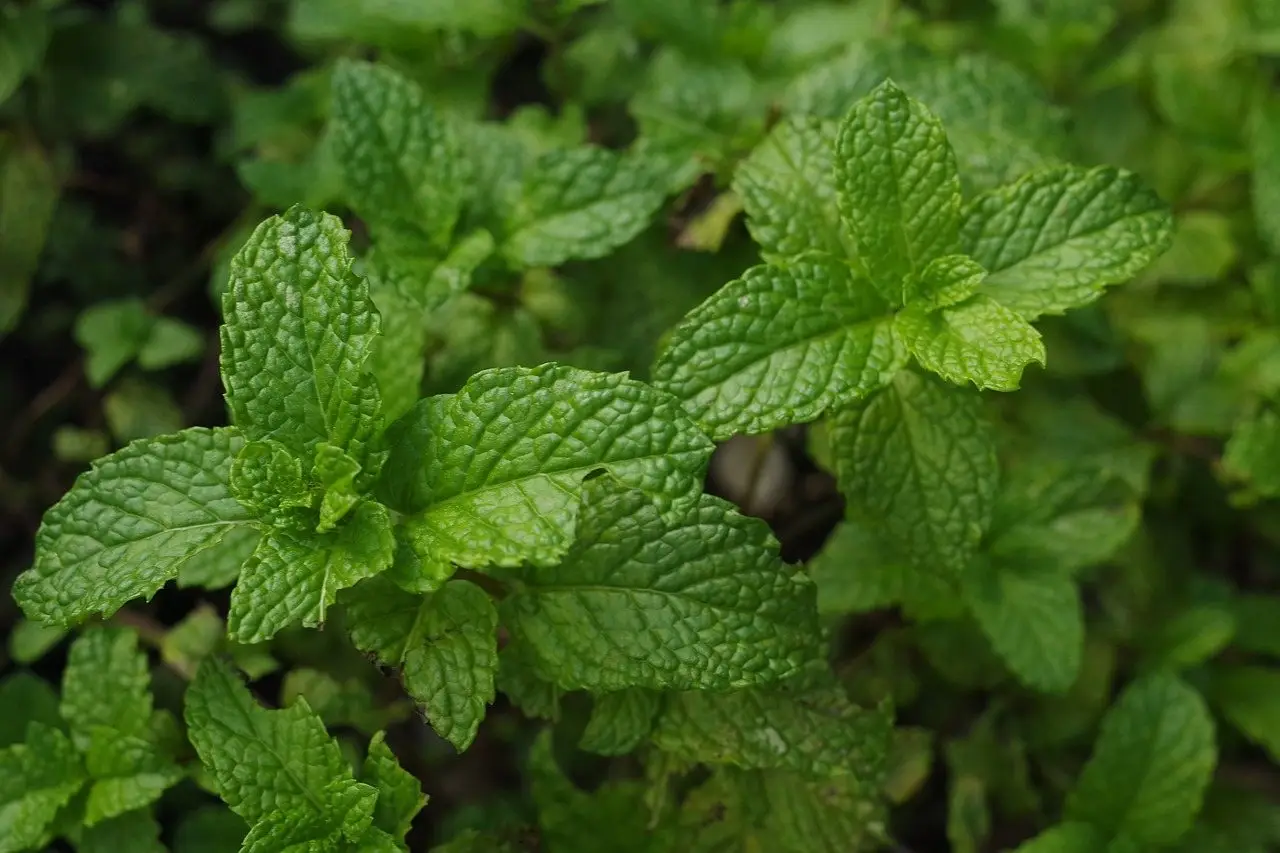
Mint prefers shade. Planting rosemary where mint would be happy is the single commonest way to lose a rosemary plant.
Common questions
Can rosemary grow in shade?
How much sun does rosemary need?
Why is my rosemary leggy and sparse?
Can I grow rosemary indoors?
What is the shadiest spot rosemary will accept?
Which herbs are better for a shady spot?
Backyard Weekly
Know what to plant, week by week
Join the weekly email for seasonal jobs, fixes for what is going wrong, and gear worth buying.
Not ready to subscribe? The planting calendar is free and needs no email.
By subscribing you agree to our privacy policy. Grow In Backyard will never sell your address.
Keep reading
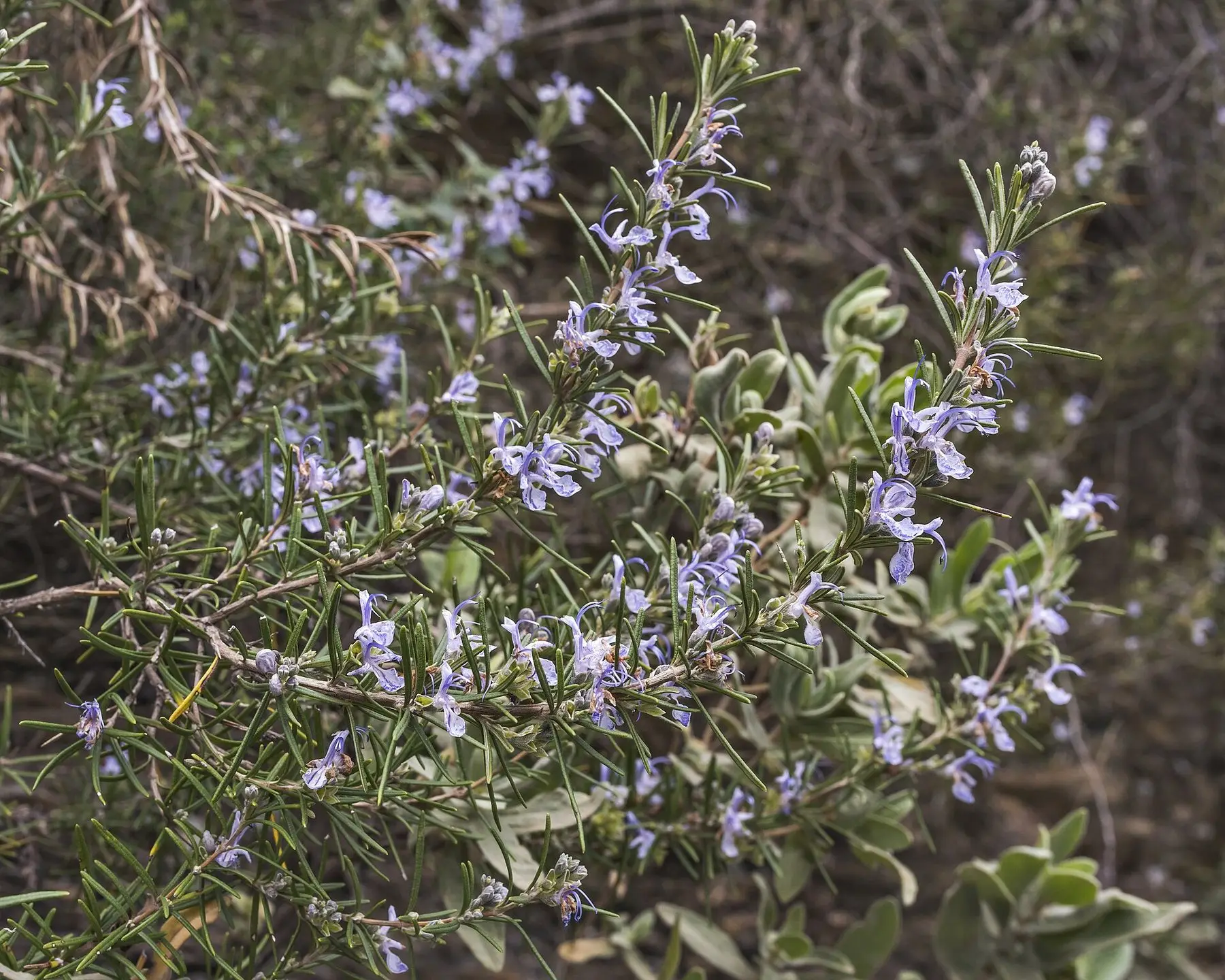
How to Grow Rosemary: Drainage First, Water Almost Never
Rosemary is killed by wet roots far more often than by cold. Soil, siting, the pruning rule that avoids dead patches, and overwintering in a cold climate.
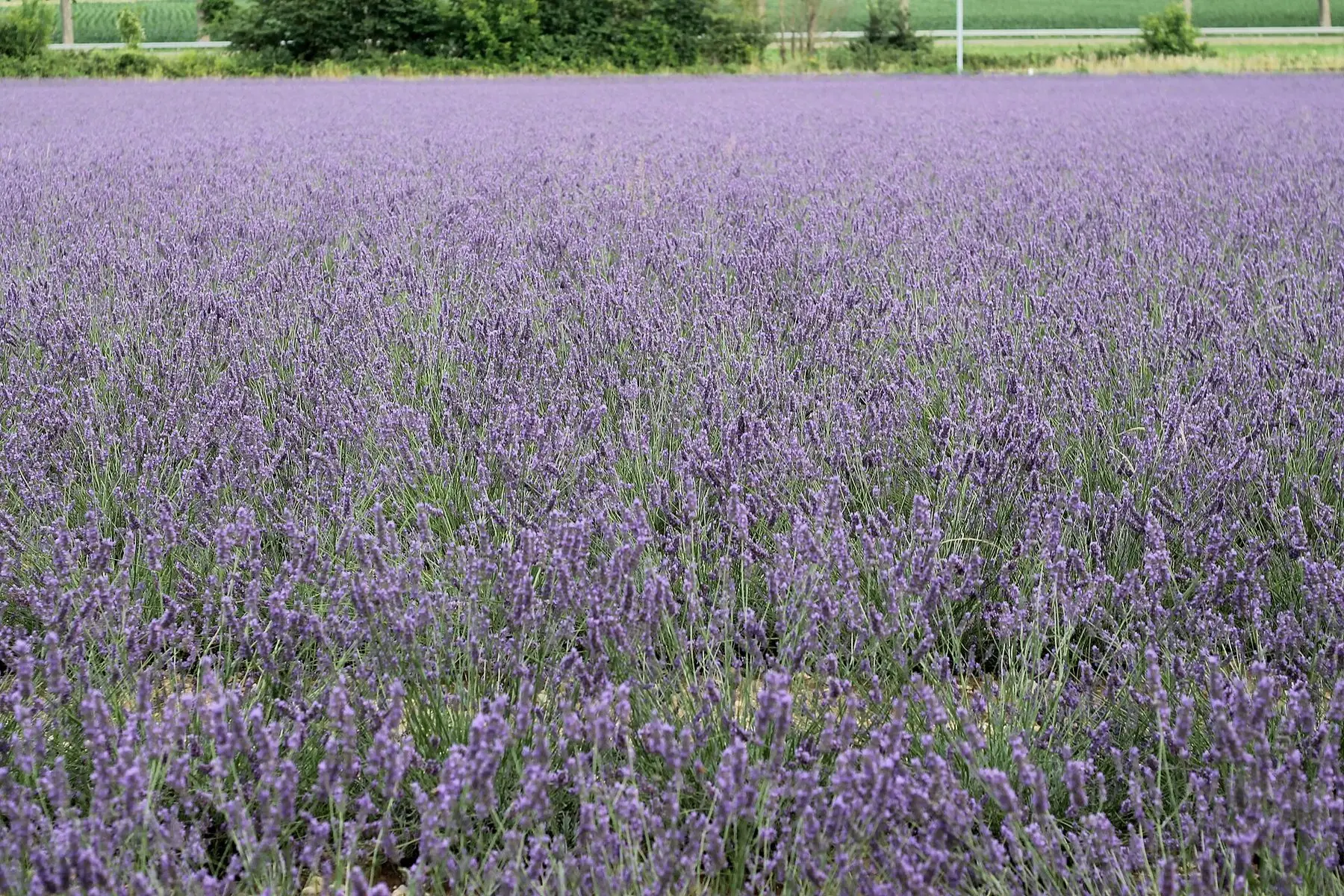
How to Prune Lavender — 3 Cuts, Never Into Old Wood
How to prune lavender: cut back into green growth, never old wood. 3 tools cover the main cut and the shaping. See which you already own.
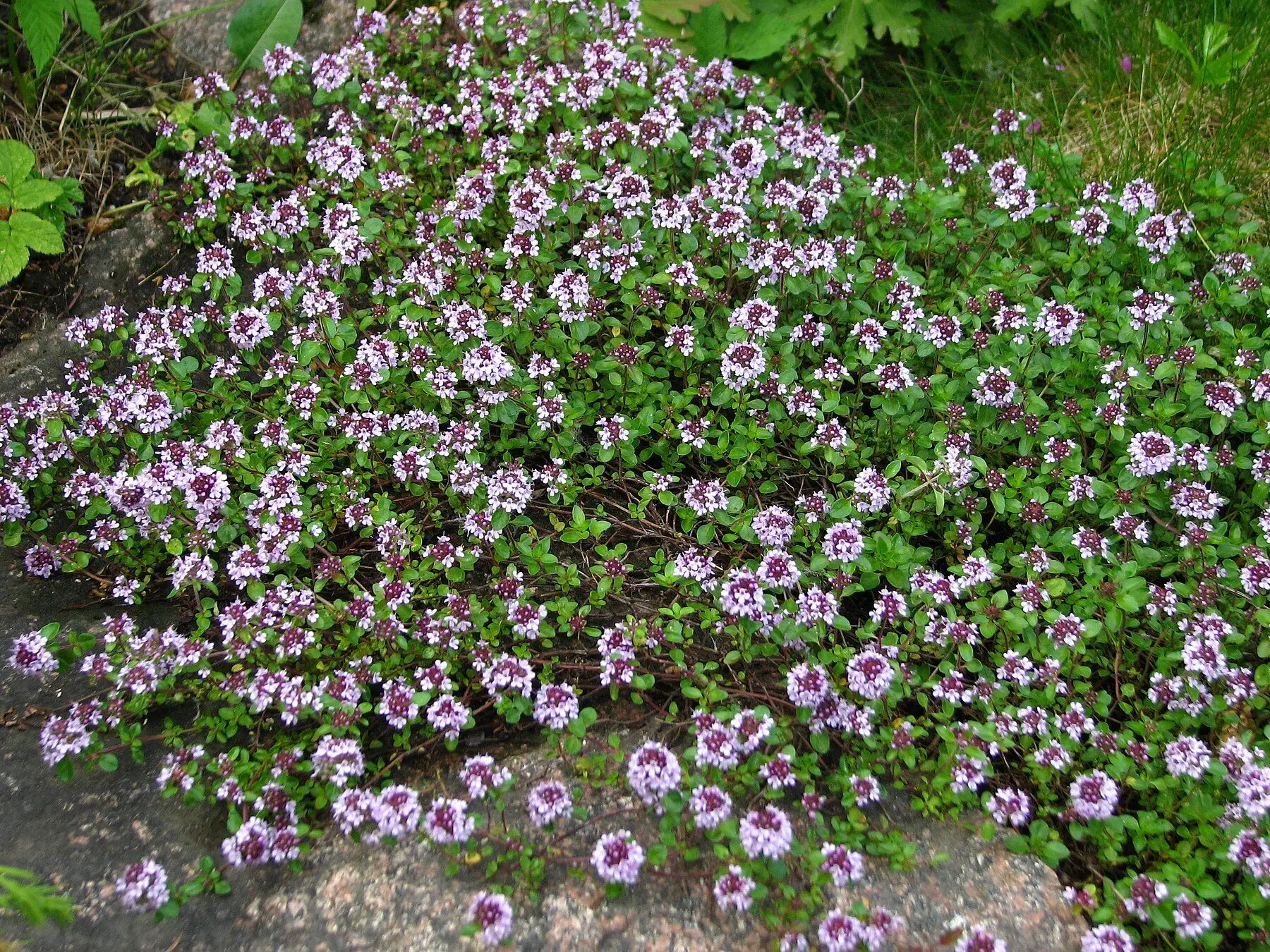
Creeping Thyme: Planting, Spacing and Foot Traffic
Creeping thyme is a drought-tolerant lawn alternative that flowers for bees and takes light footfall. Which species to buy, spacing, and where it fails.
Do You Pick Mint From the Top or the Bottom?
Pick from the top, just above a pair of leaves. Cutting the growing tip makes mint branch into two stems — taking lower leaves does the opposite.