
Do You Pick Mint From the Top or the Bottom?
Pick from the top, just above a pair of leaves. Cutting the growing tip makes mint branch into two stems — taking lower leaves does the opposite.
 By
On this page
From the top — and not by pulling off leaves, but by cutting the stem just above a pair of them. That single difference is why some mint plants get bushier all summer and others turn into bare stalks with a tuft at the end.
The mechanism, in one paragraph
A growing stem tip produces hormones that suppress the buds below it. This is apical dominance, and it is why an unpruned stem grows upward rather than outward.
Cut the tip off and the suppression ends. The two dormant buds sitting in the joint of that top leaf pair both start growing. One stem becomes two, each with its own tip — and when you cut those, each becomes two again.
Mint has opposite leaves on a square stem, so it gets two new shoots per cut rather than one. That is why the effect compounds so quickly.
Why bottom-picking does the opposite
Stripping leaves from the lower stem:
- Leaves the tip intact, so apical dominance continues and the stem keeps extending upward
- Removes the oldest, largest leaves, which are doing most of the plant’s photosynthesis
- Produces exactly the bare-stem-with-a-tuft shape people then ask how to fix
It is the intuitive way to pick — those leaves are the biggest and easiest to reach — and it is backwards.
| Cut above a leaf pair | Strip lower leaves | |
|---|---|---|
| Growing points | Double each cut | Unchanged |
| Shape | Bushy, dense | Tall, bare, floppy |
| Yield over summer | High | Declining |
| Flowering | Delayed by cutting | Early |
Where exactly to cut
Immediately above a node — on mint, the point where a pair of leaves meets the square stem.
Leave about a quarter of an inch above the leaf pair, so you are not damaging the buds sitting in the leaf joints. Those buds are the entire point of the exercise.
Cutting midway along a bare section of stem gives you a stub that dies back instead of branching, which is the same rule that governs pruning most things.
How much, and how often
Up to a third at once is comfortable, and an established mint tolerates far more — it can be cut back by half, or to a few inches above the soil, and will regrow fully within weeks in the growing season.
The genuine risk with mint is not over-harvesting. It is under-harvesting:
- An uncut plant flowers
- Once it flowers, stems lengthen and leaves get smaller and tougher
- The oil balance shifts and the flavour declines
So pinch out flower spikes as they appear, and cut regularly whether or not you need the mint. A plant harvested weekly stays in leaf production far longer than one picked occasionally.
Leave a few stems for the bees
Mint flowers are genuinely valuable to pollinators — they are covered in bees for weeks.
If you want both, let a few stems at the back of the pot flower and keep cutting the rest. The plant is vigorous enough to do both jobs at once.
A small thing: pick in the morning
Essential oil concentration peaks after the dew has dried and before the day heats up. Picked in the afternoon, some of the volatile oils have already gone and the flavour is measurably flatter.
It matters most for drying and for infusions, and least for a sprig thrown into a salad — but it costs nothing to time it.
And the cuttings root in water in about a week, so every harvest is also an opportunity to make another plant.
Common questions
Do you pick mint leaves from the top or the bottom?
How do you harvest mint without killing the plant?
Where exactly should you cut a mint stem?
How much mint can you harvest at one time?
Should you let mint flower?
When is the best time of day to pick mint?
Backyard Weekly
Know what to plant, week by week
Join the weekly email for seasonal jobs, fixes for what is going wrong, and gear worth buying.
Not ready to subscribe? The planting calendar is free and needs no email.
By subscribing you agree to our privacy policy. Grow In Backyard will never sell your address.
Keep reading
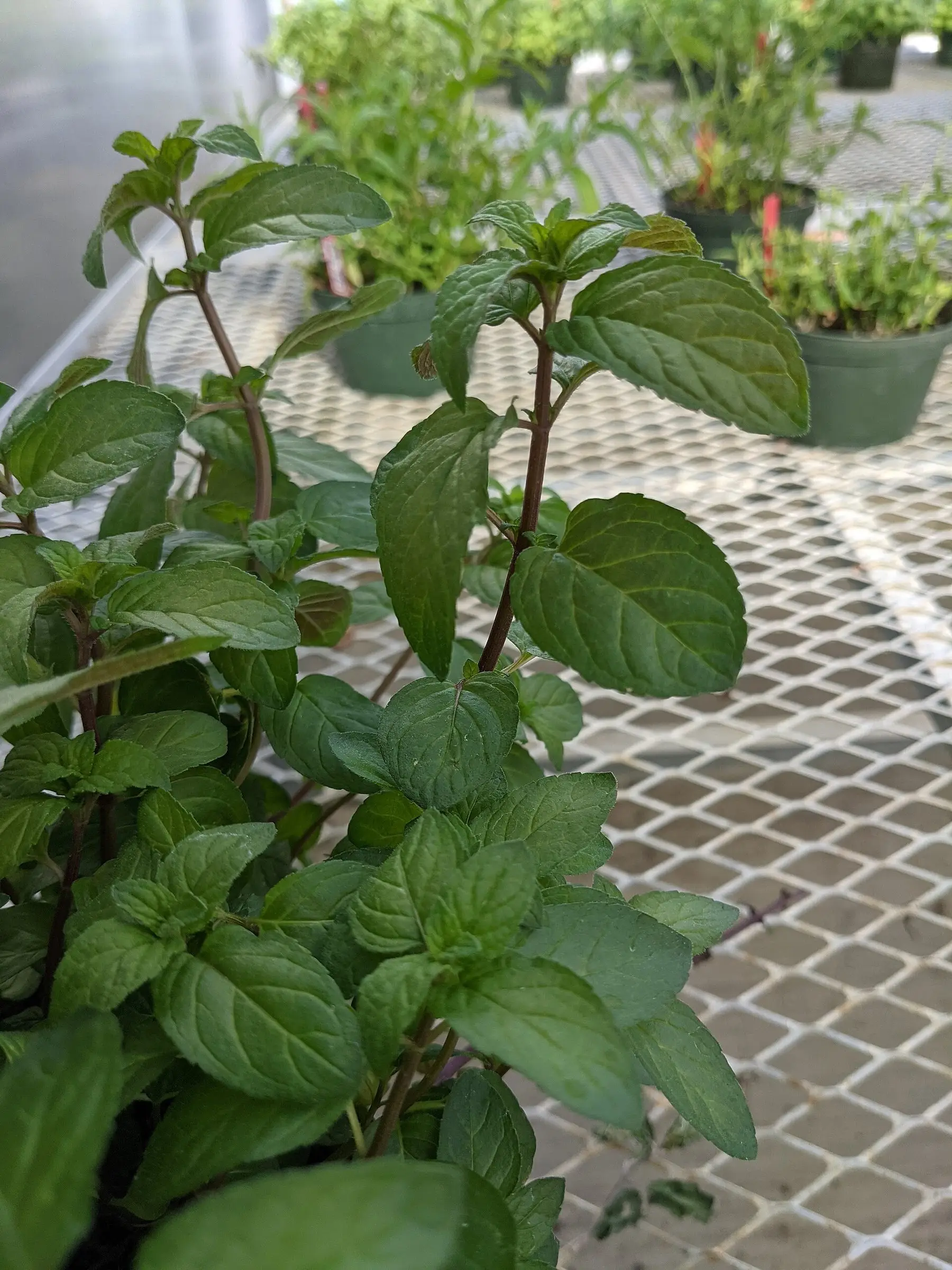
How to Grow Mint Without It Taking Over the Garden
Mint spreads by runners just under the surface and will colonise a bed in two seasons. Containment that actually works, and the pruning that keeps leaves tender.
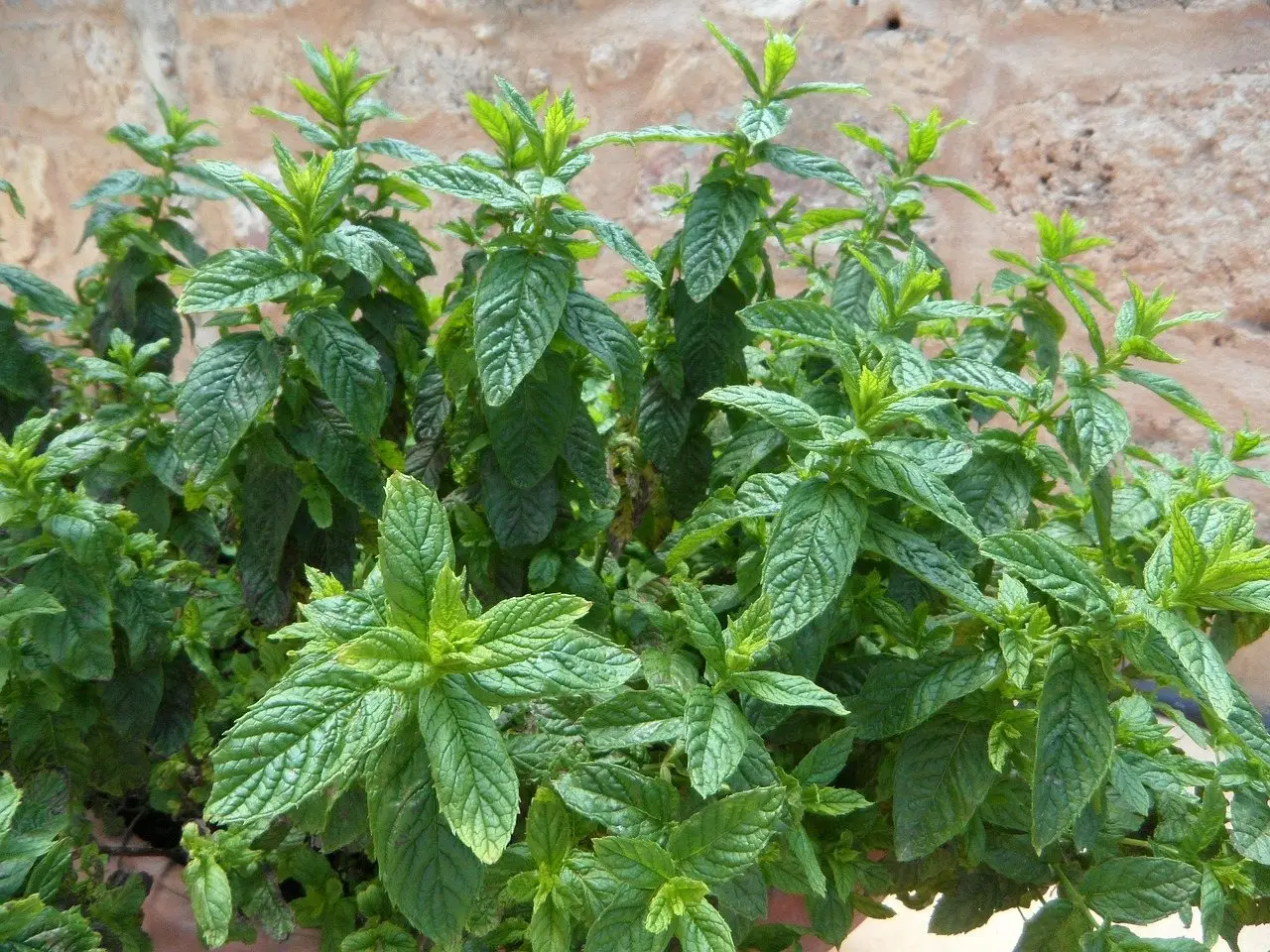
Does Mint Need Full Sun? Part Shade Grows Better Leaves
Mint tolerates full sun but prefers four to six hours with afternoon shade. Full sun gives more essential oil and smaller, tougher leaves. Which you want.
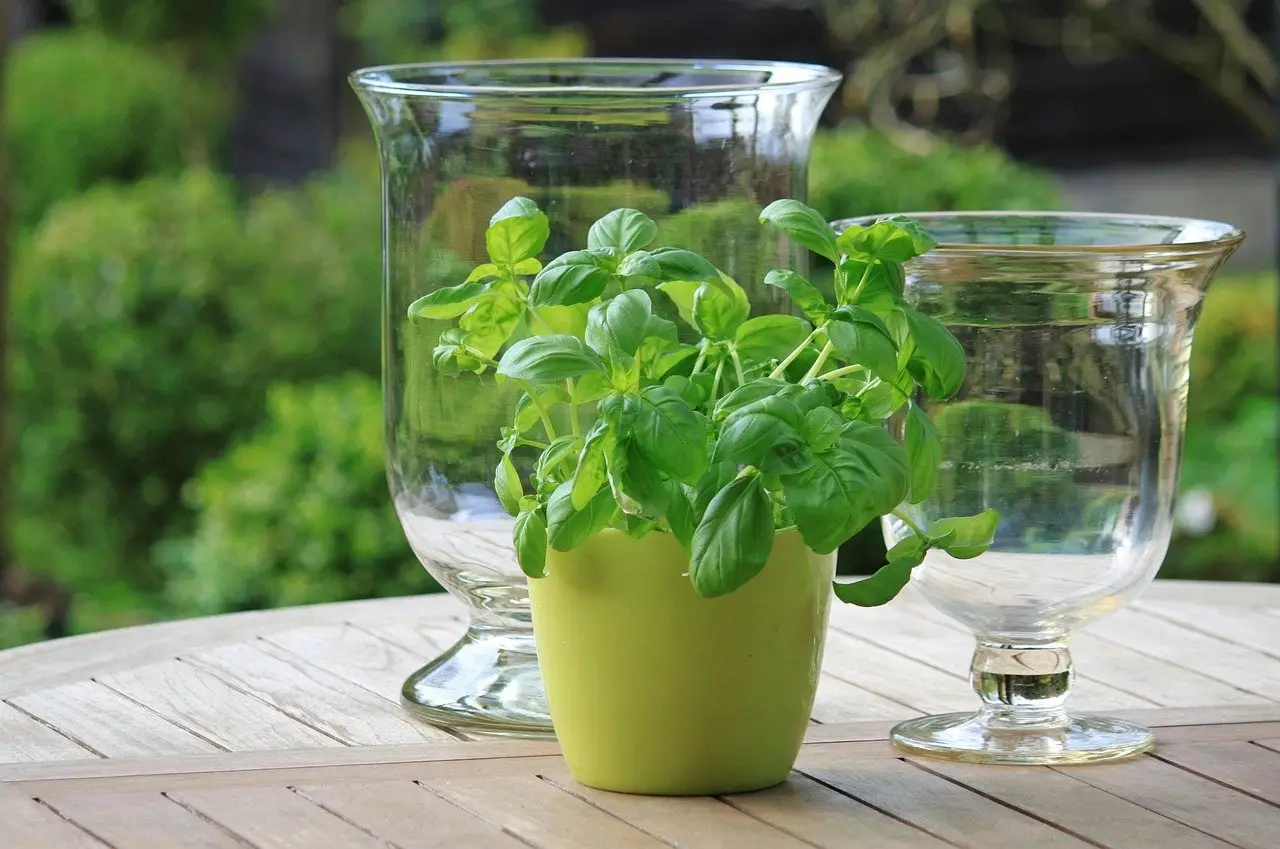
What Herbs Grow Well Together in the Same Container
Group herbs by what they want, not by what you cook with. Mediterranean herbs in one pot, thirsty soft herbs in another, and mint always alone.
Does Basil Need Direct Sunlight? Yes — Six Hours Minimum
Basil wants six to eight hours of direct sun, with afternoon shade in hot climates. What leggy, pale or scorched leaves are each telling you.