
What to Do With Lavender Leaves: Six Uses, One Caution
Lavender leaves are usable year-round and stronger than the flowers — good for infusing, drying and repelling moths, but harsh used like a herb.
 By
On this page
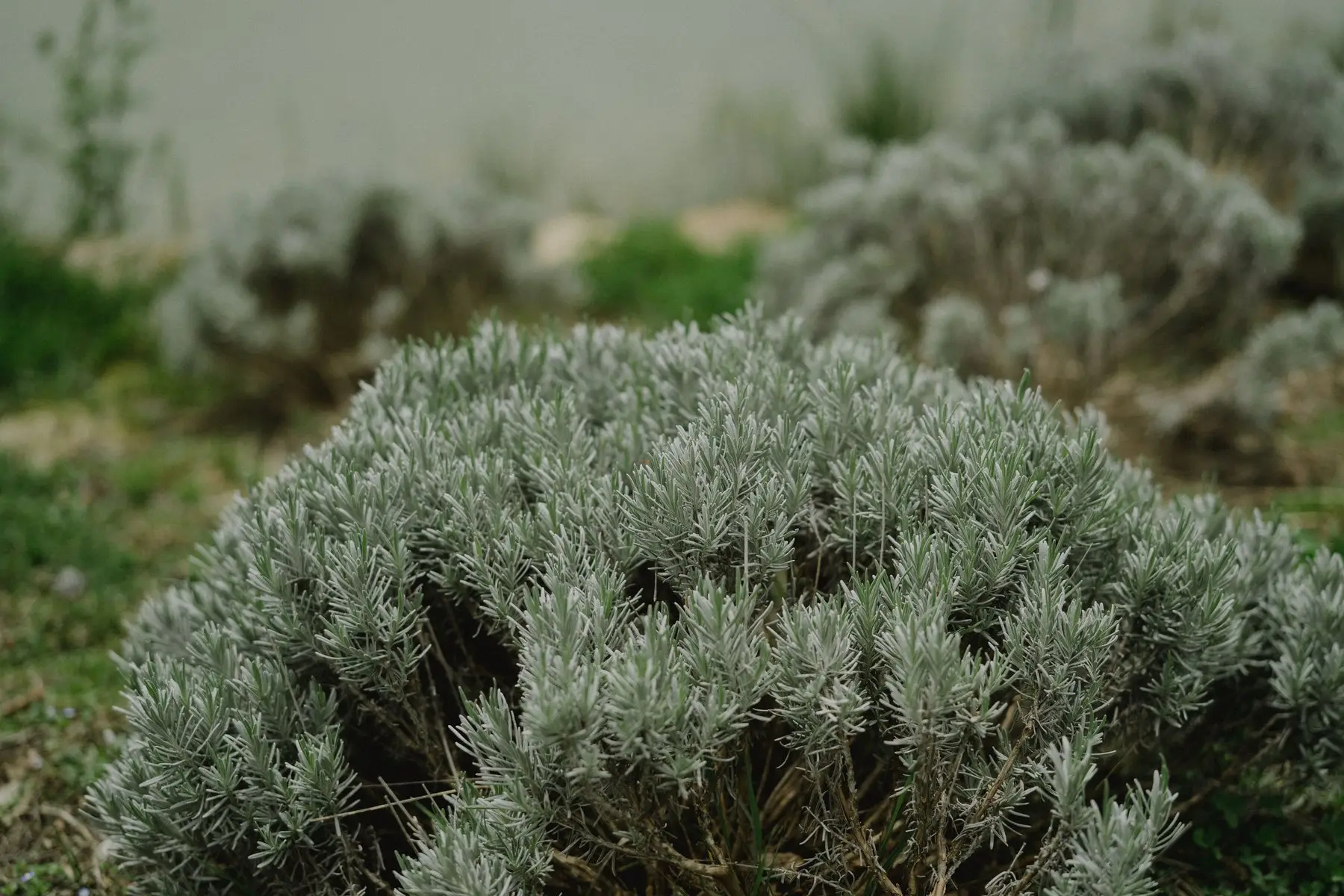
Leaves are available all year where the flowers give you a few weeks — and they are stronger, because they carry more camphor. That is the whole character of them: more useful than the flowers for some jobs, and much easier to overdo in food.
Leaves against flowers
| Leaves | Flowers | |
|---|---|---|
| Available | All year | A few weeks |
| Dominant note | Camphor — resinous, medicinal | Floral, sweet |
| Cooking | Sparingly, like rosemary | Culinary lavender proper |
| Moth repellent | Better | Works, less strongly |
| Tea | Half the quantity | Standard |
The six uses
- Moth sachets — the traditional use, and the one they are best at
- Infused oil or vinegar — a handful of leaves, warmed gently, strained after a fortnight
- Cooking — with lamb, in a rub, in shortbread. A small amount, removed before serving
- Potpourri base — they hold scent longer than petals
- Tea — see the caution below
- Prunings — compost or chip
Cooking: the caution
The commonest mistake is using leaves like flowers
Higher camphor means they read as resinous and slightly soapy rather than sweet. A quantity that would be right for culinary lavender flowers will make a dish taste of soap.
Treat them as rosemary: a small amount, in something robust, taken out before serving.
Tea
- About half a teaspoon of dried leaf to a cup — roughly half what you would use of flowers
- Four or five minutes maximum. It turns bitter fast
- Blend with mint or lemon balm to soften the camphor
Why they beat flowers against moths
The camphor that is a liability in food is exactly what clothes moths avoid.
- Crush the sachet between your fingers every few weeks to release fresh scent
- The effect fades as the volatile oils escape — six months to a year, then refill
Prunings
The late-summer trim is the best leaf harvest of the year
The plant is full of oil at that point. Strip anything soft and leafy for drying or infusing, and deal with the woody stems separately.
- Shred or chip woody stems before composting. Uncut lavender resists decomposition and you will be picking sticks out of finished compost
- Do not strip a plant heavily in autumn — the soft regrowth will not harden before winter
When to pick
Any time the plant is in active growth. For the strongest leaves:
- Morning, after the dew dries, before the heat
- Just before or during flowering, when oil content peaks
Common questions
What can you do with lavender leaves?
Are lavender leaves edible?
Can you make tea from lavender leaves?
Do lavender leaves repel moths?
What do you do with lavender prunings?
When should you pick lavender leaves?
Backyard Weekly
Know what to plant, week by week
Join the weekly email for seasonal jobs, fixes for what is going wrong, and gear worth buying.
Not ready to subscribe? The planting calendar is free and needs no email.
By subscribing you agree to our privacy policy. Grow In Backyard will never sell your address.
Keep reading
How to Grow Lavender: Drainage, Sun, and Almost Nothing Else
Lavender dies of wet feet and kindness, not cold. Which species suits your winter, why you plant it in poor soil, and the spacing that prevents rot.
How to Prune Lavender — 3 Cuts, Never Into Old Wood
How to prune lavender: cut back into green growth, never old wood. 3 tools cover the main cut and the shaping. See which you already own.
When Does Lavender Flower? Timing by Type and Age
English lavender flowers once in early summer; French and Spanish types repeat from spring to autumn. Why a young plant or a hard prune delays everything.
Butterfly Pea Flower: Growing It and Using the Blue
A tender vine grown for blue flowers that turn tea purple with lemon. Trellis, heat, seed soaking, and how to grow it where winters are cold.