How to Grow Lavender: Drainage, Sun, and Almost Nothing Else
Lavender dies of wet feet and kindness, not cold. Which species suits your winter, why you plant it in poor soil, and the spacing that prevents rot.
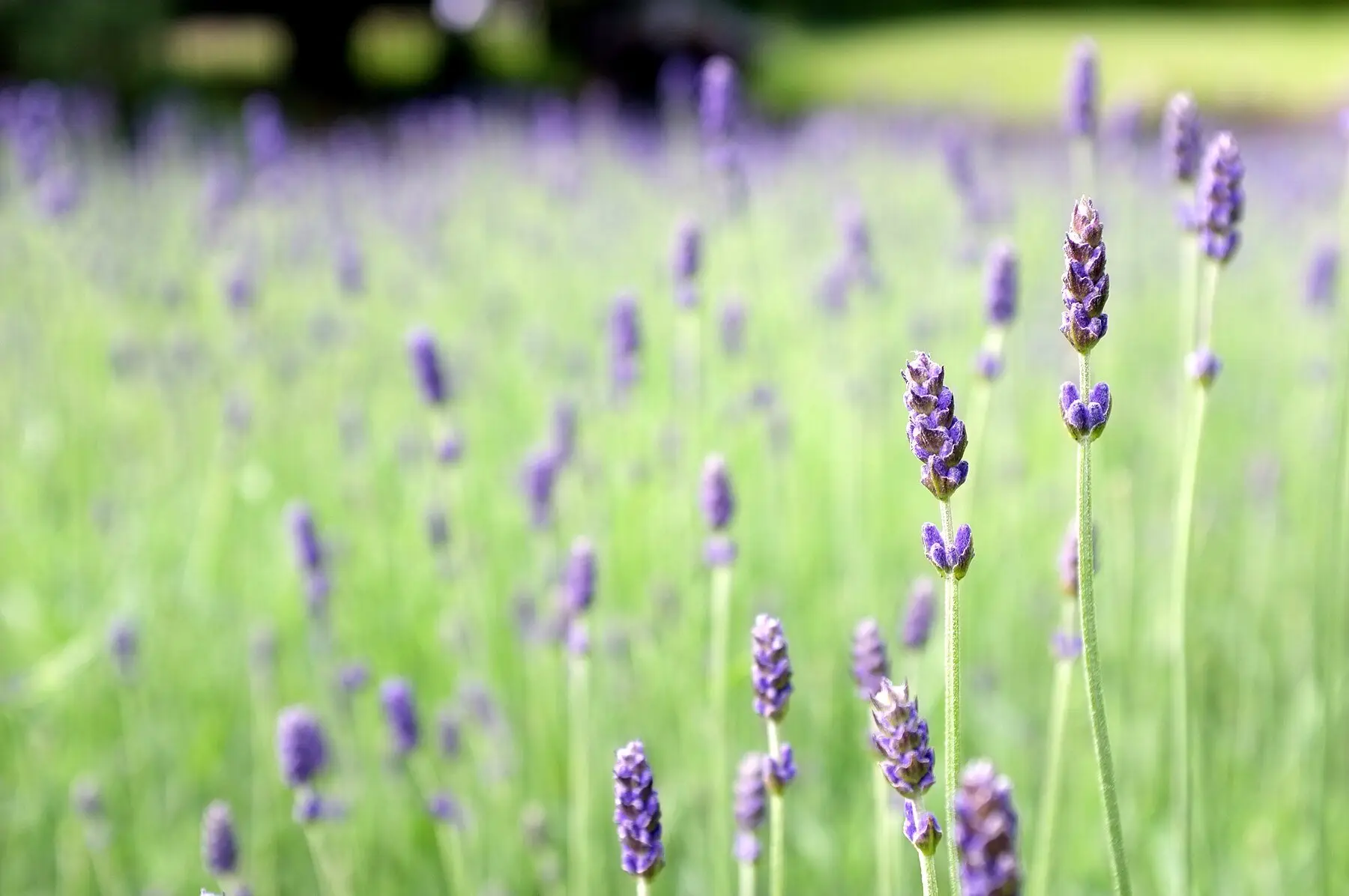
.jpg)
On this page
Lavender is killed by generosity. Rich soil, regular water, a sheltered damp corner, a feed in spring — every one of those shortens its life.
It comes from dry, stony, sun-baked Mediterranean hillsides, and the closer you reproduce that, the longer it lives and the stronger it smells.
Choose the species for your winter first
This is the decision that determines whether the plant survives at all, and the labels are unhelpful — garden centres sell all of these simply as “lavender”.
| Species | Common name | Hardiness | Flowers | Notes |
|---|---|---|---|---|
| L. angustifolia | English | ~-20°F | Mid-summer, one main flush | Classic scent; the culinary one |
| L. x intermedia | Lavandin, Grosso | ~-10°F | Later, longer stems | Vigorous, big; most oil comes from these |
| L. stoechas | French, Spanish | ~10–15°F | Long season, showy top bracts | The “rabbit ears”; not hardy |
| L. dentata | French, fringed | ~15–20°F | Nearly continuous in mild climates | Toothed leaves; tender |
| L. multifida | Fernleaf | ~20°F+ | Continuous | Treat as an annual in most places |
Confusingly, L. stoechas is sold as both “French” and “Spanish” lavender depending on the country. Look for the ear-like bracts standing up on top of the flower head — those mean it is one of the tender ones, whatever the label says.
For a permanent hedge or a cold garden, English lavender or a lavandin. For a container that comes in over winter, the tender species flower for far longer.
Site and soil
- Full sun. Six hours minimum, more is better. This is not negotiable.
- Sharp drainage. The single most important condition.
- Poor soil. Lean, gritty, low in nutrients.
- Neutral to alkaline, roughly pH 6.7 to 7.3. Lavender is one of the few garden plants that genuinely appreciates lime.
- Air movement. Still, humid air causes fungal problems.
On heavy or clay soil, do one of these before planting: dig in sharp grit generously — a third by volume is not too much — plant on a raised mound six inches proud, use a raised bed, or grow it in pots.
Do not add compost or manure. Rich soil gives fast, soft, sappy growth with weaker fragrance and markedly worse winter survival. The oils that make lavender smell of lavender concentrate in plants grown hard.
Dying lavender is nearly always overwatered
Waterlogged roots stop functioning, the plant cannot move water, and the foliage greys and browns — which reads exactly like thirst. The instinct is to water it. Push a finger three inches down first: if the soil is damp, more water will finish the plant. This is the same failure mode as rosemary, and for the same Mediterranean reason.
Planting
Spring, once frost risk has passed, in most climates — autumn planting in mild ones.
- Plant slightly proud of the surrounding soil so water drains away from the crown.
- Space 2 to 3 feet apart for full-size varieties, 12 to 18 inches for a dwarf hedge. Crowding traps humid air and causes the rot that kills lavender in wet summers.
- Mulch with gravel or grit, never compost or bark. Organic mulch holds moisture against the stem, which is precisely what you are trying to avoid.
Water through the first summer to establish. After that, an established lavender in the ground needs watering only in prolonged drought.
Feeding
None. An established plant in reasonable ground needs nothing at all.
If a container plant is genuinely struggling, a single weak feed in spring is the most it should get. Nitrogen is what produces the floppy, sparse, poorly scented plant that then fails its first hard winter.
Pruning, which decides its lifespan
Lavender does not reliably reshoot from old bare wood. That single fact governs everything.
- Deadhead after the first flush of flowers.
- Cut back by about a third in late summer, six to eight weeks before the first frost, always leaving green growth on every stem.
- Start in year one. Even a young plant should be shaped.
A plant trimmed lightly for years develops a bare woody base that eventually splits open in the middle, and there is no recovering it — the only options are replacement or layering a side branch to start a new plant. Pruning lavender covers the cuts in detail.
In containers
The right choice on clay, in a wet climate, or for tender species.
- Terracotta, which breathes and dries the rootball out between waterings.
- Compost plus a third grit or perlite.
- Generous drainage holes, and never a saucer holding water.
- Water when the top two inches are dry — that might be weekly in high summer and monthly in winter.
- Overwinter tender species under cover, and keep them dry rather than warm. Cold and dry is survivable; cold and sodden is not.
Harvesting
Cut when the lower flowers on the spike have opened but the top ones have not — that is peak oil content. Morning, after dew has dried.
Cut long stems, bundle loosely, and hang upside down somewhere dark, dry and airy. Unlike most soft herbs, lavender dries superbly and holds its fragrance for a year or more.
Only L. angustifolia is worth using for cooking; the camphor content in lavandins and the tender species makes them harsh.
Common questions
Why is my lavender dying?
What is the difference between English and French lavender?
Should you improve the soil before planting lavender?
Why is my lavender not flowering?
How do you prune lavender so it does not go woody?
Can you grow lavender in pots?
Backyard Weekly
Know what to plant, week by week
Free planting calendar. Join the weekly email for seasonal jobs, fixes for what is going wrong, and gear worth buying.
Set MONETIZATION.email.endpoint in src/config/site.ts to enable this form.
By subscribing you agree to our privacy policy. Grow In Backyard will never sell your address.
Keep reading
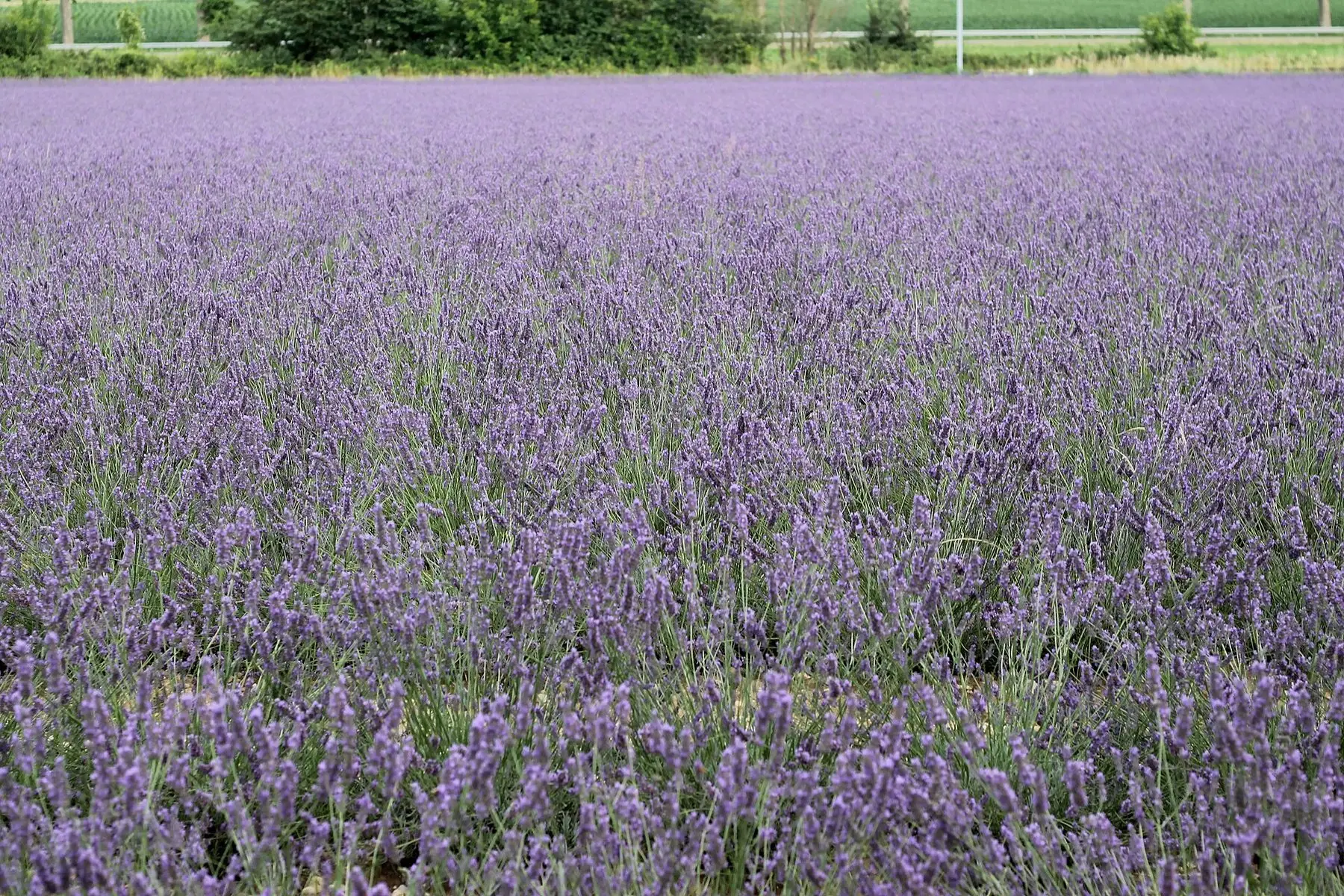
How to Prune Lavender (and Never Cut Into Old Wood)
Lavender goes woody and splits open when it is pruned too timidly. The one rule that prevents it, the two cuts a year, and what to do with a plant already leggy.
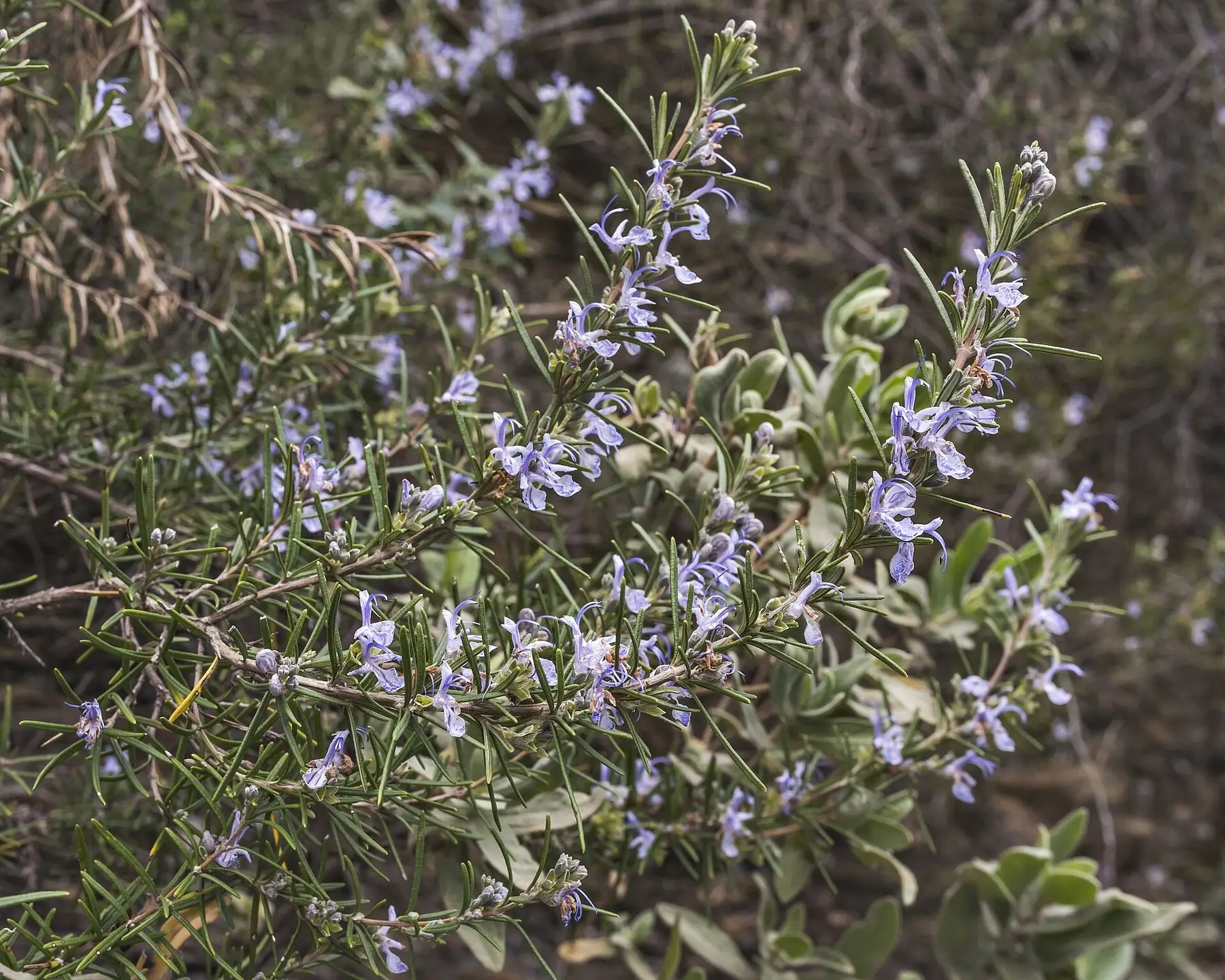
How to Grow Rosemary: Drainage First, Water Almost Never
Rosemary is killed by wet roots far more often than by cold. Soil, siting, the pruning rule that avoids dead patches, and overwintering in a cold climate.
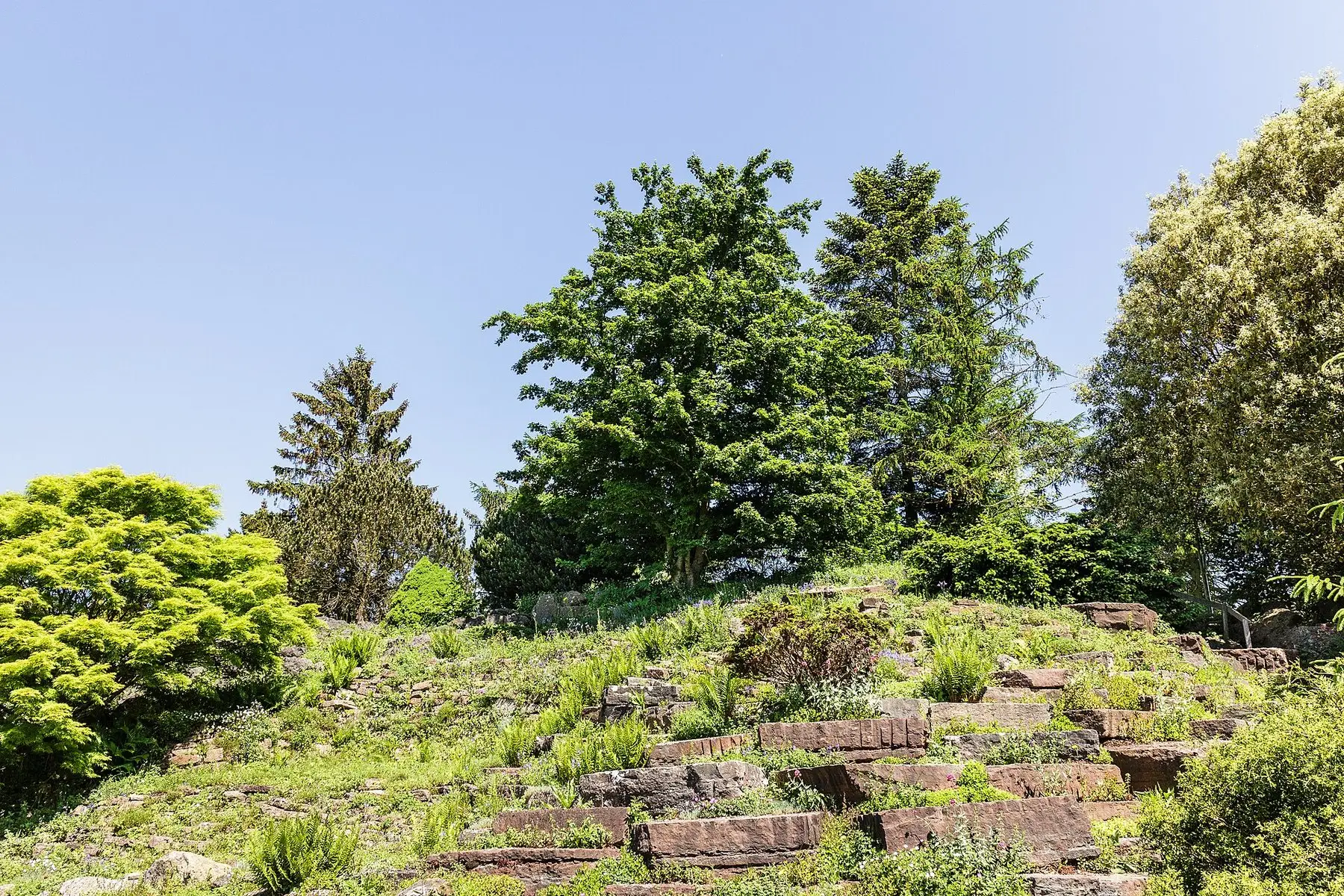
Rock Garden Ideas That Look Like They Belong There
The difference between a rockery and a pile of stones is drainage and burial. How to set rock so it reads as outcrop, and what actually survives in it.
How to Harvest Basil So the Plant Gets Bushier
Cut above a leaf pair, never strip the bottom leaves, and pinch the flowers. The harvesting method that doubles the size of a basil plant instead of ending it.