
How to Cut Rosemary: Where to Cut So It Grows Back Bushy
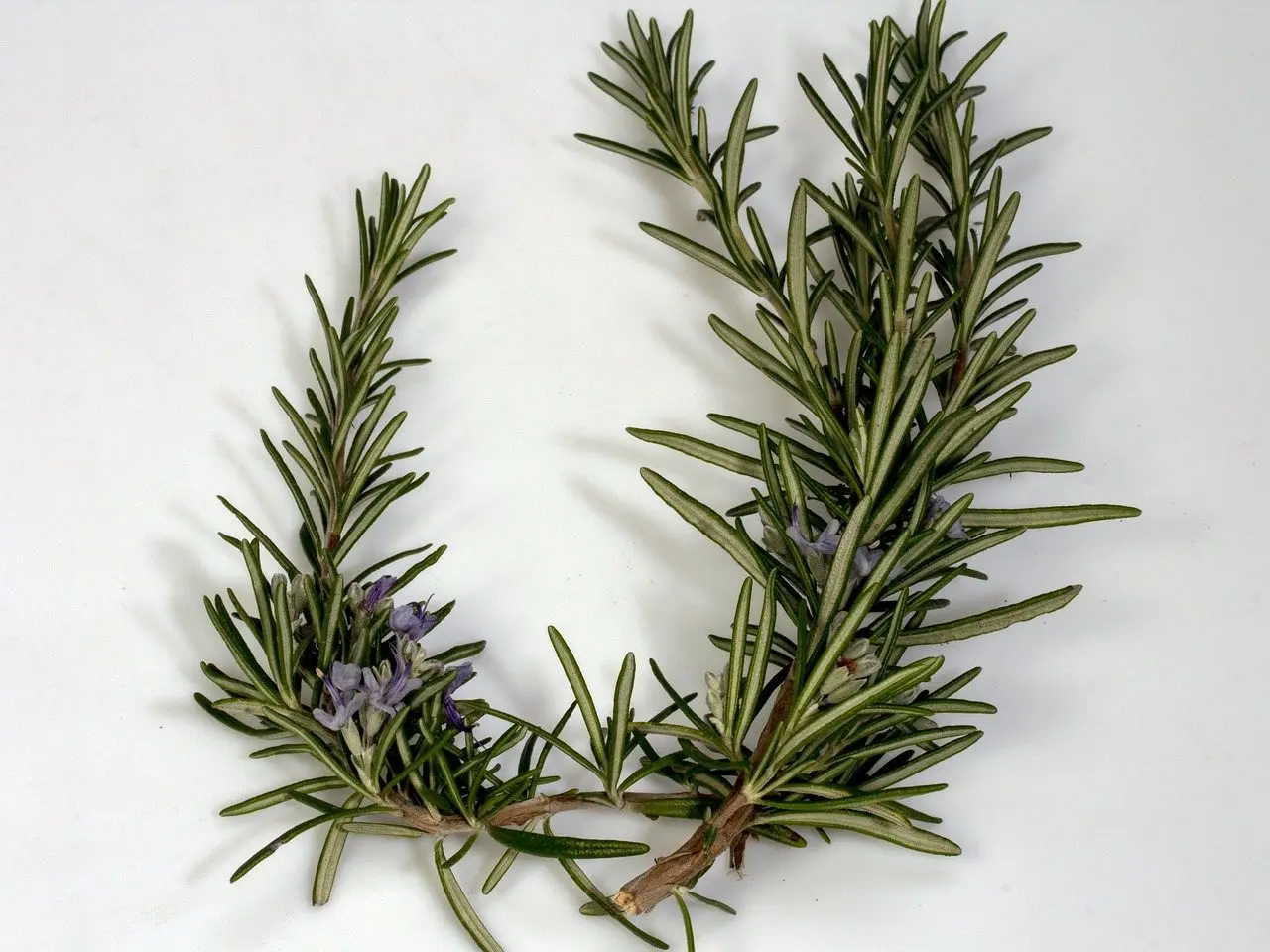
Cut above a leaf node in the green growth, never into bare brown wood. Old rosemary will not resprout from it — which is how plants get killed.
 By
On this page
Cut in the green, above a leaf node. Never into bare brown wood — rosemary does not come back from it, and that one mistake kills more plants than any pest.
The rule that matters
| Where you cut | What happens |
|---|---|
| Green growth, above a node | Two new shoots. Plant thickens |
| Green growth, mid-internode | Regrows, but a short dead stub is left |
| Bare brown wood | Usually nothing. That stem is finished |
| Whole plant into bare wood | The plant dies |
Rosemary sits with lavender and most Mediterranean sub-shrubs in the group that will not regenerate from old wood. Buddleia and dogwood forgive hard pruning; rosemary does not, and the mistake is irreversible.
The afternoon that kills an old rosemary
A big leggy plant looks like it needs cutting back hard. Cut all the bare stems down and in most cases nothing comes back — there are no dormant buds in that wood to respond.
If the plant is already bare at the base, take cuttings and start again rather than attempting a renovation that usually fails.
Harvesting is pruning
There is no real difference, which is useful: picking for the kitchen in the right way keeps the plant in shape.
- Take growing tips, two to four inches, cutting above a node
- Move around the plant rather than stripping one side
- Little and often beats an occasional heavy cut
- Year-round for the kitchen — only shaping is seasonal
A plant tipped regularly from its first year never develops the bare-bottomed, tuft-on-top shape that old rosemary is famous for.
Cuttings, which make all of this low-stakes
Rosemary roots very easily, so there is no need to risk an old plant:
- Take 4-inch non-flowering tips in late spring or early summer
- Strip the lower leaves from the bottom half
- Push into gritty compost — half perlite or sharp sand
- Keep barely moist, somewhere bright and out of direct sun
- Rooted in four to six weeks, pot on when growth resumes
Three cuttings taken this summer replace an exhausted plant next year. That is a far better plan than a hard prune nobody can undo.
Step by step
- Time
- PT20M
- Cost
- 0
- You need
- An established rosemary plant
- Tools
- Sharp secateurs or scissors
Find the green growth
Look along a stem from the tip back toward the base. The soft green leafy section is where the plant can regrow. Behind it the stem turns brown and bare — that wood holds few or no dormant buds.
Cut above a leaf node
Choose a point within the green growth, just above a pair of leaves or a visible side shoot, and cut there. New growth comes from that junction, so a cut above a node gives two shoots where there was one.
Never cut into bare wood
A stem cut back into leafless brown wood usually does not resprout. Doing it to a whole plant kills it, which is the commonest way an old rosemary is lost in a single afternoon.
Take no more than a third
In one session, across the whole plant. Rosemary recovers slowly and a hard cut leaves it unable to rebuild. Spread a renovation across two or three seasons rather than one.
Shape after flowering
The main shaping prune goes in after flowering in late spring or early summer, which leaves the plant the whole season to put on growth that will harden before winter.
Stop pruning in autumn
Late cuts push soft new growth into the cold, and soft growth is what frost kills. Light picking for the kitchen is fine year-round; shaping is not.
Use the prunings
Strip the lower leaves from a few of the healthiest cuttings, push them into gritty compost, and keep them barely moist. Rosemary roots readily, which is the easy way to replace a plant that has gone woody.
Common questions
Where do you cut rosemary so it grows back?
Can you cut rosemary back hard?
When is the best time to prune rosemary?
How do I harvest rosemary without damaging the plant?
Why is my rosemary woody and bare at the bottom?
Backyard Weekly
Know what to plant, week by week
Join the weekly email for seasonal jobs, fixes for what is going wrong, and gear worth buying.
Not ready to subscribe? The planting calendar is free and needs no email.
By subscribing you agree to our privacy policy. Grow In Backyard will never sell your address.
Keep reading

Can Rosemary Grow in Shade? It Survives, It Does Not Thrive
Rosemary needs six to eight hours of sun. In shade it gets leggy, loses flavour and rots at the roots — plus the shadiest spot it will tolerate.
How to Dry Garlic: Curing It So It Keeps Until Spring
Curing takes two to four weeks in shade with moving air. Get it right and hardneck keeps six months, softneck ten. Get it wrong and it rots by October.
When to Harvest Spinach: Cut-and-Come-Again vs One Cut
Baby leaves at 3–4 weeks, full leaves at 6–8. Picking outer leaves keeps a plant going for weeks — until it bolts, which heat decides, not you.
How to Dry Oregano (And Why It Beats Fresh)
Oregano is one of the few herbs that genuinely improves dried. Cut before flowering, hang it somewhere dark, and leave the leaves whole until you cook.