How to Grow Cilantro Without It Bolting in Three Weeks
Cilantro bolts on heat and day length and nothing stops it, so the answer is succession sowing. Direct sowing, why it hates transplanting, and the seed crop.
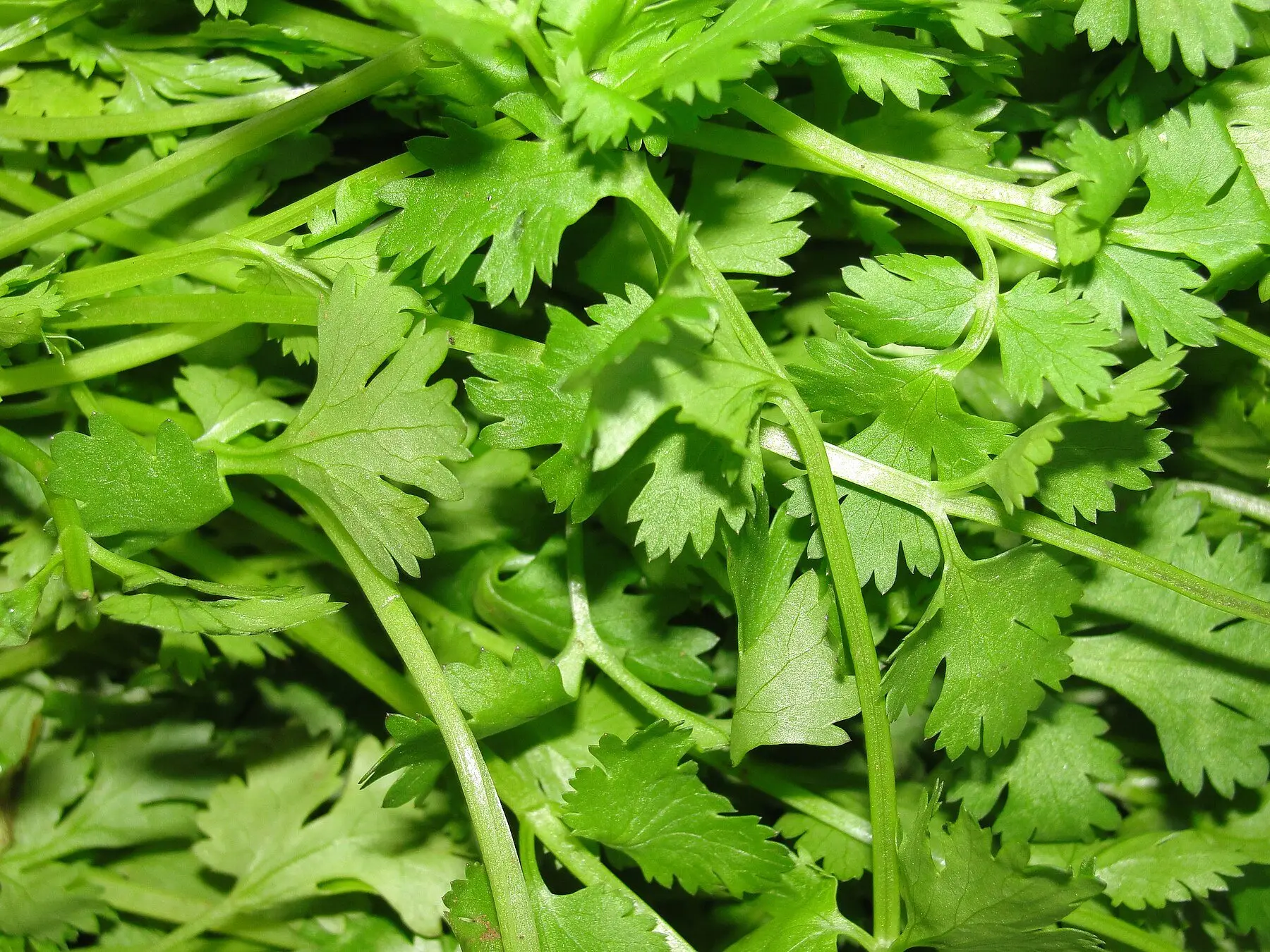

On this page
There is no technique that stops cilantro bolting. It is a cool-season annual that flowers on heat and day length, and in summer it will go from sowing to flower stalk in four to six weeks however well you treat it.
So the goal is not a long-lived plant. It is a new small sowing every two or three weeks.
Why it bolts, and why that is not a fault
Cilantro evolved to germinate, produce leaf quickly, flower and set seed within one cool season. Heat and long days are the signal to get on with it.
Transplant shock, root disturbance, drought and crowding all accelerate that signal. None of them cause it.
So a plant that bolts in five weeks in July is not a failed plant. It is a cilantro doing exactly what a cilantro does, and the only real lever is how often you sow.
Sowing
Direct, where it will grow. This is the most important single point. Cilantro forms a taproot and resents disturbance — supermarket pots and nursery plants routinely bolt within days of being moved because the move itself is the trigger.
- Half an inch deep, seeds an inch or two apart.
- Thin to 4 to 6 inches for full plants, or leave thicker for cut-and-come-again baby leaf.
- Rows 12 inches apart, or broadcast a patch.
- Keep the surface damp until germination, which takes one to three weeks.
Sow a short row every two to three weeks, from early spring through to early autumn. A small sowing you actually use beats a long row that bolts all at once.
Each coriander seed is two seeds
The round husk you sow is a fruit containing two seeds. Gently crushing it between finger and thumb before sowing splits the halves, which improves and evens out germination noticeably. Soaking the seed overnight helps too. Neither is essential — but germination is the one slightly unreliable part of growing cilantro, and both steps take a minute.
Conditions
- Spring and autumn: full sun.
- Summer: part shade, or behind taller crops. This is the single most useful adjustment, and it genuinely delays flowering.
- Free-draining but consistently moist soil. Drought stress brings bolting forward.
- Moderately fertile. No heavy feeding needed.
- Deep container if growing in pots — at least 8 to 10 inches, for the taproot. A shallow tray guarantees a short life.
Cool is what it wants. That is why it is an excellent early-spring and autumn crop, and a frustrating midsummer one.
Varieties that help
Calypso, Santo, Leisure, Confetti are selected for slower bolting, and they do buy a few extra weeks of leaf.
They do not change the underlying biology. Combined with part shade and succession sowing, they turn cilantro from a three-week crop into something close to continuous.
Harvesting
Cut outer stems at the base, not across the top — new growth comes from the centre, so shearing the top removes the youngest leaves and leaves the oldest.
Never take more than about a third at once.
Cut in the morning after dew has dried, when the oils are strongest. For keeping it once cut, see storing cilantro — the jar-of-water method gets two to three weeks instead of two to three days.
When it bolts, take the second crop
A bolting plant sends up a tall central stem, the leaves become fine and feathery, and the flavour turns bitter. Leaf production is finished.
What follows is worth having:
- The flowers are small, white and umbel-shaped, and they are among the best plants in a garden for hoverflies and predatory wasps — whose larvae eat aphids. Leaving cilantro to flower is a genuine pest-control decision.
- The seed is coriander, an entirely different spice — warm, citrusy, nutty. Cut the heads when brown, dry them fully, and it keeps its character for over a year. Unlike the leaf, which loses almost everything on drying.
- It self-seeds readily if you let some drop, giving volunteer plants the following season.
So the arc of the plant is leaf, then flowers for the insects, then spice. Treating the bolt as the end of a cilantro rather than the start of a coriander is what makes it feel like a failure.
The one thing worth repeating
If you take one thing from this: do not buy a pot of cilantro and plant it out. Sow seed where it will grow, in small amounts, often. Everything else is refinement.
Common questions
Why does my cilantro bolt so fast?
Should you grow cilantro from seed or buy plants?
What are slow-bolt cilantro varieties?
Can you grow cilantro indoors?
Is cilantro the same as coriander?
What do you do when cilantro bolts?
Backyard Weekly
Know what to plant, week by week
Free planting calendar. Join the weekly email for seasonal jobs, fixes for what is going wrong, and gear worth buying.
Set MONETIZATION.email.endpoint in src/config/site.ts to enable this form.
By subscribing you agree to our privacy policy. Grow In Backyard will never sell your address.
Keep reading
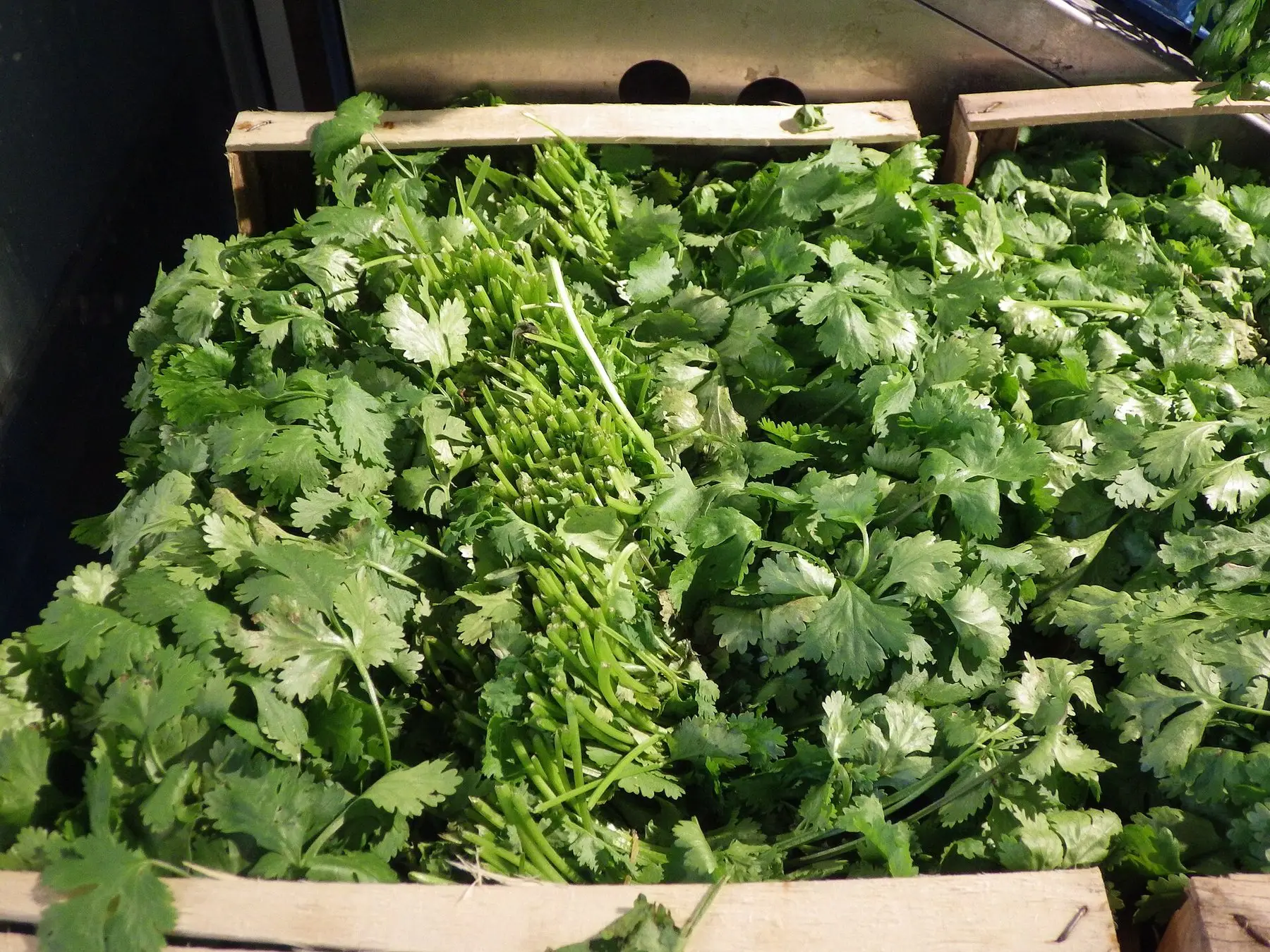
How to Store Cilantro So It Lasts More Than Two Days
Cilantro wilts fast because it is mostly water with thin leaves. The jar method, what actually freezes well, and why drying it is largely a waste.
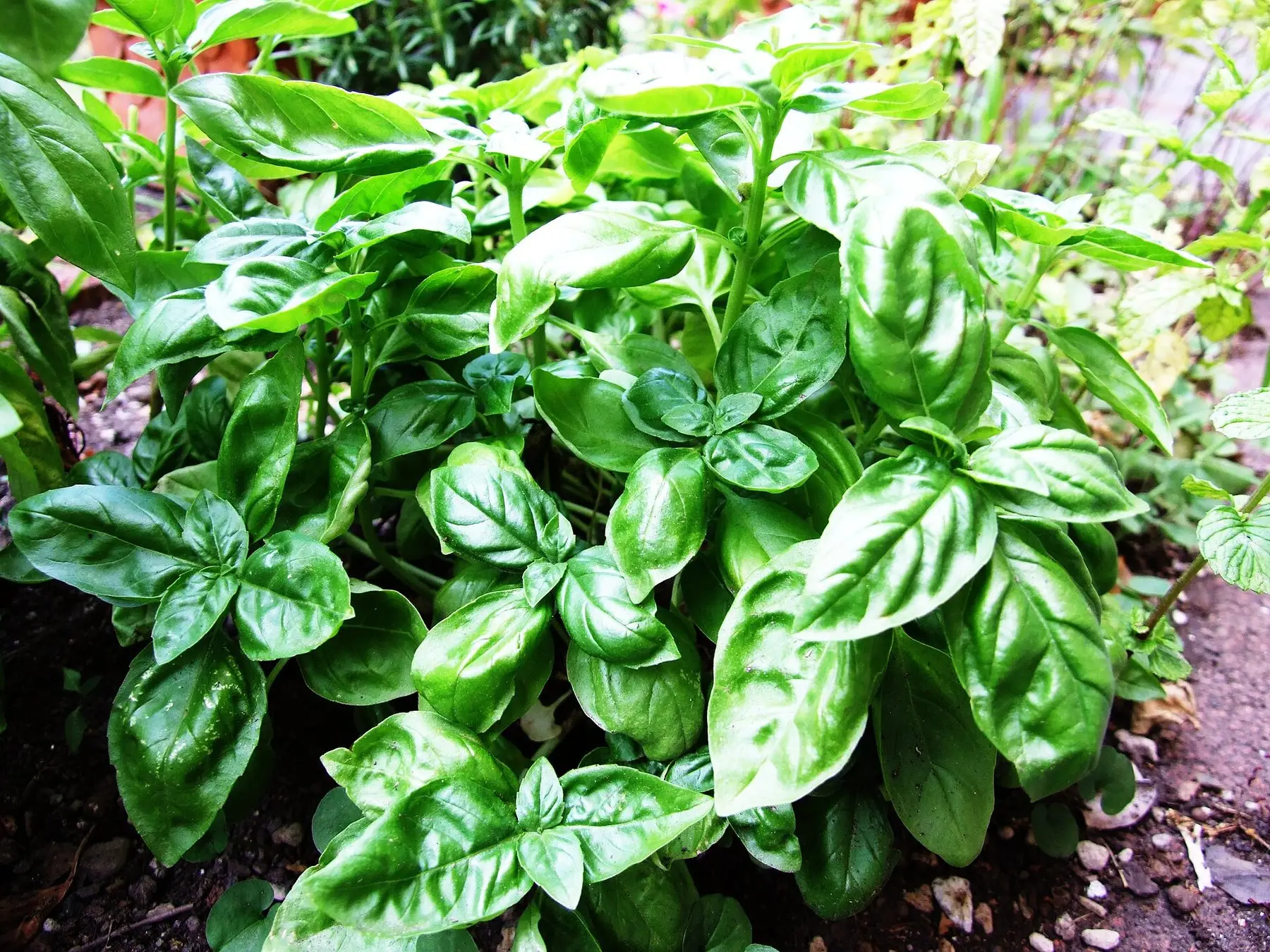
How to Grow Basil: Pinch It Early, Pinch It Often
Basil is easy to grow and easy to lose to one mistake — letting it flower. How to sow it, where to put it, and the pinching routine that keeps it producing.
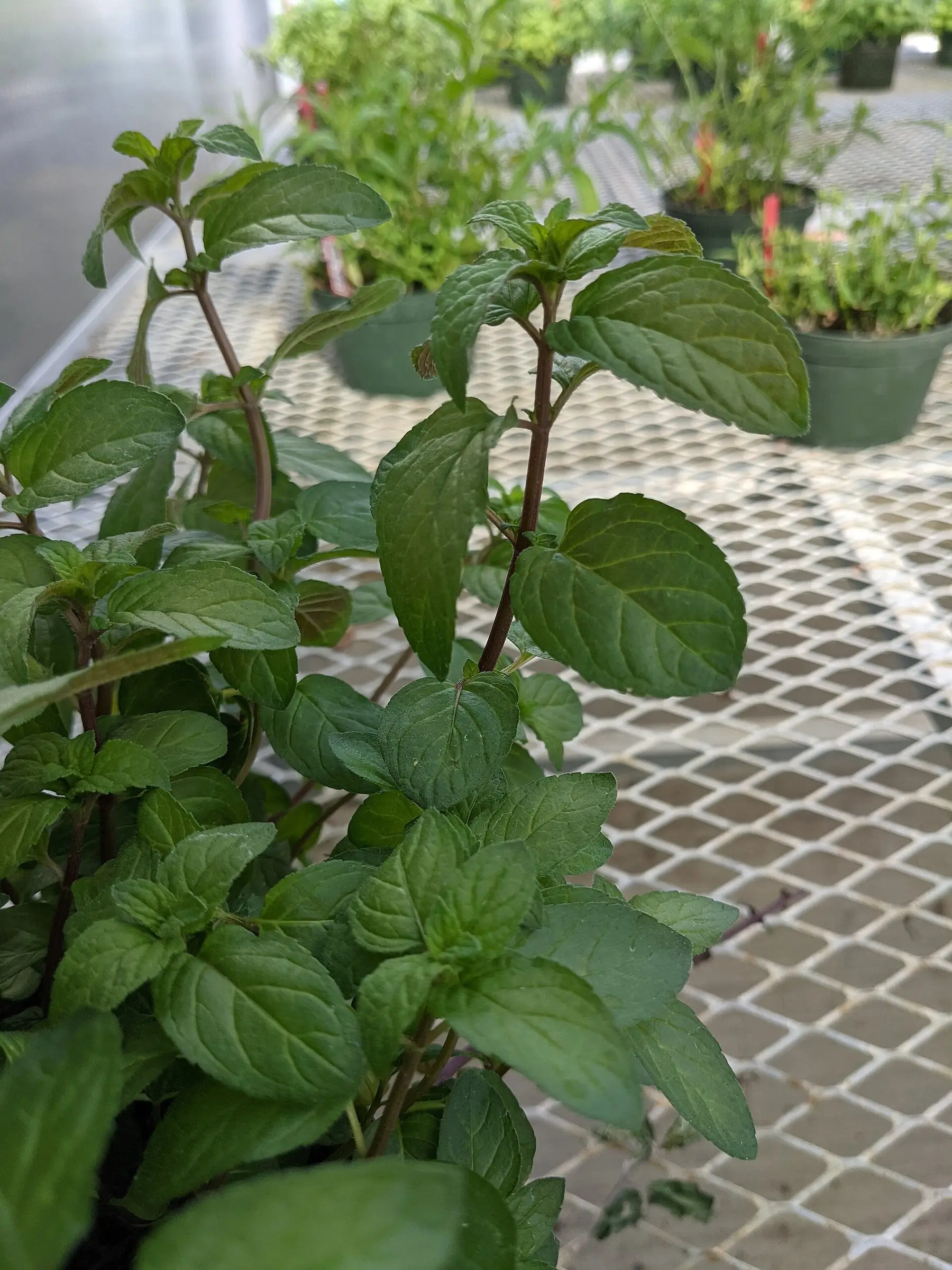
How to Grow Mint Without It Taking Over the Garden
Mint spreads by runners just under the surface and will colonise a bed in two seasons. Containment that actually works, and the pruning that keeps leaves tender.
How to Harvest Basil So the Plant Gets Bushier
Cut above a leaf pair, never strip the bottom leaves, and pinch the flowers. The harvesting method that doubles the size of a basil plant instead of ending it.