How to Store Cilantro So It Lasts More Than Two Days
Cilantro wilts fast because it is mostly water with thin leaves. The jar method, what actually freezes well, and why drying it is largely a waste.
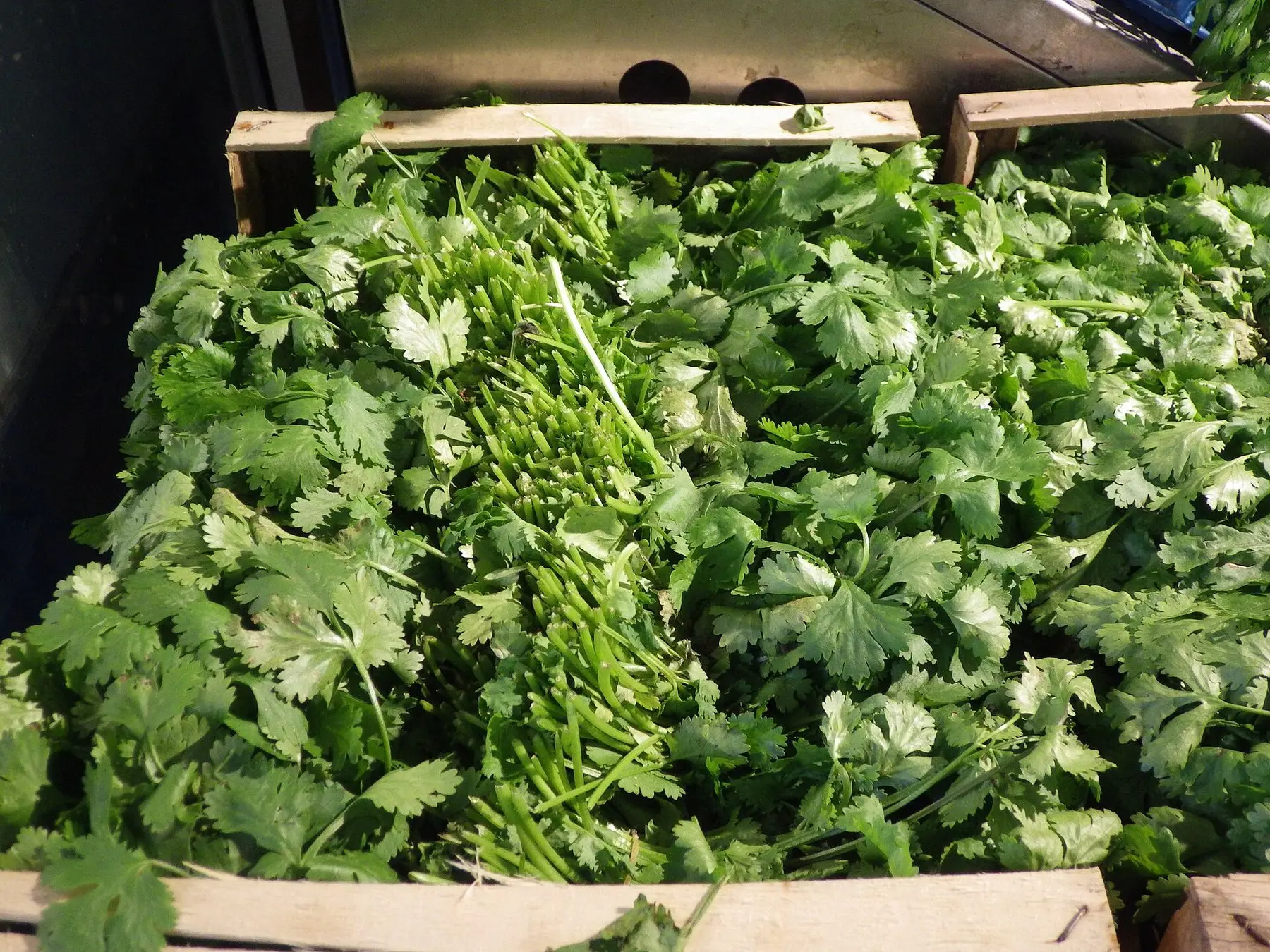
_Frische_B%C3%BCndel,_beim_T%C3%BCrken_in_MA--Josef_Schlaghecken.jpg)
On this page
Cilantro goes from fresh to slime faster than almost any other herb, and the reason is structural: the leaves are thin, the surface area is high, and the whole plant is mostly water.
Two things kill it in a fridge — losing water from the leaves, and surface moisture sitting on them. The storage method that works addresses both at once.
Why it wilts so fast
A cut stem keeps transpiring — losing water from the leaves — but has nothing to draw from. Within hours the leaves go limp.
Meanwhile, any water sitting on the leaves encourages bacterial breakdown, and cilantro’s thin leaf tissue collapses quickly once that starts. Hence the two rules that look contradictory and are not: water at the stems, dry at the leaves.
The jar method
- Do not wash it yet.
- Trim half an inch off the stem ends, at an angle. This reopens the vascular tissue, exactly as for cut flowers.
- Stand the bunch in a jar with an inch or two of cool water, leaves clear of the water.
- Cover loosely with a plastic bag over the top — this raises humidity around the leaves so they lose less water, without trapping condensation against them.
- Refrigerate.
- Change the water every two or three days, retrimming the stems each time.
Expect two to three weeks. The same method works for parsley, dill and mint.
Washing first is the usual mistake
Most people rinse a bunch as soon as they get home, and that is what produces the black slimy mess four days later. If you must wash it — because it is gritty from the garden — dry it properly first, in a salad spinner and then between kitchen towels. Damp is not dry enough.
The alternative: the damp towel roll
If a jar will not fit in your fridge, wrap the unwashed bunch loosely in a barely damp kitchen towel and put it in a partly open bag or container.
Not as good — expect around a week — but far better than the bag it came in.
Freezing
The right answer for a glut, and the only preservation method that keeps cilantro tasting like cilantro.
- Chop it — stems included, they carry plenty of flavour.
- Pack into an ice cube tray and top with olive oil (better for cooking) or water (better for soups and stews).
- Freeze, then transfer the cubes to a bag.
Around six months. The texture is completely destroyed, so this is a cooking ingredient rather than a garnish — but the cubes go straight from freezer into a hot pan, which is genuinely convenient.
Cilantro pesto or chutney freezes even better, and is worth making if you have a large harvest.
Why not to dry it
Cilantro’s flavour comes from volatile aromatic compounds — they evaporate along with the water. Dried cilantro leaf smells faintly of hay and tastes of very little, which is why it is one of the few herbs almost never sold dried.
Dry the seed instead. Let some plants bolt and set seed, cut the heads when brown, and dry them fully. Coriander seed is a completely different flavour — warm, citrusy, nutty — and it keeps its character for a year or more.
That turns bolting from a failure into a second crop.
Harvesting so the plant keeps going
Cut outer stems at the base, not across the top. New growth comes from the centre of the plant, so shearing the top removes the youngest leaves and leaves the oldest.
Never take more than about a third at once.
Sow every two or three weeks. Cilantro is a cool-season annual that bolts as soon as heat and long days arrive, and no amount of care prevents it — succession sowing is the only real answer. Slow-bolting varieties such as Calypso and Santo help, and part shade in summer helps more.
Once the tall central flower stalk appears, leaf production is effectively finished. Let it flower — the blooms are excellent for hoverflies and predatory wasps — and collect the seed.
Step by step
- Time
- PT10M
- Cost
- $0
- You need
- Fresh cilantro, A jar or glass, A plastic bag, Ice cube tray, for freezing
- Tools
- Sharp knife or scissors, Salad spinner or kitchen towel
Harvest or buy it at the right moment
Cut in the morning after dew has dried, when the leaves are fully turgid and the essential oils are highest. Take outer stems at the base rather than shearing the top, and never take more than a third of the plant at once.
Do not wash it until you use it
Surface moisture is what turns cilantro to slime in the fridge. If it must be washed, dry it thoroughly in a salad spinner or between towels first — genuinely dry, not damp.
Trim the stem ends
Cut half an inch off the bottom of the stems, at an angle, exactly as you would for cut flowers. This reopens the vascular tissue so the stems can take up water.
Stand it in a jar of water
Put an inch or two of cool water in a jar and stand the bunch in it, keeping the leaves themselves out of the water. Cover loosely with a plastic bag to slow moisture loss from the leaves.
Refrigerate, and change the water
Store in the fridge and change the water every two or three days, retrimming the stems each time. Expect two to three weeks this way, against two or three days loose in a bag.
Freeze the surplus in oil or water
Chop and pack into an ice cube tray, top with olive oil or water, and freeze. Frozen cilantro loses its texture entirely but keeps most of its flavour, and the cubes go straight into a hot pan.
Skip drying unless you have no alternative
Dried cilantro leaf loses almost all of its aroma, because the compounds responsible are volatile and go with the water. Dry the seed instead — coriander seed keeps its character for a year or more.
Common questions
What is the best way to keep cilantro fresh?
Can you freeze cilantro?
Does drying cilantro work?
How do you harvest cilantro so it keeps growing?
Why does my cilantro bolt so quickly?
Is cilantro the same as coriander?
Backyard Weekly
Know what to plant, week by week
Free planting calendar. Join the weekly email for seasonal jobs, fixes for what is going wrong, and gear worth buying.
Set MONETIZATION.email.endpoint in src/config/site.ts to enable this form.
By subscribing you agree to our privacy policy. Grow In Backyard will never sell your address.
Keep reading
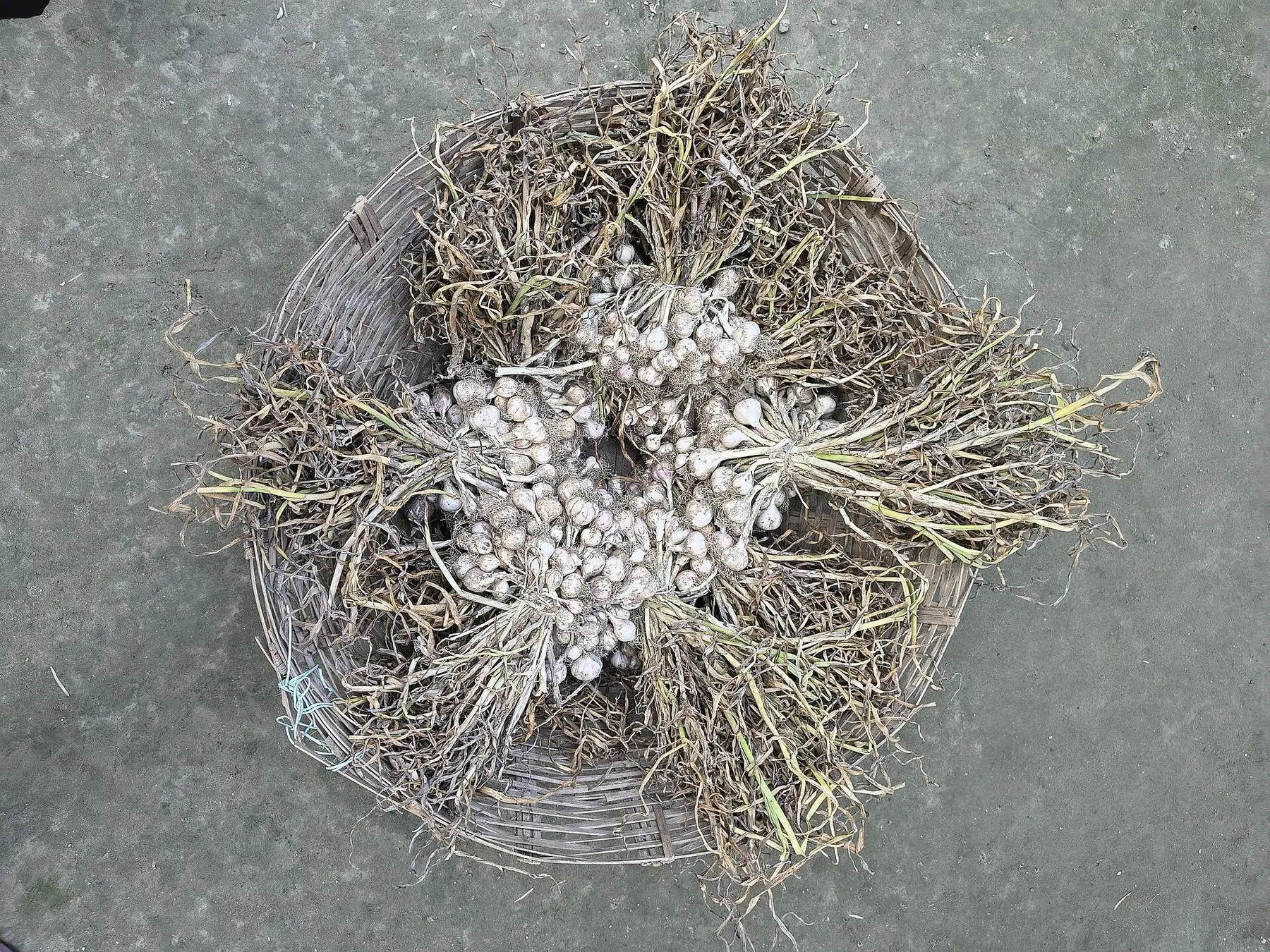
When to Harvest Garlic (Count the Brown Leaves)
Garlic is ready when three or four lower leaves have browned and five or six are still green — usually July. How to read the plant and test before you dig.
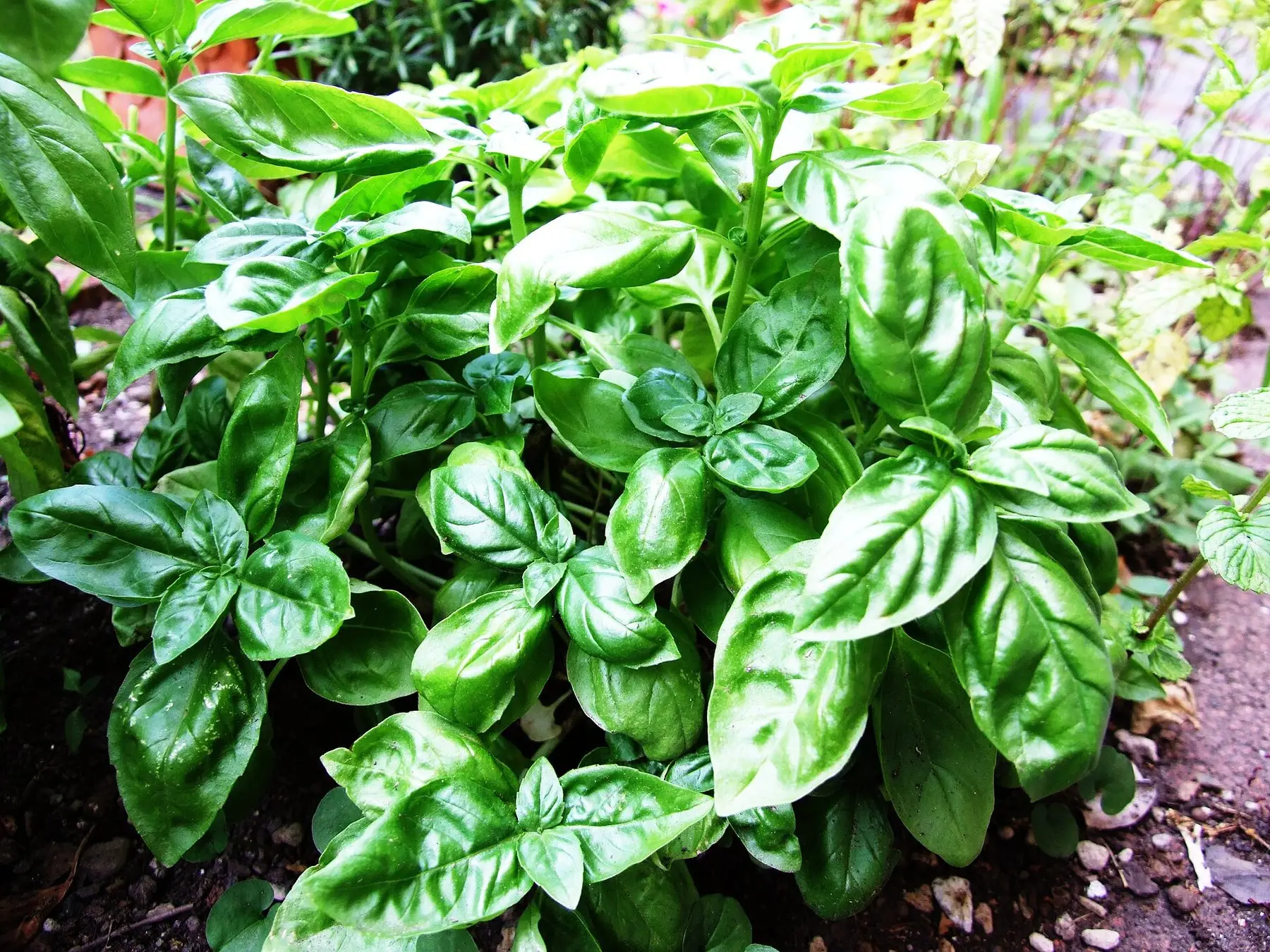
How to Grow Basil: Pinch It Early, Pinch It Often
Basil is easy to grow and easy to lose to one mistake — letting it flower. How to sow it, where to put it, and the pinching routine that keeps it producing.
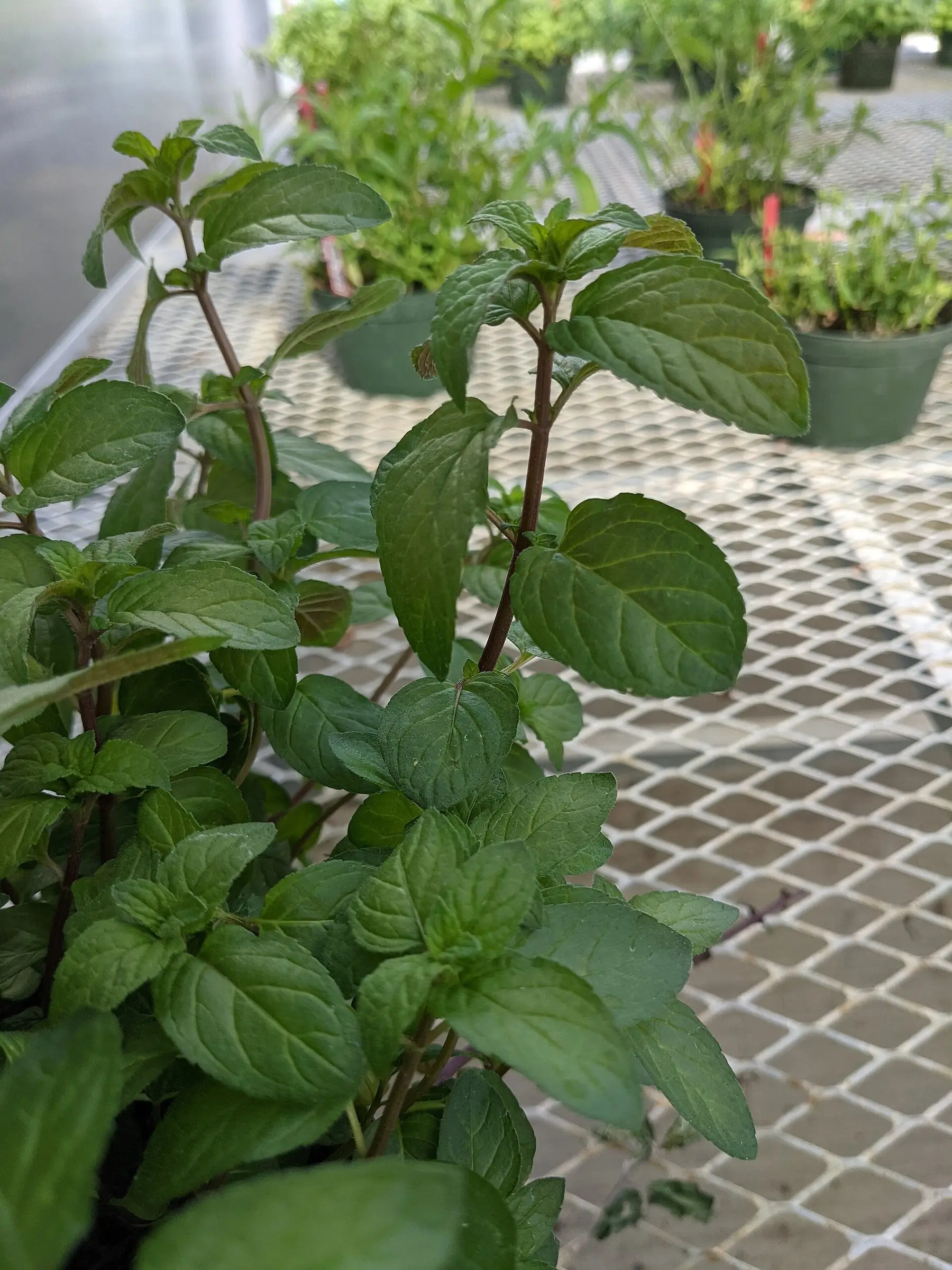
How to Grow Mint Without It Taking Over the Garden
Mint spreads by runners just under the surface and will colonise a bed in two seasons. Containment that actually works, and the pruning that keeps leaves tender.
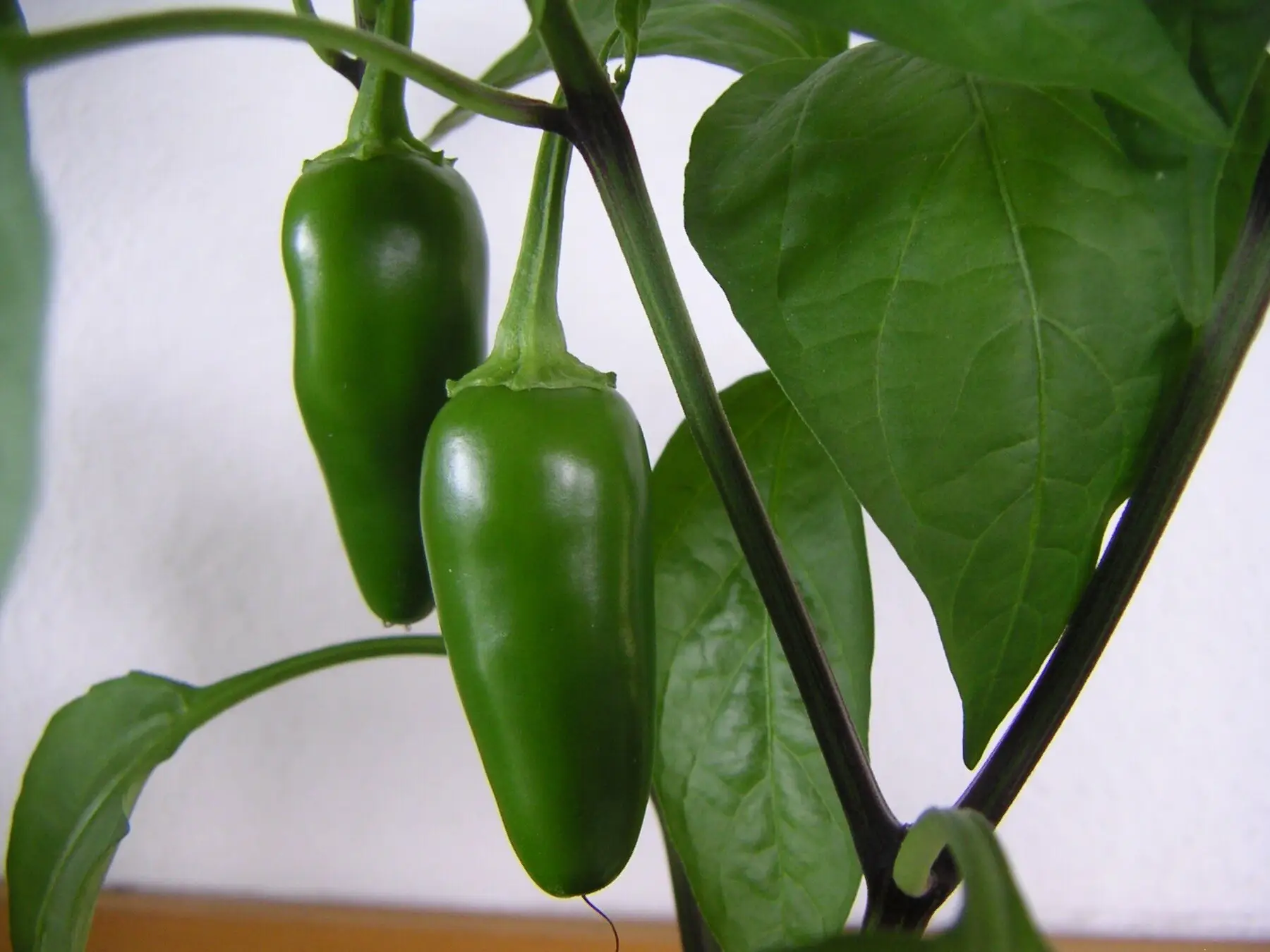
When to Pick Jalapeños: Green, Red, and Corked
Pick green at full size and firm for classic heat, or leave them to red for sweetness. What the white corking lines mean, and why picking gives you more.