When to Harvest Garlic (Count the Brown Leaves)
Garlic is ready when three or four lower leaves have browned and five or six are still green — usually July. How to read the plant and test before you dig.
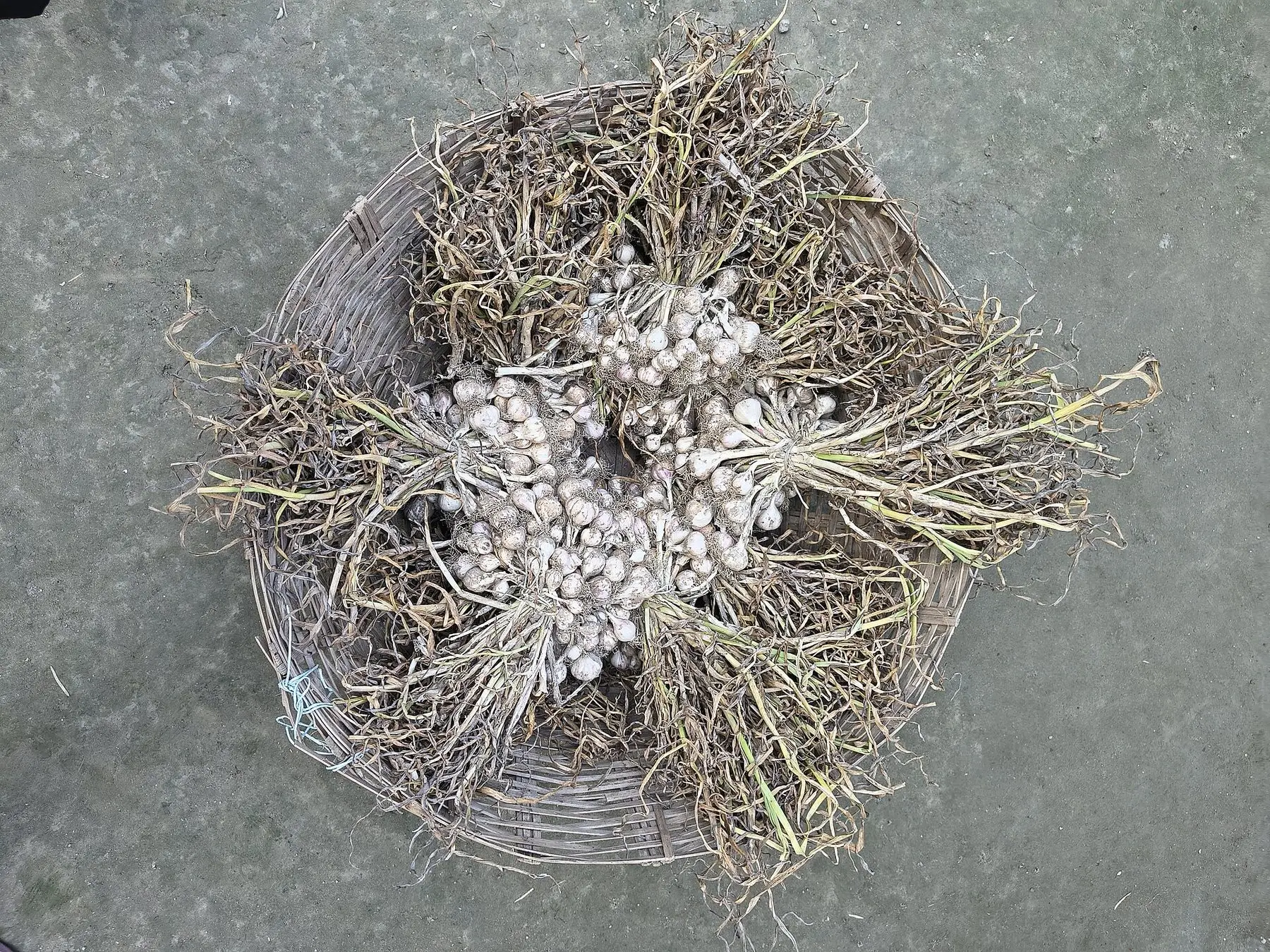
,_Kurigram,_Bangladesh.jpg)
On this page
Garlic gives you a fairly narrow window. Lift it two weeks early and the bulbs are small and will not cure; two weeks late and the wrappers have split and it will not store. Fortunately the plant tells you exactly where it is, if you know what to count.
Why leaves are the signal
Every leaf on a garlic plant connects to one wrapper layer around the bulb underground. As the season ends the plant sacrifices its lower leaves first, and each one that browns is a wrapper that has already broken down.
That is the whole logic of the harvest window. Lift with five or six green leaves and the bulb has five or six intact wrappers protecting it — that is what gives you months of storage. Leave it until only one or two are green and the bulb is left effectively naked in the soil, where it splits, picks up dirt between the cloves, and rots within weeks of coming out.
Check in the morning
Count the leaves early in the day. In hot afternoons garlic leaves wilt and discolour temporarily, which makes the plant look further along than it is.
Timing by zone
| Zone | Typical harvest | Stop watering |
|---|---|---|
| 3–4 | Late July – August | Mid July |
| 5–6 | July | Late June |
| 7 | Late June – July | Mid June |
| 8–9 | June | Late May |
| 10+ | May – June | Early May |
Hardneck varieties generally come out one to two weeks before softnecks in the same bed, so do not assume the whole patch is ready at once.
Dig one test bulb first
Before you lift the bed, sacrifice a single plant from the middle of it — not the edge, where growing conditions differ.
Loosen the soil with a fork and lift the bulb. You are looking for three things:
- Plump, defined cloves that fill the skin, with clear divisions you can feel through the wrapper.
- Wrappers still intact and closed over the whole bulb.
- A firm neck, not soft or hollow.
If the cloves are still fused into a single mass with no clear divisions, give it another week and test again. If the wrappers are already splitting, harvest everything immediately.
Never pull garlic out by the stem
The stem separates from the bulb far more easily than you expect, especially in dry soil — and a bulb without its stem cannot cure. Always loosen with a fork several inches away from the plant first, then lift by hand from underneath.
Straight after lifting
Do not wash the bulbs, and do not leave them lying in the sun — garlic scorches surprisingly fast and scorched cloves go soft.
Brush off the loose soil with your hand, leave roots and stems attached, and move the whole plants somewhere dry, shaded, and airy to cure for two to four weeks. Once the necks are papery all the way through, trim and store them somewhere dark at 55–65°F.
The full cycle from planting to storage is covered in our complete guide to growing garlic.
Common questions
What month is garlic ready?
What happens if I harvest garlic too late?
What happens if I harvest too early?
Should I water garlic before harvesting?
Can I harvest garlic after the leaves have all died?
Backyard Weekly
Know what to plant, week by week
Free planting calendar. Join the weekly email for seasonal jobs, fixes for what is going wrong, and gear worth buying.
Set MONETIZATION.email.endpoint in src/config/site.ts to enable this form.
By subscribing you agree to our privacy policy. Grow In Backyard will never sell your address.
Keep reading
How to Grow Garlic: Plant in Fall, Harvest in July
Garlic is the easiest crop in the garden if you plant it at the right time. Here is the full cycle — choosing bulbs, planting depth, mulch, scapes, and harvest.
When to Pick Jalapeños: Green, Red, and Corked
Pick green at full size and firm for classic heat, or leave them to red for sweetness. What the white corking lines mean, and why picking gives you more.
How to Store Garlic So It Keeps Until Next Summer
Cured garlic keeps six to ten months in a dark, dry, airy spot at room temperature. Why the fridge ruins it, and what to do with a bulb that has sprouted.
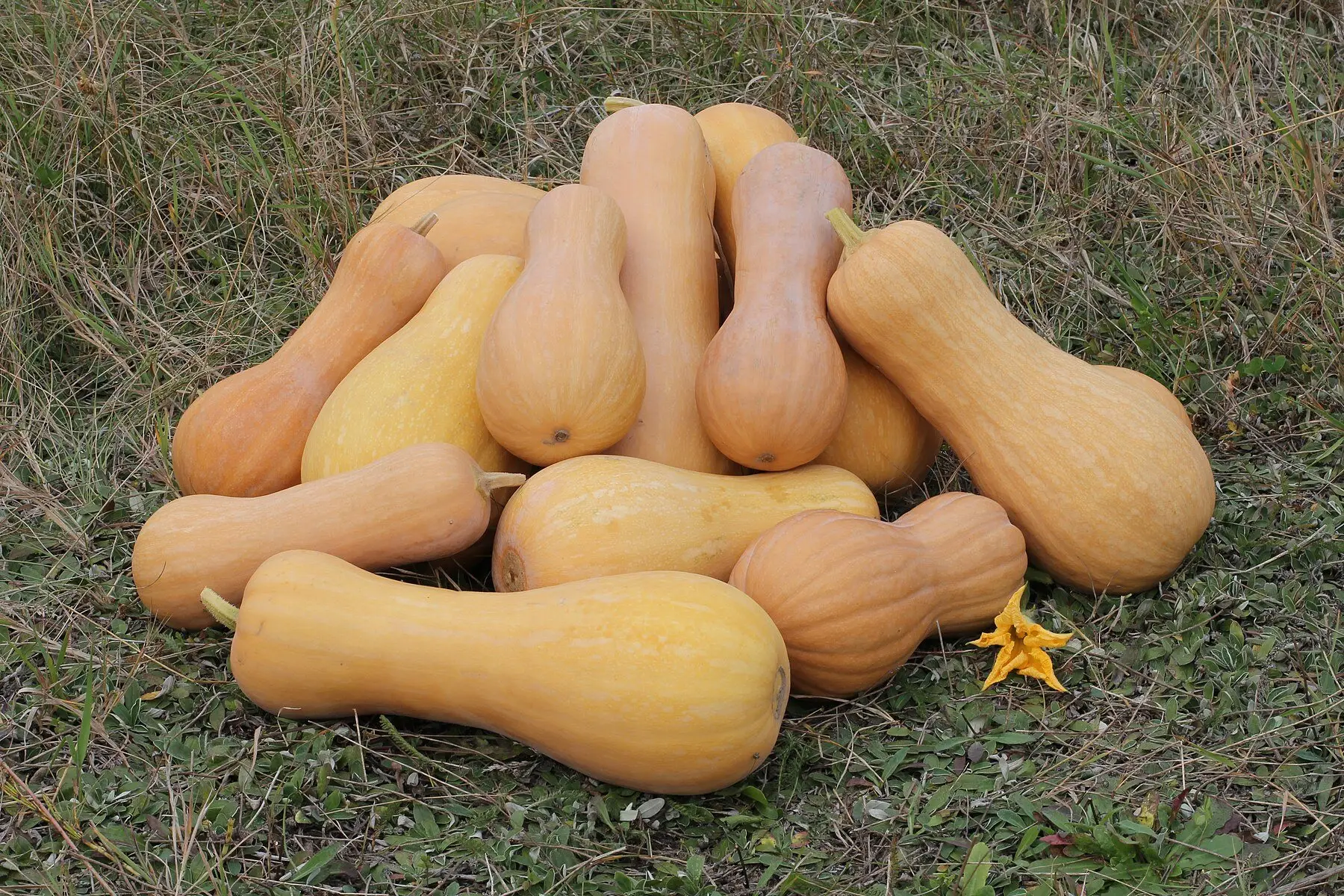
When to Harvest Butternut Squash: Three Signs, Not One
Butternut picked early never sweetens and never keeps. The colour, the stem and the fingernail test, plus the curing that turns it from starchy to sweet.