
When to Harvest Okra: The Three-Day Window That Decides It
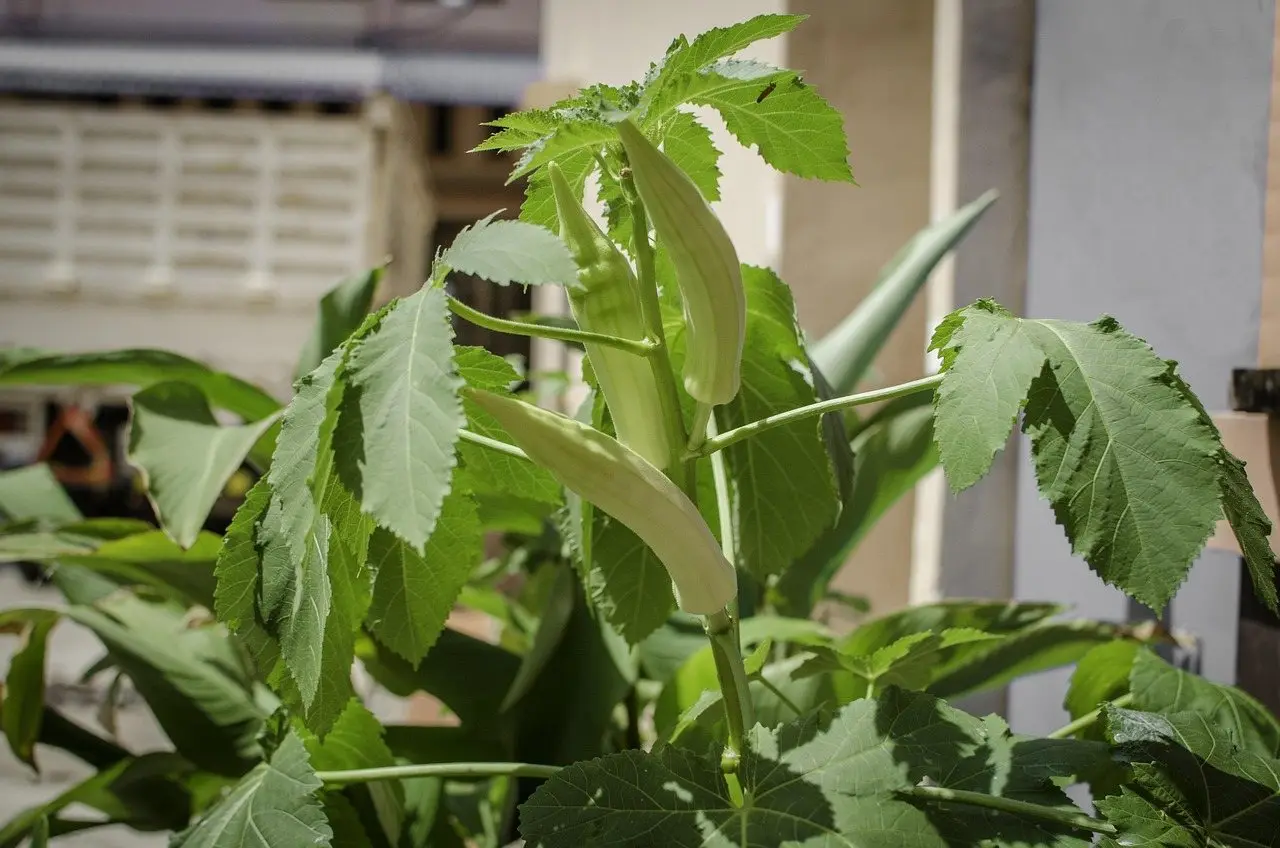
Pick pods at 2–4 inches, every day or two. Past about four days they turn woody, and leaving one on the plant slows everything that follows.
 By
On this page
Two to four inches, every day or two. The gap between perfect and woody can be as short as two days in real heat.
The window
| Size | State |
|---|---|
| Under 2 in | Fine to eat, but you are giving up yield for nothing |
| 2–4 in | The target. Tender, snaps cleanly |
| 4–5 in | Borderline. Some varieties still good, most turning |
| Over 5 in | Woody. No cooking method rescues it |
Variety matters at the margins — some long-podded types stay tender to six inches — but the thumbnail test beats any ruler. If the tip does not snap off cleanly, the pod is past it.
One forgotten pod costs you more than one pod
Okra sets fruit as long as it believes it has not yet reproduced. A pod allowed to mature is the plant’s signal that the job is done, and new flower production slows accordingly.
Pick everything, every time, including the ones that got away. Compost the oversized ones rather than leaving them on the plant.
Picking without the rash
Most okra varieties carry fine spines on pods and leaves that cause an itchy, nettle-like reaction.
- Gloves and long sleeves, every time
- Early morning, before the heat
- Scissors or secateurs, leaving a short stem stub
- Never tug — the branch tears
- Spineless varieties (Clemson Spineless and similar) are far more pleasant, though even those can irritate
Saving seed
Leave two or three of the best pods on the healthiest plants to mature fully. They will become large, hard and brown, and eventually split.
Let them dry on the plant, open them over a bowl, and store the seed somewhere cool and dry. That costs you a few pods from those plants and nothing from the rest.
Common questions
When should okra be harvested?
How do I know if okra is too old to eat?
How often should I pick okra?
Does okra need gloves to harvest?
What time of day is best to pick okra?
Backyard Weekly
Know what to plant, week by week
Join the weekly email for seasonal jobs, fixes for what is going wrong, and gear worth buying.
Not ready to subscribe? The planting calendar is free and needs no email.
By subscribing you agree to our privacy policy. Grow In Backyard will never sell your address.
Keep reading
When to Harvest Radish: Pull at 1 Inch, Not by the Calendar
Most salad radishes are ready 3–4 weeks from sowing, at about an inch across. Left longer they go pithy and hot — and the leaves tell you nothing.
When to Harvest Spinach: Cut-and-Come-Again vs One Cut
Baby leaves at 3–4 weeks, full leaves at 6–8. Picking outer leaves keeps a plant going for weeks — until it bolts, which heat decides, not you.
How to Dry Garlic: Curing It So It Keeps Until Spring
Curing takes two to four weeks in shade with moving air. Get it right and hardneck keeps six months, softneck ten. Get it wrong and it rots by October.
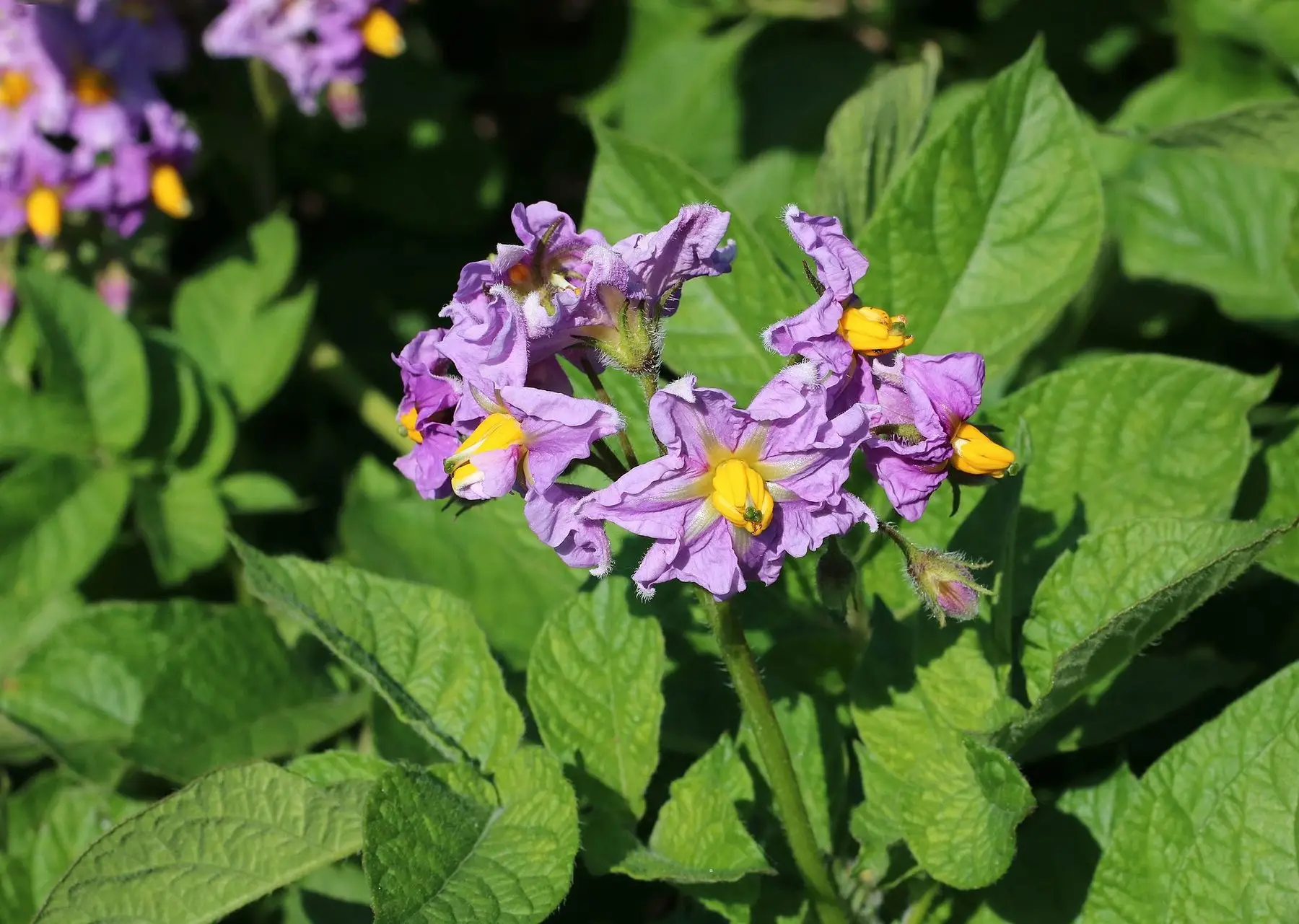
When to Harvest Potatoes: Two Crops From One Plant
New potatoes come at flowering; storage potatoes need the tops to die back first. How to tell which stage you are at, and how to cure them so they keep.