
How to Propagate Lavender From Cuttings (Free Plants)
Semi-ripe cuttings in summer root in three to six weeks with no special equipment. Which stems to take, why gritty compost matters, and what not to do.
 By
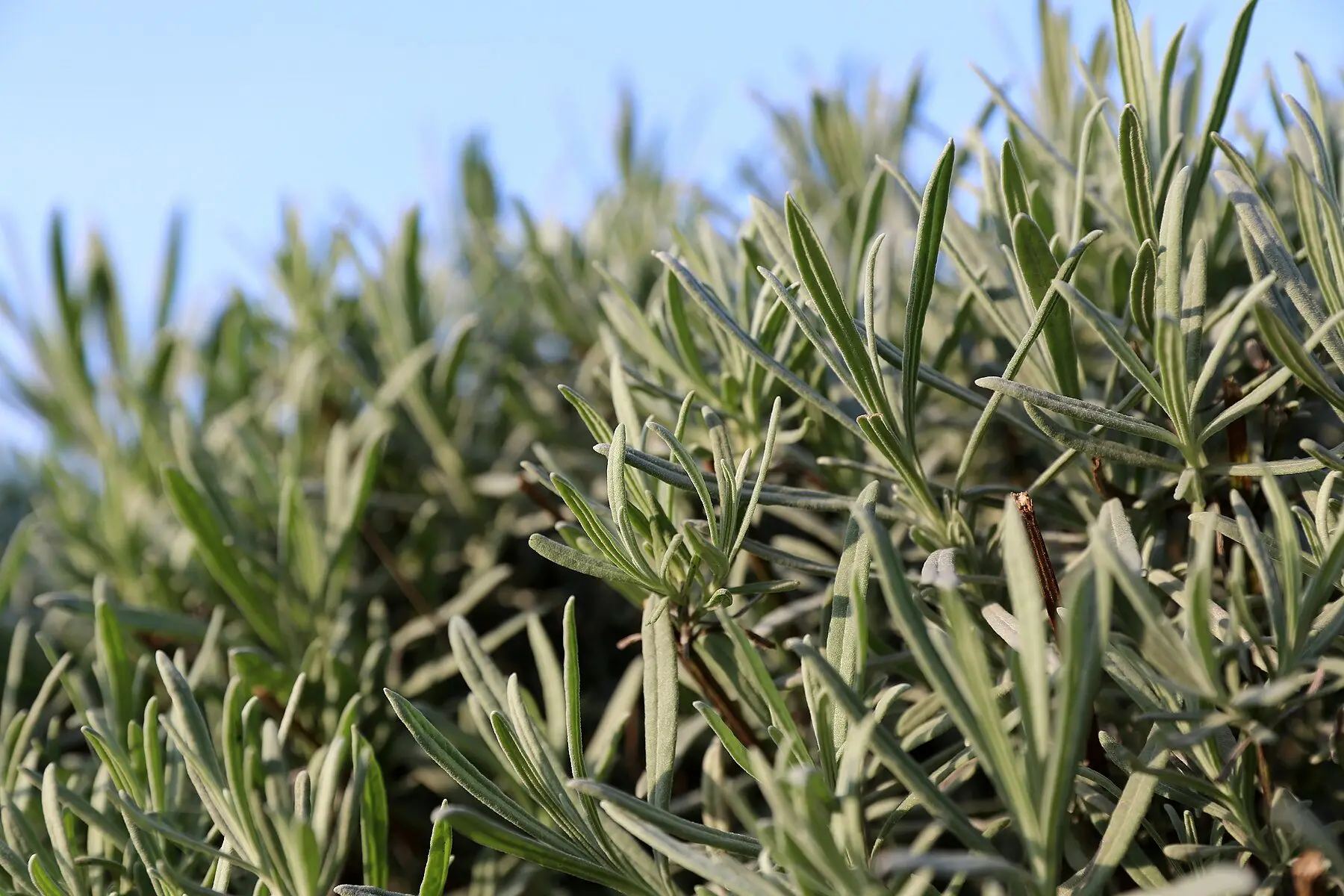

On this page
Lavender is one of the easiest plants to propagate, and a good one to practise on: it is short-lived — sprawling and woody after five or six years — so you want replacements coming through anyway.
A ten-minute job in July produces a dozen plants that would cost real money in a nursery.
Choosing the material
The shoot you pick matters more than anything else you do.
| Type | When | Reliability |
|---|---|---|
| Softwood | Late spring | Roots fast, rots easily |
| Semi-ripe | Early to late summer | The best balance — use this |
| Hardwood | Autumn to winter | Slow, lower strike rate |
Semi-ripe means firm and slightly woody at the base, still flexible and green at the tip. Bend one: it should resist, then give, without snapping cleanly.
Avoid anything carrying flower buds. A cutting that is trying to flower is spending its reserves on that rather than on roots. If all you have is flowering stems, pinch the buds off and take the cutting anyway — it just takes longer.
The method
1. Cut in the morning, when the plant is fully hydrated. Take 3–4 inch shoots, cutting just below a leaf node — auxin concentrations are highest there, and that is where roots form.
2. Strip the lower two thirds of leaves. Anything left below the compost surface rots, and the rot travels up the stem. Leave three or four pairs at the tip.
3. Rooting hormone, optionally. Lavender roots without it. Hormone speeds it up and helps with older, woodier material.
4. Gritty compost. Half potting compost, half perlite or sharp sand. This is not optional in the way the hormone is — ordinary potting mix holds far too much water.
5. Insert around the edge of the pot, about a third of the stem’s length in. The edge drains and warms best. Six to eight cuttings fit comfortably in a 5-inch pot.
6. Water once, thoroughly, and let it drain.
7. Cover loosely. A clear bag propped off the leaves with sticks, or a propagator with the vent open. Bright shade — never direct sun under plastic.
The mistake is always too much water
Most cuttings want high humidity. Lavender is Mediterranean and resents it: sealed bags and constantly damp compost kill far more lavender cuttings than drought does. If you see condensation sitting on the leaves, open it up.
Afterwards
Three to six weeks in summer. Test with a gentle tug — resistance means roots. Repeatedly pulling cuttings up to inspect them breaks the fine new roots and costs you more time than waiting would.
Once rooted: pot on individually into gritty compost, harden off gradually over a week or two, and pinch the tips to encourage bushy growth rather than one leggy stem.
First winter: keep young plants under cover — a cold frame or unheated greenhouse — in anything colder than about zone 7. They are far more vulnerable in their first year than an established plant.
Plant out the following spring, into full sun and soil that drains sharply.
Seed, and why not to bother
Seed is slow, erratic, often needs cold stratification, and takes weeks to germinate.
More importantly, named cultivars do not come true from seed. Seedlings from a Hidcote are not Hidcote — they are a lottery of the species. If you want the plant you already have, take a cutting. Seed is for species lavender, or for someone who enjoys the gamble.
Step by step
- Time
- PT45M
- Cost
- $10
- You need
- A healthy lavender plant, Gritty, free-draining compost — potting mix cut with perlite or sharp sand, Small pots or a seed tray, Rooting hormone, optional
- Tools
- Sharp, clean secateurs or a craft knife, Clear bag or propagator lid
Take cuttings in the right window
Late spring to late summer. Semi-ripe cuttings — firm at the base, still soft at the tip — root most reliably. Avoid stems carrying flower buds; the plant puts its energy there instead of into roots.
Cut 3 to 4 inch non-flowering shoots
Take them in the morning while the plant is turgid. Cut just below a leaf node, where the concentration of rooting hormones is highest.
Strip the lower two thirds of leaves
Any leaf left below the compost line rots and takes the cutting with it. Leave three or four pairs at the tip and remove the rest cleanly.
Dip in rooting hormone if you have it
Optional — lavender roots readily without it, but hormone speeds things up and improves the strike rate on older, woodier material.
Insert into gritty compost
Half potting compost, half perlite or sharp sand. Push cuttings in around the edge of the pot to about a third of their length, firm gently, and water once.
Cover loosely, in bright shade
A clear bag held off the leaves, or a propagator lid with the vent open. Lavender hates stagnant humidity — unlike most cuttings, too much moisture kills more of them than too little.
Wait three to six weeks, then check
A gentle tug that meets resistance means roots. Pot on individually once rooted, harden off gradually, and keep the first winter under cover in a cold climate.
Common questions
When is the best time to take lavender cuttings?
Can you root lavender in water?
How long does lavender take to root?
Why do my lavender cuttings keep rotting?
Should I grow lavender from seed instead?
How many cuttings should I take?
Backyard Weekly
Know what to plant, week by week
Join the weekly email for seasonal jobs, fixes for what is going wrong, and gear worth buying.
Not ready to subscribe? The planting calendar is free and needs no email.
By subscribing you agree to our privacy policy. Grow In Backyard will never sell your address.
Keep reading
How to Grow Lavender: Drainage, Sun, and Almost Nothing Else
Lavender dies of wet feet and kindness, not cold. Which species suits your winter, why you plant it in poor soil, and the spacing that prevents rot.
How to Prune Lavender — 3 Cuts, Never Into Old Wood
How to prune lavender: cut back into green growth, never old wood. 3 tools cover the main cut and the shaping. See which you already own.
How to Grow Rosemary: Drainage First, Water Almost Never
Rosemary is killed by wet roots far more often than by cold. Soil, siting, the pruning rule that avoids dead patches, and overwintering in a cold climate.
How to Prune Bee Balm for More Flowers and Less Mildew
Bee balm needs thinning in spring, the Chelsea chop in late May, and deadheading through summer. The cuts that prevent powdery mildew rather than treat it.