
How to Prune Bee Balm for More Flowers and Less Mildew
Bee balm needs thinning in spring, the Chelsea chop in late May, and deadheading through summer. The cuts that prevent powdery mildew rather than treat it.
 By

On this page
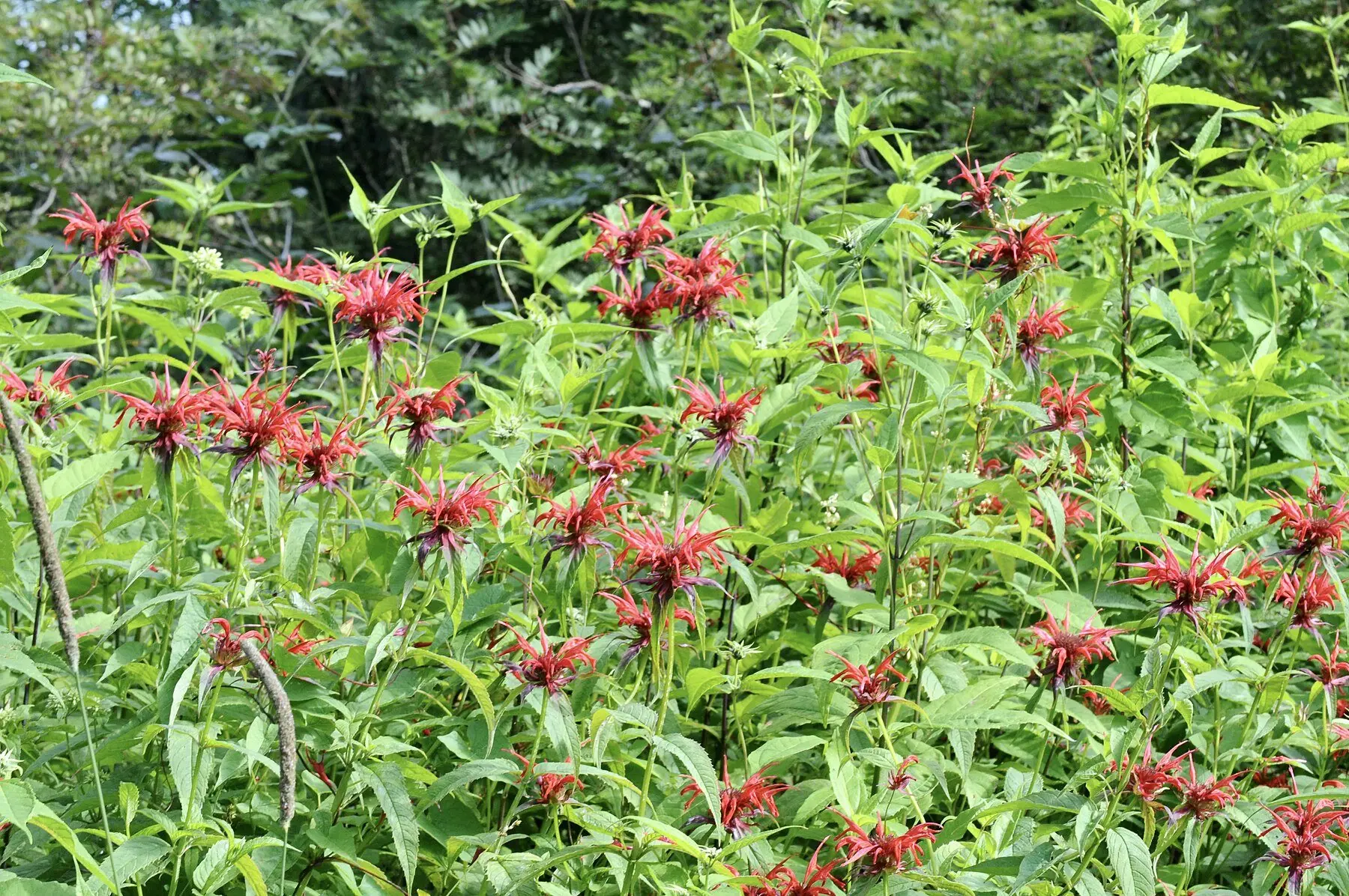
Bee balm — Monarda — responds to pruning more visibly than almost any other perennial. Get it right and you gain a longer flowering season and far less powdery mildew. Get it wrong and you have a congested, bare-centred clump covered in white by July.
Most of the work is about airflow, which is a pruning job rather than a spraying one.
The year, in four passes
| When | Cut | Why |
|---|---|---|
| Early spring, shoots a few inches | Remove ~⅓ of weak stems at ground level | Airflow. Prevents mildew |
| Late May | Cut clump back by ⅓ — the Chelsea chop | Bushier, sturdier, more flowers, later |
| Through summer | Deadhead to first healthy leaves | Second flush; stops self-seeding |
| Autumn or spring | Cut to ground | Depends on mildew — see below |
Spring thinning, which does the most work
As new shoots reach a few inches, take out roughly a third — the thinnest and weakest, cut at ground level. Keep the strongest and the best spaced.
Two things happen:
- Air moves through the clump. Powdery mildew needs still, humid air among crowded stems, and this is what removes it.
- The remaining stems get more of everything, so they flower better.
It feels destructive in April and it is the difference between a good plant and a white one in July.
The Chelsea chop
Cut the whole clump back by about a third in late May. The plant responds with shorter, sturdier, bushier growth, more flowering stems, and blooms a couple of weeks later than usual.
Chop only the front half
Cut the front half of the clump and leave the back at full height. The back flowers on schedule, the front follows two or three weeks later, and the display runs several weeks longer than it otherwise would.
The same trick works on sedum, phlox, helenium and asters.
Deadheading properly
Cut back to the first set of healthy leaves, or to a side bud — not just the spent head.
- Prompts a second flush from lower buds
- Keeps the plant looking presentable, since spent Monarda heads go brown and scruffy
- Stops seed forming, which matters more than it sounds: named cultivars do not come true from seed, so self-seeding gradually replaces your chosen variety with plainer offspring
Powdery mildew: prevent, do not treat
Bee balm is famously prone to it. Pruning and siting beat any spray.
What actually works:
- Thin a third of the stems every spring
- Divide every 2–3 years — congestion is the underlying cause
- Space plants 18 to 24 inches apart
- Full sun with air movement, not a sheltered corner
- Water at the base, never over the foliage
- Never water in the evening. Leaves wet overnight is exactly what the fungus needs
- Choose a resistant cultivar — Jacob Cline, Marshall’s Delight, Raspberry Wine
When it appears anyway: cut affected stems out at the base and bin them, do not compost. Do not shear the whole plant in a panic — remove the worst and open up the rest.
The autumn decision
| Plant was… | Do this | Because |
|---|---|---|
| Healthy | Leave stems standing until spring | Seedheads feed goldfinches; hollow stems shelter overwintering insects |
| Mildewed | Cut to the ground in autumn, remove debris | Spores overwinter in the material — take them away |
Tidiness is not the deciding factor. Wildlife value in one case, hygiene in the other.
Dividing
Bee balm spreads by runners and goes bare and woody in the middle within a few years. A congested clump flowers poorly and holds mildew.
- Every two to three years, in early spring or autumn
- Lift the clump, discard the woody centre
- Replant vigorous outer sections 18 to 24 inches apart
- Water in well, and mulch
It spreads — plan for that
Monarda is in the mint family and it runs. In a mixed border it will colonise, so either give it room, plant it where spreading is welcome, or sink a barrier. Dividing every couple of years doubles as the control method, which is convenient — the maintenance job and the containment job are the same job.
Step by step
- Time
- P240D
- Cost
- $0
- You need
- Compost or mulch
- Tools
- Clean, sharp secateurs, Garden fork for dividing
Thin the clump in early spring
As new shoots reach a few inches, cut out roughly a third of the thinnest and weakest stems at ground level, keeping the strongest and best spaced. This is the single most effective thing you can do about powdery mildew, because the disease thrives in stagnant air inside a congested clump. A thinned plant flowers better too, since resources go into fewer, stronger stems.
Take the Chelsea chop in late May
Cut the whole clump back by about a third, or cut only the front half and leave the back at full height. The plant responds with bushier growth, more flowering stems and a bloom period shifted a couple of weeks later. Cutting only part of the clump gives two waves of flower rather than one, which extends the display by several weeks.
Deadhead through summer
Cut each spent flowerhead back to the first set of healthy leaves or to a side bud, rather than snipping just the dead head off. This prompts a second flush from lower buds, keeps the plant looking presentable and stops seed forming, which matters because most named cultivars do not come true from seed and the seedlings revert to plainer forms.
Cut out mildewed growth as it appears
Remove affected stems at the base as soon as white powdery patches show, and bin them rather than composting. Do not shear the whole plant back in a panic — take the worst stems and improve the airflow. Water at the base rather than over the foliage, and never water in the evening, because leaves that stay wet overnight are what the disease needs.
Decide whether to cut back in autumn
Leave the stems standing through winter if the plant was healthy, because the seedheads feed goldfinches and the hollow stems shelter overwintering insects. If the plant had significant mildew, cut it to the ground in autumn instead and remove the debris, which takes the overwintering spores away with it. Health beats tidiness in the first case and hygiene wins in the second.
Divide every two to three years
Lift the clump in early spring or autumn, discard the woody, unproductive centre and replant the vigorous outer sections about 18 to 24 inches apart. Bee balm spreads by runners and becomes congested and bare in the middle within a few years, and a congested clump is both a poorer flowerer and a mildew factory. Division is maintenance, not rescue.
Common questions
How do you prune bee balm?
When should I cut back bee balm?
How do I stop bee balm getting powdery mildew?
What is the Chelsea chop on bee balm?
Does deadheading bee balm make it flower again?
Should I cut bee balm to the ground for winter?
Backyard Weekly
Know what to plant, week by week
Join the weekly email for seasonal jobs, fixes for what is going wrong, and gear worth buying.
Not ready to subscribe? The planting calendar is free and needs no email.
By subscribing you agree to our privacy policy. Grow In Backyard will never sell your address.
Keep reading
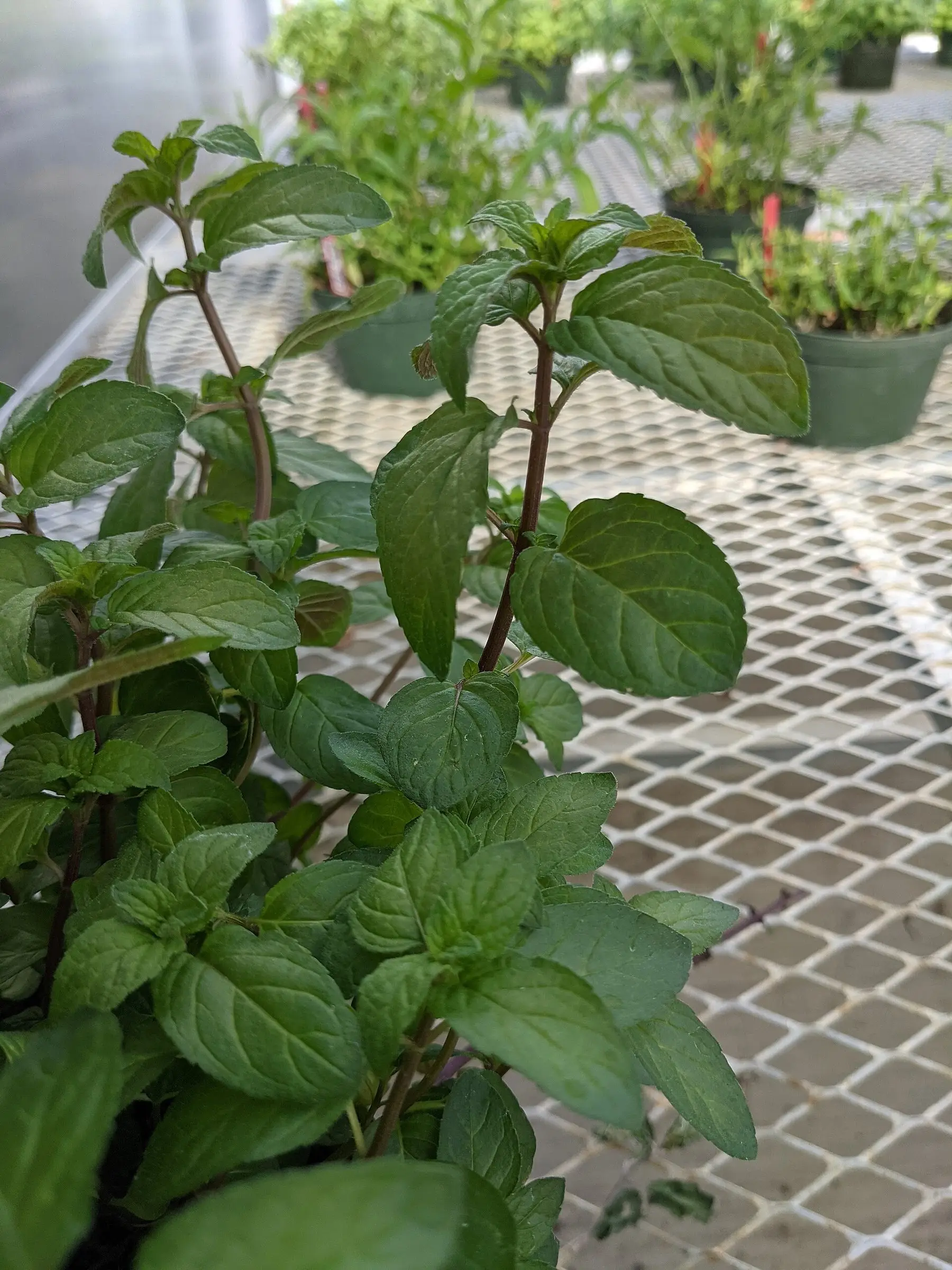
How to Grow Mint Without It Taking Over the Garden
Mint spreads by runners just under the surface and will colonise a bed in two seasons. Containment that actually works, and the pruning that keeps leaves tender.
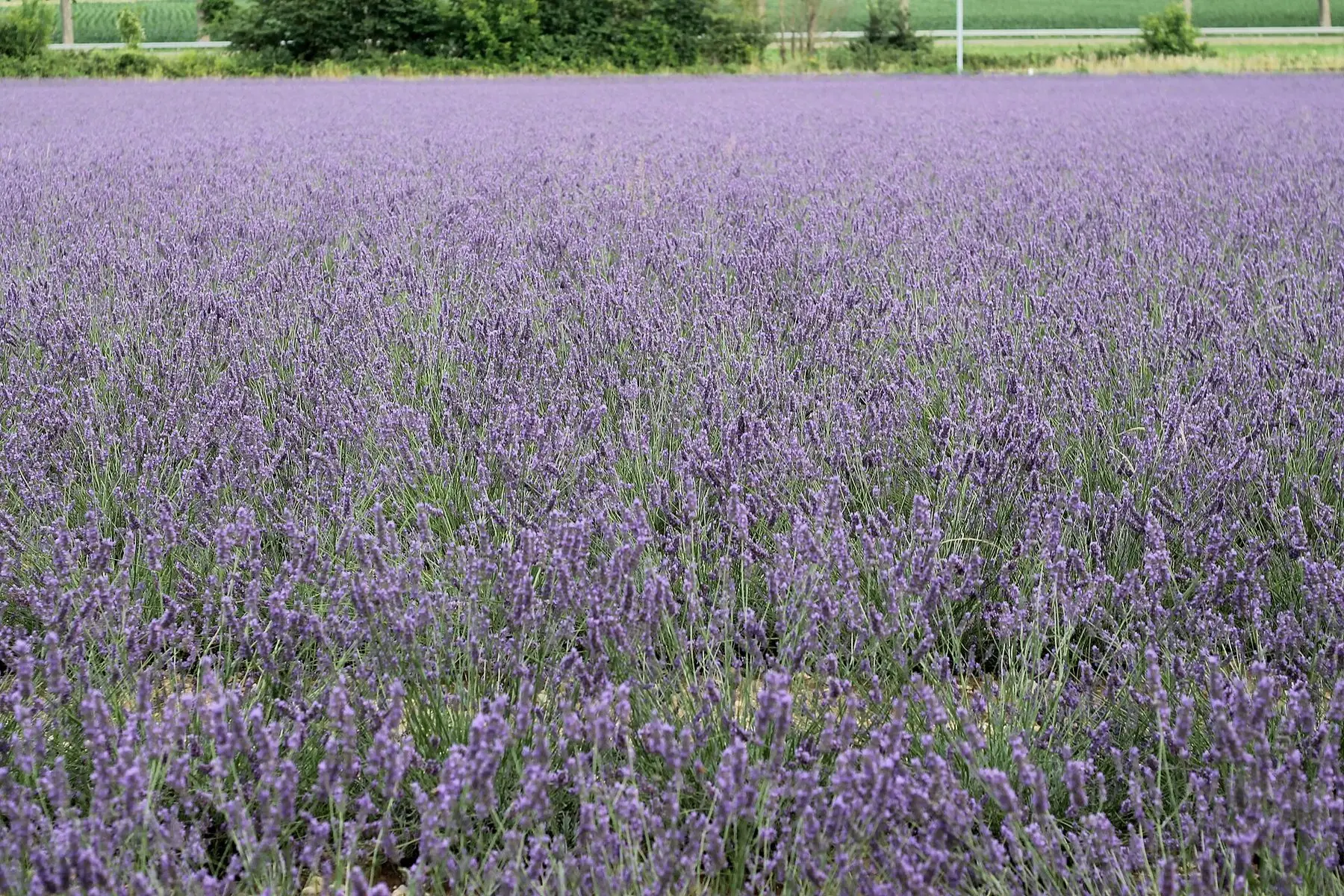
How to Prune Lavender — 3 Cuts, Never Into Old Wood
How to prune lavender: cut back into green growth, never old wood. 3 tools cover the main cut and the shaping. See which you already own.
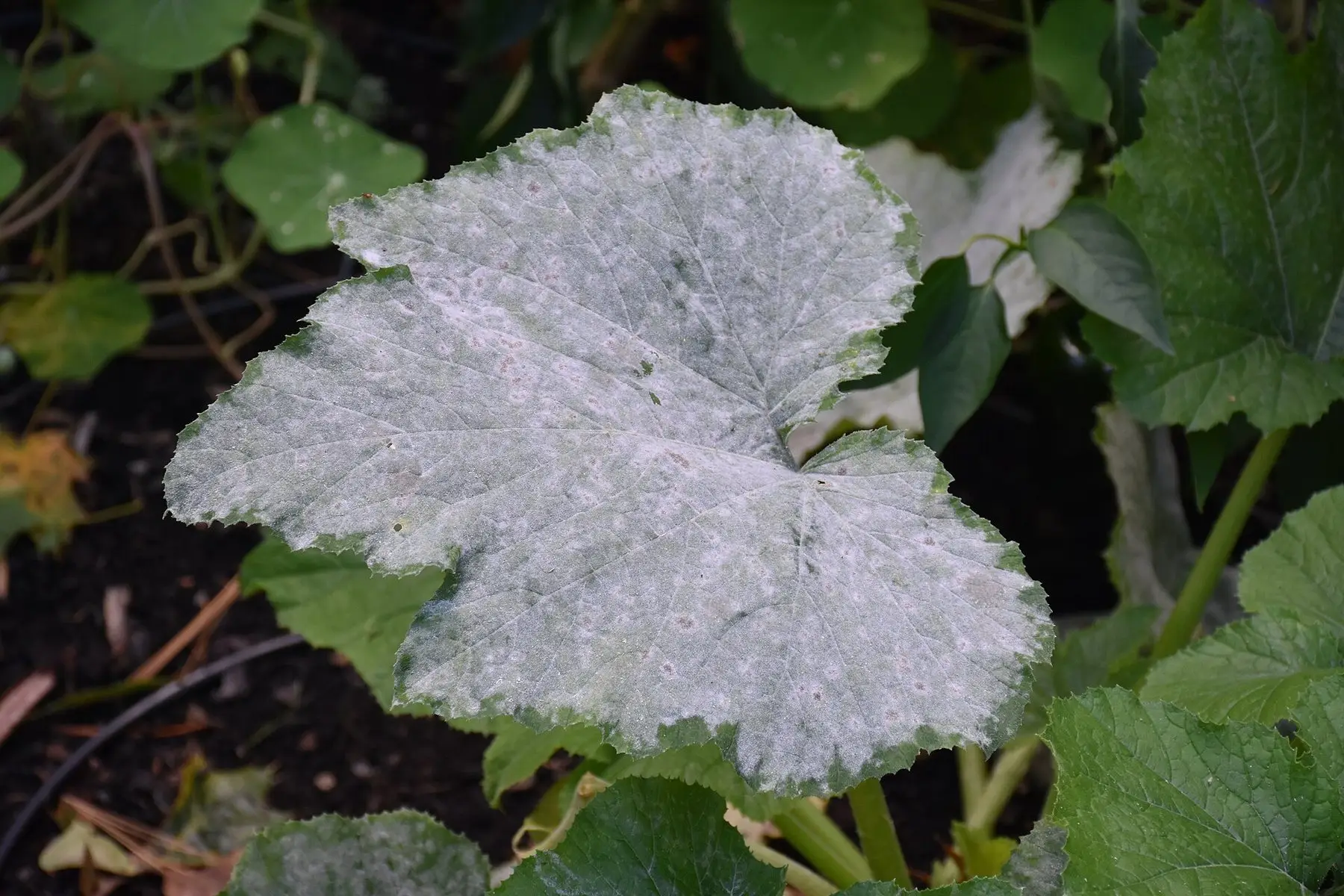
Powdery Mildew: Why It Spreads and What Actually Stops It
Powdery mildew is the one fungus that does not need wet leaves — it thrives in humid air and dry foliage. How to spot it early and what treatments hold up.
How to Prune Cilantro: Cutting Outer Stems Delays Bolting
Take outer stems at the base, never the centre. It buys a few weeks — but cilantro bolts on day length, so succession sowing is the real answer.