
Does Dill Come Back Every Year? It Self-Seeds Instead
Dill is an annual and dies after flowering — but it seeds so freely that a patch returns on its own if you let one plant set seed.
 By
On this page
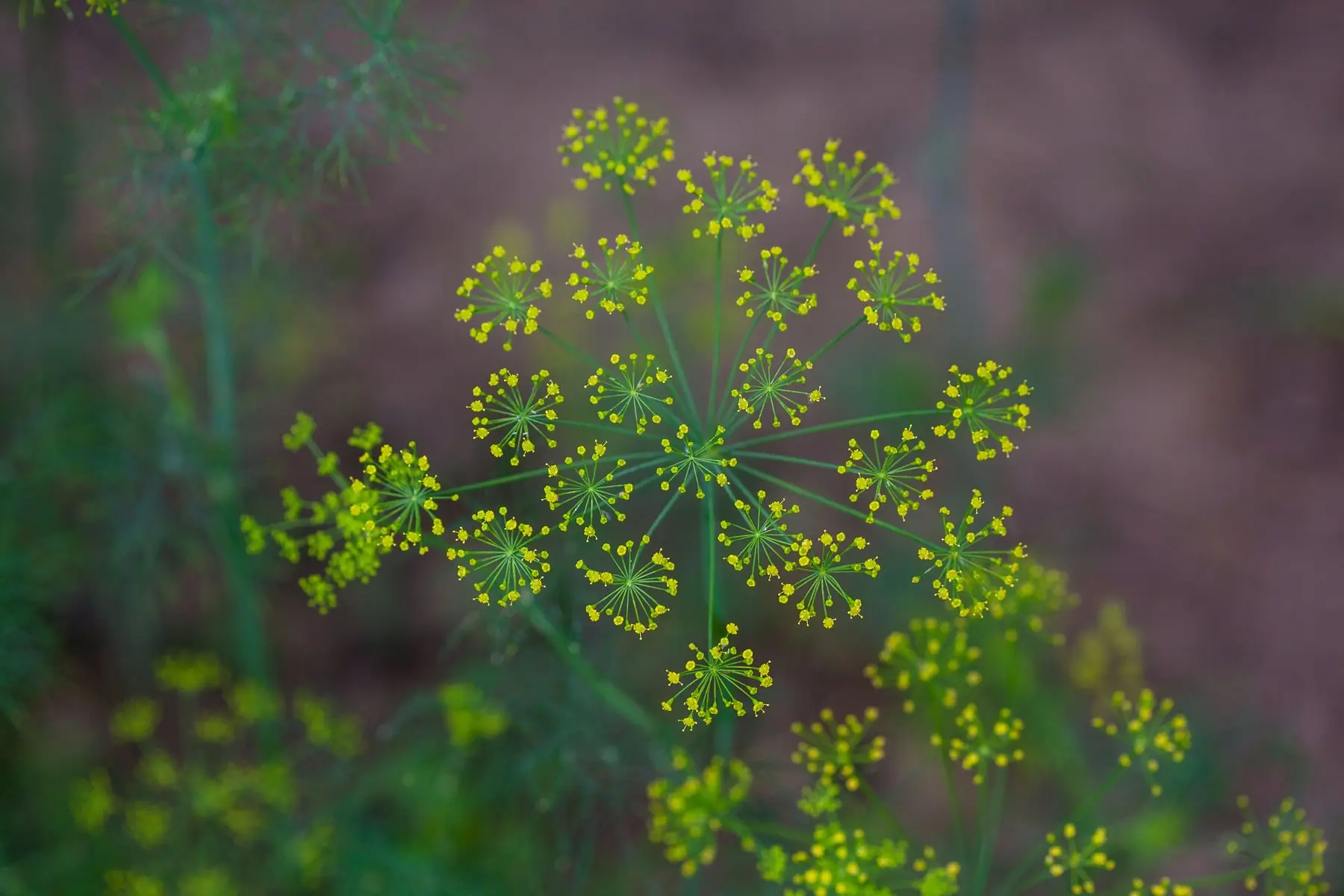
The plant does not. The patch does. Dill is a true annual that flowers, seeds and dies in one season — but it self-seeds so freely that volunteers come up in the same spot each spring, which looks exactly like a plant returning.
Annual, despite the shelf it sits on
| Life cycle | Comes back? | |
|---|---|---|
| Dill | Annual | Only by self-seeding |
| Fennel | Perennial | Yes, the same plant |
| Thyme, sage, oregano | Perennial | Yes |
| Cilantro | Annual | By self-seeding |
Fennel is the perennial of the pair — and since the two look alike, that is a large part of why dill gets mistaken for one.
How reliably does it seed?
Very — occasionally to the point of nuisance:
- Each flower head carries hundreds of seeds
- They germinate readily in disturbed soil, so seedlings appear in paths, gravel and neighbouring beds as well as where you wanted them
- They pull out easily while small
If you do not want volunteers, cut the heads before the seed browns
Green seed is not viable. Once the heads turn brown and dry, they are, and they shed on the first windy day.
Why it bolts so fast
Two causes, and one of them is avoidable:
- Heat. Dill runs to flower as temperatures climb. Not much to be done
- Root disturbance. Dill has a long taproot and transplanted plants often bolt almost immediately as a stress response
Sow direct. Module-raised dill bolts on transplanting
This is the single most common reason a bought or pricked-out dill plant flowers within weeks of going in the ground.
Crowding and dry soil accelerate it too.
Basil is the other herb people lose to the wrong light rather than the wrong watering — see does basil need direct sunlight.
Keeping leaf coming all season
Succession sowing, not maintenance. The useful leaf window on any one plant is short.
- A fresh sowing every three to four weeks, spring to midsummer
- Pinching out flower buds buys a little extra leaf, but will not hold a bolting plant for long
Indoors over winter
Possible, with lowered expectations:
- A bright south-facing window or a grow light
- A pot at least eight to ten inches deep for the taproot
- Thinner, less aromatic growth than a summer plant
- Sow fresh every few weeks indoors too — the short leaf window still applies
Common questions
Does dill come back every year?
Is dill an annual or a perennial?
Does dill reseed itself reliably?
Why does my dill bolt so quickly?
How do you keep a supply of dill leaf all season?
Can you grow dill indoors over winter?
Backyard Weekly
Know what to plant, week by week
Join the weekly email for seasonal jobs, fixes for what is going wrong, and gear worth buying.
Not ready to subscribe? The planting calendar is free and needs no email.
By subscribing you agree to our privacy policy. Grow In Backyard will never sell your address.
Keep reading
How to Grow Cilantro Without It Bolting in Three Weeks
Cilantro bolts on heat and day length and nothing stops it, so the answer is succession sowing. Direct sowing, why it hates transplanting, and the seed crop.
How to Grow Parsley: Slow Seed, Long Season
Parsley germinates in three to four weeks and tests everyone's patience. Soaking, why it resents transplanting, and what to do when it bolts in year two.
Is Lemon Balm Invasive? It Seeds Rather Than Runs
Lemon balm spreads by seed, not by runners like mint. That makes it easier to control — if you cut the flowers before they set.
Does Mint Need Full Sun? Part Shade Grows Better Leaves
Mint tolerates full sun but prefers four to six hours with afternoon shade. Full sun gives more essential oil and smaller, tougher leaves. Which you want.