
Is Lemon Balm Invasive? It Seeds Rather Than Runs
Lemon balm spreads by seed, not by runners like mint. That makes it easier to control — if you cut the flowers before they set.
 By

On this page
It spreads hard — but by seed, not by runners, and that distinction is the whole answer. Mint travels underground and surfaces on the other side of a path. Lemon balm stays where it is and throws seedlings everywhere, which is stopped with a single cut.
Against mint, which is what everyone means
| Lemon balm | Mint | |
|---|---|---|
| Spreads by | Seed | Underground runners |
| Appears far away? | Only where seed lands | Yes — through lawns, past paths |
| The clump | Widens slowly from the centre | Travels |
| Control | Cut flowers before they set | Contain the roots |
| Digging it out | Take the crown, it is gone | Any fragment regrows |
Both are in the mint family and both have square stems, which is why they get lumped together. The control is completely different.
The one job
Shear by half as the flowers open, once a year
The small white flowers start in midsummer. Cut the plant back by about half as they begin opening, before seed sets.
You lose nothing — the leaves are best before flowering anyway, and the plant pushes out a fresh flush of foliage afterwards.
Do it once a year and lemon balm behaves like any other clumping perennial. Skip it once and you will be pulling seedlings for two seasons.
Does a pot solve it?
Partly, and less than people expect. A pot contains roots; seed travels regardless. If the goal is to stop it taking over, the midsummer shear matters more than the container.
A pot is genuinely worth it for:
- A small bed where the widening clump would crowd its neighbours
- Keeping it by the kitchen door
Sink the pot in the ground if you dislike the look.
Getting rid of an established one
- Dig the clump out with a fork, taking the whole crown. No running roots means no regrowth — far easier than mint
- The seedbank is the real work. Expect seedlings for two or three seasons
- Hoe or pull them small, when they come out easily
- Mulch the cleared ground thickly to suppress most of what is waiting
Why it is still worth having
- One of the best bee plants there is — the genus name Melissa means honeybee
- Tolerates shade and poor soil where little else will
- Genuinely useful fresh
Plant it where a few stray seedlings would not matter, and shear it in midsummer.
Common questions
Is lemon balm invasive?
Does lemon balm spread like mint?
How do you stop lemon balm spreading?
Should you plant lemon balm in a pot?
How do you get rid of established lemon balm?
Is lemon balm worth growing despite the seeding?
Backyard Weekly
Know what to plant, week by week
Join the weekly email for seasonal jobs, fixes for what is going wrong, and gear worth buying.
Not ready to subscribe? The planting calendar is free and needs no email.
By subscribing you agree to our privacy policy. Grow In Backyard will never sell your address.
Keep reading
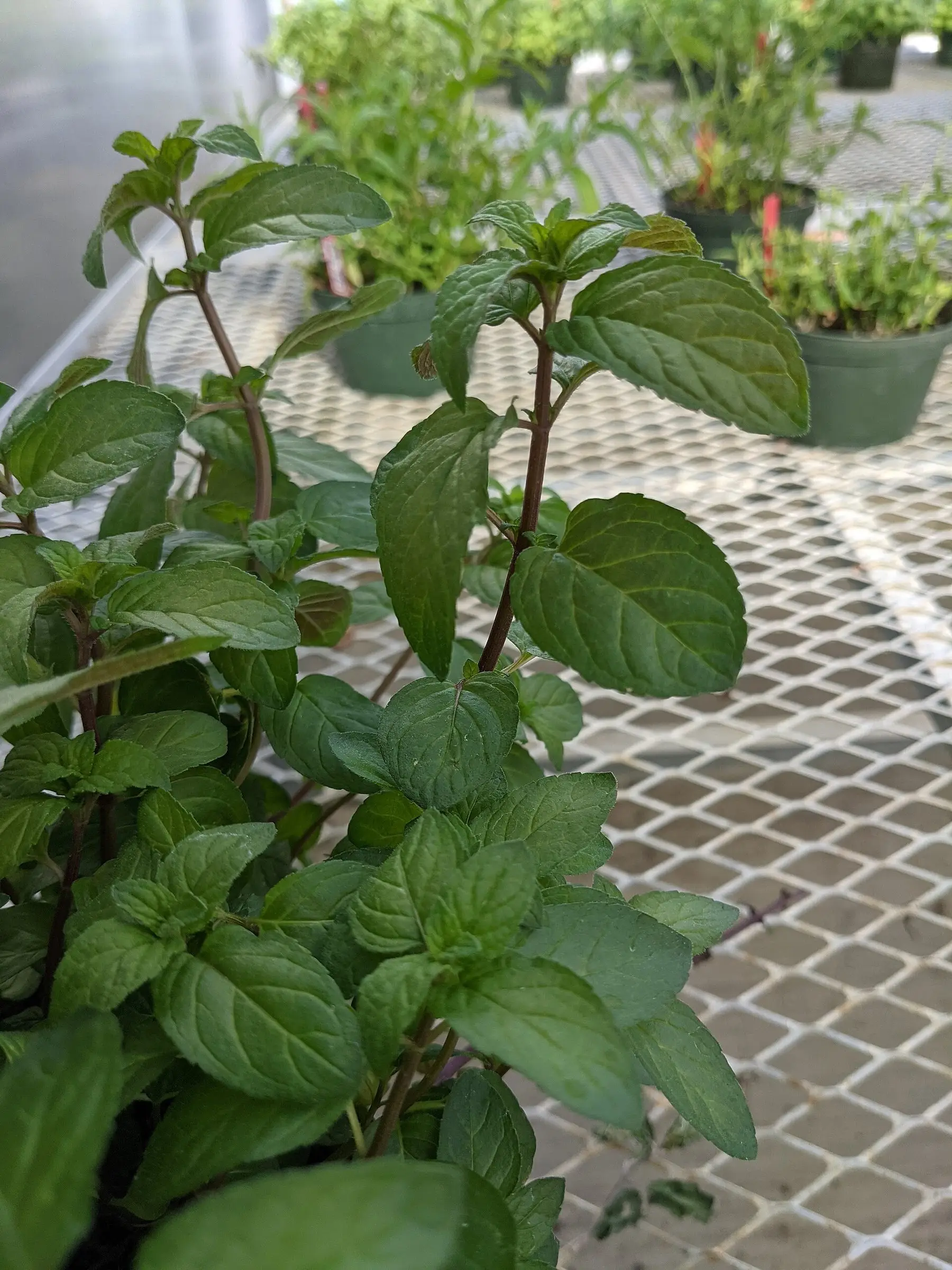
How to Grow Mint Without It Taking Over the Garden
Mint spreads by runners just under the surface and will colonise a bed in two seasons. Containment that actually works, and the pruning that keeps leaves tender.
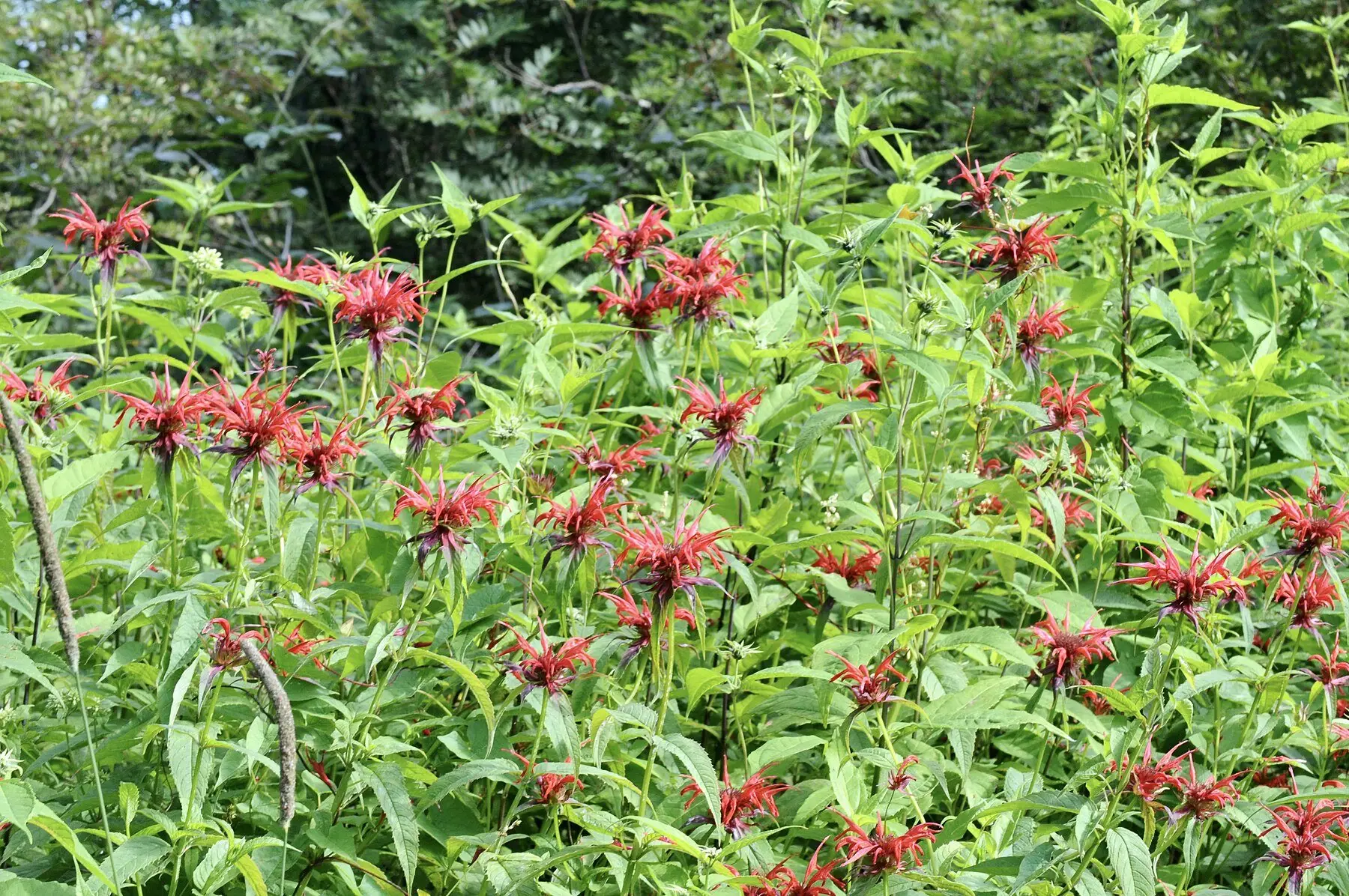
How to Prune Bee Balm for More Flowers and Less Mildew
Bee balm needs thinning in spring, the Chelsea chop in late May, and deadheading through summer. The cuts that prevent powdery mildew rather than treat it.
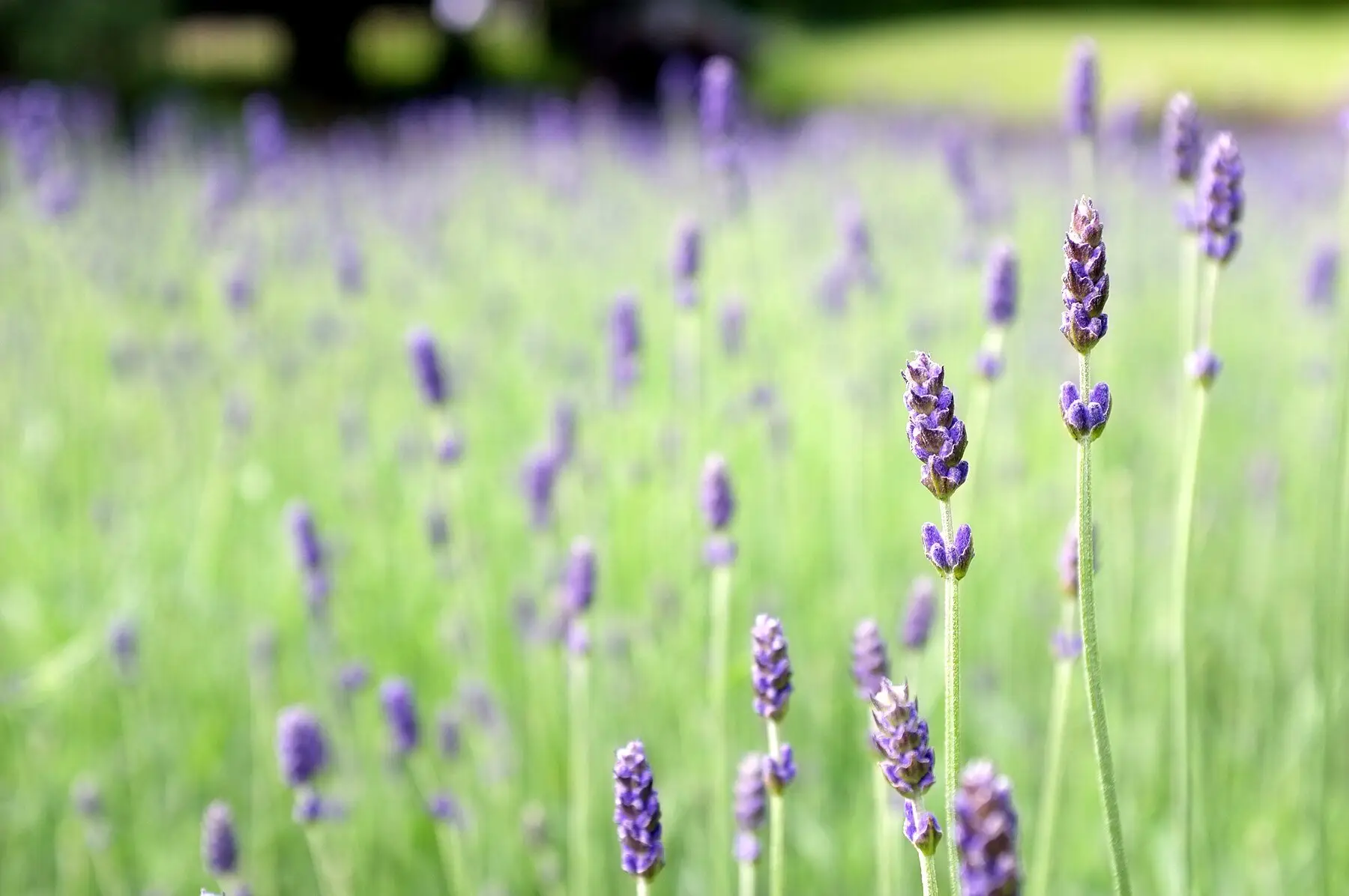
How to Grow Lavender: Drainage, Sun, and Almost Nothing Else
Lavender dies of wet feet and kindness, not cold. Which species suits your winter, why you plant it in poor soil, and the spacing that prevents rot.
Prickly Pear Cactus Propagation: Pads, Callus, Patience
A pad twisted off at the joint and left to callus for two weeks roots easily. Rushing the callus, or burying the pad deep, is what kills them.