
When to Harvest Thyme: Morning, Just Before It Flowers
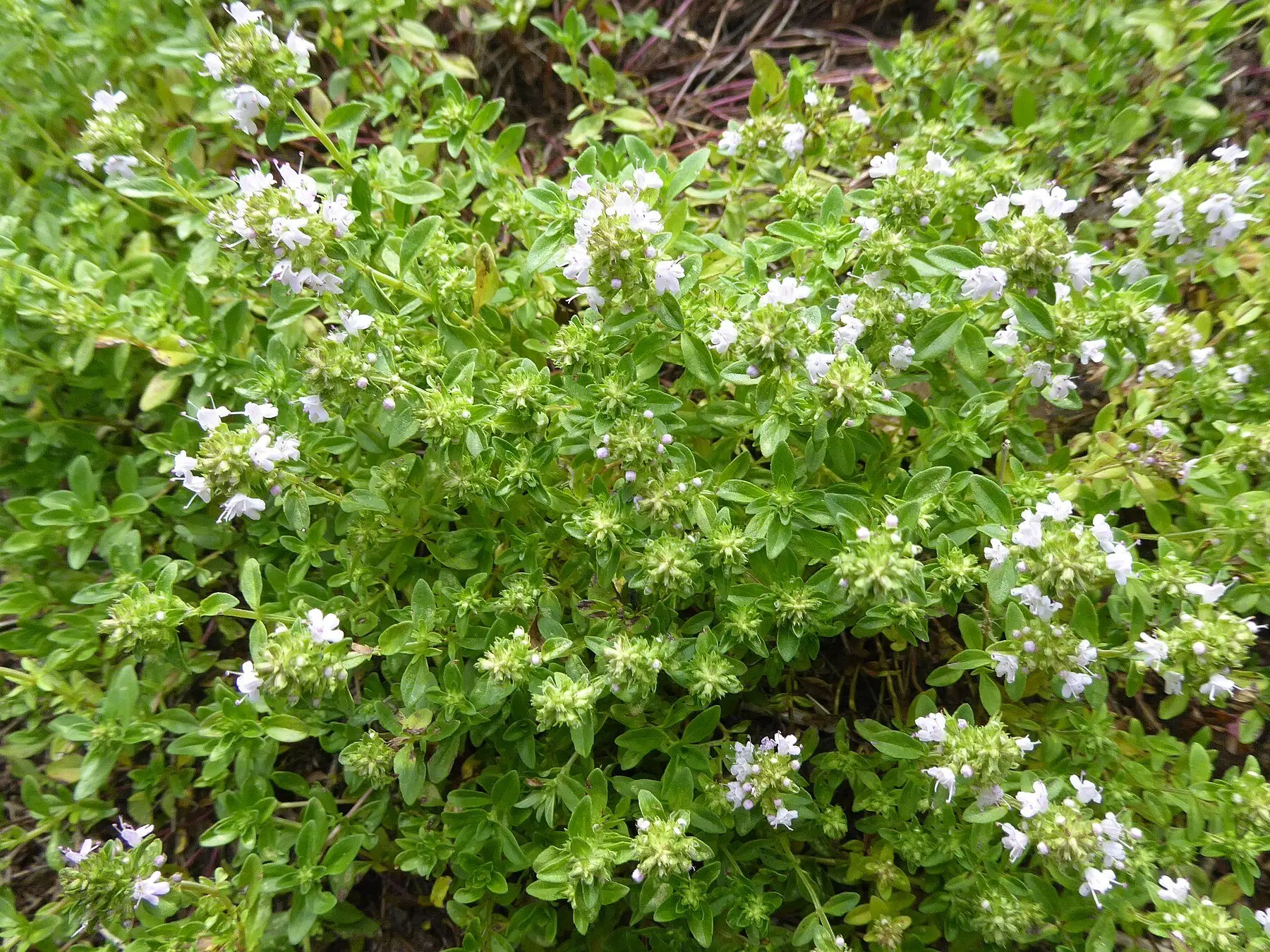
Cut thyme in the morning as the first flower buds show, when the oils peak. Never cut into bare wood, and stop four weeks before frost.
 By

On this page
Morning, dew gone, just as the first flower buds show. That is peak oil. And the rule that keeps the plant alive is the same as for sage: top third only, never into bare wood.
The timing, at two scales
| Best | Avoid | |
|---|---|---|
| Time of day | Morning, dew dried | Wet foliage; hot afternoon |
| Season, for drying | Just before flowers open | After flowering |
| Season, for the kitchen | Any time in growth | — |
| Hard cutting | Spring and early summer | Within 4 weeks of frost |
The cut that kills thyme
Thyme is a subshrub — its old wood will not reshoot
Cut below the last green growth, into the bare woody base, and that stem usually dies outright. It is the same failure mode as sage, and it is how most established thyme plants are lost.
Top third of the stems. Leave four to five inches of leafy growth.
- Use scissors or snips, never pull — pulling lifts the shallow roots
- Work from the top down
Winter picking
One of thyme’s real advantages over softer herbs: it stays evergreen in most climates.
- Sprigs can be picked all winter
- Flavour is weaker — the oils are less concentrated in cold, so use more
Picking is fine in winter. Cutting back is not
A hard cut stimulates tender new shoots, and tender shoots going into a freeze are what kills sections of an established plant.
Do the structural pruning in spring, once new growth has started.
Flower or harvest?
| Cut before flowering | Let it flower | |
|---|---|---|
| Leaf flavour | Stays strong | Dips |
| Bees | — | Exceptional — one of the best |
| Flowers | — | Edible, mildly aromatic |
With more than one plant: harvest one, let another flower.
Drying
Thyme holds its flavour unusually well dried, which makes it one of the more worthwhile herbs to put by.
- Small loose bundles, hung upside down
- Warm, dark, airy — light degrades the oils
- One to two weeks, until the leaves strip off the stem with a pinch
- Store leaves whole in an airtight jar, out of the light
It dries faster than thicker-leaved herbs like sage, so start checking at a week.
Common questions
When should you harvest thyme?
How do you harvest thyme without killing the plant?
Can you harvest thyme in winter?
When should you stop cutting thyme back hard?
Should you let thyme flower?
How do you dry thyme after cutting it?
Backyard Weekly
Know what to plant, week by week
Join the weekly email for seasonal jobs, fixes for what is going wrong, and gear worth buying.
Not ready to subscribe? The planting calendar is free and needs no email.
By subscribing you agree to our privacy policy. Grow In Backyard will never sell your address.
Keep reading
When to Harvest Sage: Morning, Before It Flowers
Cut sage in the morning once the dew dries, just before flowering, when the oils peak. Never take more than a third, and stop a month before frost.
Creeping Thyme: Planting, Spacing and Foot Traffic
Creeping thyme is a drought-tolerant lawn alternative that flowers for bees and takes light footfall. Which species to buy, spacing, and where it fails.
How to Dry Oregano (And Why It Beats Fresh)
Oregano is one of the few herbs that genuinely improves dried. Cut before flowering, hang it somewhere dark, and leave the leaves whole until you cook.
When to Pick Jalapeños: Green, Red, and Corked
Pick green at full size and firm for classic heat, or leave them to red for sweetness. What the white corking lines mean, and why picking gives you more.