
What Potato Plants Look Like When Ready to Harvest
Flowers mean new potatoes; yellowing, collapsing foliage means maincrop. How to read the plant above ground, and the two-week wait that makes them store.
 By
On this page
Potatoes grow where you cannot see them, so the plant above ground is the only instrument you have. Fortunately it is a clear one — once you know whether you are growing new potatoes or maincrop, because the two want opposite-looking plants.
Reading the plant
| Plant looks like | Stage | What to do |
|---|---|---|
| Lush, green, no flowers | Tubers still forming | Wait |
| Green and flowering | Tubers bulking | New potatoes ready — dig if you want them |
| Lower leaves yellowing | Maturing | Getting close; stop watering |
| Most foliage yellow, stems flopping | Senescing | Nearly there |
| Foliage brown and collapsed | Mature | Wait 2 weeks, then lift |
Die-back looks alarming the first time. A healthy potato plant collapsing into a brown heap is not a disease — it is the crop finishing. The plant is emptying itself into the tubers.
Unless it collapsed suddenly and smells
Blight also kills potato foliage, but differently: dark water-soaked patches spreading fast in cool wet weather, often with a distinctive smell, and it can take a plant down in days while still green elsewhere. If that is what you are seeing, cut the haulm off at ground level immediately and wait three weeks before lifting, so spores on the surface do not follow the tubers into storage.
New potatoes are a different question
New potatoes are simply immature tubers, harvested deliberately early for thin skins and sweetness.
Dig them while the plant is green and healthy, around the time it flowers — roughly 60–90 days after planting depending on variety.
They will not store. Thin skins are the point, and thin skins mean days, not months. Eat them within a week.
Checking without committing
Bandicooting — scrape soil away from the side of the mound with your hand, feel for tubers, judge the size, then push the soil back. The plant carries on unbothered and you know what you have.
For a whole row, lift one plant at the end as a test dig. Whatever that plant shows, the rest are doing roughly the same.
The two weeks that decide whether they keep
This is the step that gets skipped, and it is the one that matters for storage.
After the foliage has died back, leave the tubers in the ground for about two weeks. During that time the skins set: they go from rubbing off under a thumb to firm and tight. Set skins are the difference between potatoes that keep for months and potatoes that rot in a few weeks.
Test it with your thumb. If the skin still scuffs easily, give it longer.
Lift sooner if the ground is waterlogged, slugs are working, or a hard frost is coming — then cure them under cover instead.
Lifting and curing
Choose a dry day. Loosen with a fork well outside the plant — start a foot away, because a fork through a potato is a potato that will not store.
Do not wash them. Brush off loose soil once dry; soil is protective and water starts rot.
Cure in a single layer somewhere dark, airy, and 50–60°F for about two weeks. This thickens skins further and heals harvest nicks.
Store at 40–50°F in the dark, in paper sacks, hessian or an open crate — never sealed plastic. Check monthly and remove anything soft.
Green potatoes are not salvageable by peeling
Any tuber exposed to light turns green and produces solanine, which cooking does not destroy. Cut green parts away generously, and discard anything thoroughly green or bitter. This is why storage must be genuinely dark, not just shaded.
Common questions
What does a potato plant look like when it is ready to harvest?
Do potatoes have to flower before you harvest them?
How long after the plants die back should you dig potatoes?
How do you know if potatoes are big enough without digging up the plant?
Can you leave potatoes in the ground too long?
How do you cure potatoes for storage?
Backyard Weekly
Know what to plant, week by week
Join the weekly email for seasonal jobs, fixes for what is going wrong, and gear worth buying.
Not ready to subscribe? The planting calendar is free and needs no email.
By subscribing you agree to our privacy policy. Grow In Backyard will never sell your address.
Keep reading
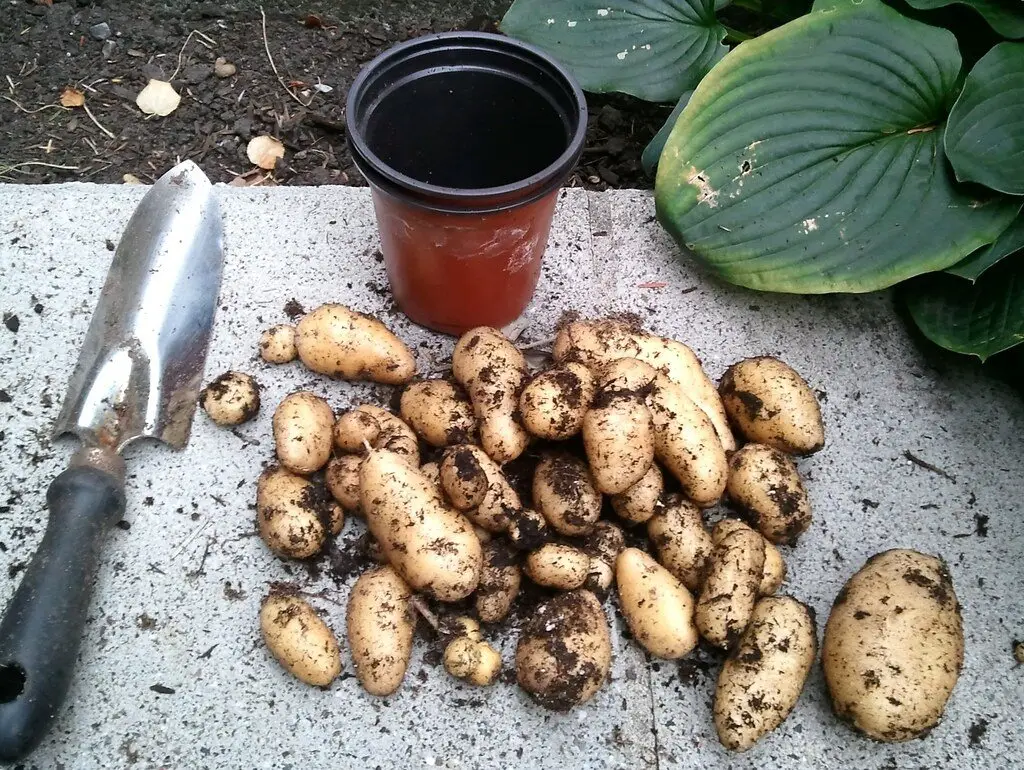
When to Harvest Potatoes: Two Crops From One Plant
New potatoes come at flowering; storage potatoes need the tops to die back first. How to tell which stage you are at, and how to cure them so they keep.
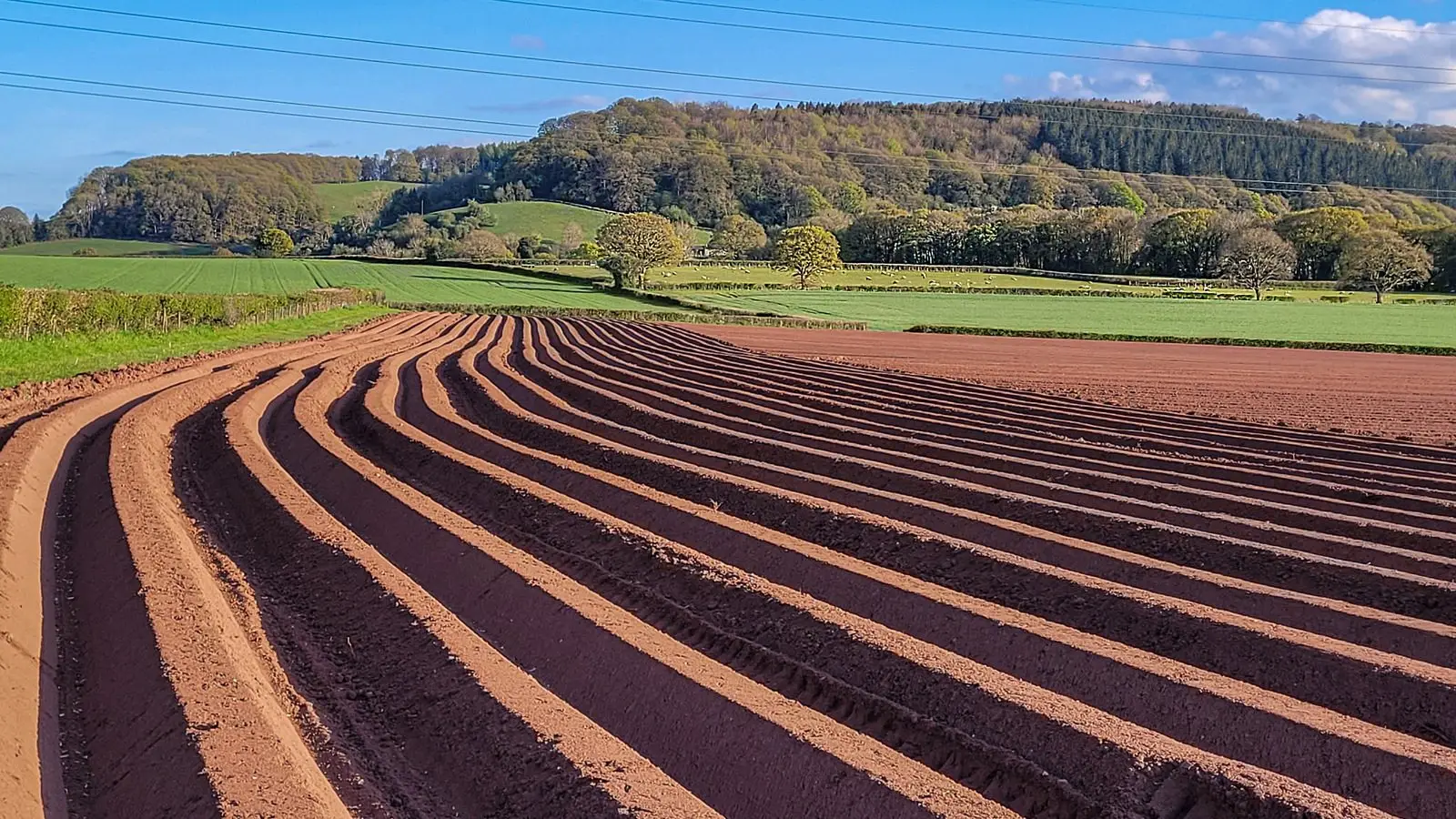
How Deep to Plant Potatoes (And Why Hilling Matters More)
Four inches at planting, then hill as they grow. Why planting deep in cold spring soil backfires, and how depth differs in containers and no-dig beds.
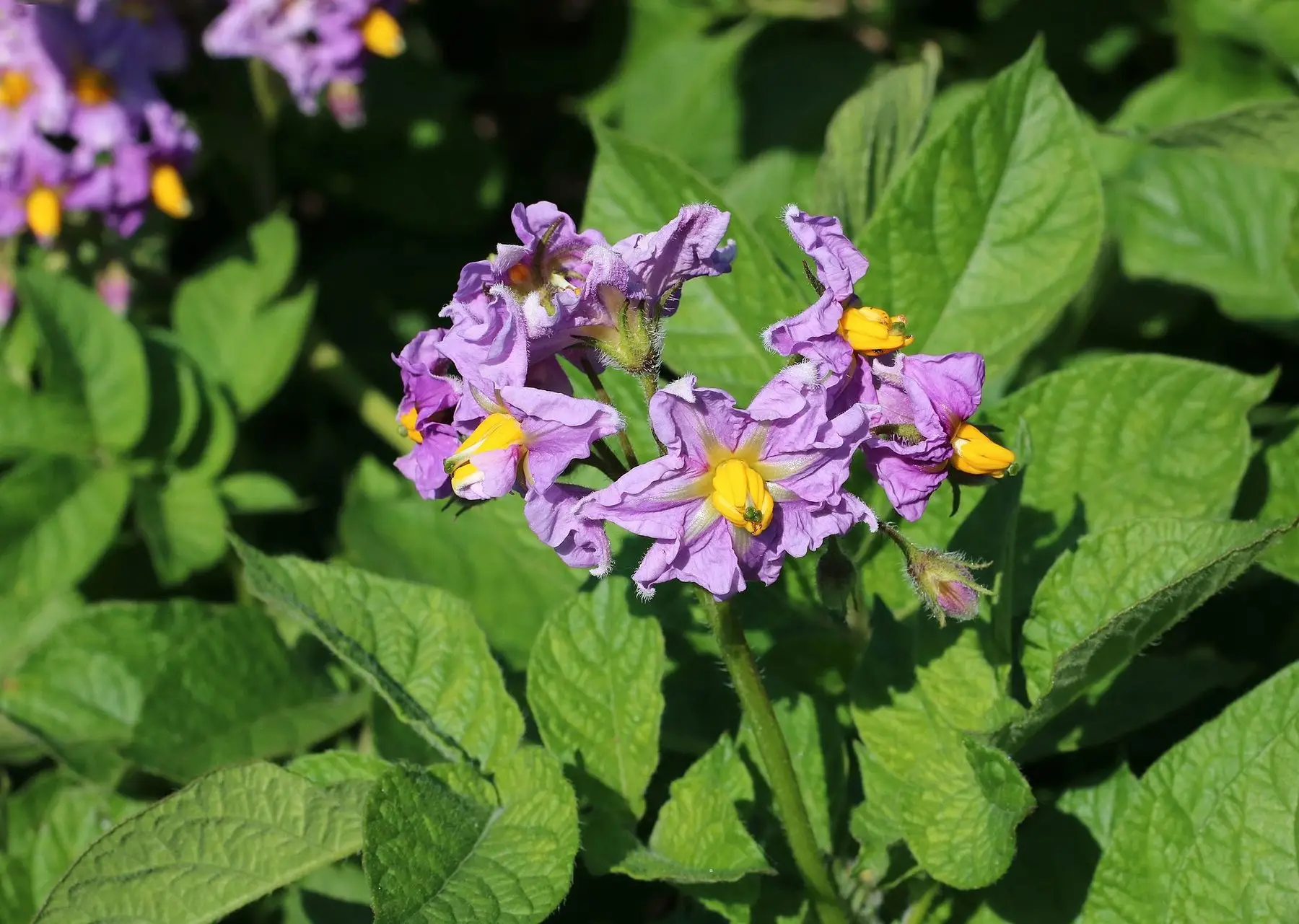
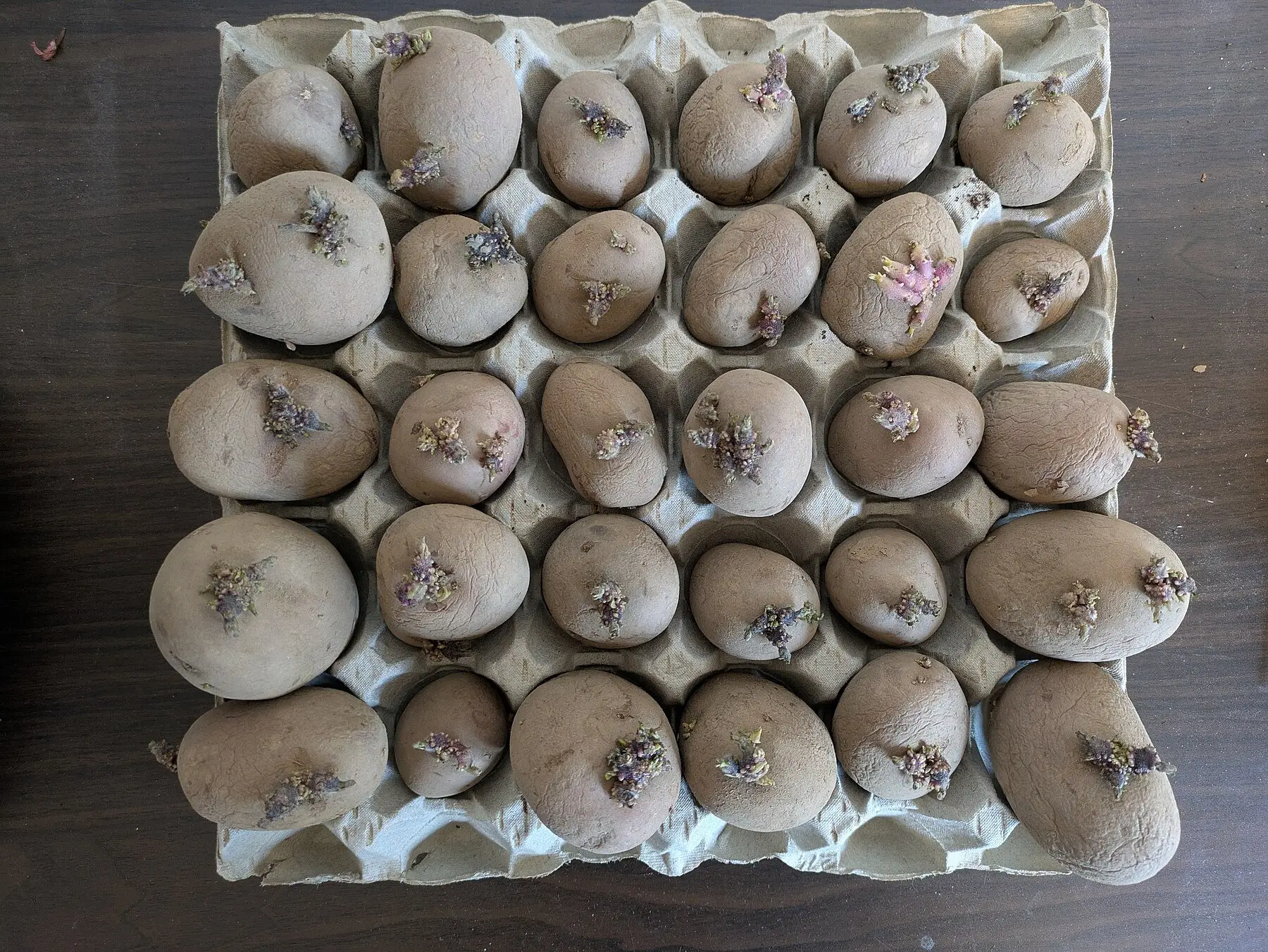
How to Grow Potatoes: Chitting, Depth, and Earthing Up
Potatoes form on stem, not roots, which is why you plant them deep and keep burying them. Seed potatoes, timing by variety group, and the mistakes that cost a crop.
When to Harvest Butternut Squash: Three Signs, Not One
Butternut picked early never sweetens and never keeps. The colour, the stem and the fingernail test, plus the curing that turns it from starchy to sweet.