How Deep to Plant Potatoes (And Why Hilling Matters More)
Four inches at planting, then hill as they grow. Why planting deep in cold spring soil backfires, and how depth differs in containers and no-dig beds.

On this page
The short answer is four inches. The longer answer is that planting depth matters much less than what you do afterwards — because a potato plant does not make its crop at the depth you planted it.
Why four inches, not eight
It is tempting to plant deep once and skip the hilling. It does not work well, for two reasons.
Cold soil. Spring soil warms from the top down. At 4 inches the tuber is in soil that is warming; at 10 inches it sits in cold, wet ground, and a seed potato that sits rather than sprouts is a seed potato that rots.
Stem, not seed. Tubers form on stolons — underground stems — that grow out of the stem tissue, in darkness. The seed potato itself just provides the starting energy. So the useful variable is not how deep the seed went, it is how much stem ends up buried, and hilling is how you control that after the plant is already growing strongly.
| Method | Planting depth | Then |
|---|---|---|
| Standard trench | 4 inches | Hill 8–12 inches over the season |
| Deep trench (trench-hilling) | 6 inches in an 8-inch trench | Fill the trench first, then hill |
| Container or grow bag | 4 inches over 4–6 inches of mix | Add mix as shoots grow |
| Straw / no-dig | On the surface | 6–8 inches of straw, topped up |
| Raised bed | 4 inches | Hill, or plant lower to leave headroom |
Spacing
12 inches apart for maincrop, 10 inches for earlies, and 30–36 inches between rows — you need that row width as a soil supply for hilling.
Tighter spacing does not mean more potatoes; it means the same weight divided into more, smaller tubers, and below about 8 inches the total yield actually falls. Wider spacing gives you fewer, bigger bakers.
Hilling, step by step
First hill when the shoots are 6–8 inches tall. Draw soil up around the stems from both sides, leaving the top few inches of foliage showing. Yes, you are burying most of the plant. It is fine.
Repeat every two or three weeks until the mound stands 8–12 inches above the original soil line, or until the plants flower.
Straw, compost, grass clippings, or leaf mould all work as well as soil and are lighter to move.
Green potatoes are not a cosmetic problem
A tuber exposed to light produces chlorophyll — the green — and alongside it solanine, which is genuinely toxic and not destroyed by cooking. Green patches must be cut away generously, and a thoroughly green or bitter potato should be thrown out. This is the practical reason hilling is not optional.
Containers
Start with 4–6 inches of mix in the bottom of the bag, set the seed potato on it, cover with 4 inches, and top up as the shoots grow until the container is nearly full. That is hilling by another name.
Sizing: a 10-gallon bag takes one or two seed potatoes. Four in the same bag gives you a bag of marbles. Containers also dry out fast, and potatoes are thirsty while tubers are sizing — inconsistent watering is what causes hollow heart and knobbly, cracked tubers.
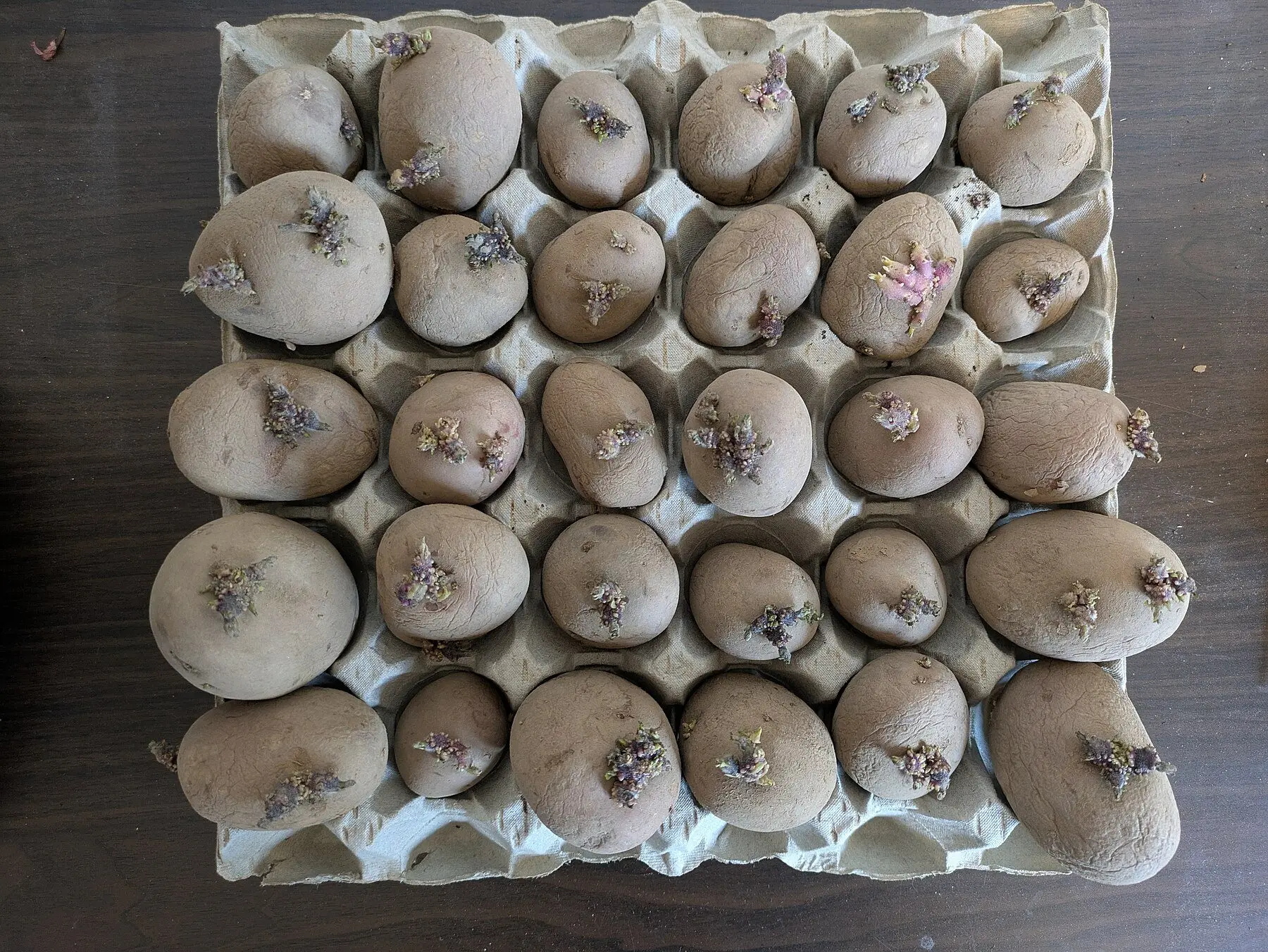
Before any of that: chit them
Stand the seed potatoes eyes-up in a tray somewhere cool and light for two to four weeks. Short, stubby, dark green shoots are what you want; long pale ones mean too warm and too dark.
Chitting buys a couple of weeks on the season, which matters most for early varieties.
Cut anything larger than a hen’s egg into pieces with at least two eyes each, and leave the cut faces to callus for two or three days before planting. A fresh wet cut in cold soil is an open invitation to rot.
And use certified seed potatoes. Supermarket potatoes are often sprout-inhibited, and more importantly they carry no assurance against the viruses and blight strains that certification exists to keep out of your soil.
Step by step
- Time
- PT45M
- Cost
- $20
- You need
- Certified seed potatoes, Compost, Straw or loose soil for hilling
- Tools
- Spade or hoe, Garden fork, Tape measure
Chit the seed potatoes first
Stand them eyes-up in a tray somewhere cool and light for two to four weeks before planting, until short stubby green shoots appear. Long white shoots mean it was too dark and too warm.
Cut large tubers and let them heal
Anything bigger than a hen's egg can be halved, leaving at least two eyes per piece. Let the cut faces dry and callus over for two or three days before planting, or they rot in cold soil.
Wait for soil around 45 to 50F
Planting into cold wet ground achieves nothing — the tubers just sit there, and sitting is when they rot. Two to four weeks before the last frost is the usual window.
Dig a trench about 4 inches deep
Four inches is the working depth for most situations. Space seed potatoes 12 inches apart for maincrop and about 10 inches for earlies, with 30 to 36 inches between rows.
Set the tubers eyes-up and cover
Place each piece with the strongest shoots pointing up, cut side down, and cover with 4 inches of soil. Do not fill the trench to the top yet if you are trench-hilling.
Hill when the shoots are 6 to 8 inches tall
Draw soil, compost, or straw up around the stems, leaving the top few inches of leaves exposed. This is where the crop actually comes from — tubers form on stolons off the buried stem, not off the seed potato.
Hill again every two or three weeks
Repeat until the mound is 8 to 12 inches above the original soil line or the plants flower. Any tuber that reaches daylight turns green and becomes inedible.
Common questions
How deep should you plant potatoes?
Why do you hill potatoes?
How far apart should potatoes be planted?
How deep should potatoes be in a container or grow bag?
Can you plant potatoes under straw instead of soil?
Do you plant seed potatoes with the eyes up or down?
Backyard Weekly
Know what to plant, week by week
Free planting calendar. Join the weekly email for seasonal jobs, fixes for what is going wrong, and gear worth buying.
Set MONETIZATION.email.endpoint in src/config/site.ts to enable this form.
By subscribing you agree to our privacy policy. Grow In Backyard will never sell your address.
Keep reading
How to Grow Potatoes: Chitting, Depth, and Earthing Up
Potatoes form on stem, not roots, which is why you plant them deep and keep burying them. Seed potatoes, timing by variety group, and the mistakes that cost a crop.
When to Harvest Potatoes: Two Crops From One Plant
New potatoes come at flowering; storage potatoes need the tops to die back first. How to tell which stage you are at, and how to cure them so they keep.
Companion Plants for Potatoes, and What Ruins the Crop
Potatoes are greedy, shallow-rooted and need earthing up, which rules out most neighbours. What genuinely fits alongside them, and the two crops to keep well away.
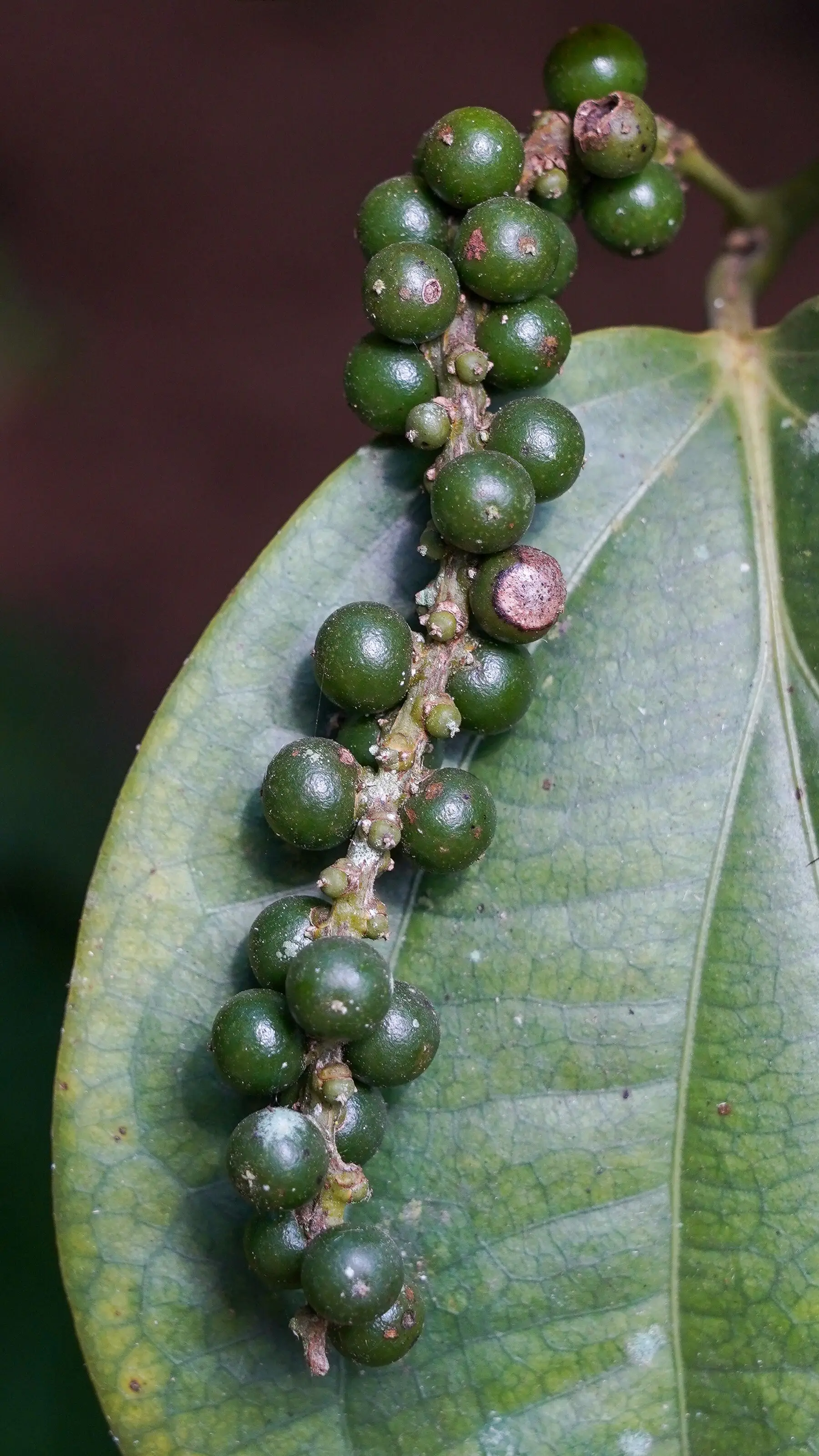
How to Grow Peppercorns: A Tropical Vine in a Pot
Black pepper is a climbing vine needing warmth, humidity and three years before it fruits. What it takes indoors, and why all four peppercorns are one plant.