
How to Grow Barley: Winter or Spring, Grain or Cover
Barley ripens faster than wheat and tolerates poor dry soil. Winter sowing yields more; spring sowing is quicker and safer on heavy ground.
 By
On this page
Barley is the easiest cereal to grow at home — faster to ripen than wheat, tolerant of poor dry soil, and forgiving about fertility. The one real decision is winter or spring.
Winter or spring
| Winter barley | Spring barley | |
|---|---|---|
| Sown | Autumn | Spring, once soil warms |
| Needs cold period | Yes | No |
| Ripens | Early summer | 90–100 days |
| Yield | Higher | Lower |
| Risk | Rots on heavy wet ground over winter | Low |
| First attempt? | Start here |
Sowing
Fine, firm seedbed. Cereal seed needs soil contact; a loose cloddy bed gives patchy establishment.
About an inch deep, broadcast and raked in, then firm the surface again. Sow thickly for cover, more thinly for grain.
Site: sunny, free-draining, near-neutral pH. Barley handles drought and poor fertility better than wheat, and handles acid soil and waterlogging worse.
Water only until seedlings are up. After that it generally needs nothing.
Do not feed it
Excess nitrogen gives tall, soft stems that lodge — flatten in wind and rain. A lodged crop is awkward to cut by hand and drops grain on the soil before you can collect it.
The instinct to enrich a bed before sowing is the wrong one for cereals. Near-neutral pH matters far more than fertility.
Knowing when it is ready
Three signs together:
- Colour — green to gold throughout
- The heads nod, bending over on the stem
- The grain resists a fingernail, denting rather than squashing
Still milky inside means another week or two. But do not push it too far: barley left standing in wet weather can sprout in the head, which ruins it. Cutting slightly early and finishing under cover is the safer error.
Cut, dry, thresh
- Cut low with a sickle, shears or secateurs
- Tie into sheaves and stand somewhere dry and airy for one to two weeks
- Thresh — beat or rub the heads over a tarpaulin
- Winnow — pour between containers in a breeze or before a fan
Cover your arms
Barley awns — the long bristles — are brittle when dry and break into fragments that are genuinely irritating on skin and in eyes.
Gloves, long sleeves, and ideally eye protection while threshing. This is the one unpleasant part of growing cereals and it catches people out once.
As a cover crop
Arguably the better use of barley in a small garden. It:
- Establishes fast and tolerates cold and poor soil
- Smothers weeds effectively, and is reported to suppress some weed seedlings as it grows
- Builds good biomass and a fibrous root system that improves structure near the surface
Sow thickly in autumn, cut or mow in spring before it sets seed, and leave the residue on the surface as mulch.
On yield, honestly
A few square metres gives enough grain for interest, experiment or chicken feed — not for a year’s baking or brewing.
Most people growing cereals at home do it to understand the process, or for the straw. Barley is the one to start with because it establishes easily and ripens fastest.
Step by step
- Time
- P120D
- Cost
- 15
- You need
- Barley seed, winter or spring type, Compost if the ground is poor
- Tools
- Rake, Sickle, shears or secateurs, Tarpaulin for threshing
Choose winter or spring barley
Winter barley is sown in autumn, needs a cold period, and yields more. Spring barley is sown in spring, ripens in about 90 to 100 days, and is the safer choice on heavy wet ground.
Pick a sunny, free-draining site
Barley tolerates poorer and drier soil than wheat but dislikes waterlogging. It also prefers a near-neutral pH and performs badly on acid ground.
Rake a fine, firm seedbed
Level and firm the surface. Cereal seed needs good soil contact, and a loose cloddy bed gives patchy establishment.
Broadcast and rake in, about an inch deep
Sow thickly for a cover crop and more thinly for grain. Rake lightly to cover, then firm the surface again so the seed is not sitting in air pockets.
Water to establish only
Keep the surface moist until seedlings are up. After that barley is notably drought tolerant and usually needs no watering at all.
Keep nitrogen modest
Excess nitrogen produces tall soft growth that lodges in wind and rain, which makes harvest difficult and costs grain. Barley needs far less feeding than most garden crops.
Watch for the heads to nod and turn gold
Ripening barley turns from green to gold and the heads bend over. The long bristles, called awns, become brittle and the grain hardens.
Test the grain with a fingernail
Ready grain resists a fingernail and dents rather than squashing. Grain that is still milky inside needs another week or two.
Cut, bundle and dry under cover
Cut the stems low with a sickle or shears, tie into sheaves, and stand them somewhere dry and airy for one to two weeks to finish.
Thresh on a tarpaulin and winnow
Beat or rub the dried heads over a sheet to free the grain, then pour it between containers in a breeze or in front of a fan so the chaff blows away.
Common questions
What is the difference between winter and spring barley?
When is barley ready to harvest?
Can you grow barley as a cover crop?
Does barley need much fertiliser?
How do you thresh barley by hand?
How much barley will a small plot produce?
Backyard Weekly
Know what to plant, week by week
Join the weekly email for seasonal jobs, fixes for what is going wrong, and gear worth buying.
Not ready to subscribe? The planting calendar is free and needs no email.
By subscribing you agree to our privacy policy. Grow In Backyard will never sell your address.
Keep reading
How to Grow Millet: Grain, Birdseed or Cover Crop
Millet matures in 60 to 90 days on poor dry soil where other grains fail. Decide early whether you want grain, birdseed or a summer cover crop.
How to Grow Soybeans: Edamame in a Backyard, Honestly
Soybeans are easy to grow and harvest in one short window — pods fill, then go hard within about a week. Here is the timing and what yield to expect.
How to Grow Alfalfa: Lime First, Then Years of Cutting
Alfalfa roots 15 feet down and fixes its own nitrogen, but it fails on acid soil. Test and lime before sowing — you cannot fix pH afterwards.
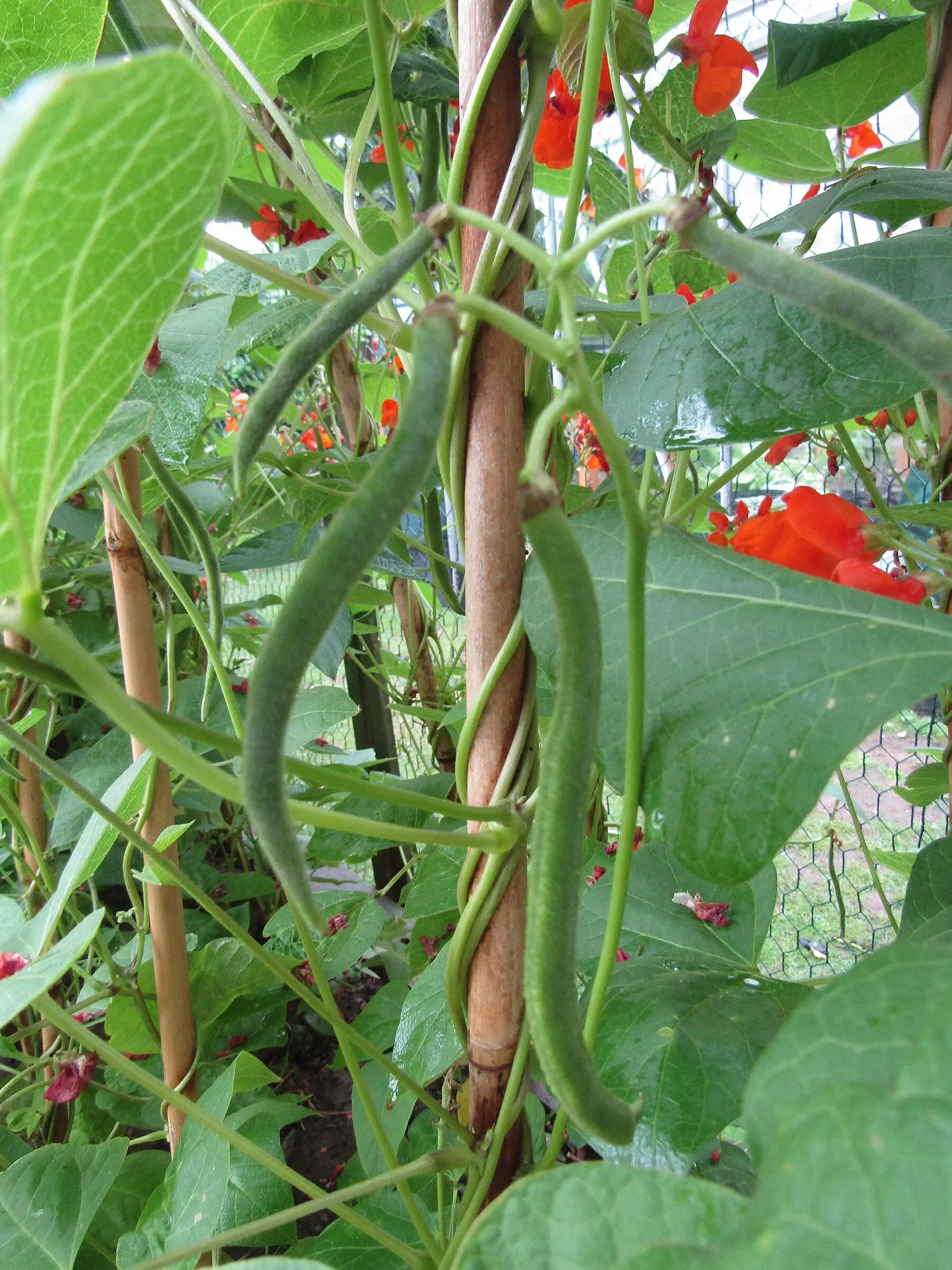
How to Grow Beans: Bush or Pole, and Never Sow Early
Beans rot in cold wet soil and resent transplanting, so sowing date matters more than anything else. Bush versus pole, supports, and picking to keep them coming.