
How to Grow Soybeans: Edamame in a Backyard, Honestly
Soybeans are easy to grow and harvest in one short window — pods fill, then go hard within about a week. Here is the timing and what yield to expect.
 By
On this page
Easy to grow, hard to time. The pods are perfect for about a week, and you need more plants than you think.
The yield problem, stated plainly
A good edamame plant produces 20 to 40 pods — roughly a side dish for one person.
| You want | Plants |
|---|---|
| One side dish | 3–4 |
| A meal for four | 12–16 |
| Several meals through the season | 20–40 |
| A freezer supply | 50+ |
They are compact and take close spacing, so a short double row goes further than it sounds. But anyone planting six soybean plants expecting a crop will be disappointed, and it is better to know that before the bed is planned.
Growing them
- Sow direct, 3–5 cm deep, into soil above 15°C
- 8–10 cm apart, rows 45–60 cm
- Inoculant if the ground has never grown soybeans — cheap, and it shows
- No nitrogen fertiliser
- Steady water during flowering and pod fill. Drought then means half-empty pods
- No support needed for bush types
Why nitrogen feed backfires
Soybeans make their own nitrogen through root nodules. Supplying it in fertiliser tells the plant it does not need to, the partnership shuts down, and you get leafy plants with fewer pods.
Phosphorus and potassium are fine if a test calls for them. Nitrogen is not.
Harvest
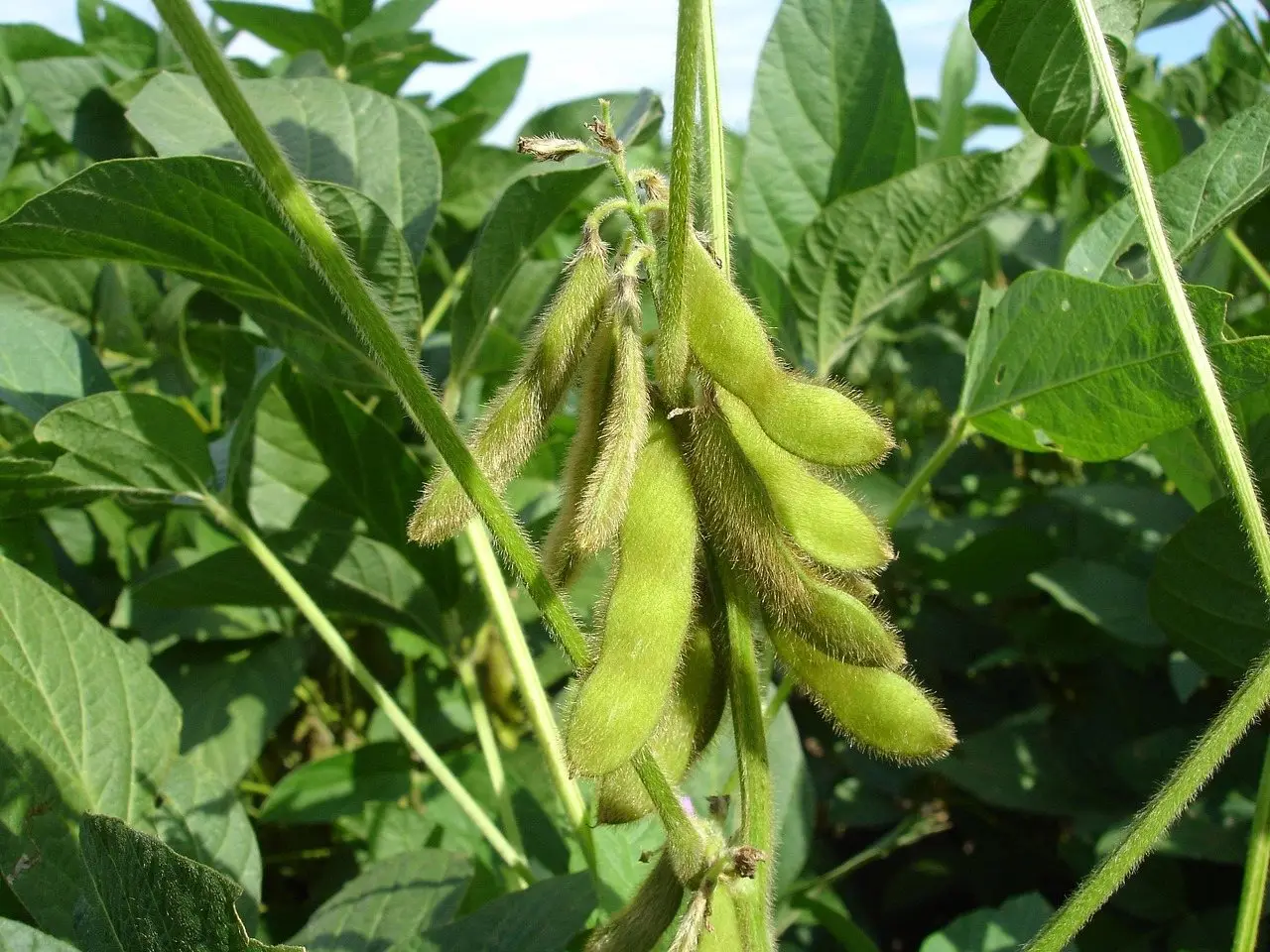
Plump, firm, bright green, beans nearly touching inside the pod. Usually 75–100 days.
- Taste one. Sweet and tender is ready; starchy is past
- Yellowing pods have gone
- Pods ripen together on a plant, so pull or cut the whole thing
- Strip the pods and cook the same day if possible
Cooking: boil or steam the whole pods in well-salted water for four to six minutes, then eat the beans from the shell. The pods themselves are not eaten.
Anything that gets away from you can be left to dry fully on the plant and used as a dry bean — not the same crop, but not wasted either.
Step by step
- Time
- P100D
- Cost
- 10
- You need
- Edamame-type soybean seed, Rhizobium inoculant, if available
- Tools
- A hoe or trowel, A watering can
Choose an edamame variety
Vegetable soybeans bred for eating green — Midori Giant, Envy, Butterbean and similar — are what you want. Field soybeans grown for oil and meal are a different crop and poor eating fresh.
Wait for warm soil
Sow when soil is reliably above 15°C, which is usually two to three weeks after the last frost. Seed sown into cold soil rots rather than germinating.
Inoculate the seed if you can
Soybeans fix nitrogen in partnership with a specific rhizobium bacterium that may not be present in soil that has never grown them. A packet of inoculant dusted onto damp seed at sowing is cheap and noticeably improves growth in a new bed.
Sow direct, 3 to 5 cm deep
Soybeans dislike root disturbance, so sow where they are to grow rather than transplanting. Space 8 to 10 cm apart in rows 45 to 60 cm apart.
Do not add nitrogen fertiliser
A nitrogen feed suppresses the plant's own nitrogen fixation and produces lush foliage with fewer pods. Phosphorus and potassium are fine if a soil test calls for them.
Water steadily while pods fill
Soybeans tolerate dry spells while growing but need consistent moisture during flowering and pod fill, which is when the crop is actually made. Drought at that stage is the main cause of thin, half-empty pods.
Harvest when pods are plump and still bright green
The window is short — about a week. Pods should be full, firm and bright green, with the beans touching inside. Pick a few and taste: ready edamame is sweet and tender, while pods that have begun to yellow are starchy.
Pull the whole plant at once
Pods on one plant mature together, so most growers cut or pull the entire plant and strip it. Boil or steam the pods whole for 4 to 6 minutes in salted water, then eat them from the shell.
Common questions
Are soybeans easy to grow in a backyard?
When do you harvest edamame?
How many soybean plants do you need?
Do soybeans fix nitrogen in the soil?
Can you grow soybeans in containers?
Backyard Weekly
Know what to plant, week by week
Join the weekly email for seasonal jobs, fixes for what is going wrong, and gear worth buying.
Not ready to subscribe? The planting calendar is free and needs no email.
By subscribing you agree to our privacy policy. Grow In Backyard will never sell your address.
Keep reading
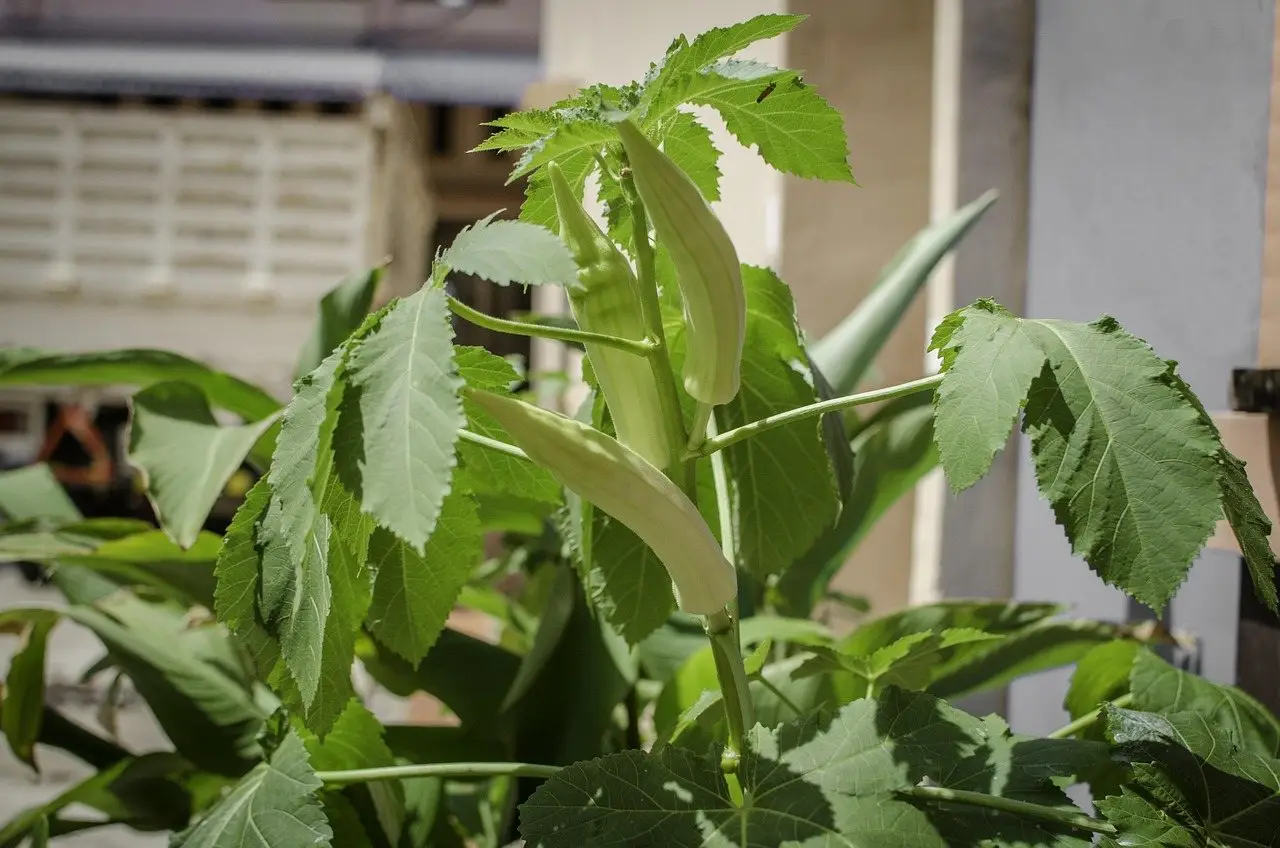
When to Harvest Okra: The Three-Day Window That Decides It
Pick pods at 2–4 inches, every day or two. Past about four days they turn woody, and leaving one on the plant slows everything that follows.
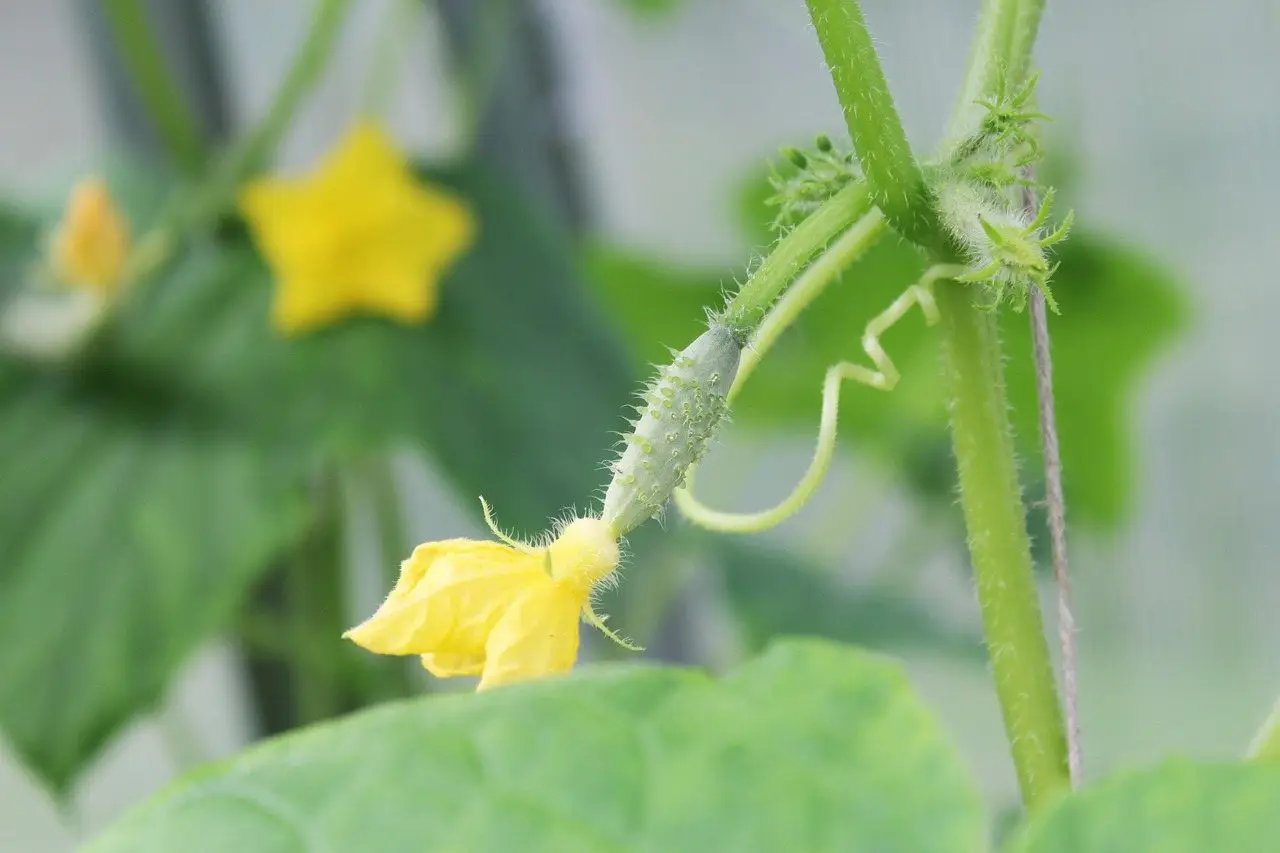
How to Prune Cucumbers: Only Vining Types Need It
Vining cucumbers benefit from removing the bottom foot of growth and the side shoots. Bush types need nothing — pruning them costs you fruit.
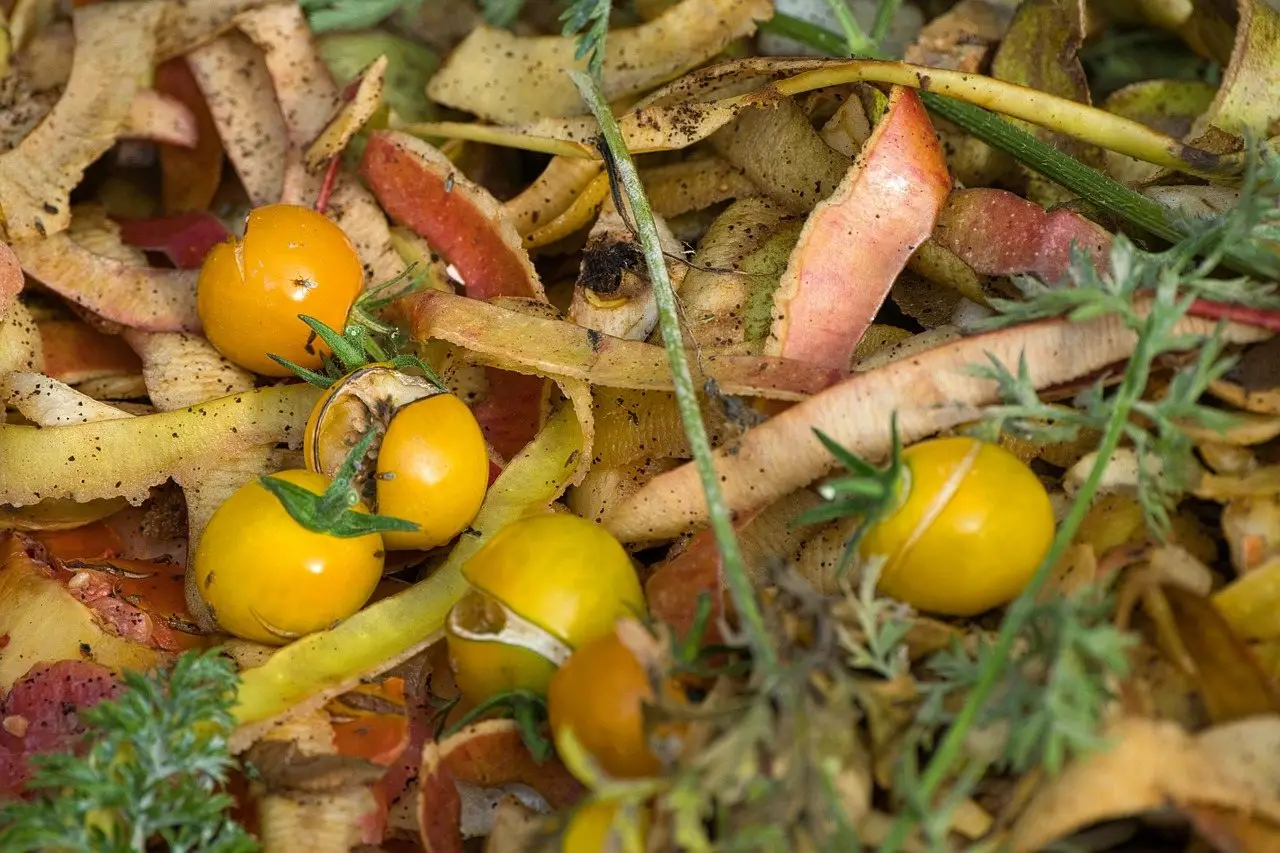
How to Make Compost Step by Step: Greens, Browns and Air
Compost needs roughly two parts browns to one part greens, moisture like a wrung sponge, and turning. Get those three right and the rest follows.
How to Grow Spaghetti Squash: Space, Sun and a Hard Rind
One plant needs 2–3 m and produces four to six fruit. Leave them until the rind resists a thumbnail, then cure — picked early they taste of nothing.