
How to Grow Spaghetti Squash: Space, Sun and a Hard Rind
One plant needs 2–3 m and produces four to six fruit. Leave them until the rind resists a thumbnail, then cure — picked early they taste of nothing.
 By
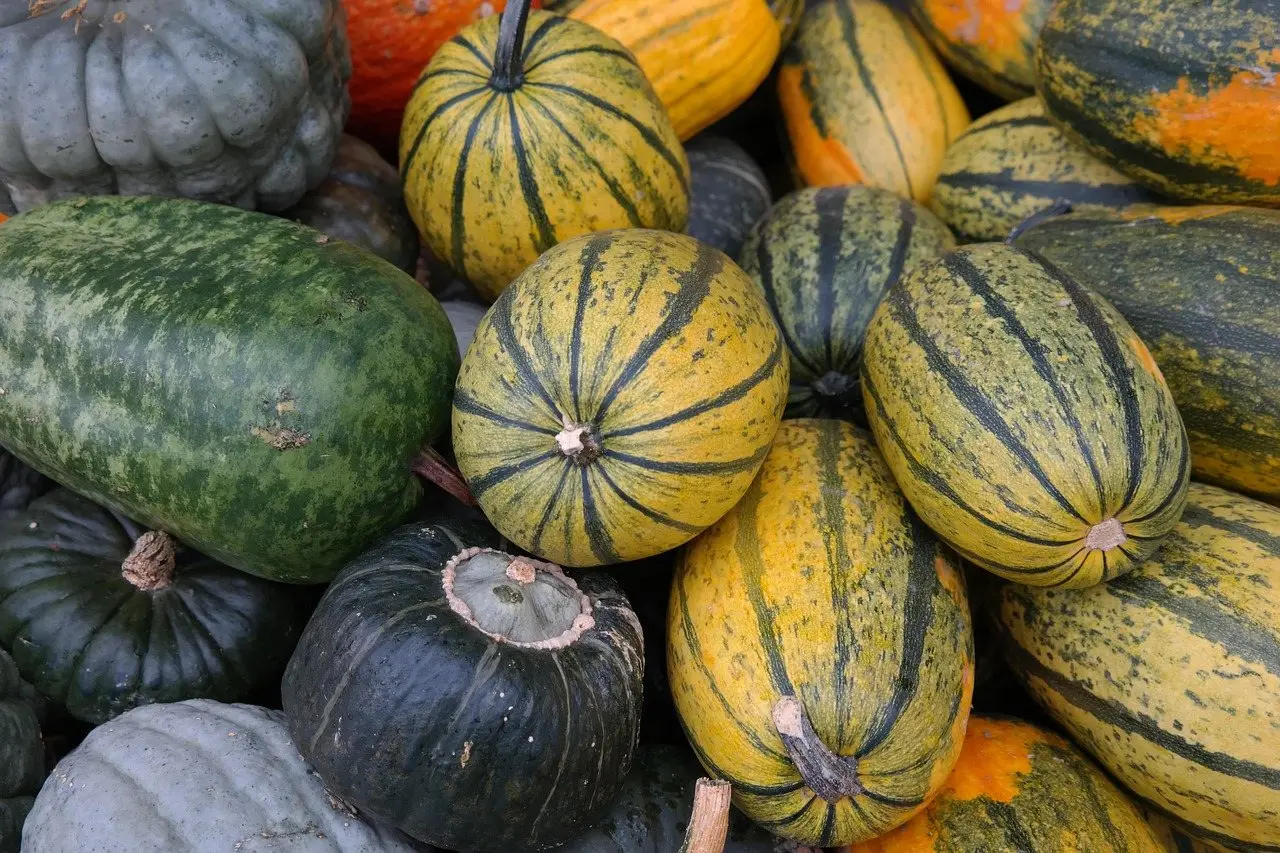
On this page
Two things decide a spaghetti squash crop: giving it enough room, and leaving it on the vine long enough. Picked early, it genuinely does taste of nothing.
Space, which is the decision people regret
A standard vining spaghetti squash runs to several metres. Planted in the middle of a bed, it covers the bed, then the path, then whatever is beyond the path.
Practical approaches:
- Plant at the edge of a bed and let the vines run into grass or a path you can spare
- Grow vertically, which is genuinely effective and covered below
- Choose a bush variety, accepting a lower yield per plant
- Do not crowd them. Crowding gives mildew and small fruit, not more squash
Growing vertically
The best answer for a small garden, with two conditions:
- The trellis must be strong. Fruit at one to two kilograms each, plus a heavy vine — a bean netting will not do it
- Sling each fruit. An old T-shirt, a net bag or pantyhose tied to the frame, supporting the squash from below as it develops
In exchange you get much better airflow — which substantially reduces powdery mildew, the other chronic squash problem — and clean fruit that never sits on damp soil.
| On the ground | On a trellis | |
|---|---|---|
| Space | 2–3 m per plant | About 1 m² |
| Mildew | Common | Much reduced |
| Fruit cleanliness | Soil contact, rot, slugs | Clean |
| Setup effort | None | Strong frame plus slings |
| Yield | Slightly higher | Slightly lower |
Knowing when to pick
The thumbnail test is the whole thing
Press a thumbnail firmly into the skin. If it marks, leave it. A mature spaghetti squash has a rind you cannot dent.
Immature fruit is watery, bland and will not store — and this is overwhelmingly the reason people report that spaghetti squash has no flavour.
Three signs together:
- Colour — pale cream turning deep golden yellow
- Rind — resists a thumbnail
- Stem — dry, firm, corky rather than green and fleshy
Typically 90 to 100 days from sowing. Leave them as long as frost allows; flavour continues to improve.
Harvest and storage
- Cut with secateurs, leaving 5–10 cm of stem
- Never carry by the stem — a stem that pulls off leaves an open wound that rots
- Cure for 10–14 days at 25–30°C with airflow
- Store at 10–15°C, dry and dark, not touching
- Expect three to four months of storage
See best way to store squash for the full curing detail, including which squashes must not be cured.
Squash vine borer
The characteristic failure in North America, and it looks like nothing else:
- Sudden, complete wilting, often overnight, on a plant that was fine yesterday
- Sawdust-like frass at the base of the stem
- A small hole where the larva entered
Dealing with it:
- Slit the stem lengthwise above the entry hole with a sharp knife
- Remove the larva
- Bury that section of vine in soil so it roots again from the node
- Keep watering — a plant that re-roots often recovers fully
Preventing it:
- Row cover until flowering, removed for pollination
- Foil or fabric wrapped around the base of the stem
- A second sowing a few weeks later to miss the main moth flight
- Bury vine nodes along the row as they grow, so the plant has multiple root points
That last habit is worth adopting as routine. A vine rooted in four places survives losing one stem section; a vine rooted only at the base does not.
Step by step
- Time
- P100D
- Cost
- 10
- You need
- Spaghetti squash seed, Well-rotted compost, Mulch
- Tools
- A hoe or trowel, A sturdy trellis, if growing vertically
Give each plant two to three metres
Vining types run widely. Plant at the edge of a bed so the vines run into space you can spare, or grow vertically on a strong frame.
Sow into warm soil after frost
Direct sow once soil is reliably above 18C, two or three seeds per station thinned to the strongest, or start indoors three weeks early in short-season areas.
Enrich the planting station
Squash are hungry. Work a generous amount of well-rotted compost into each planting position rather than feeding the whole bed.
Mulch once the soil has warmed
Mulch holds moisture, keeps fruit off bare soil and reduces the splash that spreads disease onto the lower leaves.
Water at the base, deeply and regularly
Consistent moisture matters most while fruit is sizing. Watering overhead wets the foliage and invites powdery mildew.
Bury vine nodes as they run
Pressing nodes into the soil along the row lets the plant root at several points, which is what allows it to survive vine borer damage at the base.
Support fruit if growing vertically
Sling each developing squash in an old T-shirt, net bag or pantyhose tied to the frame. Fruit at one to two kilograms will otherwise pull itself off.
Harvest on the thumbnail test
Deep golden skin, a rind that resists a firm thumbnail, and a dry corky stem — usually 90 to 100 days. Fruit picked before the rind hardens is watery and will not store.
Cure for ten to fourteen days
Somewhere warm, dry and airy at around 25 to 30C, then store at 10 to 15C in the dark. Cured properly it keeps three to four months.
Common questions
How much space does spaghetti squash need?
When is spaghetti squash ready to pick?
Can you grow spaghetti squash vertically?
How many squash does one plant produce?
What is killing my squash vine suddenly?
Backyard Weekly
Know what to plant, week by week
Join the weekly email for seasonal jobs, fixes for what is going wrong, and gear worth buying.
Not ready to subscribe? The planting calendar is free and needs no email.
By subscribing you agree to our privacy policy. Grow In Backyard will never sell your address.
Keep reading
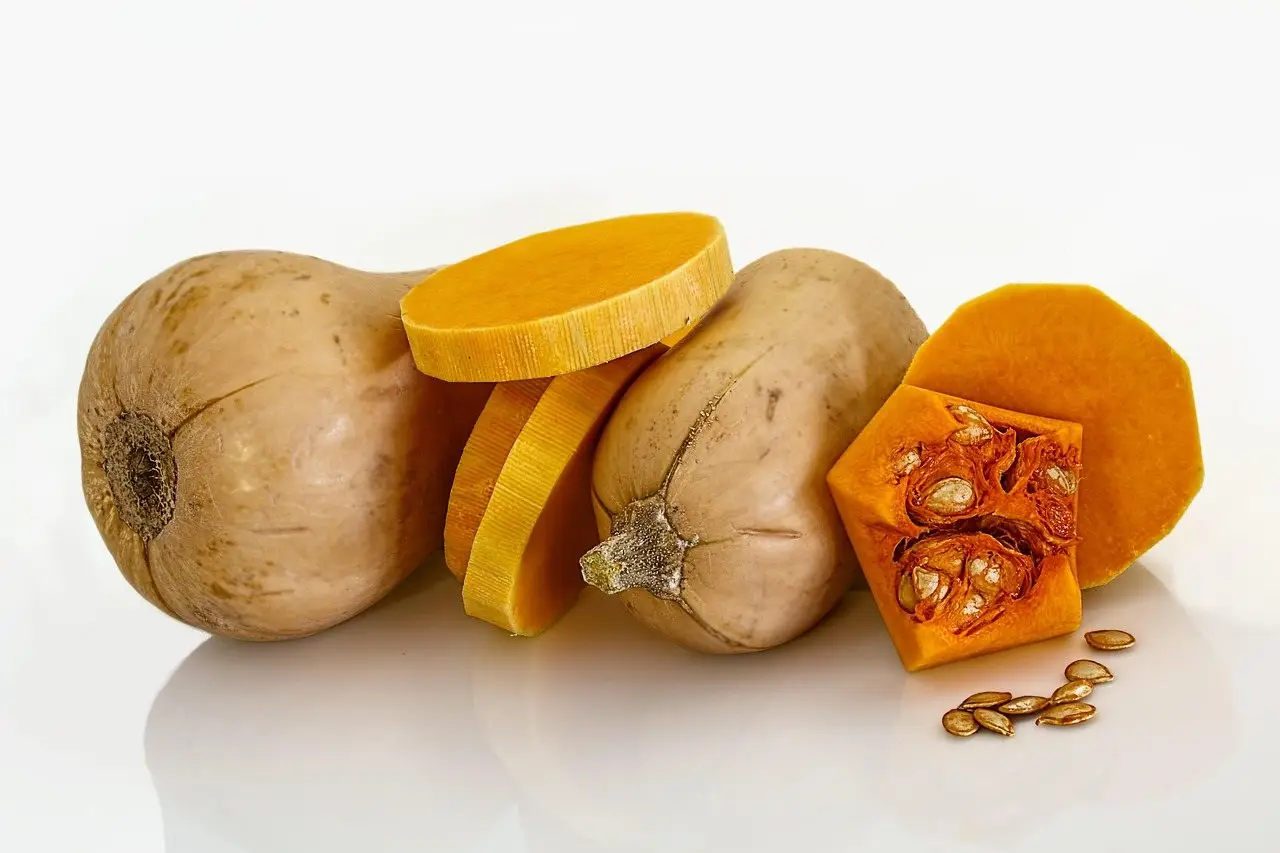
Best Way to Store Squash: Cure It, Then Keep It Cool
Winter squash needs ten days of curing at 27°C, then 10–15°C and dry air. Butternut keeps six months that way; acorn squash should not be cured at all.
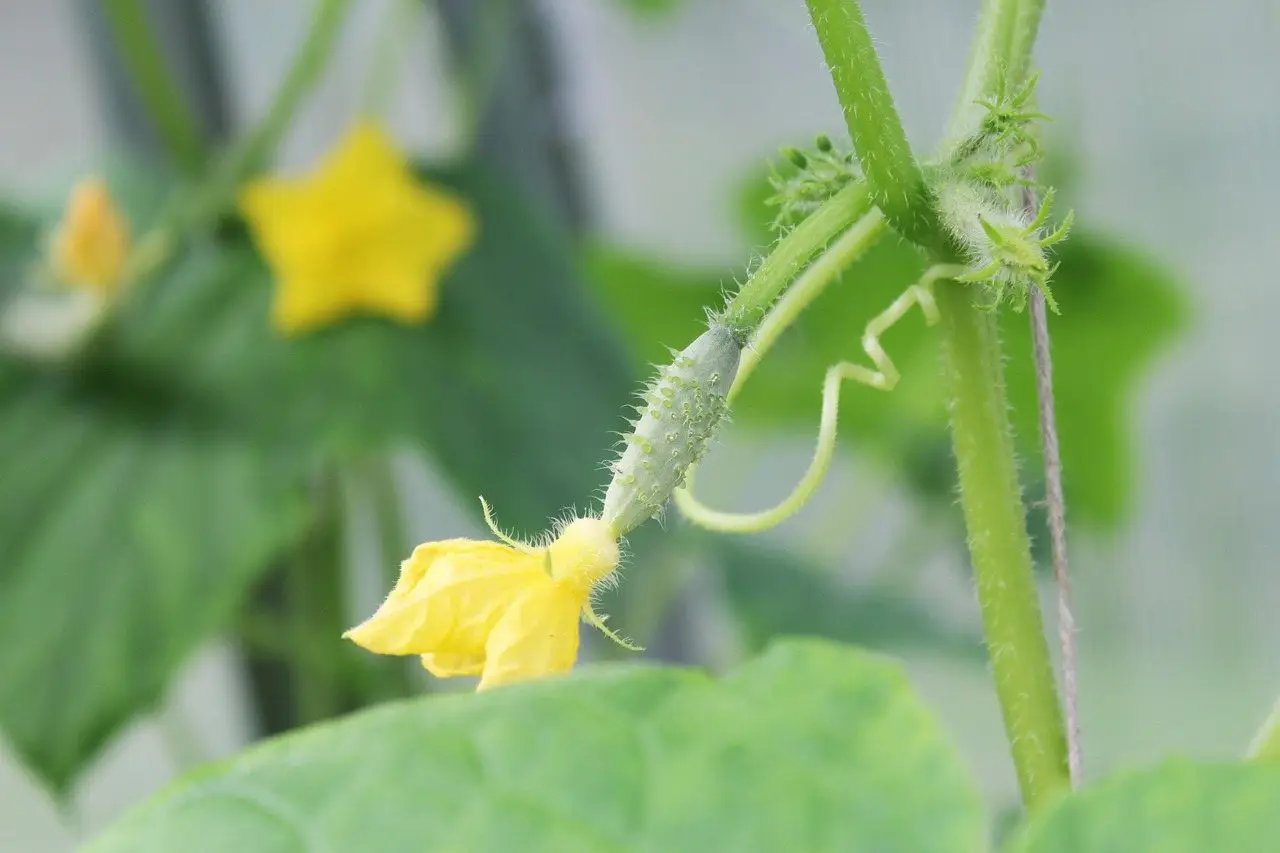
How to Prune Cucumbers: Only Vining Types Need It
Vining cucumbers benefit from removing the bottom foot of growth and the side shoots. Bush types need nothing — pruning them costs you fruit.
Vegetables to Plant in July: A Second Season
July sowings catch the autumn window that spring crops miss. Count back from your first frost, add the short-day factor, and sow accordingly.

How to Grow Taro: Wet Feet, Long Season, Always Cooked
Taro wants constant moisture and 200 frost-free days. Every part is toxic raw — the calcium oxalate only breaks down with thorough cooking.