
Vegetables to Plant in July: A Second Season
July sowings catch the autumn window that spring crops miss. Count back from your first frost, add the short-day factor, and sow accordingly.
 By
On this page
July is not the end of the sowing year. It is the start of the autumn garden — and for several crops it is a better sowing month than April.
The fall factor, which is the actual skill
Packet days-to-maturity figures assume spring and summer conditions — lengthening days, warming soil, strong light. Autumn gives the opposite.
A crop that matures in 60 days from an April sowing will take closer to 75 days from a July one, because its final weeks happen in shortening days and cooling soil.
The calculation:
- Find your average first frost date
- Take the days to maturity from the packet
- Add 14 days for the fall factor
- Add a few more days if you are starting from seed rather than transplants
- Count backwards from the frost date
If the answer lands before today, sow it. If it lands after, choose something faster or skip it.
Frost is not a wall for everything
Several crops are improved by frost rather than ended by it. Kale, Brussels sprouts, parsnips, leeks and carrots all convert starch to sugar in response to cold and taste noticeably sweeter afterwards — see when to harvest kale.
For those, the frost date is a flavour event, not a deadline.
What to sow in July
| Crop | Days | Notes |
|---|---|---|
| Bush beans | 50–60 | Fast, reliable. Sow early July |
| Summer squash | 50–60 | A second plant avoids the mildewed June one |
| Cucumber | 50–65 | Early July only |
| Beets | 50–60 | Good autumn crop, tops edible |
| Carrots | 60–75 | Sweeter from an autumn harvest |
| Turnips | 40–55 | Fast and underrated |
| Kohlrabi | 45–60 | Quick, and better in cool weather |
| Kale | 50–65 | Improved by frost. Sow for winter |
| Broccoli | 60–80 | Transplants better than seed this late |
| Cabbage | 60–90 | Autumn types, from transplants |
| Brussels sprouts | 90–110 | Early July at the latest |
| Leeks | 90–120 | Transplants only by July |
| Spinach | 40–50 | Late July, once soil cools |
| Lettuce | 45–60 | Late July, with shade |
| Rocket, pak choi, mizuna | 30–45 | Fast, and better in autumn |
| Coriander, dill | 40–55 | Bolt less in autumn than in summer |
| Radish | 25–30 | Any time; sow short rows |
Germination is the July problem
Sowing is easy. Getting seed to come up in hot dry soil is not.
Lettuce and spinach enter thermal dormancy above roughly 25 to 27°C of soil temperature — they do not germinate slowly, they refuse entirely. This is why so many midsummer lettuce sowings simply do nothing and get blamed on old seed.
What works:
- Sow late in the afternoon, so the seed’s first hours are cooling rather than heating
- Water the drill with cold water before sowing
- Shade the row with a board, a plank or shade cloth until seedlings appear, then remove it
- Start indoors and transplant — the simplest fix for lettuce
- Keep the surface damp. Seed that dries out mid-germination dies, and July soil dries in hours
- Sow slightly deeper than you would in spring, into cooler moister soil
Preparing a bed that has just finished a crop
A July sowing usually goes into ground that has just produced something else, which has taken nutrients and structure out of it.
- Clear the previous crop and compost it
- Work in 5 cm of compost
- Balanced feed for brassicas and other hungry crops
- No fresh manure before carrots and parsnips — they fork
- Nothing extra after beans and peas, which leave nitrogen behind
- Water deeply the day before sowing, not on the day
- Mulch after germination to hold moisture
Regional reality
The list above suits most temperate gardens. Two adjustments:
Short-season regions — the brassica window has often closed by mid-July. Prioritise the 30-to-55-day crops: turnips, radishes, rocket, pak choi, spinach, kohlrabi.
Long-season and zone 9+ — July is a genuine second planting season, including tomatoes and peppers from transplants, which often produce better autumn fruit than spring plants that struggled through peak heat.
The underlying method does not change. Frost date, minus days to maturity, minus two weeks. Everything else follows from that one sum.
Common questions
What vegetables can you plant in July?
How do you work out what is too late to plant?
Can you plant tomatoes or peppers in July?
Why do seeds fail to germinate in July?
Do I need to feed the soil before a July sowing?
Backyard Weekly
Know what to plant, week by week
Join the weekly email for seasonal jobs, fixes for what is going wrong, and gear worth buying.
Not ready to subscribe? The planting calendar is free and needs no email.
By subscribing you agree to our privacy policy. Grow In Backyard will never sell your address.
Keep reading
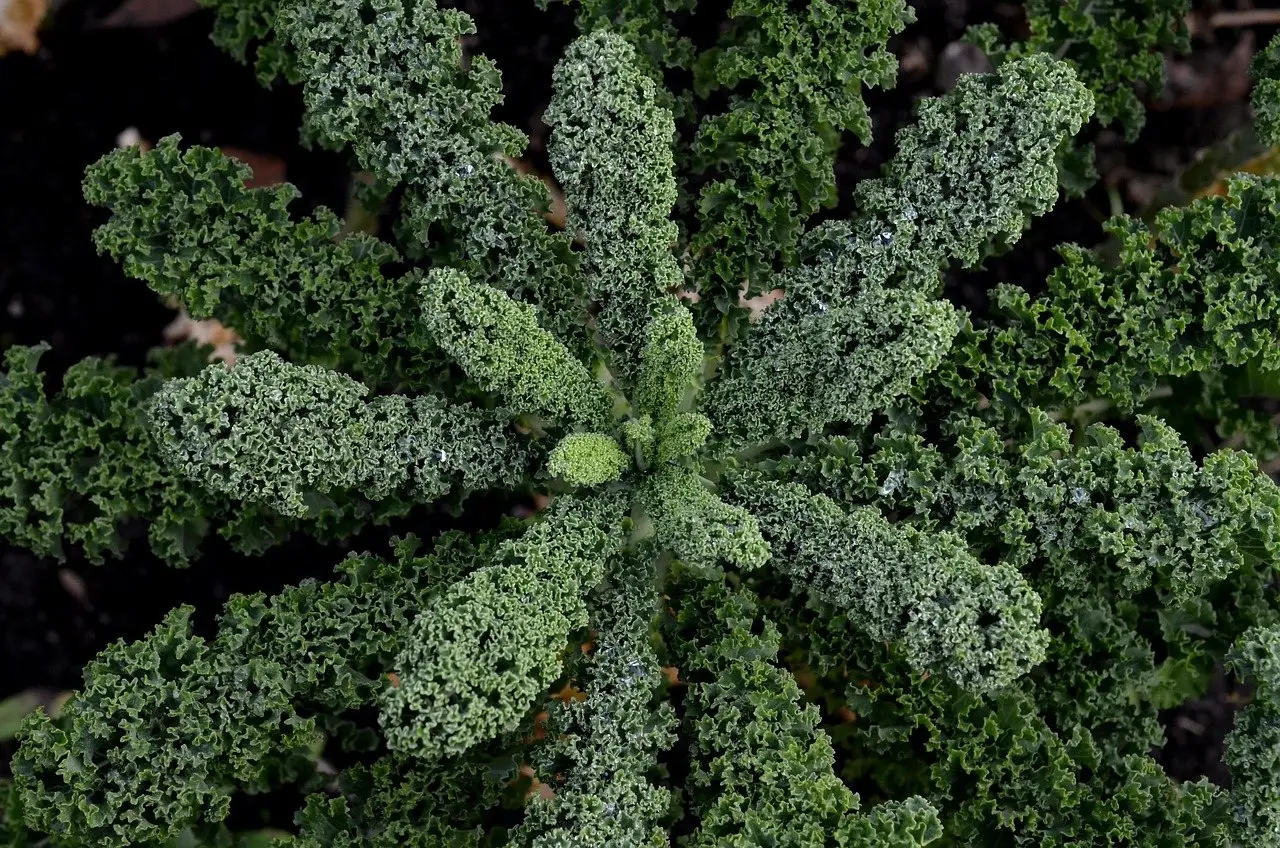
When to Harvest Kale: Bottom Leaves First, and Why Frost Helps
Pick outer leaves from the bottom once they reach hand size, never the growing tip. Frost genuinely sweetens it — the plant converts starch to sugar.
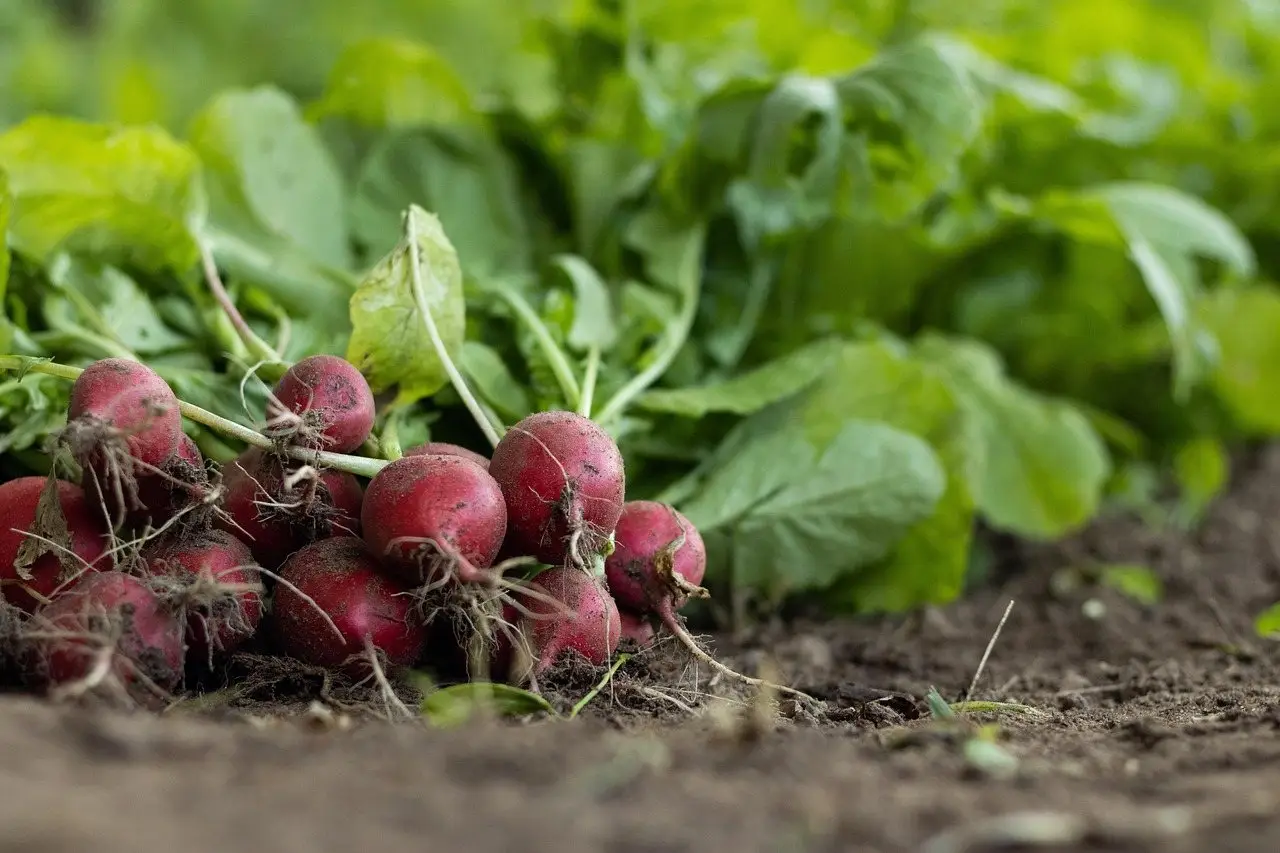
When to Harvest Radish: Pull at 1 Inch, Not by the Calendar
Most salad radishes are ready 3–4 weeks from sowing, at about an inch across. Left longer they go pithy and hot — and the leaves tell you nothing.
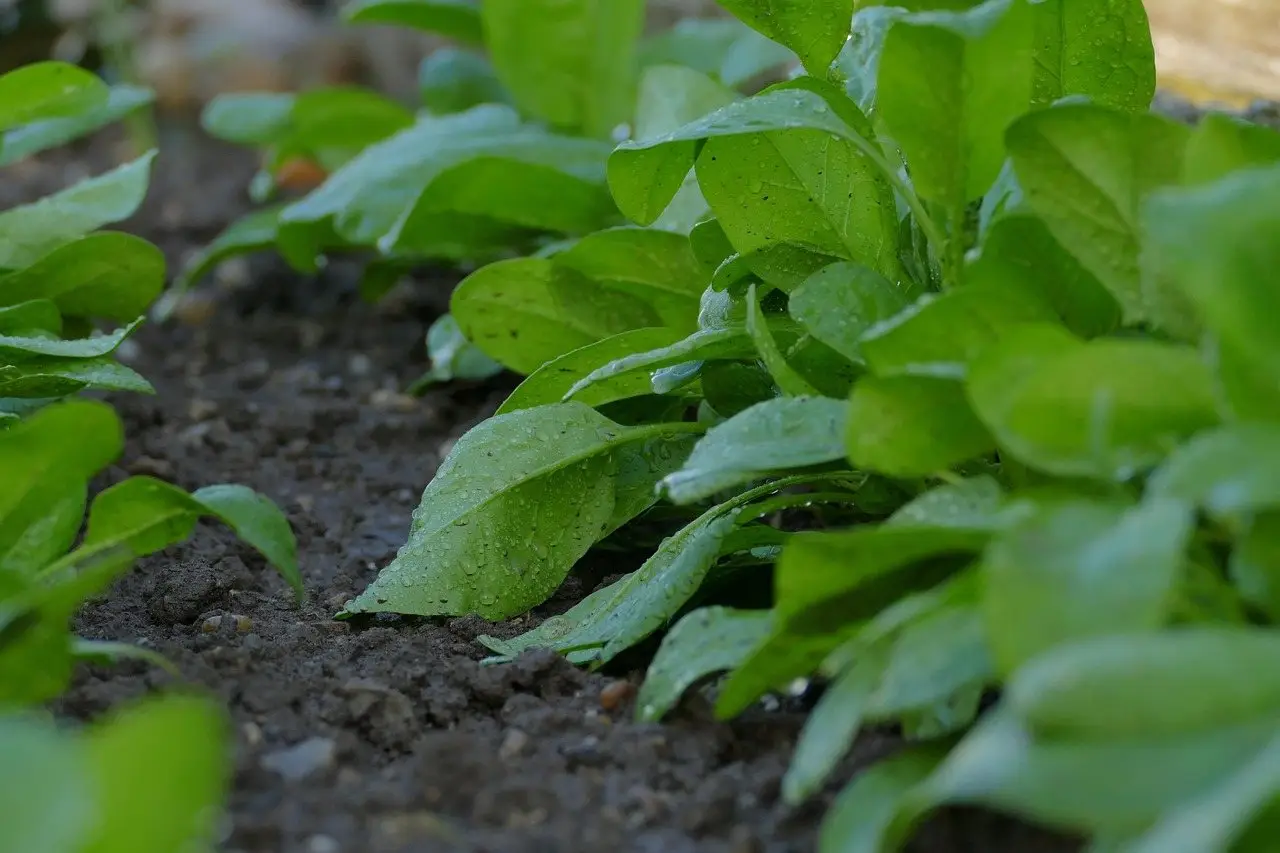
When to Harvest Spinach: Cut-and-Come-Again vs One Cut
Baby leaves at 3–4 weeks, full leaves at 6–8. Picking outer leaves keeps a plant going for weeks — until it bolts, which heat decides, not you.
What Grows Well Together in a Vegetable Garden
What grows well together in a vegetable garden, by the 4 mechanisms that actually do something. Which pairings have evidence, and which are folklore repeated.